
Buttonbush Cephalanthus Live Plant – 12+ Inches Tall – Outdoor Shrub
Original price was: $41.79.$21.79Current price is: $21.79.
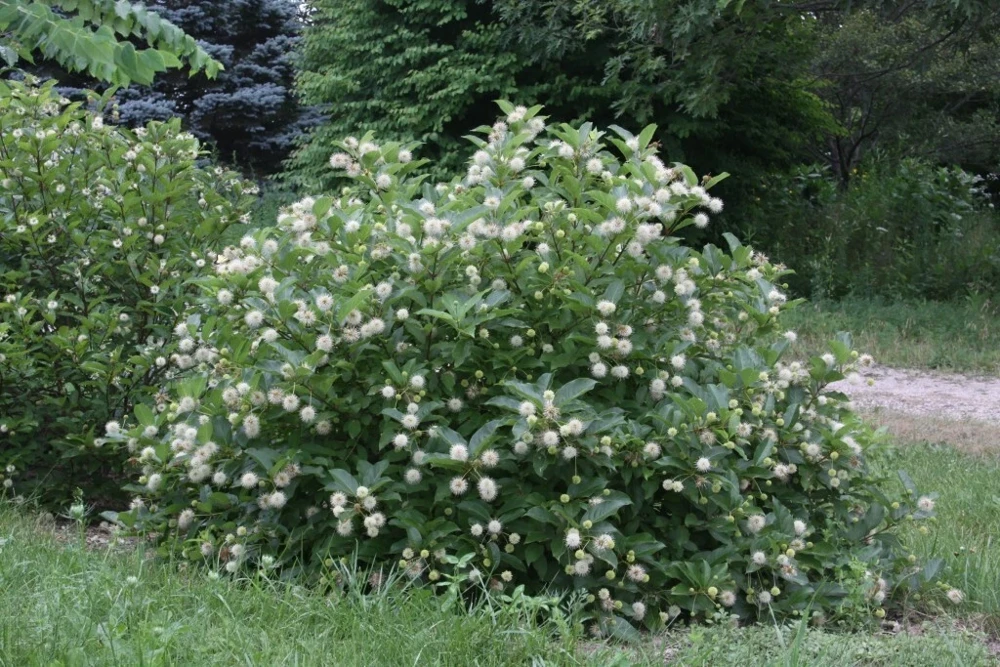
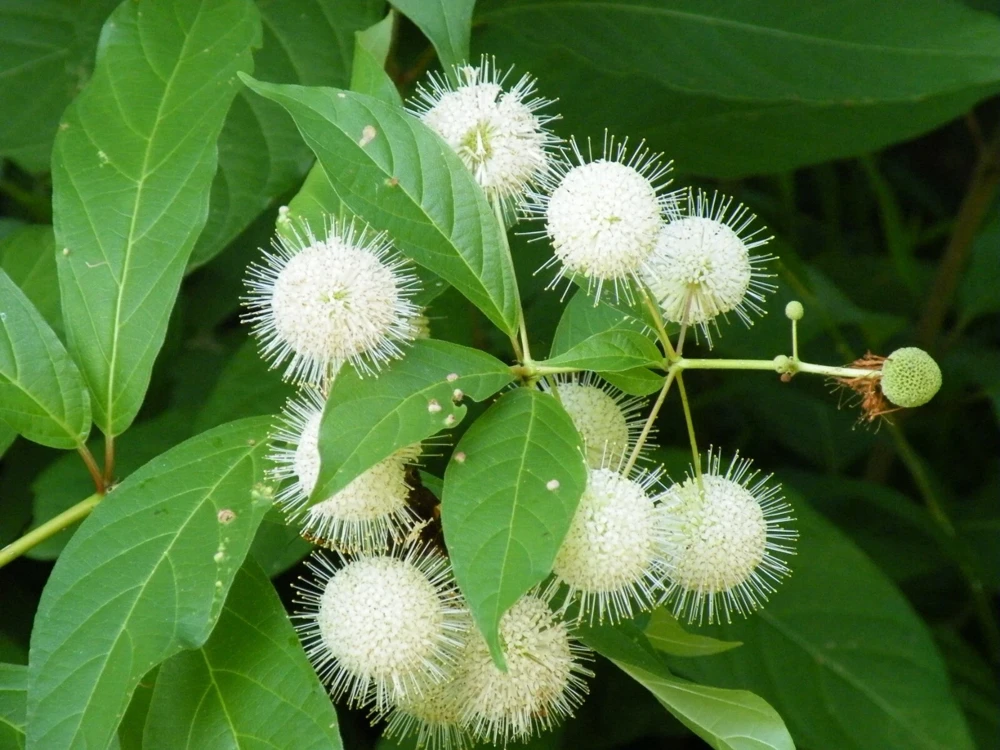
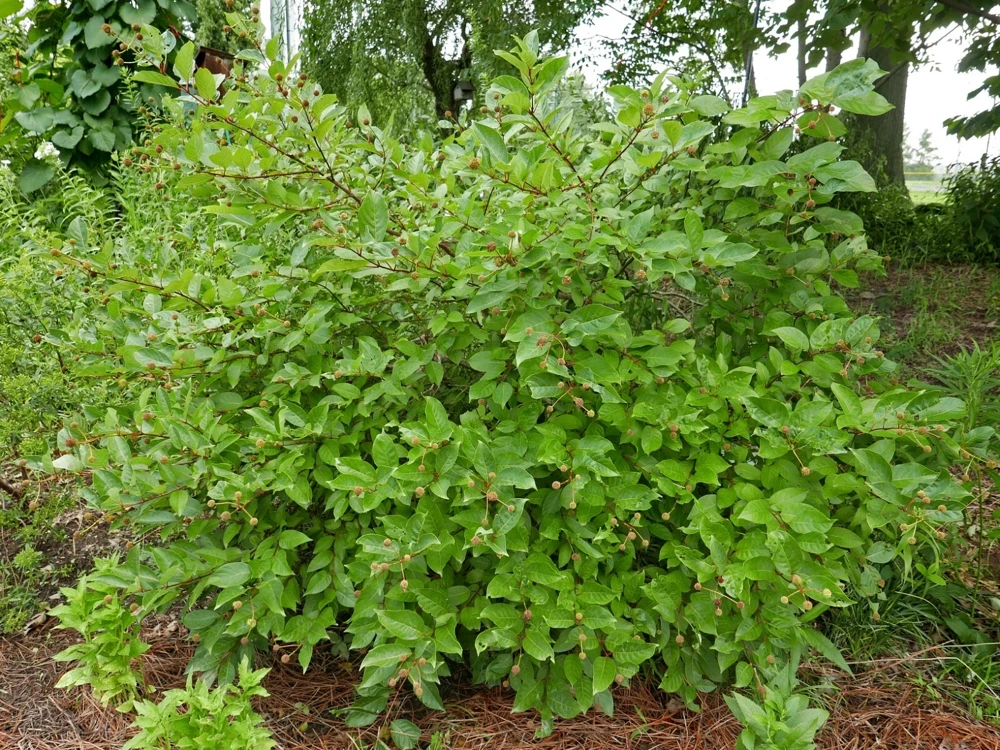
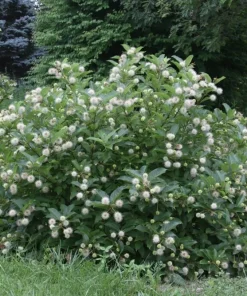
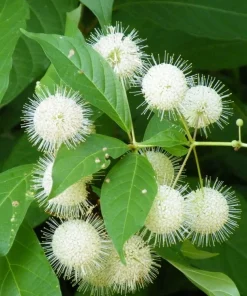
Add a unique native touch to your garden with the Buttonbush live plant. This beautiful Cephalanthus occidentalis plant features distinctive spherical white flowers, perfect for attracting pollinators. Standing over 12 inches tall, it’s ideal for wetland areas or landscape borders.
Estimated arrival
Oct 15
Oct 20 - Oct 22
Oct 25 - Oct 29
Shop With Confidence
30-Day Plant Health Guarantee
Arrives damaged? We’ll replace it free — see our return policy.
Responsive Support
Email us anytime, we reply within 1 business day.
Expert Packaging
Temperature-controlled shipping to protect your plants in transit.
Secure Checkout
Pay safely with Visa, Mastercard, PayPal.
Plant Specifications
-
USDA Hardiness Zone
USDA zones 4-10 -
Soil Type
Adaptable, prefers moist to wet soil -
Sunlight Exposure
Full sun to partial shade -
Expected Planting Period
Early spring or fall
Overview
Introduce the captivating Buttonbush live plant into your landscape, a truly unique and beneficial native shrub. Known scientifically as Cephalanthus occidentalis plant, this deciduous shrub is celebrated for its distinctive globe-shaped white flowers that emerge in summer, resembling pincushions. These fragrant blooms are not only aesthetically pleasing but also a magnet for a variety of pollinators, including butterflies, bees, and hummingbirds, making it an excellent choice for wildlife gardens and naturalized areas. Our Buttonbush live plant arrives at least 12 inches tall, ready to establish itself and bring vibrant life to your outdoor space. It’s a resilient and adaptable species, thriving in various conditions, particularly in moist to wet soils, making it perfect for rain gardens, pond edges, or low-lying areas.
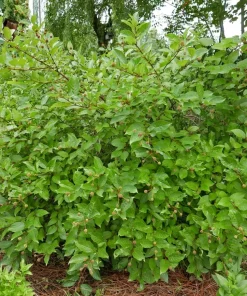
The Buttonbush is a remarkable addition for gardeners seeking a plant that offers both ornamental beauty and ecological value. Its lush green foliage provides a dense backdrop for the unique white flowers, which are followed by attractive reddish-brown seed heads that persist into winter, offering continued interest and food for birds. This Cephalanthus occidentalis plant is a testament to nature’s ingenuity, providing year-round appeal and contributing significantly to local biodiversity. Embrace the charm and ecological benefits of this wonderful native shrub.
Key Benefits
The Buttonbush live plant offers a multitude of advantages for any garden or naturalized setting. Its unique characteristics provide both visual appeal and ecological support.
- Pollinator Magnet: The spherical, fragrant white flowers are exceptionally attractive to bees, butterflies (including swallowtails and monarchs), and hummingbirds, providing a vital nectar source during summer. This makes it a perfect choice if you’re looking for a native shrub for pollinators.
- Unique Ornamental Appeal: Its distinctive pincushion-like flowers and glossy green leaves create a striking visual interest in the landscape, adding texture and form that stands out from typical shrubs.
- Adaptable to Wet Conditions: Unlike many plants, Buttonbush thrives in moist to wet soils, making it ideal for rain gardens, pond margins, stream banks, or areas with poor drainage.
- Low Maintenance: Once established, the Buttonbush live plant is remarkably hardy and requires minimal care, tolerating a range of soil types and conditions.
- Wildlife Habitat: Beyond pollinators, the plant provides cover for small animals, and its seeds are a food source for waterfowl and other birds, enhancing your garden’s biodiversity.
- Erosion Control: Its robust root system helps stabilize soil in wetland areas, preventing erosion along water bodies.
- Seasonal Interest: From its summer blooms to its persistent winter seed heads, Buttonbush offers continuous visual appeal throughout the year.
Plant Care & Growing Tips
Caring for your Buttonbush live plant is relatively straightforward, as it is a resilient native species. Understanding its preferences will ensure vigorous growth and abundant flowering. This Cephalanthus occidentalis plant prefers full sun to partial shade, meaning it should receive at least 4-6 hours of direct sunlight daily for optimal flowering. In hotter climates, some afternoon shade can be beneficial to prevent leaf scorch. When considering Buttonbush care, remember its natural habitat; it thrives in moist to wet soil conditions. Regular watering is crucial, especially during dry spells and in its first year of establishment. Do not allow the soil to dry out completely. It can even tolerate standing water for extended periods, making it an excellent choice for a wetland plant.
The Buttonbush is adaptable to a wide range of soil types, from heavy clay to sandy loam, as long as moisture is consistently available. Good drainage is less critical for this plant than for many others, given its preference for wet feet. It is hardy in USDA zones 4-10, tolerating a broad spectrum of climates. Fertilization is generally not necessary in rich soils, but if your soil is poor, a balanced, slow-release fertilizer can be applied in early spring. Pruning can be done in late winter or early spring to maintain shape, remove dead wood, or reduce size, as it blooms on new wood. Watch out for common pests like aphids, which can usually be managed with a strong spray of water or insecticidal soap. Providing adequate moisture and sunlight are the keys to successful Buttonbush care and a thriving plant.
Size & Details
This Buttonbush live plant is shipped as a bare root specimen, ensuring a robust and healthy start in your garden. Upon arrival, it will stand at least 12 inches tall, providing a significant head start for establishment. Buttonbush typically grows into a large, rounded shrub, reaching an average height and spread of 5 to 12 feet, though it can grow larger in ideal conditions. Its growth rate is moderate to fast, allowing it to establish quickly and begin flowering within a few seasons. Expect the first blooms to appear in late spring to early summer, continuing throughout the summer months. The plant will develop its characteristic spherical white flowers, which are followed by attractive, hard, reddish-brown fruit clusters that persist through fall and into winter. This plant is sold individually, ready to be planted directly into your garden or a large container. It is a long-lived perennial shrub, offering many years of beauty and ecological benefit.
Frequently Asked Questions
- Q: How big does this plant get? A: The Buttonbush live plant typically grows to a mature height and spread of 5 to 12 feet, forming a large, rounded shrub. Its size can vary depending on growing conditions and pruning practices.
- Q: What size pot does it come in? A: This Buttonbush is shipped as a bare root plant, meaning it does not come in a pot. It is ready for direct planting into your garden or a suitable container upon arrival.
- Q: Is this an indoor or outdoor plant? A: The Cephalanthus occidentalis plant is an outdoor shrub. It thrives in various outdoor garden settings, especially in moist to wet conditions, and is not suitable for indoor cultivation.
- Q: How much sunlight does it need? A: Buttonbush prefers full sun to partial shade. For the best flowering display, aim for at least 4-6 hours of direct sunlight per day. It’s a key aspect of good Buttonbush care.
- Q: Is this plant easy to care for? A: Yes, Buttonbush is considered a low-maintenance plant once established. It is very adaptable and tolerant of various conditions, especially wet soils, making it suitable for gardeners of all experience levels.
- Q: What condition will it arrive in? A: Your Buttonbush will arrive as a healthy bare root plant, carefully packaged to ensure its vitality. It will be dormant or semi-dormant, ready for planting.
- Q: Is it pet-safe? A: While generally not considered highly toxic, it’s always best to prevent pets from ingesting any plant material. Consult a veterinarian if you have concerns about specific pets.
- Q: How long until it blooms? A: Buttonbush typically begins to bloom in late spring to early summer, usually within one to two growing seasons after planting, especially with proper Buttonbush care.
- Q: When is the best time to plant? A: The best time to plant bare root Buttonbush is in early spring or fall when the plant is dormant or semi-dormant, allowing it to establish before extreme weather.
- Q: Will it survive winter in my zone? A: Buttonbush is hardy in USDA zones 4-10, meaning it can withstand winter temperatures in a wide range of climates across the United States. It’s a very resilient wetland plant.
Be the first to review “Buttonbush Cephalanthus Live Plant – 12+ Inches Tall – Outdoor Shrub”
People Also Viewed
Reviews
There are no reviews yet.