
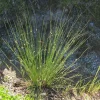
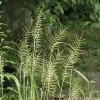
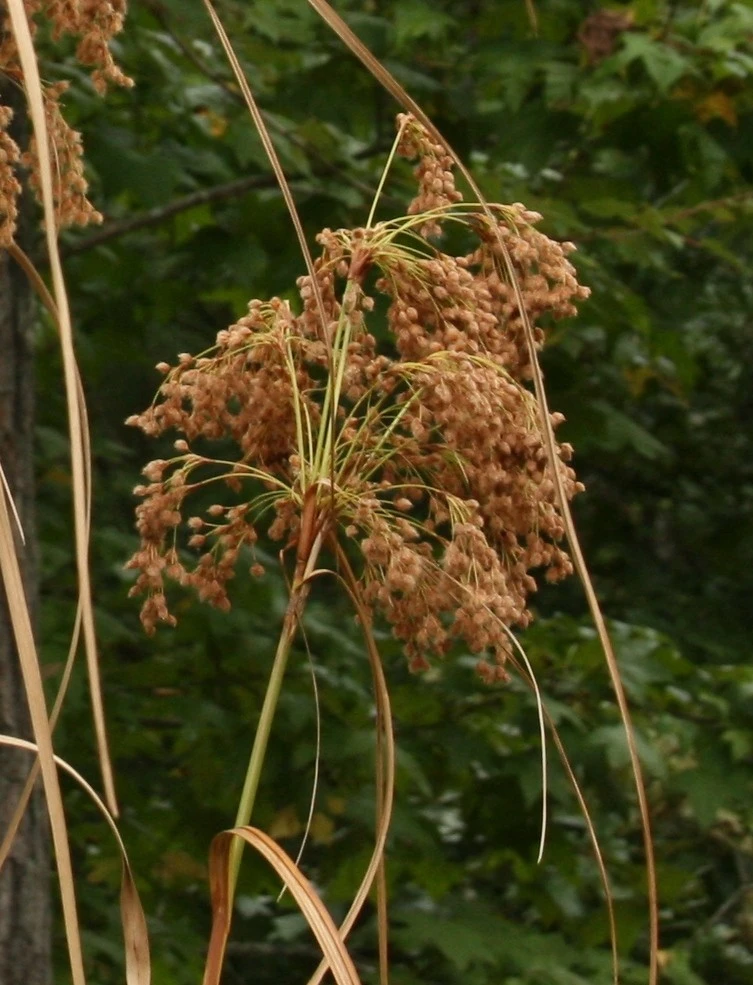
Woolgrass Seedlings – 10-Pack Starter Plugs, Native Grasses for Outdoor
Original price was: $86.99.$61.99Current price is: $61.99.
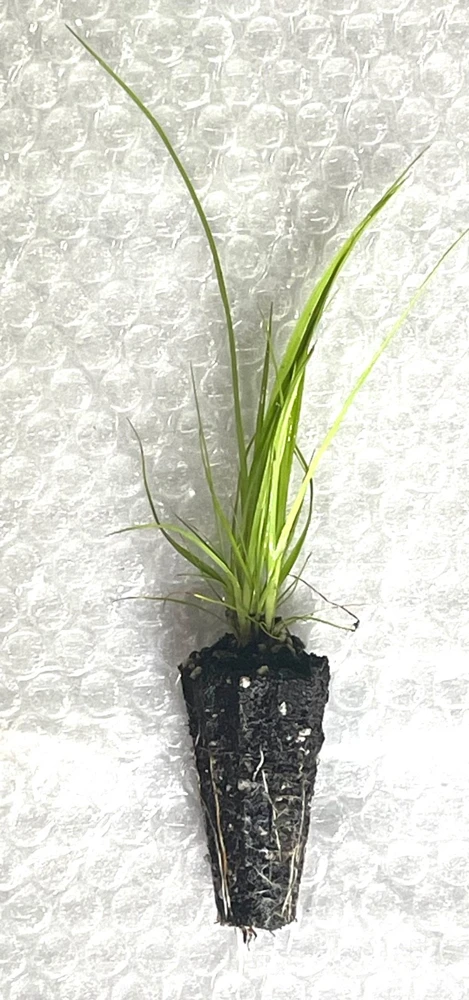
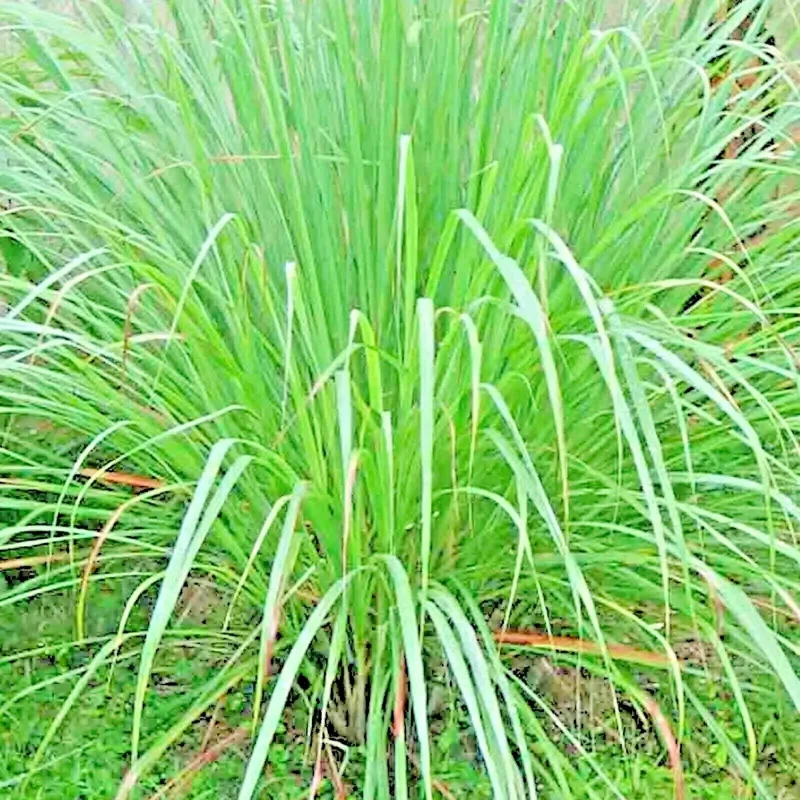
Cultivate a natural landscape with this woolgrass seedlings 10-pack of starter plugs. These native sedges are perfect for creating wetland habitats or naturalized garden areas, offering unique texture and ecological benefits. Easy to establish and grow, they add graceful movement to any outdoor space.
Estimated arrival
Sep 17
Sep 22 - Sep 24
Sep 27 - Oct 01
Shop With Confidence
30-Day Plant Health Guarantee
Arrives damaged? We’ll replace it free — see our return policy.
Responsive Support
Email us anytime, we reply within 1 business day.
Expert Packaging
Temperature-controlled shipping to protect your plants in transit.
Secure Checkout
Pay safely with Visa, Mastercard, PayPal.
Plant Specifications
-
USDA Hardiness Zone
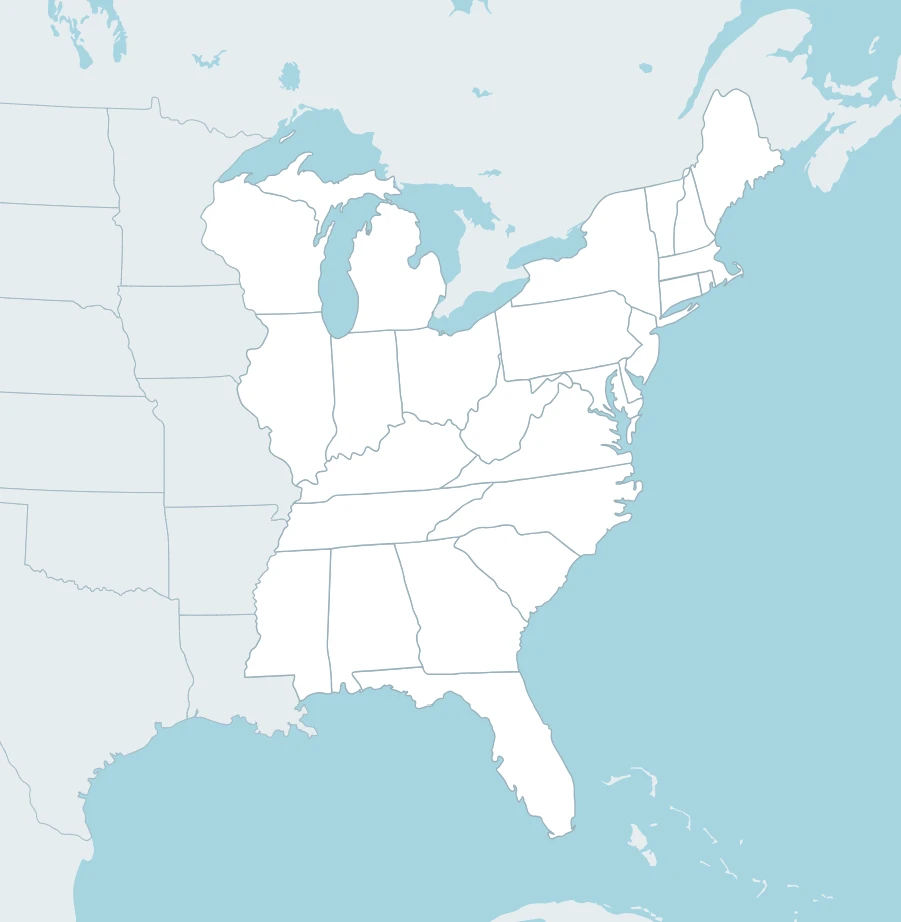
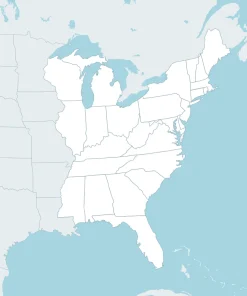
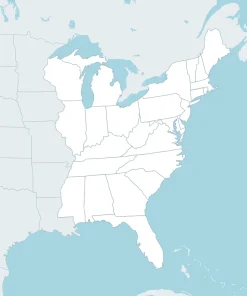
USDA zones 3-9 -
Soil Type
Moist to wet, organic-rich soil -
Sunlight Exposure
Full sun to partial shade -
Expected Planting Period
Spring to early summer
Overview
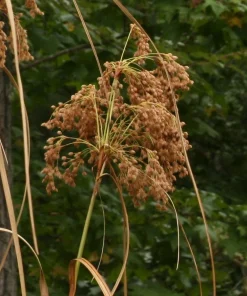
Introduce the beauty of native ecosystems to your garden with this woolgrass seedlings 10-pack. Each pack contains ten healthy starter plugs of Woolgrass (Eriophorum virginicum), a distinctive native sedge known for its cotton-like seed heads. These young plants are ideal for establishing new garden beds, naturalizing wetland areas, or adding unique texture to rain gardens. Woolgrass seedlings are a fantastic choice for supporting local biodiversity and creating a resilient, low-maintenance landscape. Their delicate appearance belies their hardy nature, making them a superb addition for both novice and experienced gardeners looking to incorporate native species.
Woolgrass is a charming perennial that thrives in moist to wet conditions, making it perfect for areas of your garden that retain water or near water features. Its unique seed heads, resembling tufts of wool, provide visual interest from late summer through fall and also serve as a food source for birds. By choosing these woolgrass seedlings, you’re not just planting a beautiful grass; you’re contributing to a healthier environment and enjoying the natural elegance of a true native.
Key Benefits
Integrating these woolgrass seedlings into your garden offers numerous advantages, enhancing both the aesthetic and ecological value of your outdoor space. These native sedges are an excellent choice for sustainable landscaping:
- Ecological Support:Woolgrass seedlings provide vital habitat and food sources for local wildlife, including birds and beneficial insects, contributing to a thriving ecosystem in your backyard.
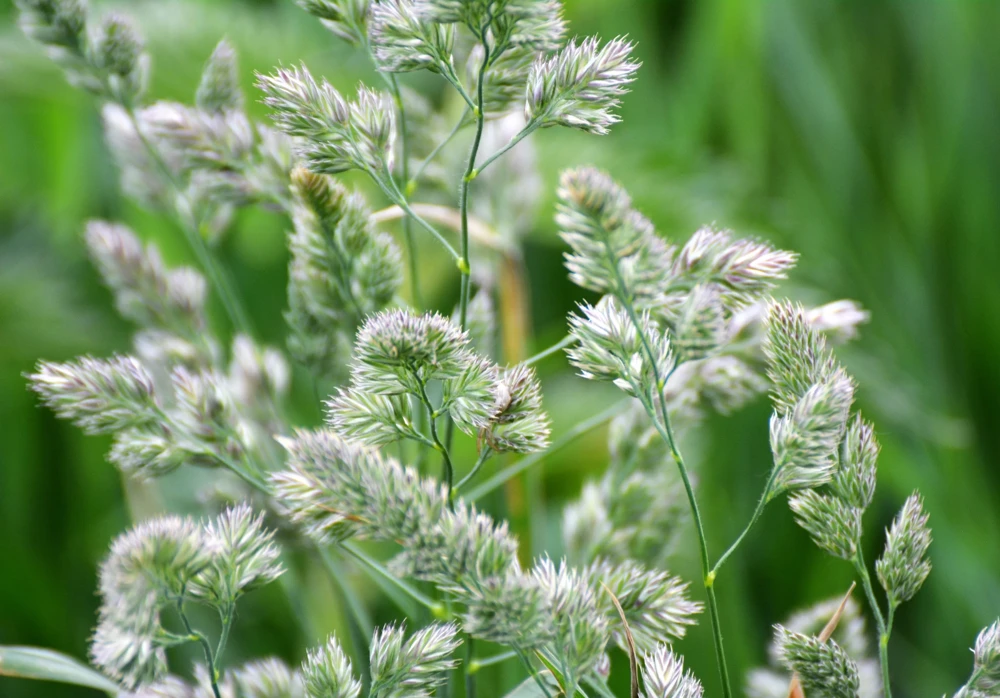
- Unique Ornamental Value: The distinctive, fluffy white seed heads of Woolgrass offer a striking visual element, particularly in late summer and fall, adding softness and texture to any garden design.
- Wetland & Rain Garden Suitability: As a plant that naturally thrives in moist to wet soils, Woolgrass is perfectly suited for rain gardens, bog gardens, or areas with poor drainage, helping to manage stormwater runoff.
- Low Maintenance: Once established, these native plants require minimal care, making them an excellent choice for gardeners seeking an easy-to-grow option that still delivers significant impact.
- Erosion Control: The fibrous root systems of Woolgrass help stabilize soil in wet areas, preventing erosion and maintaining the integrity of your landscape.
- Drought Tolerance (Once Established): While they prefer wet conditions, mature Woolgrass plants can exhibit some drought tolerance, especially in cooler climates, making them resilient.
- Naturalized Appearance: Ideal for creating naturalized landscapes, meadow gardens, or informal borders, providing a serene and authentic feel to your outdoor environment.
Plant Care & Growing Tips
Caring for your woolgrass seedlings is straightforward, especially when planted in their preferred environment. Woolgrass thrives in full sun to partial shade, ideally receiving at least 6 hours of direct sunlight per day. While it can tolerate some shade, more sun generally leads to more abundant flowering and stronger growth. These native sedges are particularly well-suited for moist to wet soil conditions, making them perfect for bog gardens, pond edges, or areas with consistently damp soil. They can even tolerate shallow standing water for periods.
When planting your woolgrass seedlings, ensure the soil is rich in organic matter and has good water retention. A heavy clay soil or a loam amended with compost is ideal. Regular watering is crucial during the establishment phase, especially if your climate is dry. Once established, they are quite resilient and will generally only need supplemental watering during prolonged dry spells, particularly if not planted in a naturally wet area. Fertilization is typically not necessary for Woolgrass, as it is adapted to nutrient-poor wetland soils. If desired, a light application of a balanced, slow-release fertilizer in spring can encourage vigorous growth. Monitor for pests or diseases, though Woolgrass is generally resistant. Understanding woolgrass plant care ensures these beautiful plants flourish.
For colder climates, eriophorum virginicum is hardy and generally requires no special winter protection. In spring, you can cut back any old foliage to make way for new growth. Propagation can occur through division of established clumps in spring or fall, or by allowing the plant to self-seed. These tips will help ensure your woolgrass seedlings grow into a stunning and beneficial part of your garden.
Size & Details
This offering includes a 10-pack of woolgrass seedlings, each provided as a healthy starter plug. These plugs are young, actively growing plants, ready for transplanting into your garden. Woolgrass typically grows to a height of 2 to 3 feet (60-90 cm) with a similar spread, forming attractive clumps. The plant’s growth rate is moderate, establishing well within its first growing season and reaching mature size within 2-3 years. The distinctive white, cotton-like seed heads appear in late summer to early fall, adding visual interest through the colder months.
Our native sedges are shipped securely to ensure they arrive in excellent condition, ready for immediate planting. They are ideal for mass plantings or as individual specimens in naturalized settings. The starter plug format makes planting easy and reduces transplant shock, allowing for quicker establishment in your chosen location. Expect these woolgrass seedlings to become a resilient and beautiful addition to your landscape, providing seasonal interest and ecological benefits for years to come.
Frequently Asked Questions
- Q: How big do these woolgrass seedlings get? A: Woolgrass seedlings typically mature into plants that are 2 to 3 feet tall with a similar spread, forming attractive clumps. Their cotton-like seed heads add extra height and visual interest.
- Q: What type of soil do these native sedges prefer? A: These native sedges thrive in moist to wet soil conditions that are rich in organic matter. They are particularly well-suited for heavy clay soils or loams that retain water well.
- Q: Is Woolgrass an indoor or outdoor plant? A: Woolgrass is an outdoor plant that is hardy and thrives in natural environments like wetlands, rain gardens, and moist garden beds. It is not suitable for indoor cultivation.
- Q: How much sunlight does eriophorum virginicum need? A: Eriophorum virginicum prefers full sun to partial shade, ideally receiving at least 6 hours of direct sunlight daily for optimal growth and flowering.
- Q: Is this plant easy to care for? A: Yes, once established, Woolgrass is a relatively low-maintenance plant. It requires consistent moisture, especially during establishment, but generally needs minimal intervention. This makes woolgrass plant care simple.
- Q: What condition will the starter plugs arrive in? A: Your woolgrass seedlings will arrive as healthy, actively growing starter plugs, carefully packaged to ensure they are ready for planting upon arrival.
- Q: When is the best time to plant woolgrass? A: The best time to plant Woolgrass starter plugs is in spring or early summer, after the last frost, allowing them ample time to establish before winter.
- Q: Will it survive winter in my zone? A: Woolgrass is a hardy perennial and will survive winter in USDA zones 3-9. It is well-adapted to cold climates and will return each spring.
- Q: Can I use woolgrass seedlings for erosion control? A: Yes, the fibrous root system of Woolgrass is excellent for stabilizing soil in wet areas, making it a good choice for erosion control along pond banks or in rain gardens.
- Q: How long until the wool-like seed heads appear? A: The distinctive, cotton-like seed heads of Woolgrass typically appear in late summer, usually from August through September, providing unique texture and beauty.
Be the first to review “Woolgrass Seedlings – 10-Pack Starter Plugs, Native Grasses for Outdoor”
People Also Viewed
Vegetable Seeds
Reviews
There are no reviews yet.