
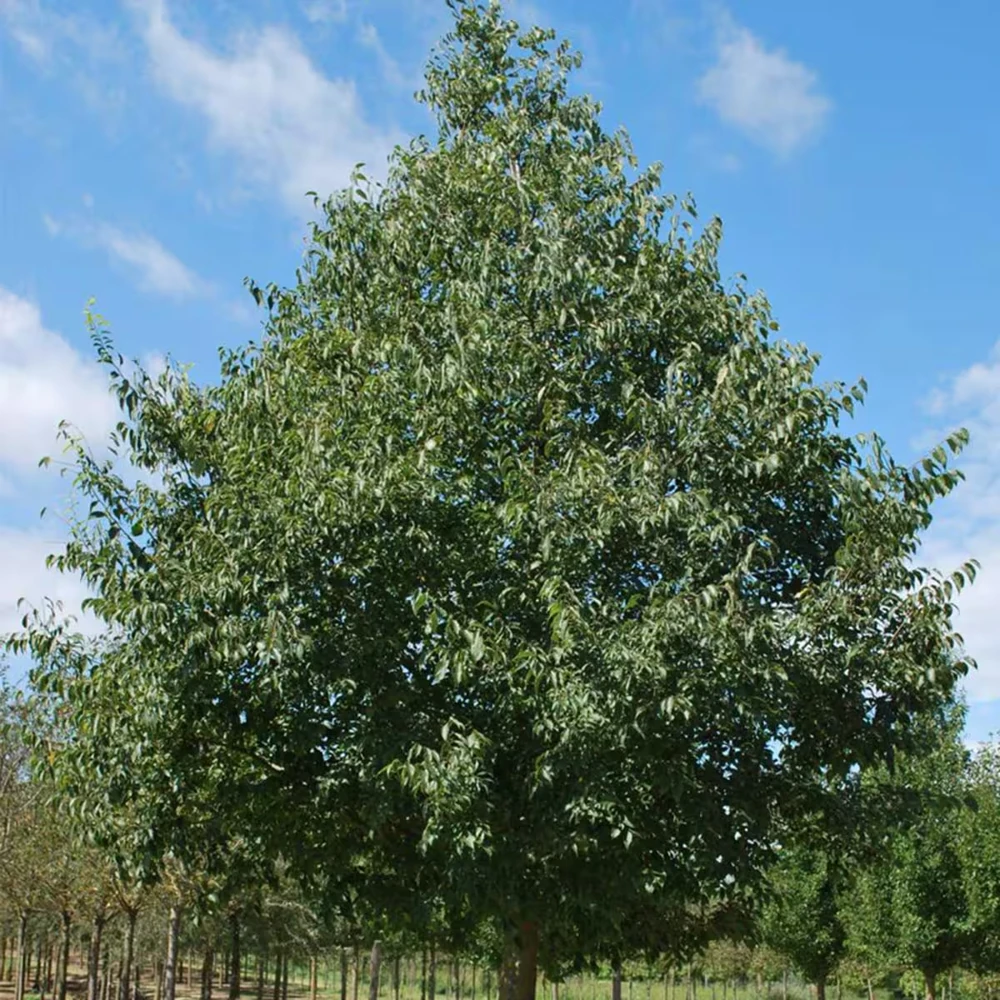
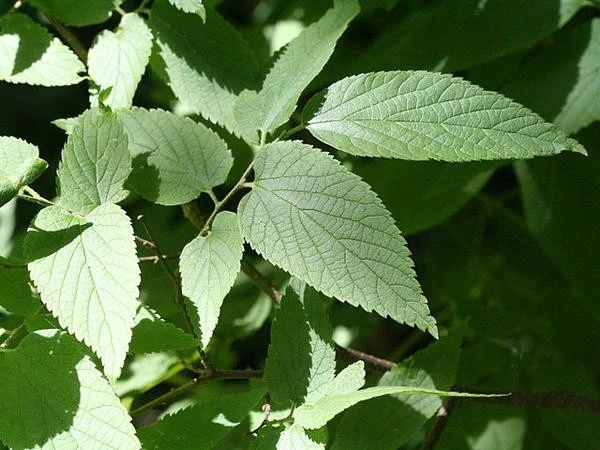
Hackberry Live Tree (Celtis occidentalis) Native Shade Tree, 12-24″ Tall, 4″ Pot, Outdoor
Original price was: $47.98.$29.99Current price is: $29.99.
Bring natural beauty to your yard with a hackberry live tree. This native shade tree, 12-24″ tall in a 4″ pot, is perfect for landscaping and attracting wildlife. Enjoy its seasonal interest from spring to fall.
Estimated arrival
Oct 14
Oct 19 - Oct 21
Oct 24 - Oct 28
Shop With Confidence
30-Day Plant Health Guarantee
Arrives damaged? We’ll replace it free — see our return policy.
Responsive Support
Email us anytime, we reply within 1 business day.
Expert Packaging
Temperature-controlled shipping to protect your plants in transit.
Secure Checkout
Pay safely with Visa, Mastercard, PayPal.
Plant Specifications
-
USDA Hardiness Zone
USDA Zones 3-9 -
Soil Type
Well-draining soil, adaptable to various types -
Sunlight Exposure
Full sun -
Expected Planting Period
Spring or Fall
Overview
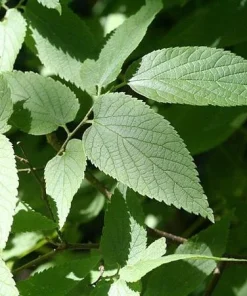
Discover the enduring charm of the hackberry live tree (Celtis occidentalis), a remarkable addition to any landscape. This robust native tree is celebrated for its rapid growth, resilience, and significant ecological value. Standing 12-24 inches tall in a 4-inch pot, this young hackberry live tree is ready to establish itself in your garden, promising years of shade and beauty. Known for its distinctive warty bark and graceful, spreading canopy, the Common Hackberry is an excellent choice for those seeking a resilient, low-maintenance tree that thrives in a variety of conditions. It’s not just a tree; it’s a living ecosystem, providing shelter and food for local wildlife, making it an ideal wildlife friendly tree for any nature enthusiast.
The Celtis occidentalis, commonly known as Hackberry, is a North American native that adapts well to urban environments and challenging soil types. Its ability to withstand drought, strong winds, and air pollution makes it a superior choice for both rural and urban landscaping projects. This particular specimen, a young and vigorous Hackberry, offers an opportunity to cultivate a piece of native American flora that contributes significantly to local biodiversity. Invest in a celtis occidentalis plant to create a lasting legacy of natural beauty and ecological support in your outdoor space.
Key Benefits
Choosing a hackberry live tree for your garden offers a multitude of advantages, enhancing both the aesthetic and ecological value of your property. This versatile tree provides essential benefits that contribute to a healthier, more vibrant outdoor environment.
- Exceptional Shade Provider: As a fast-growing native shade tree, the Hackberry quickly develops a dense canopy, offering significant cooling shade during hot summer months. This can reduce energy costs and create comfortable outdoor living spaces.
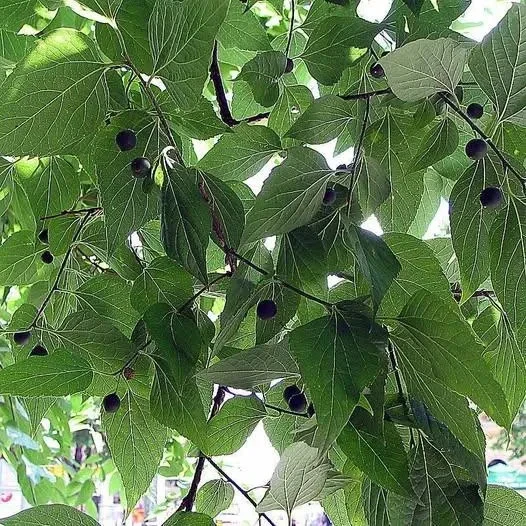
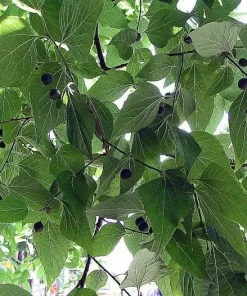
- Attracts Wildlife: The small, purplish-red berries produced by the Hackberry are a vital food source for many bird species, including cedar waxwings and robins, especially in fall and winter. Its leaves also host several butterfly and moth larvae, making it a true wildlife friendly tree.
- Drought & Pollution Tolerant: This resilient tree thrives in a wide range of conditions, tolerating both drought and urban pollution better than many other species. This makes the celtis occidentalis plant an excellent choice for challenging environments.
- Low Maintenance: Once established, the Hackberry requires minimal care, making it an ideal choice for busy gardeners. It’s generally resistant to most pests and diseases, simplifying its long-term upkeep.
- Unique Ornamental Features: With its distinctive corky, warty bark and graceful, somewhat weeping branches, the hackberry live tree offers unique visual interest throughout the year, adding character to your landscape.
- Adapts to Various Soils: From sandy to clay, and wet to dry, the Hackberry adapts to a broad spectrum of soil conditions, showcasing its incredible versatility and hardiness.
- Seasonal Interest: Enjoy vibrant green foliage in spring and summer, followed by soft yellow hues in the fall, and the intriguing bark texture in winter, providing year-round appeal.
Plant Care & Growing Tips
Caring for your hackberry live tree is straightforward, thanks to its inherent hardiness and adaptability. To ensure your celtis occidentalis plant thrives, understanding its basic needs for sunlight, water, and soil is crucial. Hackberry trees prefer a location with full sun, meaning at least six hours of direct sunlight per day. While they can tolerate partial shade, full sun promotes the best growth and berry production. When planting, choose a site that allows for its mature size, as Hackberries can grow quite large. Ensure good air circulation around the tree to prevent fungal issues.
Watering is important during the tree’s establishment phase. For the first year or two after planting, water regularly to keep the soil consistently moist but not waterlogged. Deep watering once or twice a week, depending on rainfall and temperature, is more effective than frequent shallow watering. Once established, this native shade tree is remarkably drought-tolerant and will generally only need supplemental watering during prolonged dry spells. As for soil, Hackberries are highly adaptable and will grow in a wide range of soil types, from sandy to heavy clay, and across various pH levels. However, they prefer well-draining soil. Fertilization is typically not necessary for established trees unless soil tests indicate a deficiency. For young trees, a balanced, slow-release fertilizer in early spring can encourage healthy growth. Pruning should focus on removing dead, damaged, or crossing branches to maintain a strong structure and improve air circulation. The hackberry tree care routine is minimal, making it an excellent choice for both novice and experienced gardeners.
Size & Details
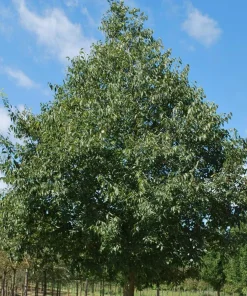
This offering is for one vigorous hackberry live tree, presented in a 4-inch nursery pot, and standing between 12 and 24 inches tall at the time of shipment. This size is ideal for successful transplanting and rapid establishment in your garden. The Hackberry (Celtis occidentalis) is a medium to large deciduous tree, known for its relatively fast growth rate. In optimal conditions, it can grow 1-2 feet per year, eventually reaching a mature height of 40-60 feet with a spread of 30-50 feet, creating a magnificent native shade tree.
The tree is shipped as a live, actively growing plant, carefully packaged to ensure its health upon arrival. Expect its distinctive corky bark to develop with age, along with the characteristic small, round, and slightly sweet berries that are a favorite of many bird species. This wildlife friendly tree will begin to produce berries once it reaches a certain maturity, typically within 5-10 years. It is a long-lived species, often gracing landscapes for over 100 years, providing generations with shade and beauty. Planting this celtis occidentalis plant is an investment in your landscape’s future.
Frequently Asked Questions
- Q: How big does this plant get? A: This hackberry live tree is currently 12-24 inches tall. At maturity, a Hackberry tree can reach heights of 40-60 feet with a spread of 30-50 feet, providing substantial shade and a grand presence in your landscape.
- Q: Is this an indoor or outdoor plant? A: The hackberry live tree is an outdoor plant. It is a deciduous tree native to North America and requires outdoor conditions to thrive, offering excellent shade and wildlife benefits.
- Q: How much sunlight does it need? A: A hackberry live tree thrives in full sun, meaning it needs at least 6 hours of direct sunlight per day. While it can tolerate partial shade, full sun exposure is best for optimal growth and health of this native shade tree.
- Q: Is this plant easy to care for? A: Yes, the Hackberry is known for being a very low-maintenance and resilient tree. Once established, it is highly tolerant of various conditions, making hackberry tree care relatively easy for gardeners of all experience levels.
- Q: What condition will it arrive in? A: Your celtis occidentalis plant will arrive as a live, healthy tree in a 4-inch nursery pot, carefully packaged to protect it during transit. We take great care to ensure it reaches you in excellent condition ready for planting.
- Q: When is the best time to plant a Hackberry tree? A: The best time to plant a hackberry live tree is in the spring or fall when temperatures are moderate. This allows the tree to establish its root system before the stress of extreme summer heat or winter cold.
- Q: Will it survive winter in my zone? A: The Hackberry (Celtis occidentalis) is incredibly hardy and typically thrives in USDA Hardiness Zones 3-9. It is well-adapted to cold winters and hot summers within this range, making it a reliable wildlife friendly tree for many regions.
- Q: What kind of soil does a Hackberry prefer? A: Hackberry trees are highly adaptable and can grow in a wide range of soil types, including sandy, loamy, or clay soils, and varying pH levels. However, they prefer well-draining soil for optimal growth.
- Q: How quickly does it grow? A: The hackberry live tree has a moderate to fast growth rate, typically adding 1 to 2 feet in height per year under ideal growing conditions. This allows it to quickly establish itself and provide shade.
- Q: Does this tree produce fruit? A: Yes, the Hackberry tree produces small, dark purple, berry-like fruits in the fall. These fruits are edible for humans, though not commonly consumed, and are a significant food source for birds and other wildlife, further enhancing its appeal as a wildlife friendly tree.
Be the first to review “Hackberry Live Tree (Celtis occidentalis) Native Shade Tree, 12-24″ Tall, 4″ Pot, Outdoor”
People Also Viewed
Reviews
There are no reviews yet.