
10 Red Japanese Pine Tree Seeds – Pinus Densiflora Evergreen Outdoor
Original price was: $36.99.$16.99Current price is: $16.99.
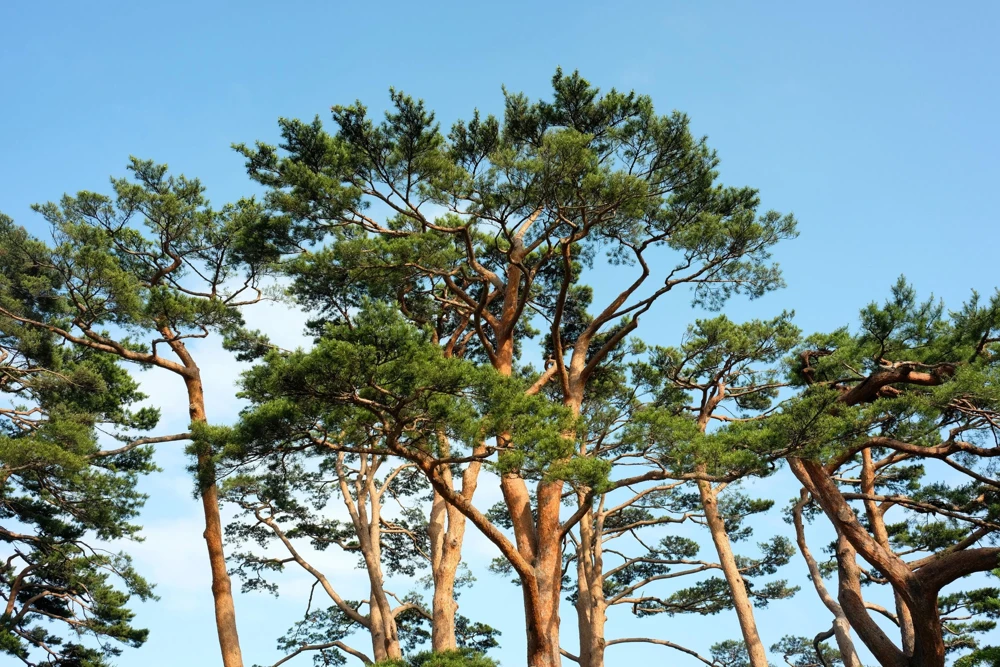
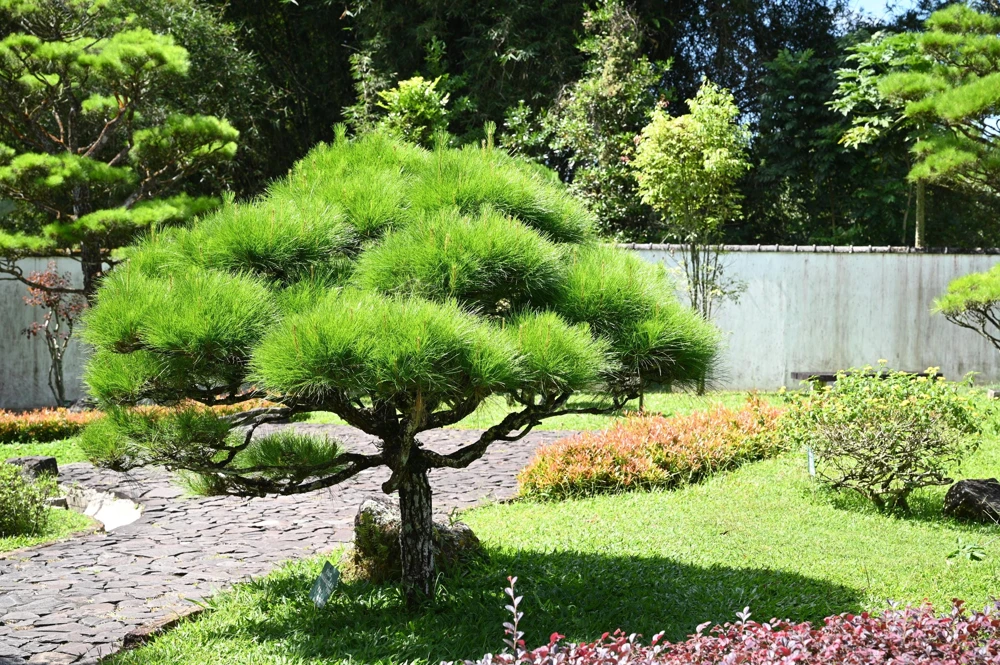
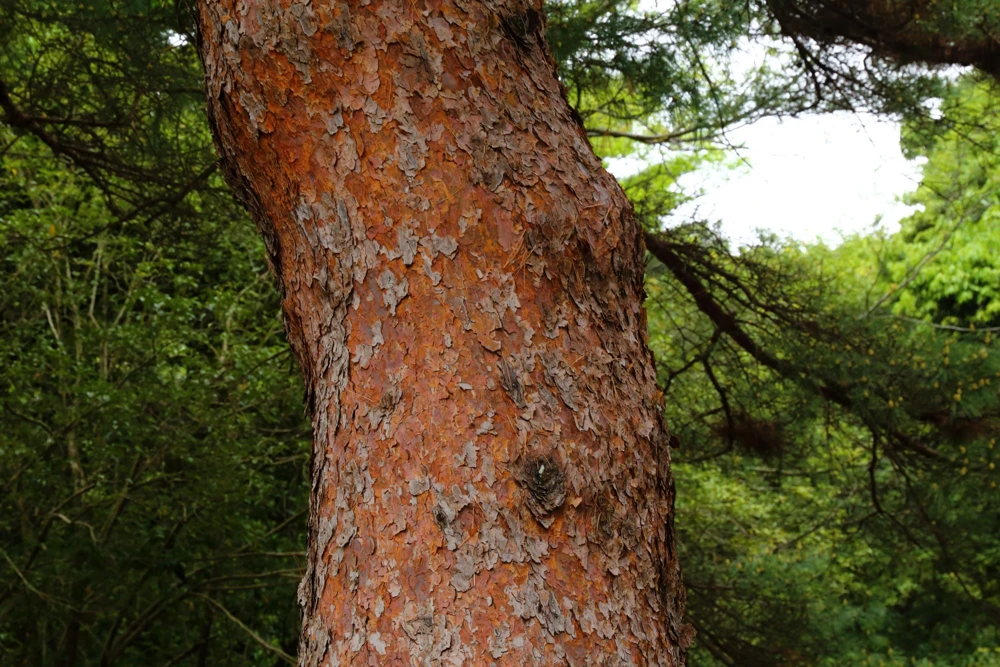
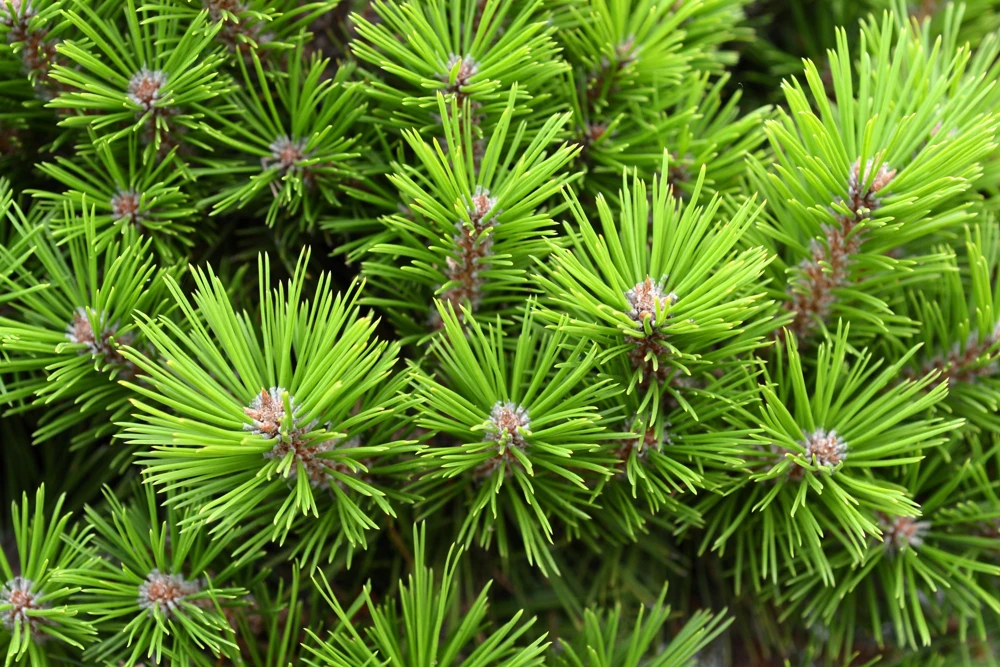
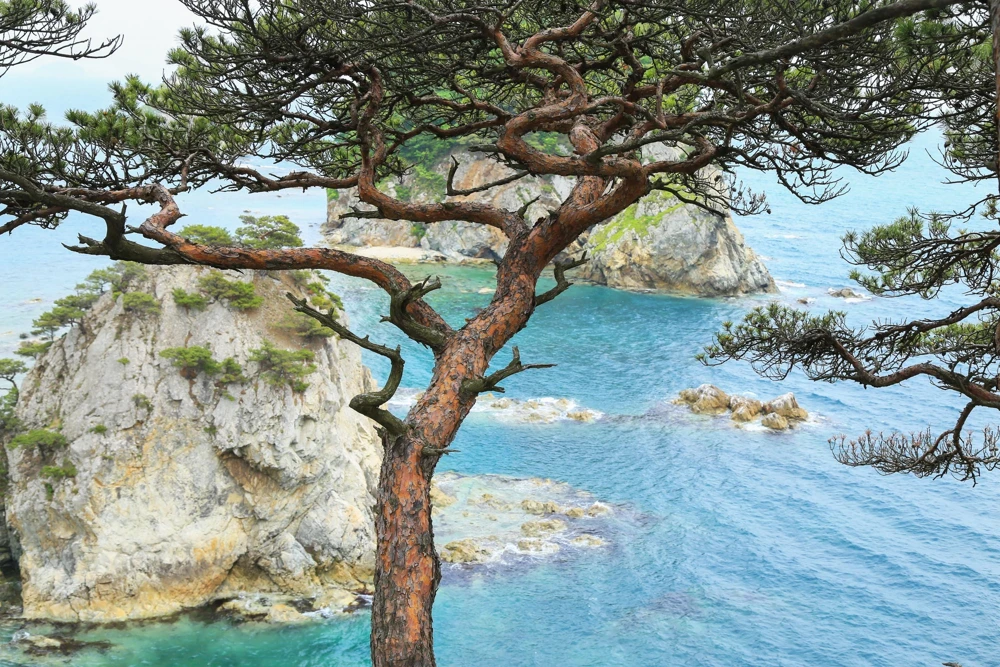
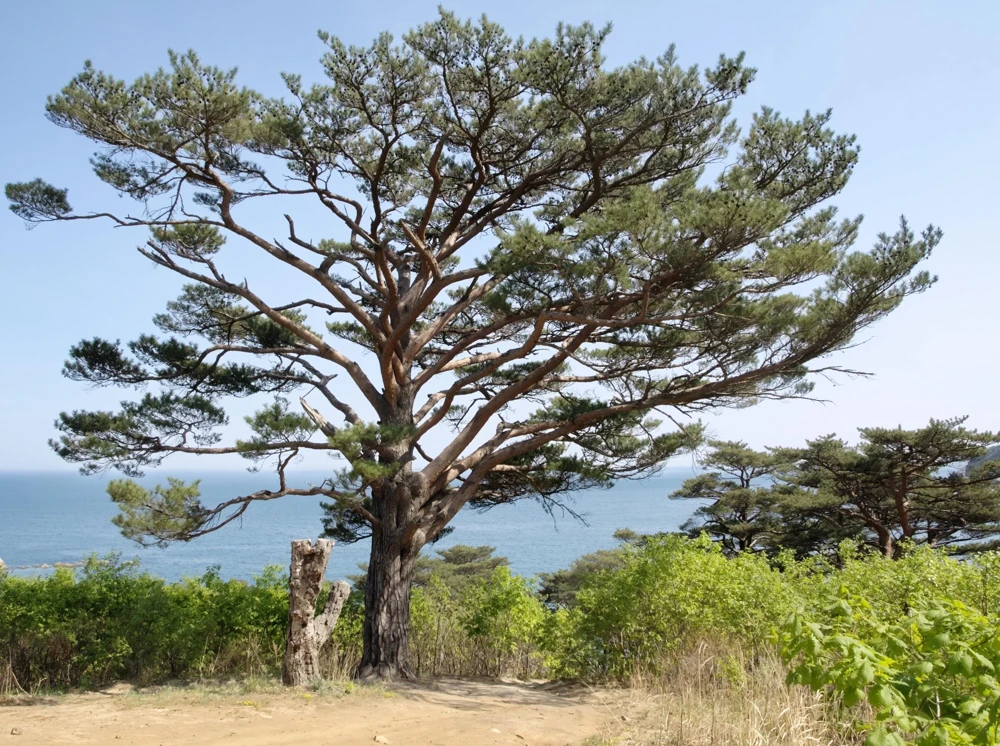
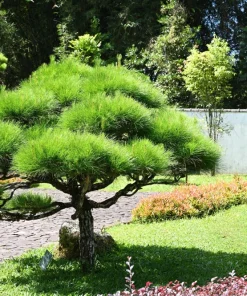
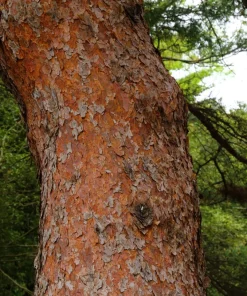
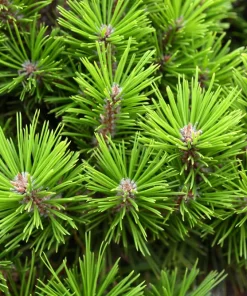
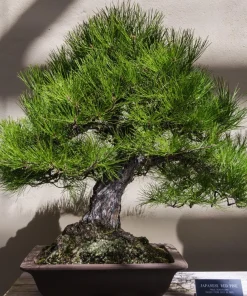
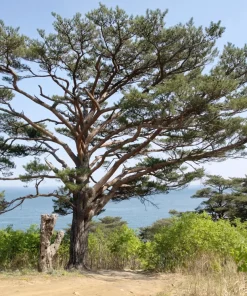
Cultivate the distinctive Red Japanese Pine (Pinus Densiflora) in your garden. These Pinus Densiflora seeds are ideal for creating an ornamental evergreen tree or a stunning bonsai specimen, known for its reddish bark and vibrant green needles.
Estimated arrival
Sep 14
Sep 19 - Sep 21
Sep 24 - Sep 28
Shop With Confidence
30-Day Plant Health Guarantee
Arrives damaged? We’ll replace it free — see our return policy.
Responsive Support
Email us anytime, we reply within 1 business day.
Expert Packaging
Temperature-controlled shipping to protect your plants in transit.
Secure Checkout
Pay safely with Visa, Mastercard, PayPal.
Plant Specifications
-
USDA Hardiness Zone
3-7 (reports up to 9) -
Soil Type
Average, well-draining soil -
Sunlight Exposure
Sun - Part Shade -
Expected Planting Period
Outdoors after frost / Indoors weeks before last frost (after cold stratification)
Overview
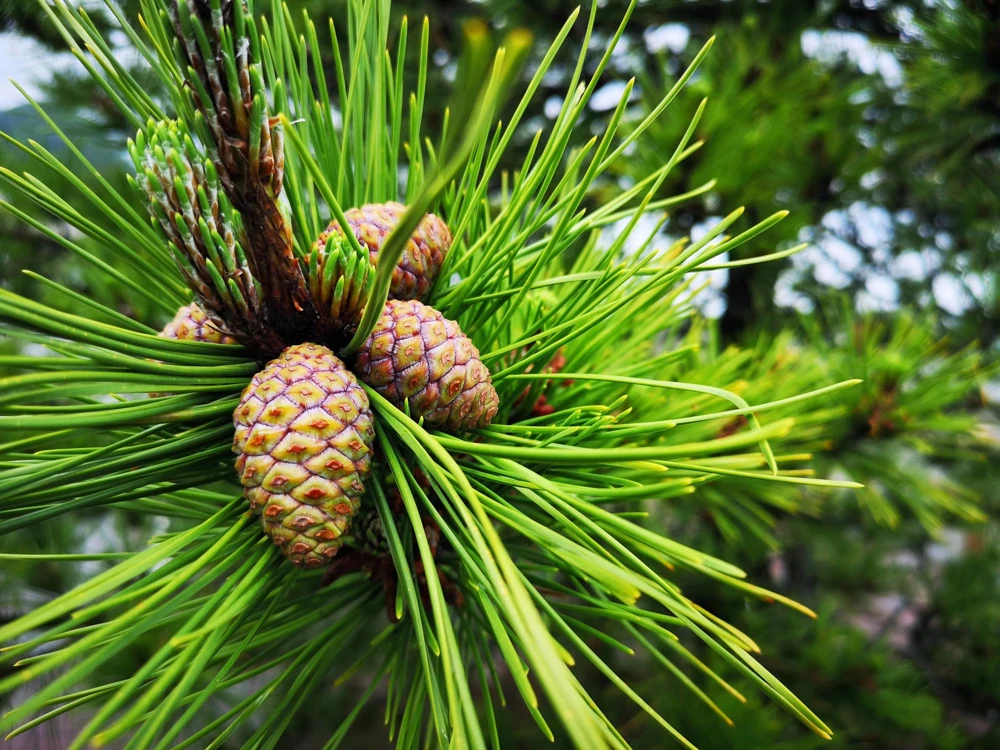
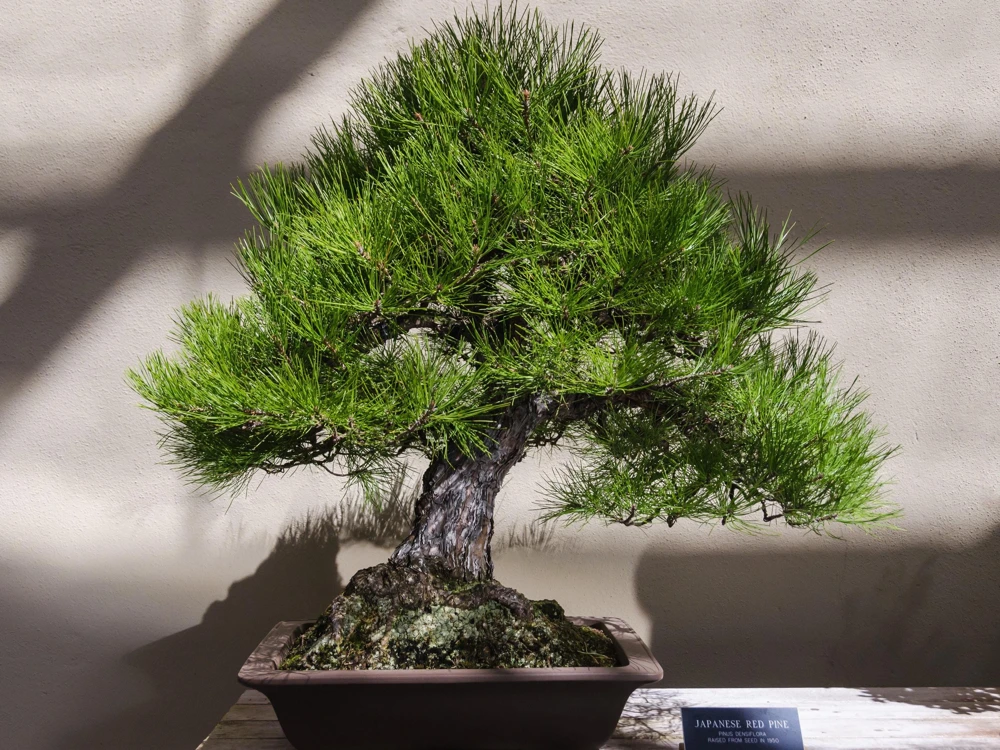
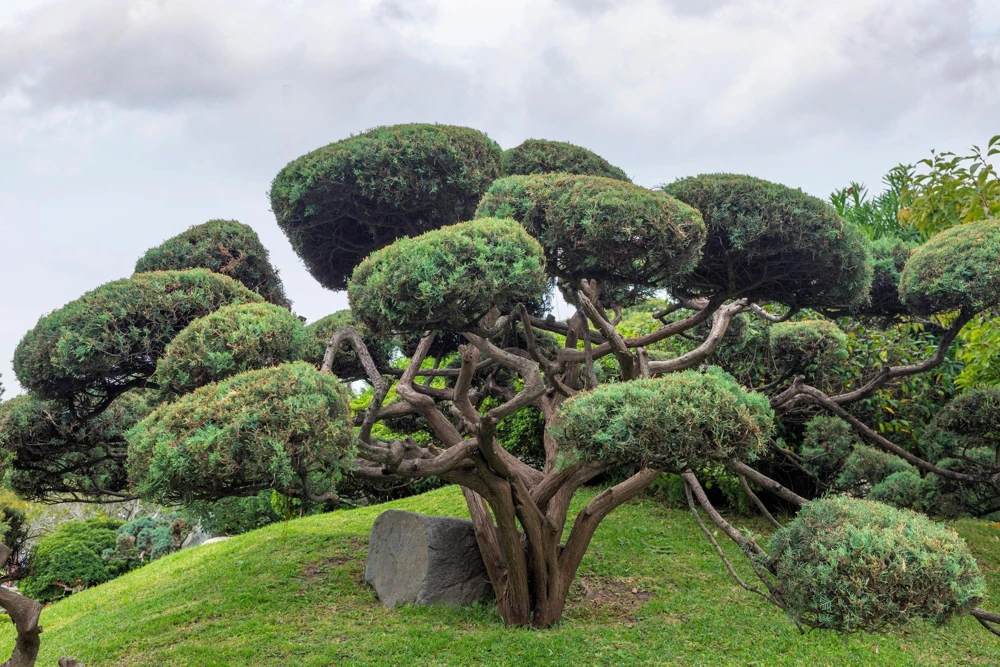
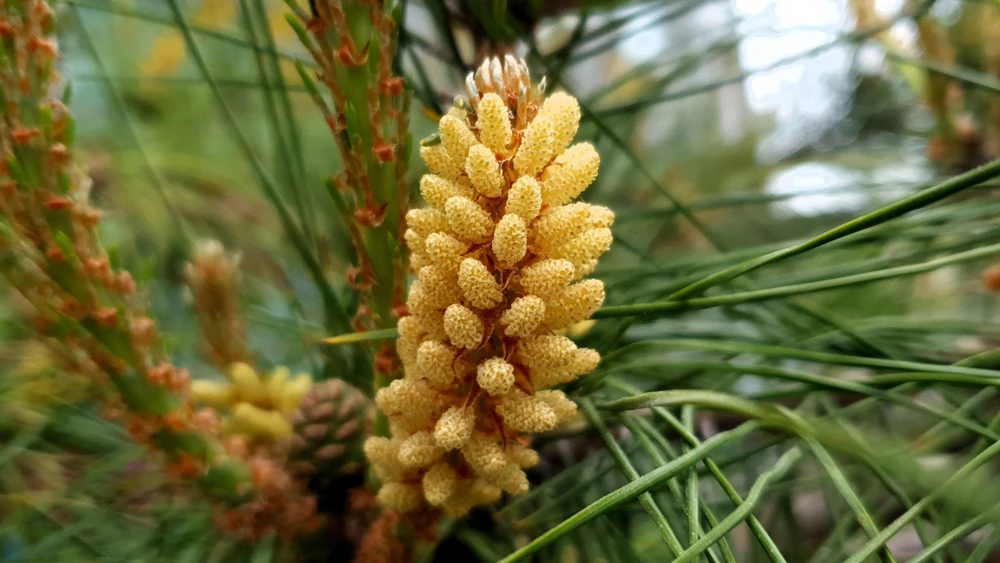
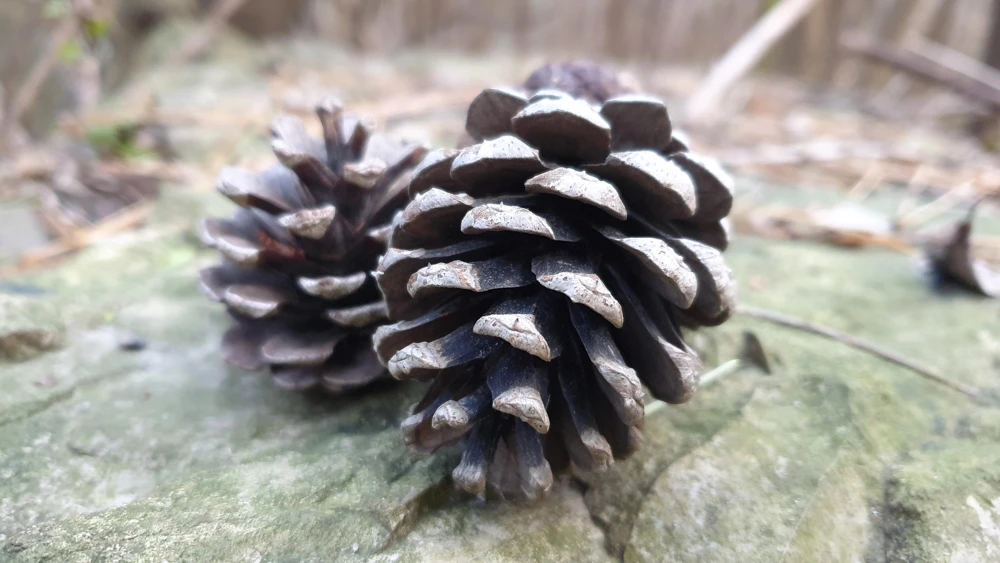
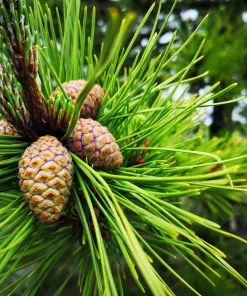
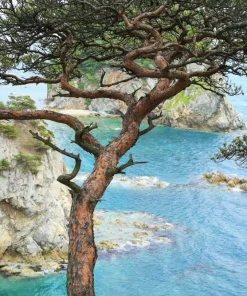
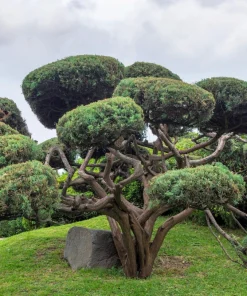
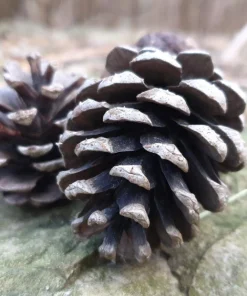
Embark on a rewarding gardening journey with Red Japanese Pine seeds. Also known as Korean Red Pine or Pinus Densiflora seeds, these offer the opportunity to cultivate a beautiful and resilient evergreen tree. Native to Japan and surrounding regions, the Red Japanese Pine is highly prized for its ornamental value in gardens, often featuring an attractive multi-trunked form and distinctive reddish bark. While capable of reaching impressive heights in nature, these trees typically grow to a more manageable size in domestic settings, making them versatile additions to various landscapes. Their relatively slow growth rate, approximately one foot per year, also makes them an excellent choice for those interested in creating magnificent bonsai specimens. The soft needles and small pinecones add to their charm, providing year-round visual interest and a serene presence in any outdoor space.
Growing a Red Japanese Pine from seed is a fulfilling project for gardeners of all experience levels. These seeds provide the genetic potential for a robust and long-lived tree that can become a focal point in your garden design. Whether you envision a towering landscape tree or a meticulously shaped bonsai, the Pinus Densiflora offers adaptability and timeless beauty. This evergreen conifer is not only aesthetically pleasing but also contributes to the biodiversity of your garden, attracting local wildlife with its cones. Discover the joy of nurturing a tree from its very beginning with these premium quality seeds.
Key Benefits
The Red Japanese Pine offers numerous advantages to any garden or landscape. Cultivating this elegant conifer from Red Japanese Pine seeds provides a unique opportunity to enhance your outdoor environment with its distinctive features and enduring appeal.
- Stunning Ornamental Value: The striking reddish bark, bright green needles, and often multi-trunked form create a captivating visual display throughout the year. It serves as an excellent focal point in any garden design.
- Evergreen Beauty: As an evergreen, the Red Japanese Pine maintains its vibrant foliage even during the colder months, providing continuous color and structure when many other plants are dormant.
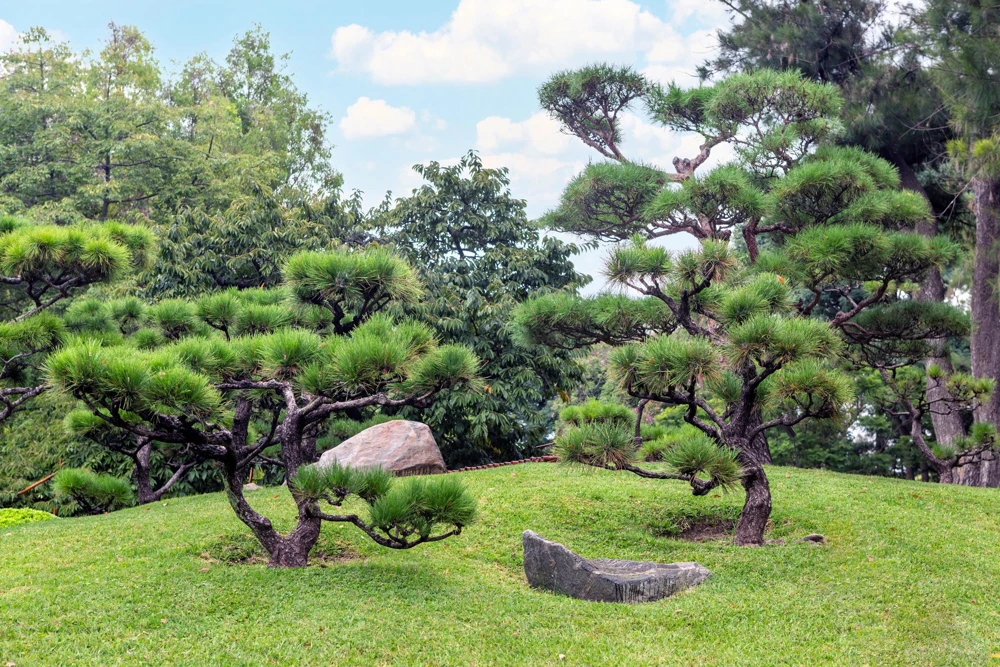
- Bonsai Potential: Its relatively slow growth rate and adaptability to pruning make it an exceptional candidate for bonsai cultivation, allowing enthusiasts to create living works of art with these Pinus Densiflora seeds.
- Hardy and Adaptable: Thriving in USDA Zones 3-7 (with reports up to Zone 9), this pine demonstrates good resilience to various climates and average soil conditions, making it suitable for a wide range of gardeners.
- Low Maintenance: Once established, the Red Japanese Pine is generally a low-maintenance tree, requiring minimal intervention beyond occasional pruning for shape or health.
- Wildlife Attraction: The small pinecones produced by the tree can provide a food source for local birds and other small wildlife, contributing to the ecological balance of your garden.
- Medicinal Properties: Historically, pine needle oil from Pinus Densiflora has been recognized for potential medicinal properties, adding another layer of interest to this remarkable species.
Plant Care & Growing Tips
Successfully growing Red Japanese Pine seeds into thriving trees requires understanding their specific needs, particularly concerning climate and soil. The Red Japanese Pine (Pinus Densiflora) prefers a location that receives full sun to part shade. For optimal growth and health, aim for at least 6 hours of direct sunlight per day, especially in cooler climates. In hotter regions, some afternoon shade can protect the young seedlings from scorching. These trees are hardy in USDA Zones 3-7, with some reports of successful growth up to Zone 9, indicating a good tolerance to a range of temperatures. Protection from harsh winter winds may be beneficial for very young plants in the colder end of its hardiness range.
When it comes to soil, the Red Japanese Pine is quite adaptable, preferring average, well-draining soil. Avoid heavy, waterlogged soils, as pines are susceptible to root rot. If your soil is heavy clay, consider amending it with organic matter like compost or sand to improve drainage. While established trees are somewhat drought-tolerant, young seedlings from Pinus Densiflora seeds will need consistent moisture. Keep the soil evenly moist but not saturated, especially during dry spells. Fertilization is generally not heavily required; a balanced, slow-release fertilizer can be applied in spring to young trees if growth appears sluggish. Pests and diseases are usually not a major concern, but monitor for common pine issues like pine sawflies or needle cast, and address them promptly with appropriate organic or chemical treatments if necessary. Proper air circulation also helps prevent fungal diseases.
For planting, cold stratification is beneficial for Red Japanese Pine seeds to break dormancy and encourage germination. This typically involves refrigerating the seeds in a moist medium for several weeks. Once stratified, seeds can be sown outdoors after the last frost or started indoors several weeks before the last frost. Ensure adequate spacing, as mature trees can spread up to 20-40 feet. Regular watering and protection from weeds during the seedling stage are crucial for strong establishment. With proper care, your Red Japanese Pine will develop into a majestic and long-lasting feature of your landscape.
Size & Details
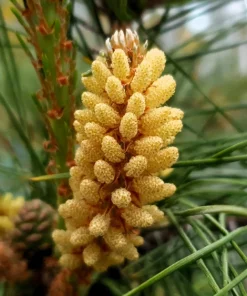
This offering includes 10 Red Japanese Pine seeds (Pinus Densiflora), providing a solid foundation for starting your own collection of these distinctive evergreen trees. When mature, the Red Japanese Pine can reach an impressive height of 40 feet or more in cultivated landscapes, and even up to 100 feet in its natural habitat. However, domestically, they often grow much smaller, especially when pruned or cultivated as bonsai. The growth rate is moderate, typically around one foot per year, allowing for careful shaping and management over time. Each seed carries the potential for a tree that will develop soft needles and produce small, attractive pinecones.
The seeds are provided ready for planting, though cold stratification is recommended to optimize germination rates. They are suitable for growing outdoors in USDA Hardiness Zones 3-7, with some success reported in Zone 9. The mature tree will require a spacing of 20-40 feet to allow for its full spread and multi-trunked development. Whether you plan to grow a large specimen tree or a compact bonsai, these Pinus Densiflora seeds offer the genetic material for a resilient and beautiful conifer. The initial planting will involve sowing the small seeds, and with consistent care, they will gradually grow into the iconic Red Japanese Pine.
Frequently Asked Questions
- Q: How big does a Red Japanese Pine get? A: A Red Japanese Pine can grow over 40 feet tall in cultivation, and up to 100 feet in nature. However, with proper pruning and care, it can be kept smaller, especially when grown as a bonsai.
- Q: Is this an indoor or outdoor plant? A: The Red Japanese Pine is primarily an outdoor tree, suitable for landscaping. While young seedlings can be started indoors, they will need to be transplanted outside for long-term growth.
- Q: How much sunlight does the Red Japanese Pine need? A: This tree thrives in full sun to part shade, ideally receiving at least 6 hours of direct sunlight daily for robust growth. Adequate light is crucial for healthy development from Pinus Densiflora seeds.
- Q: Is this plant easy to care for? A: Once established, the Red Japanese Pine is relatively low-maintenance. The initial stages of growing from Red Japanese Pine seeds require consistent attention to watering and soil conditions, but mature trees are quite resilient.
- Q: What condition will the seeds arrive in? A: The seeds will arrive as 10 individual seeds, ready for planting. They will require cold stratification prior to sowing for best germination results.
- Q: When is the best time to plant Red Japanese Pine seeds? A: After cold stratification, you can plant Pinus Densiflora seeds outdoors after the last frost in spring, or start them indoors several weeks before the last frost.
- Q: What’s the minimum temperature this tree can tolerate? A: The Red Japanese Pine is hardy in USDA Zones 3-7, meaning it can tolerate winter temperatures down to approximately -40°F (-40°C). Some reports indicate it can also do well in Zone 9.
- Q: Can I use these seeds to grow a bonsai? A: Yes, the Red Japanese Pine is an excellent choice for bonsai cultivation due to its relatively slow growth rate and the ability to be shaped through pruning and wiring. Many enthusiasts specifically seek out bonsai pine seeds like these.
- Q: What kind of soil does the Red Japanese Pine prefer? A: It prefers average, well-draining soil. It is adaptable to various soil types but will not tolerate consistently wet or waterlogged conditions.
- Q: Do I need to stratify these Pinus Densiflora seeds? A: Yes, cold stratification is highly recommended for these Pinus Densiflora seeds to improve germination rates and mimic natural winter conditions.
Be the first to review “10 Red Japanese Pine Tree Seeds – Pinus Densiflora Evergreen Outdoor”
People Also Viewed

Flower Bulbs
Reviews
There are no reviews yet.