
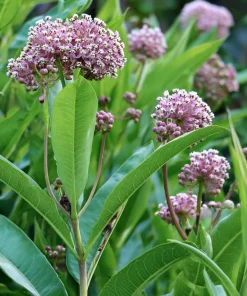
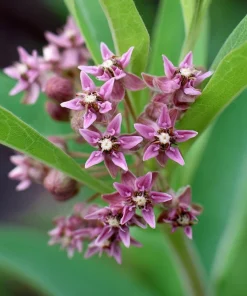
Common Milkweed Seeds – 50 Count – Native Pollinator Plant for Gardens
Original price was: $31.99.$11.99Current price is: $11.99.
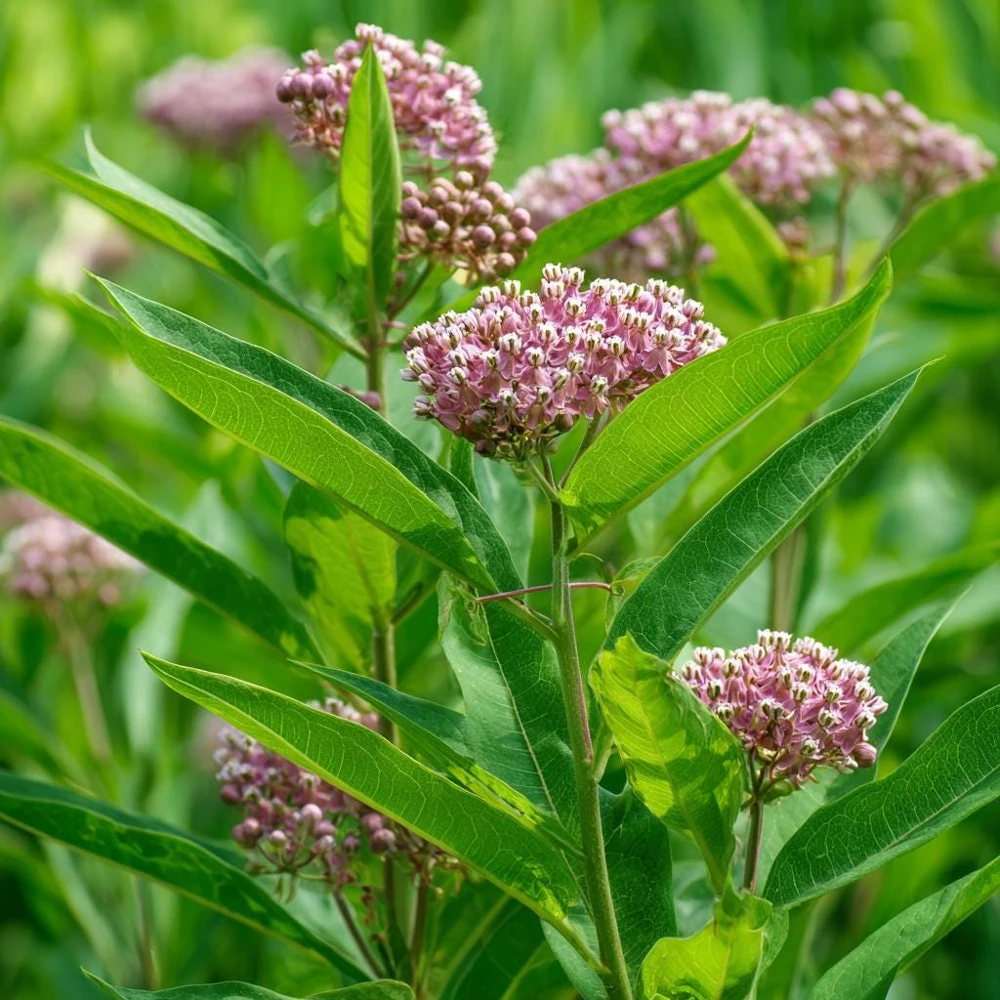
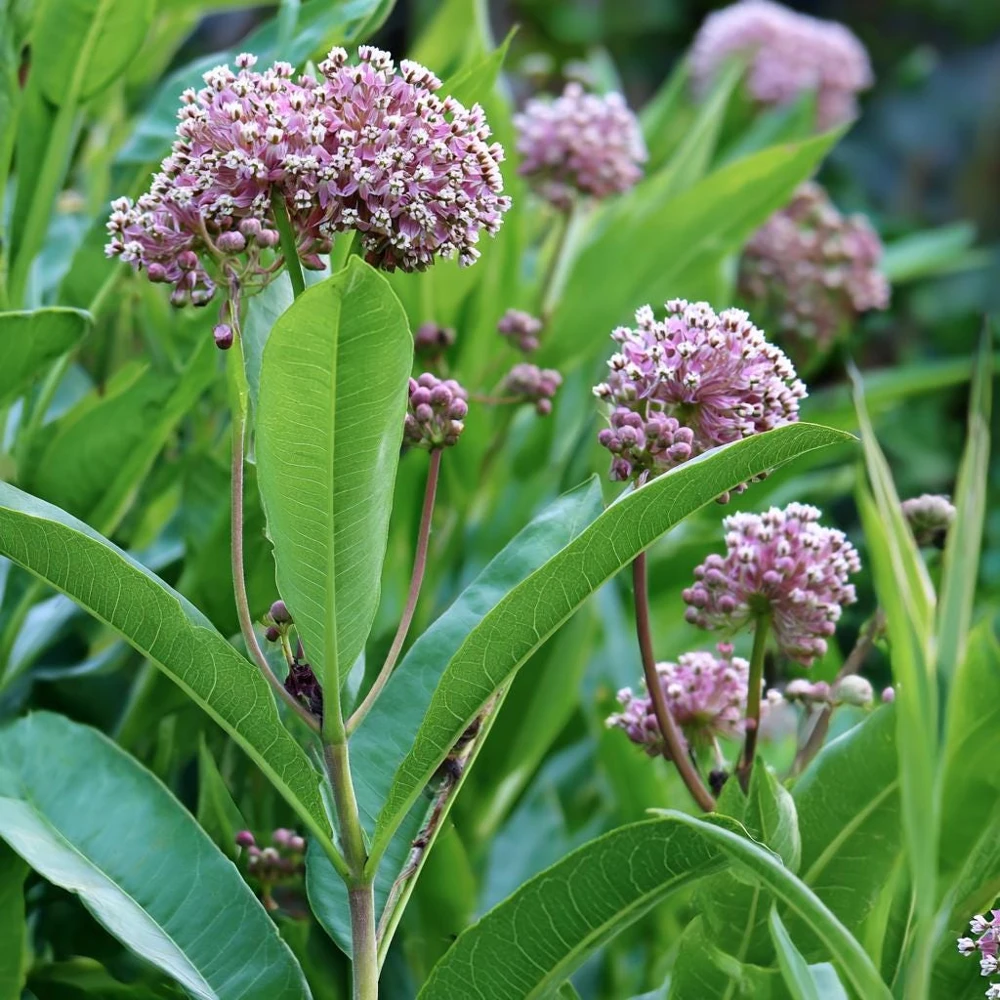
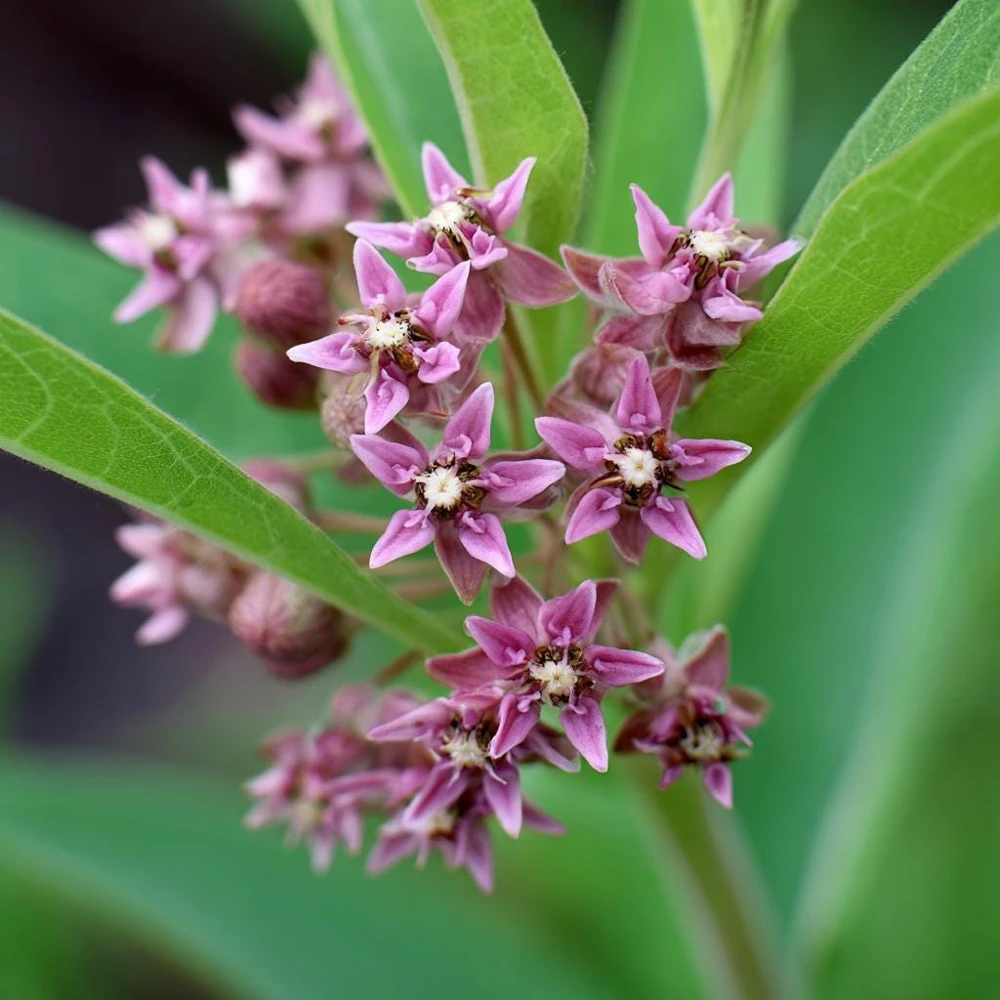
Cultivate a vibrant wildlife haven with common milkweed seeds. These native perennial seeds (Asclepias syriaca) produce beautiful pink-purple flowers, essential for supporting monarch butterflies and a wide range of other pollinators. Perfect for establishing a thriving native pollinator plant garden.
Estimated arrival
Oct 14
Oct 19 - Oct 21
Oct 24 - Oct 28
Shop With Confidence
30-Day Plant Health Guarantee
Arrives damaged? We’ll replace it free — see our return policy.
Responsive Support
Email us anytime, we reply within 1 business day.
Expert Packaging
Temperature-controlled shipping to protect your plants in transit.
Secure Checkout
Pay safely with Visa, Mastercard, PayPal.
Plant Specifications
-
USDA Hardiness Zone
USDA Zones 3-9 -
Soil Type
Well-drained, fertile soil -
Sunlight Exposure
Full sun -
Expected Planting Period
Spring after stratification
Overview
Transform your garden into a vital ecosystem with these high-quality common milkweed seeds. Each packet contains 50 seeds of Asclepias syriaca, a hardy native perennial renowned for its significant role in supporting local wildlife, especially monarch butterfly populations. This isn’t just any flower; it’s a cornerstone plant that provides essential nectar for bees and butterflies, and crucial host leaves for monarch caterpillars. Growing common milkweed seeds is a rewarding experience, contributing directly to biodiversity and the health of our natural environment. Ideal for a variety of landscapes from formal garden beds to naturalized meadows, this plant is a testament to nature’s resilience and beauty. By planting these seeds, you’re helping to create a sustainable habitat for precious pollinators.
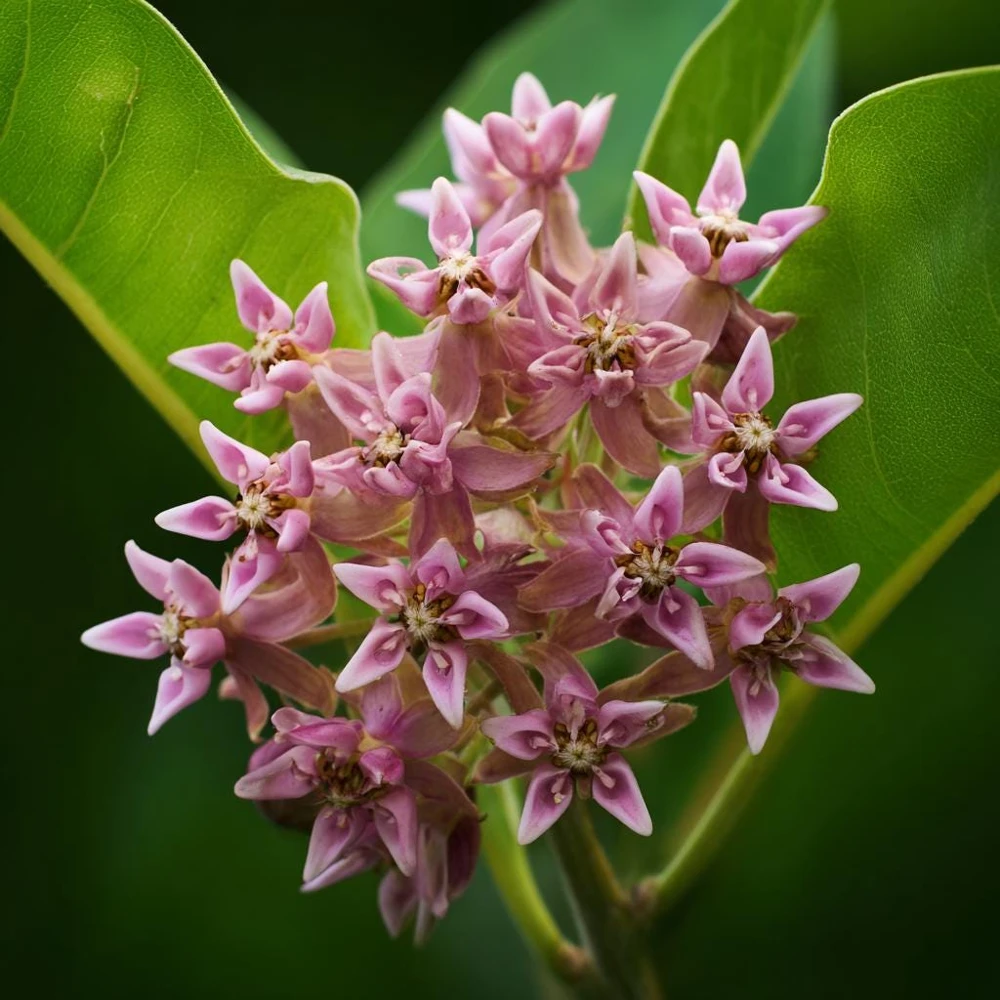
Originating from North America, Asclepias syriaca is celebrated for its fragrant, globe-like clusters of pink-purple flowers that bloom throughout the summer. Beyond its ecological importance, the plant offers aesthetic appeal with its robust growth and distinctive seed pods that burst open to release silky-tufted seeds in the fall. It’s a low-maintenance choice for gardeners looking to make an impact, requiring minimal care once established. Embrace the opportunity to cultivate a beautiful and functional garden that serves as a sanctuary for beneficial insects and birds. This native pollinator plant is an excellent addition to any garden aiming for ecological enrichment.
Key Benefits
Planting common milkweed seeds offers a multitude of benefits, both for your garden and the broader ecosystem. This resilient perennial is an excellent investment for any gardener passionate about wildlife and sustainable landscaping.
- Monarch Butterfly Host Plant: Common Milkweed is the sole food source for monarch butterfly caterpillars. By planting these asclepias syriaca seeds, you provide a critical habitat for the monarch life cycle, helping to conserve this iconic species.
- Attracts Diverse Pollinators: Beyond monarchs, the nectar-rich flowers attract a wide array of other pollinators, including various bee species, other butterflies, and beneficial insects, enhancing your garden’s biodiversity.
- Low Maintenance & Hardy: Once established, Common Milkweed is incredibly tough and drought-tolerant. It requires minimal care, making it perfect for busy gardeners or those new to native plant cultivation.
- Beautiful & Fragrant Blooms: Enjoy the sight and scent of its unique pink-purple flower clusters throughout the summer, adding visual interest and a pleasant aroma to your outdoor space.
- Supports Local Ecosystems: As a native pollinator plant, it integrates seamlessly into local ecosystems, providing food and shelter for various wildlife and contributing to ecological balance.
- Erosion Control: Its strong root system helps stabilize soil, making it valuable for areas prone to erosion, such as slopes or banks.
- Educational Value: Provides a fantastic opportunity to observe and learn about the life cycle of monarch butterflies and the importance of native plants, especially for children and students.
Plant Care & Growing Tips
Growing common milkweed seeds is straightforward, especially when following proper sowing and care instructions. This hardy perennial thrives in conditions that mimic its natural habitat. For best results, sow seeds outdoors after a period of cold stratification for 30-60 days; this mimics winter conditions and encourages germination. Alternatively, you can start seeds indoors 6-8 weeks before the last expected frost. Plant seeds approximately ¼ inch deep in well-drained soil, ensuring they have good contact with the earth. Germination typically occurs within 14-28 days, after which seedlings can be thinned to 12-18 inches apart to allow for optimal growth and flowering. Adequate spacing is crucial for healthy development and air circulation, preventing potential fungal issues.
Common Milkweed prefers full sun exposure, meaning it needs at least 6 hours of direct sunlight per day to flourish and produce abundant blooms. While it tolerates a variety of soil types, well-drained, fertile soil is ideal. During establishment, particularly in its first year, consistent watering is important, especially during dry spells. Once mature, however, it becomes highly drought-tolerant and requires minimal supplemental watering. Fertilization is generally not necessary, as this plant is adapted to less nutrient-rich soils; excessive fertilizer can sometimes reduce flowering. Deadhead spent flowers to encourage prolonged blooming and prevent self-seeding if you wish to control its spread. This resilient milkweed for gardens is largely pest and disease resistant, making it a truly low-maintenance choice for a sustainable garden.
To ensure your monarch butterfly plant thrives, consider its hardiness. It is well-suited for a wide range of climates and is quite cold-hardy. Protection from strong winds in exposed areas might be beneficial, particularly during its early growth stages. Remember that establishing a native plant takes a little patience, but the long-term benefits for your garden and local wildlife are immense. These asclepias syriaca seeds will develop into robust plants that return year after year, providing continuous support for pollinators.
Size & Details
This product includes 50 high-quality common milkweed seeds (Asclepias syriaca). When mature, Common Milkweed typically grows to a height of 3 to 6 feet (90-180 cm) with a spread of 2 to 3 feet (60-90 cm), forming sturdy, upright stems. The plants will develop fragrant pink-purple flower clusters, usually blooming from June through August, followed by distinctive seed pods in late summer and fall. These seeds will arrive in a protective packet, ready for planting. Once established, the plant has a moderate to fast growth rate, quickly becoming a prominent feature in your garden. The perennial nature of this native pollinator plant means it will return each year from its rootstock, providing a lasting contribution to your garden’s ecosystem.
These asclepias syriaca seeds are designed for outdoor planting, thriving in a range of environments from open fields to structured garden beds. The plant forms a strong taproot, making it resilient to drought once mature. Expect the first significant blooms in the second year after planting from seed, though some plants may flower modestly in their first season under optimal conditions. This monarch butterfly plant is a long-lived perennial, offering years of beauty and ecological benefit. Its robust nature makes it an excellent choice for naturalized areas, wildflower meadows, and dedicated pollinator gardens, providing crucial resources for various insects, including the beloved monarch butterfly.
Frequently Asked Questions
- Q: How big does this plant get? A: Common milkweed typically grows to a height of 3 to 6 feet (90-180 cm) with a spread of 2 to 3 feet (60-90 cm) when mature. Its robust size makes it a striking addition to any garden.
- Q: Is this an indoor or outdoor plant? A: Common Milkweed is primarily an outdoor plant, thriving in full sun and open garden settings. It is not suitable for indoor cultivation due to its size and specific light requirements.
- Q: How much sunlight does it need? A: This plant requires full sun exposure, which means at least 6 hours of direct sunlight per day, for optimal growth and flowering. It can tolerate partial sun but may have fewer blooms.
- Q: Is this plant easy to care for? A: Yes, once established, common milkweed is very low-maintenance and highly resilient. It is drought-tolerant and requires minimal fertilization, making it great for beginners and experienced gardeners alike.
- Q: What condition will the seeds arrive in? A: The common milkweed seeds will arrive in a protective packet, ensuring their viability and readiness for planting. They are dry and require stratification before sowing.
- Q: How long until it blooms? A: Typically, Common Milkweed plants grown from seed will begin to bloom significantly in their second year. Some may produce a few flowers in their first year under ideal conditions.
- Q: Will it survive winter in my zone? A: Common Milkweed is a very cold-hardy perennial, generally thriving in USDA Zones 3-9. It will die back to the ground in winter and re-emerge in spring.
- Q: Why is Common Milkweed important for butterflies? A: It is the exclusive host plant for monarch butterfly caterpillars, meaning monarch butterflies can only lay their eggs on milkweed, and their larvae can only feed on its leaves. It’s crucial for the monarch’s survival.
- Q: Can I use these seeds to create a monarch butterfly plant habitat? A: Absolutely! These asclepias syriaca seeds are perfect for establishing a habitat specifically designed to support monarch butterflies and other native pollinators in your garden.
- Q: What type of soil does milkweed for gardens prefer? A: While adaptable, Common Milkweed prefers well-drained, fertile soil. It can tolerate a range of soil conditions, including sandy and clay soils, as long as drainage is adequate.
Be the first to review “Common Milkweed Seeds – 50 Count – Native Pollinator Plant for Gardens”
People Also Viewed

Flower Seeds

Reviews
There are no reviews yet.