
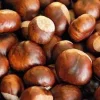

20 Dunstan Chestnut Tree Seeds – Blight Resistant American Hybrid
Original price was: $81.99.$56.99Current price is: $56.99.
Cultivate robust and resilient nut-bearing trees with these 20 Dunstan Chestnut tree seeds. A superior blight resistant chestnut, this American hybrid offers a sustainable food source and ecological restoration potential. Ideal for growers seeking a reliable and productive chestnut variety.
Estimated arrival
Sep 29
Oct 04 - Oct 06
Oct 09 - Oct 13
Shop With Confidence
30-Day Plant Health Guarantee
Arrives damaged? We’ll replace it free — see our return policy.
Responsive Support
Email us anytime, we reply within 1 business day.
Expert Packaging
Temperature-controlled shipping to protect your plants in transit.
Secure Checkout
Pay safely with Visa, Mastercard, PayPal.
Plant Specifications
-
USDA Hardiness Zone
USDA Zones 5-9 -
Soil Type
Well-draining, slightly acidic to neutral soil -
Sunlight Exposure
Full sun (6-8+ hours daily) -
Expected Planting Period
Early spring (after stratification)
Overview
Embark on a rewarding journey of growing your own nut-producing trees with these premium Dunstan Chestnut tree seeds. This offering includes 20 high-quality seeds of the renowned Dunstan Chestnut, an exceptional American hybrid known for its remarkable blight resistance. Unlike traditional American chestnuts that were devastated by chestnut blight, the Dunstan Chestnut combines the best traits of both American and Chinese chestnuts, resulting in a vigorous, productive tree that can thrive in various climates. These seeds provide an opportunity to cultivate a sustainable food source, support wildlife, and contribute to ecological restoration. Perfect for hobby gardeners, homesteaders, or anyone interested in permaculture, planting these seeds is an investment in future harvests and a greener environment.
The Dunstan Chestnut is highly regarded for its large, sweet nuts that are easy to peel, making them a favorite for both human consumption and wildlife. By choosing these American hybrid chestnut seeds, you are selecting a proven variety that offers both resilience and high yield. Prepare to witness the growth of magnificent trees from these small, yet powerful, seeds.
Key Benefits
Planting Dunstan Chestnut tree seeds offers a multitude of benefits, both for the environment and for future generations. These seeds are a gateway to establishing a sustainable and productive landscape.
- Blight Resistance: The primary advantage of the Dunstan Chestnut is its strong resistance to chestnut blight, a devastating disease that decimated native American chestnut populations. This resilience ensures a much higher success rate for your planted trees.
- High Yield & Quality Nuts: Once mature, these trees produce abundant crops of large, sweet, and flavorful nuts. These nuts are not only delicious for human consumption but also provide a vital food source for deer, turkeys, and other wildlife.
- Fast Growth Rate: Dunstan Chestnut trees are known for their relatively fast growth, allowing you to enjoy the benefits of mature trees sooner than many other nut-bearing species. This also means quicker establishment in your landscape.
- Ecological Restoration: By planting these blight resistant chestnut trees, you contribute to the re-establishment of a once prominent species in American forests, aiding in biodiversity and ecological balance.
- Sustainable Food Source: Growing your own chestnuts provides a renewable and sustainable source of nutritious nuts, reducing reliance on commercial agriculture and promoting self-sufficiency.
- Timber Value: Beyond their nut production, Dunstan Chestnuts also grow into beautiful, strong trees that can eventually provide valuable timber, adding long-term value to your property.
- Adaptability: These American hybrid chestnut trees are adaptable to a wide range of soil types and climates, making them suitable for many regions across the United States, further enhancing their appeal for various planting projects.
Plant Care & Growing Tips
Successful growing chestnut trees from seed requires patience and proper technique. Begin by stratifying your Dunstan Chestnut tree seeds to mimic winter conditions, which is crucial for germination. This typically involves placing the seeds in a moist medium (like peat moss or vermiculite) in a sealed bag in the refrigerator for 90-120 days at temperatures between 34-40°F (1-4°C). Ensure the medium remains consistently moist but not waterlogged to prevent rot. After stratification, plant the seeds outdoors in early spring once the danger of hard frost has passed.
Choose a planting site with full sun exposure, meaning at least 6-8 hours of direct sunlight daily. Dunstan Chestnuts prefer well-draining, slightly acidic to neutral soil (pH 5.5-6.5). Avoid heavy clay soils or areas where water tends to collect, as this can lead to root rot. When planting, sow the seeds about 1 inch deep and 6-12 inches apart if planting in a nursery bed, or 10-20 feet apart if planting directly in their permanent location. Protect young seedlings from rodents and deer, which are often attracted to the tender shoots. Consistent moisture is vital during the first few years of growth, especially during dry spells. Fertilize sparingly with a balanced, slow-release fertilizer if soil nutrients are low, but avoid over-fertilization which can harm young trees. Regular weeding around the base of the seedlings will reduce competition for water and nutrients, promoting healthy development of your future blight resistant chestnut orchard.
Size & Details
This package contains 20 Dunstan Chestnut tree seeds, ready for stratification and planting. Each seed has the potential to grow into a large, majestic tree, typically reaching heights of 30-50 feet with a spread of 20-30 feet at maturity, though some can grow even taller under ideal conditions. The growth rate is considered moderate to fast, with trees often beginning to produce nuts within 3-5 years after planting, depending on growing conditions and care. The nuts themselves are large, usually about 1 inch in diameter, and ripen in early to mid-fall. These seeds are carefully selected to ensure high viability for your chestnut seed planting project. They are shipped in a protective package to maintain their quality and readiness for stratification and subsequent growth into productive trees.
Frequently Asked Questions
- Q: How big do Dunstan Chestnut trees get? A: Dunstan Chestnut tree seeds can grow into mature trees typically reaching 30-50 feet tall with a spread of 20-30 feet. Some specimens may exceed these dimensions in optimal growing conditions.
- Q: Is this an indoor or outdoor plant? A: Dunstan Chestnut trees are outdoor plants. They require full sun and space to grow into large, productive nut trees, making them unsuitable for indoor cultivation.
- Q: How much sunlight does it need? A: These trees thrive in full sun, requiring at least 6-8 hours of direct sunlight per day for optimal growth and nut production.
- Q: Is this plant easy to care for? A: While initial stratification and protection of young seedlings require attention, established blight resistant chestnut trees are relatively low-maintenance once mature. They are a good choice for those willing to invest in initial care.
- Q: What condition will the seeds arrive in? A: The 20 Dunstan Chestnut tree seeds will arrive carefully packaged to ensure their viability, ready for your stratification process.
- Q: How long until it produces nuts? A: Dunstan Chestnut trees typically begin producing nuts within 3-5 years after planting from seed, with production increasing as the tree matures.
- Q: When is the best time to plant these seeds? A: After proper cold stratification, the best time for chestnut seed planting directly outdoors is in early spring, once the danger of hard frost has passed.
- Q: Will it survive winter in my zone? A: Dunstan Chestnut trees are generally hardy in USDA Zones 5-9, making them suitable for many regions with cold winters. Ensure your climate falls within this range for best results.
- Q: What is the recommended soil type for growing Dunstan Chestnuts? A: They prefer well-draining, slightly acidic to neutral soil (pH 5.5-6.5). Avoid heavy clay or waterlogged conditions, as good drainage is crucial for root health.
- Q: What makes this an American hybrid chestnut? A: The Dunstan Chestnut is an American hybrid chestnut developed by crossing native American chestnuts with blight-resistant Chinese chestnuts, combining the best traits of both species.
Be the first to review “20 Dunstan Chestnut Tree Seeds – Blight Resistant American Hybrid”
People Also Viewed
Reviews
There are no reviews yet.