

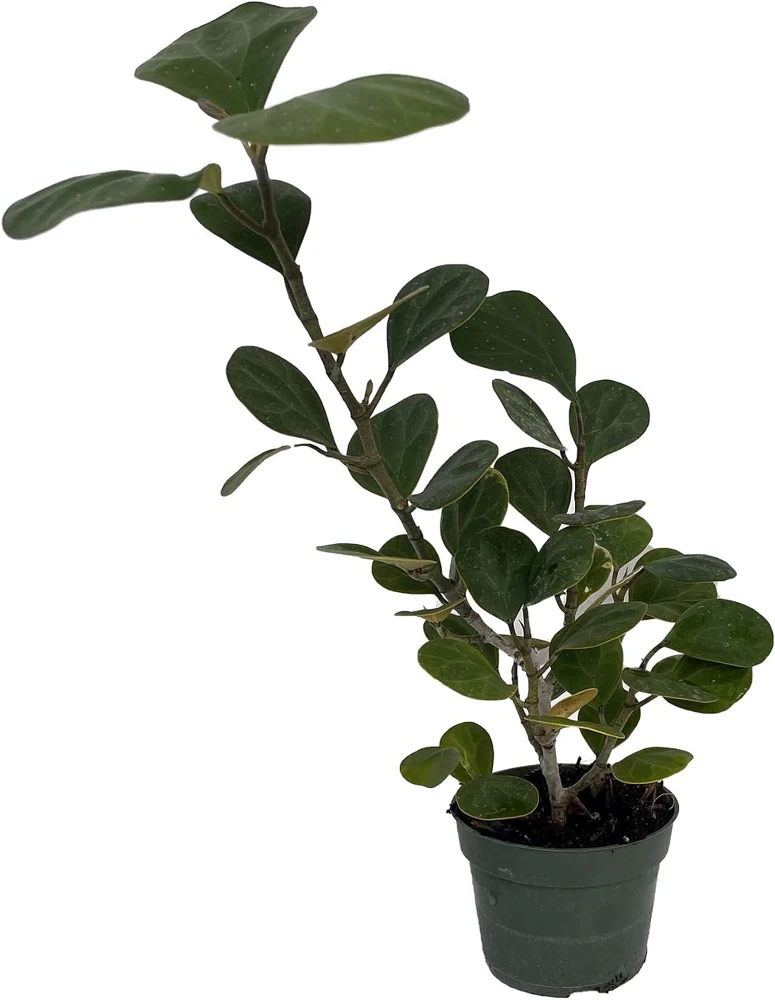

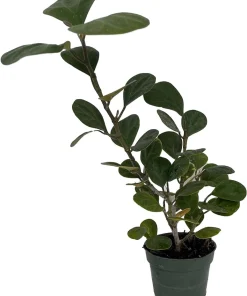

Mistletoe Fig Live Plant – Ficus deltoidea – Indoor Houseplant – 4 inch Pot
Original price was: $50.99.$40.99Current price is: $40.99.
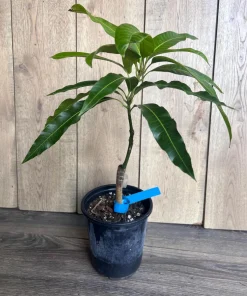
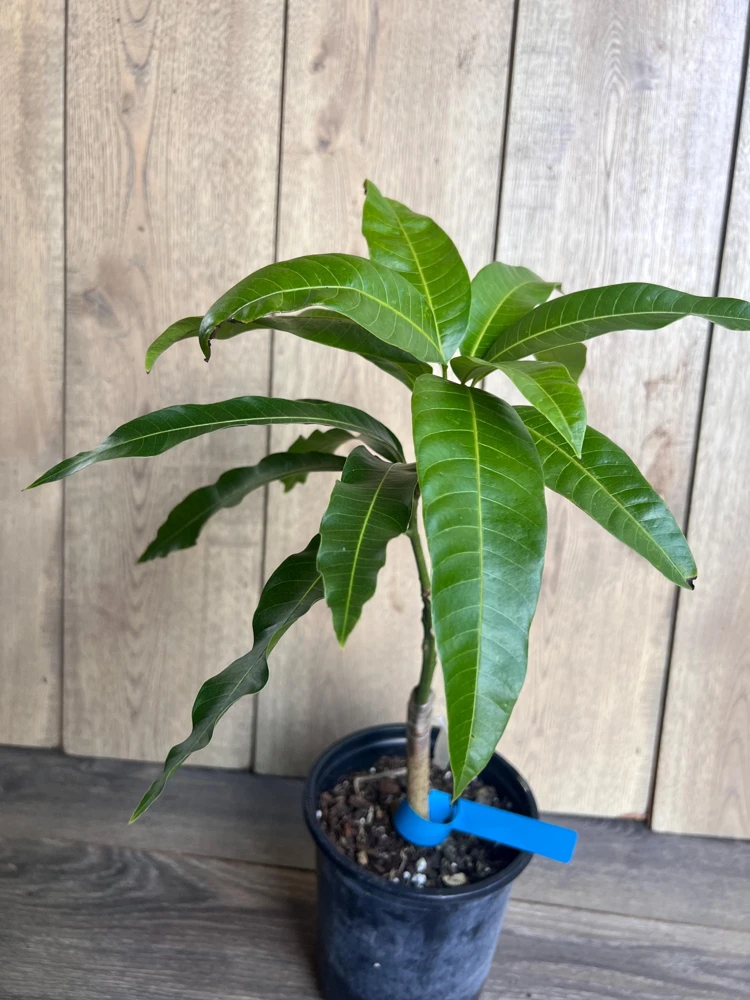
Bring home a unique mistletoe fig live plant (Ficus deltoidea) in a 4-inch pot. This charming indoor bonsai tree or houseplant boasts distinctive foliage and produces small, colorful, inedible fruits year-round, adding a touch of exotic beauty to any space. It’s a tough, durable plant that’s easy to care for.
Estimated arrival
Sep 29
Oct 04 - Oct 06
Oct 09 - Oct 13
Shop With Confidence
30-Day Plant Health Guarantee
Arrives damaged? We’ll replace it free — see our return policy.
Responsive Support
Email us anytime, we reply within 1 business day.
Expert Packaging
Temperature-controlled shipping to protect your plants in transit.
Secure Checkout
Pay safely with Visa, Mastercard, PayPal.
Plant Specifications
-
USDA Hardiness Zone
USDA zones 10-11 (indoors elsewhere) -
Soil Type
Well-draining potting mix -
Sunlight Exposure
Bright indirect light -
Expected Planting Period
Year-round indoors
Overview
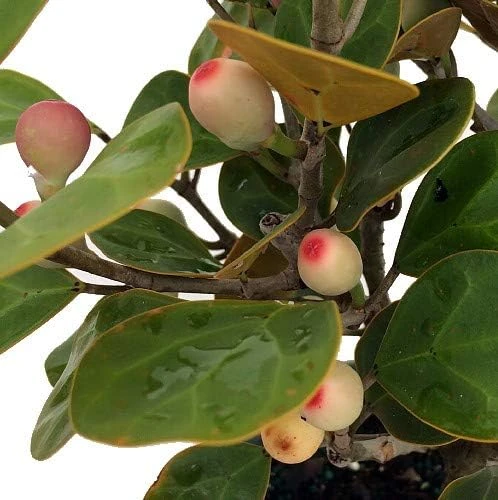
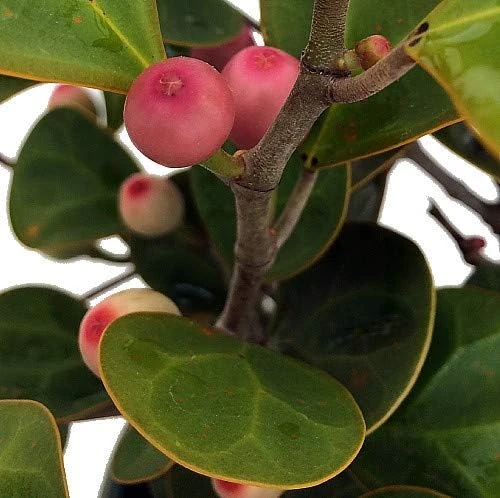
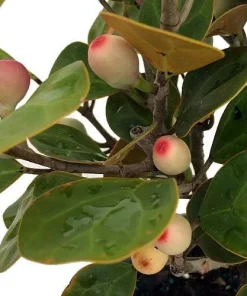
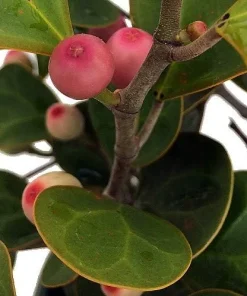
Introduce a touch of exotic charm to your indoor garden with the remarkable mistletoe fig live plant. Scientifically known as Ficus deltoidea, this slow-growing tree is native to the tropical regions of India, Asia, and Africa. Its common name, Mistletoe Fig, comes from the small, orange and red fruits it produces, which strikingly resemble mistletoe berries. This particular Ficus species is unique in its ability to produce fruit indoors, making it a fascinating addition to any collection. The mistletoe fig live plant features a slender gray trunk, topped with oval-shaped, leathery, bright green foliage. The leaves are adorned with tiny brown spots, further enhancing their distinctive appearance. As it matures, it often develops interesting aerial roots, adding to its appeal as an indoor bonsai tree or a captivating houseplant. The pea-sized figs, though inedible, offer year-round visual interest, transitioning from dull yellow to vibrant orange and red hues.
Key Benefits
The mistletoe fig live plant offers a multitude of benefits, making it a popular choice for plant enthusiasts and beginners alike. Its unique characteristics contribute to a vibrant and engaging indoor environment. Here are some of the key advantages of cultivating this distinctive plant:
- Unique Year-Round Fruiting: Enjoy the continuous display of small, colorful, inedible figs that transform from yellow to orange and red, providing visual interest throughout the year. This makes the ficus deltoidea plant a truly special houseplant.
- Distinctive Foliage: The bright green, leathery, oval leaves with tiny brown spots create a captivating texture and appearance, setting it apart from other indoor plants.
- Versatile Decor: Perfect as a standalone houseplant or an elegant indoor bonsai tree, its compact size and unique form fit well in homes, offices, dorms, or apartments.
- Low Maintenance & Durable: This tough and resilient plant responds well to normal houseplant care, making ficus deltoidea care relatively straightforward for all skill levels.
- Air Purifying Qualities: Like many Ficus varieties, it contributes to improved indoor air quality by filtering common airborne toxins, creating a healthier living space.
- Aesthetic Appeal: The combination of its slender trunk, aerial roots, and colorful ‘mistletoe’ fruits makes it a conversation starter and a beautiful focal point.
- Adaptable Growth: While slow-growing, its adaptability to indoor conditions ensures it thrives with consistent care, rewarding you with its unique beauty for years.
Plant Care & Growing Tips
Proper ficus deltoidea care is essential for ensuring your plant thrives and continues to produce its charming, colorful fruits. This plant prefers bright, indirect light. Place it near a window where it can receive ample light but is protected from harsh, direct afternoon sun, which can scorch its leaves. A north or east-facing window is often ideal. While it appreciates consistent moisture, overwatering can lead to root rot. Allow the top inch or two of the soil to dry out between waterings. Water thoroughly until water drains from the bottom of the pot, then discard any excess water. Reduce watering slightly during the cooler, darker winter months. The mistletoe fig live plant prefers a well-draining potting mix. A standard houseplant mix amended with some perlite or sand for improved drainage works well. Maintain consistent room temperatures, ideally between 65-80°F (18-27°C). Avoid sudden temperature fluctuations and cold drafts. This plant is not frost-tolerant, so it must be kept indoors in most climates. Fertilize every 2-4 weeks during the growing season (spring and summer) with a balanced liquid fertilizer diluted to half strength. Reduce or stop fertilizing during fall and winter. Common problems include leaf drop due to sudden environmental changes, overwatering, or underwatering. Ensure consistent care and light conditions to prevent stress. Pests like spider mites or mealybugs can occasionally be an issue; inspect your plant regularly and treat with insecticidal soap if necessary.
Size & Details
This mistletoe fig live plant is shipped in a 4-inch nursery pot, providing a healthy start for your new houseplant. At this size, it is already well-established and ready to be enjoyed as a compact indoor feature or the beginning of your indoor bonsai tree project. Typically, Ficus deltoidea grows slowly, reaching an average height of 1-3 feet when cultivated indoors, though it can be pruned and shaped to maintain a smaller size, especially for bonsai purposes. Its spread is generally proportionate to its height, creating a bushy, upright form. The plant will arrive carefully packaged to ensure its health during transit. With proper ficus deltoidea care, you can expect it to continue its slow, steady growth, developing more of its characteristic foliage and aerial roots over time, and consistently producing its unique, pea-sized figs throughout the year.
Frequently Asked Questions
- Q: How big does this mistletoe fig live plant get? A: When grown indoors, the mistletoe fig live plant typically reaches a height of 1 to 3 feet. Its growth can be managed with pruning, making it suitable for both houseplants and bonsai.
- Q: What size pot does it come in? A: The plant you will receive comes in a convenient 4-inch nursery pot, providing a good base for its initial growth and easy transplanting if desired.
- Q: Is this an indoor or outdoor plant? A: The mistletoe fig live plant is primarily an indoor houseplant, especially in temperate climates, as it is sensitive to cold and frost. It can be moved outdoors in warm, humid conditions during summer but must be brought inside before temperatures drop.
- Q: How much sunlight does it need? A: This plant thrives in bright, indirect light. Avoid direct, harsh afternoon sun, which can damage its leaves. An east or north-facing window is often ideal for optimal ficus deltoidea care.
- Q: Is this plant easy to care for? Is it good for beginners? A: Yes, the mistletoe fig live plant is considered relatively easy to care for and is quite durable, making it an excellent choice for beginners and those new to growing an indoor bonsai tree. Consistent watering and light are key.
- Q: What condition will it arrive in? Is it shipped in soil? A: Your plant will arrive healthy and well-packaged, rooted in its 4-inch nursery pot with soil, ready for you to place in your home. We take great care in ensuring safe transit.
- Q: Are the fruits of the mistletoe fig edible? A: No, the small, colorful figs produced by the mistletoe fig live plant are inedible. They are grown purely for their ornamental value and unique appearance.
- Q: How often should I water my Ficus deltoidea? A: Water when the top 1-2 inches of soil feel dry to the touch. It’s better to slightly underwater than overwater, as excessive moisture can lead to root issues.
- Q: Does this plant require high humidity? A: While not strictly required, the ficus deltoidea plant appreciates moderate to high humidity, similar to its tropical origins. You can mist the leaves occasionally or place it near a humidifier.
- Q: Will it survive winter in my zone? A: As a tropical plant, the mistletoe fig live plant will not survive freezing temperatures. It must be kept indoors in a warm environment during winter months in most USDA zones outside of tropical regions.
Be the first to review “Mistletoe Fig Live Plant – Ficus deltoidea – Indoor Houseplant – 4 inch Pot”
People Also Viewed

Flower Bulbs


Reviews
There are no reviews yet.