
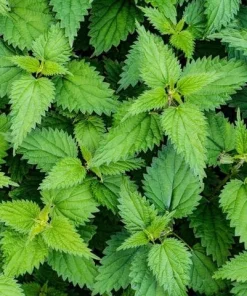
5 Organic Stinging Nettle Bare Roots – Urtica dioica – Live Plant Transplants
Original price was: $67.99.$42.99Current price is: $42.99.
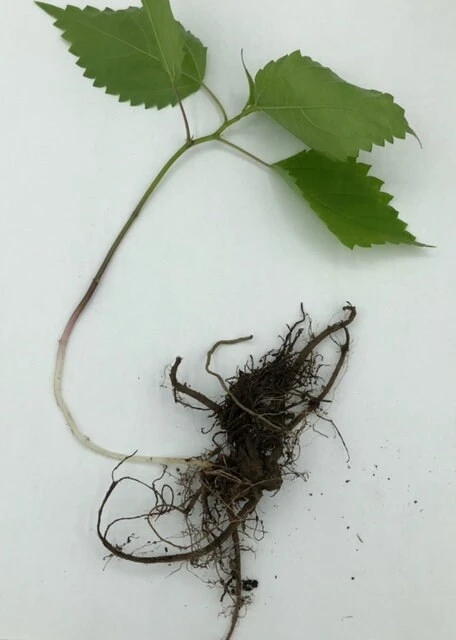
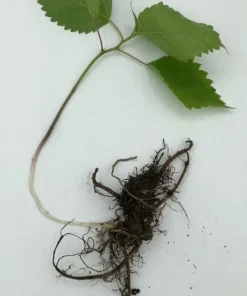
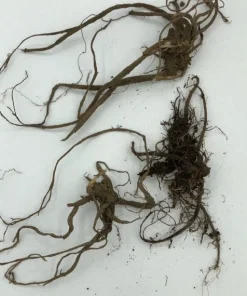
Receive 5 stinging nettle bare roots (Urtica dioica) ready for transplanting. These organically grown roots are perfect for establishing a thriving patch of this beneficial herb in your garden. Easy to plant and care for, they offer a natural addition to your landscape.
Estimated arrival
Sep 29
Oct 04 - Oct 06
Oct 09 - Oct 13
Shop With Confidence
30-Day Plant Health Guarantee
Arrives damaged? We’ll replace it free — see our return policy.
Responsive Support
Email us anytime, we reply within 1 business day.
Expert Packaging
Temperature-controlled shipping to protect your plants in transit.
Secure Checkout
Pay safely with Visa, Mastercard, PayPal.
Plant Specifications
-
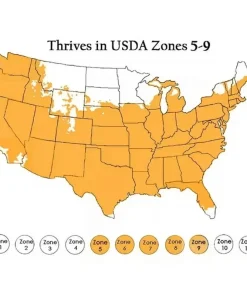
USDA Hardiness Zone
USDA Zones 3-9 -
Soil Type
Rich, moist, well-draining soil -
Sunlight Exposure
Full sun to partial shade -
Expected Planting Period
Early spring or fall
Overview
Bring the power of nature to your garden with these 5 stinging nettle bare roots. Each order provides five robust bare root plants of Urtica dioica, commonly known as stinging nettle. Renowned for its versatile uses, from culinary applications to traditional medicinal remedies and supporting local ecosystems, stinging nettle is a fascinating and beneficial plant to cultivate. These bare roots are an economical and effective way to establish a vigorous nettle patch, ensuring a strong start for healthy growth. Our plants are organically grown, promising a natural and chemical-free addition to your home garden or herbal collection.
Urtica dioica plant is a hardy perennial, making it a sustainable choice for long-term enjoyment. By starting with bare roots, you’re not only getting a head start on growth but also contributing to sustainable gardening practices. Whether you’re an experienced herbalist or a curious gardener looking to explore new plants, these stinging nettle bare roots offer an exciting opportunity to connect with a truly remarkable species.
Key Benefits
Cultivating stinging nettle in your garden offers a wide array of benefits beyond just its unique appearance. These organically grown bare roots provide a foundation for a versatile and rewarding plant.
- Nutrient-Rich Harvest: Stinging nettle leaves are packed with vitamins and minerals, making them a valuable addition to spring tonics, teas, and culinary dishes. Enjoy the satisfaction of harvesting your own fresh, nutrient-dense greens.
- Medicinal Properties: Traditionally used for various ailments, urtica dioica plant is celebrated for its potential anti-inflammatory and antihistamine properties, often used to support joint health and seasonal allergies.
- Wildlife Support: Nettle plants serve as a vital food source for several butterfly and moth species, including the Red Admiral and Small Tortoiseshell, making your garden more attractive to pollinators and beneficial insects.
- Soil Improvement: As a dynamic accumulator, stinging nettle draws up minerals from deep within the soil, improving soil fertility for surrounding plants when used as a compost activator or mulch.
- Easy to Establish: These stinging nettle bare roots are vigorous and readily establish themselves in suitable conditions, providing a low-maintenance option for gardeners of all experience levels.
- Sustainable Gardening: Growing your own organic nettle plant reduces reliance on wild foraging or commercially produced products, promoting self-sufficiency and environmental stewardship.
- Versatile Use: Beyond food and medicine, nettle fibers can historically be used for textiles, and the plant can be a natural dye source, offering a truly multi-functional garden addition.
Plant Care & Growing Tips
Successful growing stinging nettle from bare roots is straightforward with the right approach. Stinging nettle (Urtica dioica) is a resilient plant that thrives in various conditions, but optimal care will ensure a robust and productive patch. When you receive your bare roots, it’s best to plant them as soon as possible. Choose a location that receives full sun to partial shade; while it can tolerate more shade, full sun often leads to more vigorous growth and higher nutrient content in the leaves.
For soil, nettle prefers rich, moist, well-draining soil but is quite adaptable. Amend heavy clay soils with compost to improve drainage and fertility. Plant the bare roots horizontally, about 2-3 inches deep, ensuring the crown (where the stem meets the root) is just below the soil surface. Space plants about 12-18 inches apart to allow for lateral spread. Water thoroughly after planting to settle the soil around the roots. Consistent moisture is key, especially during dry spells, though mature plants can tolerate some drought. The organic nettle plant benefits from a general-purpose organic fertilizer in early spring, but it’s not strictly necessary if the soil is already rich. Remember, the stinging hairs are present on the leaves and stems, so always wear gloves when handling mature plants. This proactive approach to nettle plant care will ensure a thriving and healthy patch.
Size & Details
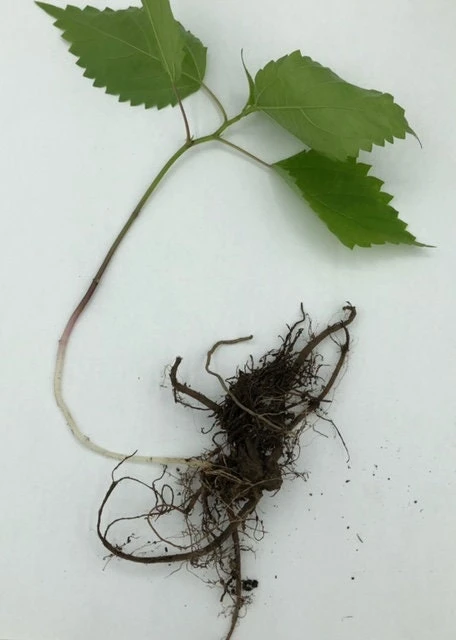
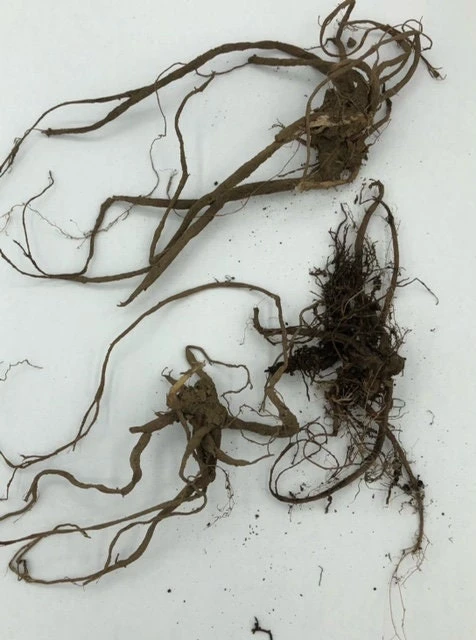
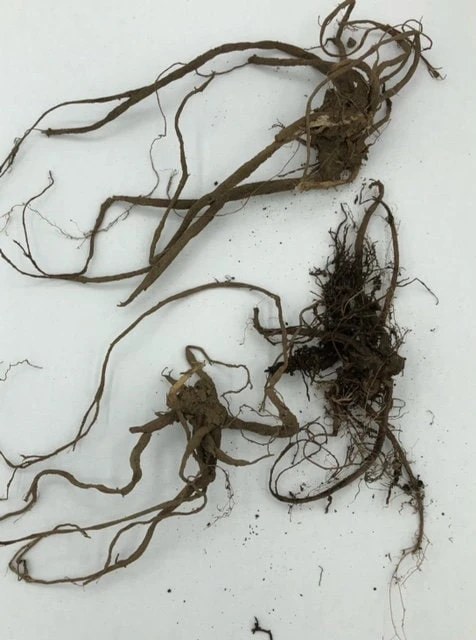
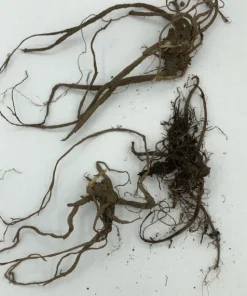
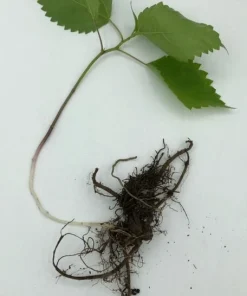
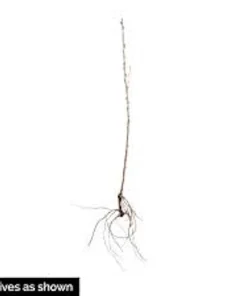
This offering includes 5 stinging nettle bare roots, each carefully harvested to ensure viability and readiness for transplanting. Bare roots are an excellent way to start a new plant as they allow for quick establishment and often bypass the initial shock of transplanting a potted plant. Upon arrival, the roots will be dormant, preserving their energy for new growth once planted. Each bare root is typically several inches long, with fibrous root systems capable of developing into mature plants. Stinging nettle is known for its rapid growth, and with proper care, you can expect visible foliage within a few weeks of planting.
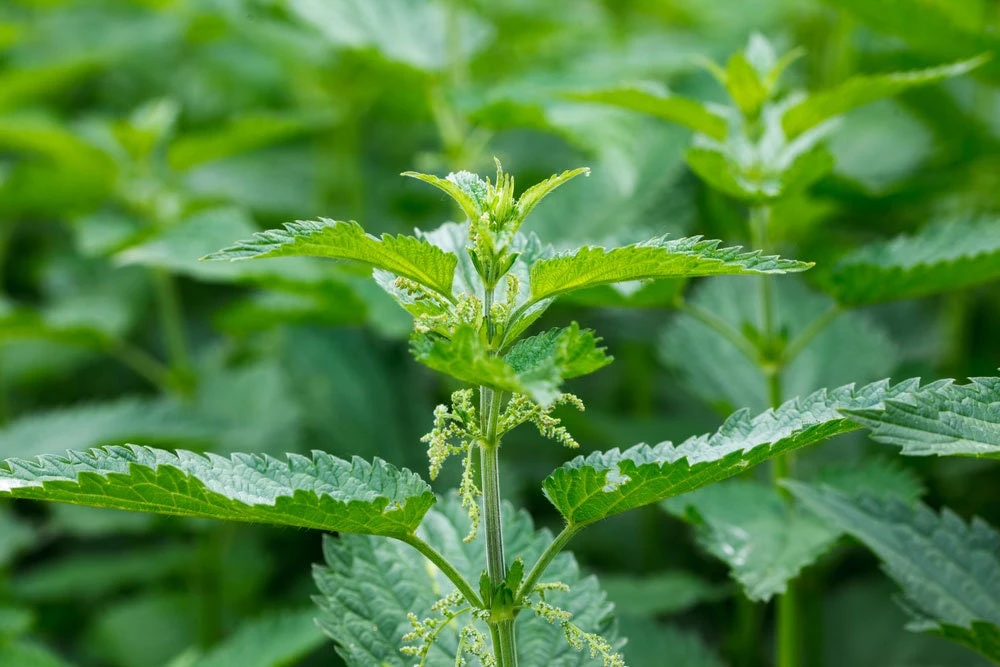
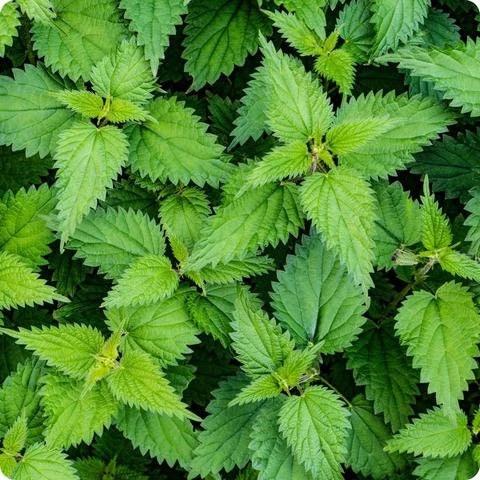
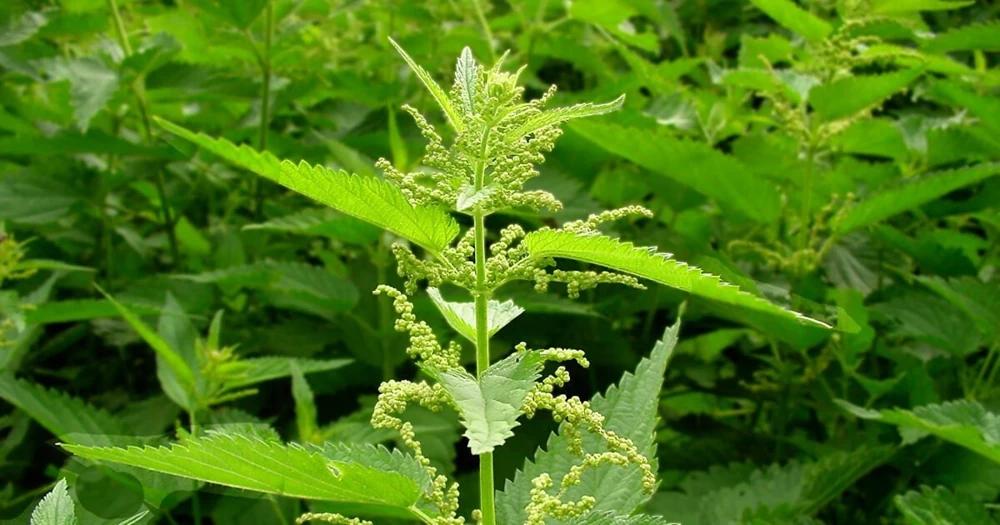
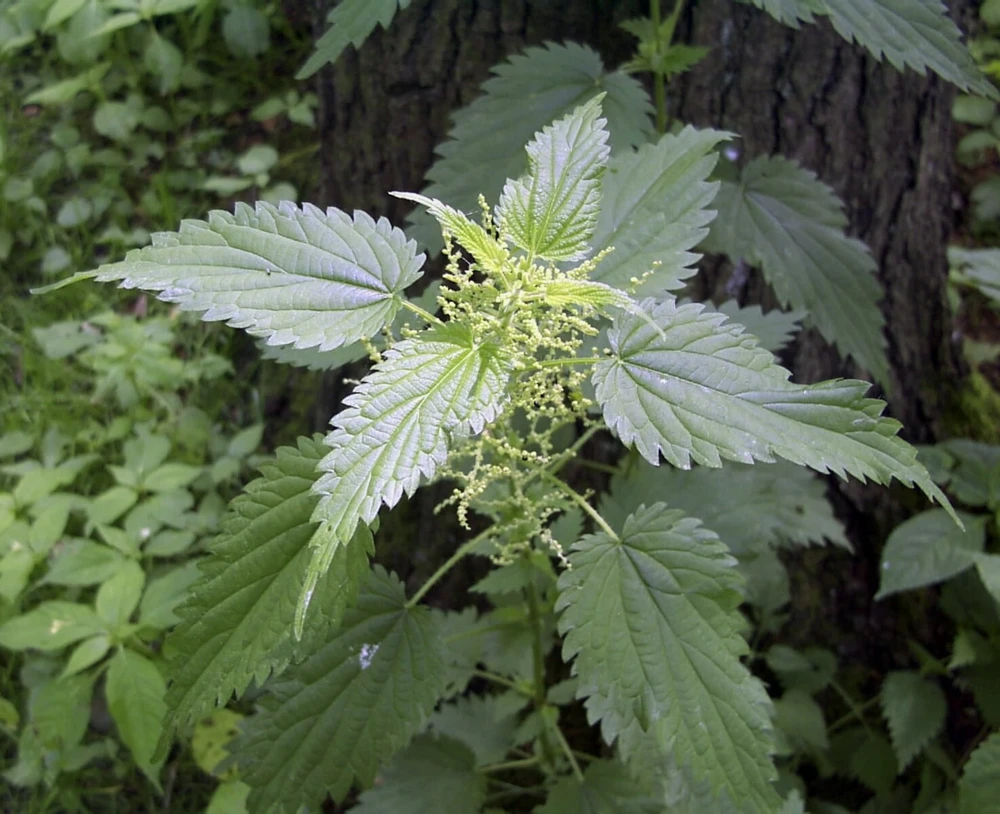
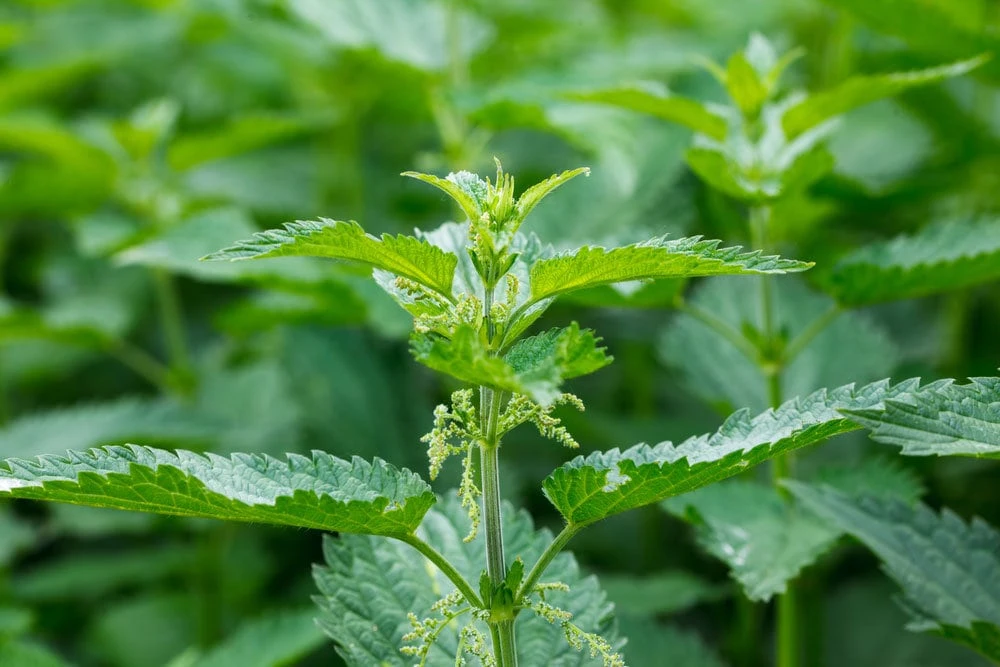
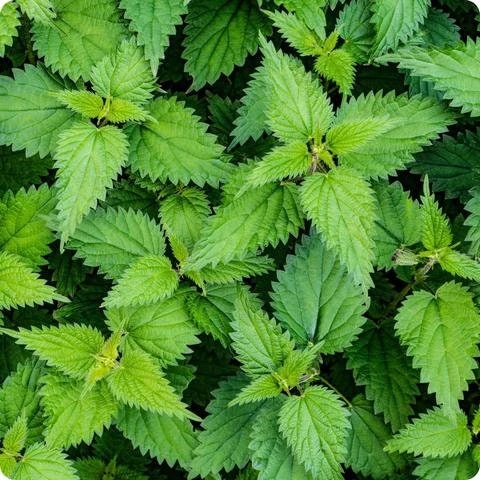
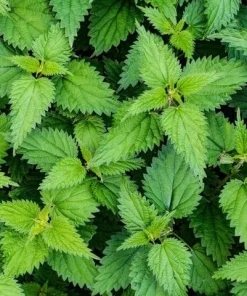
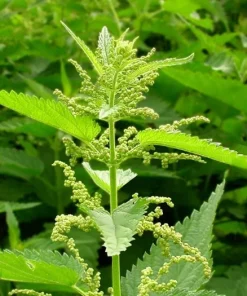
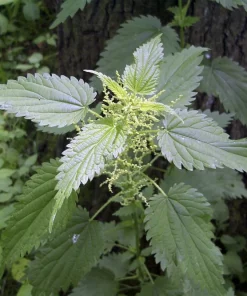
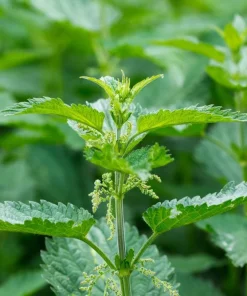
Mature urtica dioica plant can reach heights of 2-7 feet, forming dense patches. The expected growth rate is medium to fast, quickly filling in its designated area. These bare roots are designed for outdoor planting and are suitable for establishing a perennial herb garden. They will produce the characteristic serrated leaves and small green flowers, offering both aesthetic and functional value to your landscape. With these organic nettle plant bare roots, you are investing in a sustainable and vigorous addition to your garden.
Frequently Asked Questions
- Q: How big does this plant get? A: A mature stinging nettle bare roots plant can typically grow between 2 to 7 feet tall, forming dense clumps over time. Its spread can be managed through regular harvesting or by planting in an area where it can naturalize.
- Q: Is this an indoor or outdoor plant? A: Stinging nettle (Urtica dioica) is primarily an outdoor plant, thriving in garden settings. While it could theoretically be grown indoors in a very large container with adequate light, it’s best suited for outdoor cultivation where it can reach its full potential.
- Q: How much sunlight does it need? A: For optimal growing stinging nettle, aim for a location that receives full sun to partial shade. This means at least 4-6 hours of direct sunlight per day. It will tolerate more shade but may not be as vigorous.
- Q: What condition will it arrive in? A: Your 5 stinging nettle bare roots will arrive dormant and carefully packaged to ensure they remain healthy during transit. They will appear as fibrous root masses, ready for immediate planting upon arrival.
- Q: Can I use stinging nettle in cooking? A: Yes, stinging nettle is widely used in cooking! The young leaves, when cooked or blanched, lose their sting and can be used like spinach in soups, stews, teas, and pestos. Always wear gloves when harvesting raw nettle.
- Q: How long until it blooms? A: Stinging nettle typically blooms in mid to late summer, producing small, inconspicuous green flowers. The primary harvest for culinary or medicinal use is usually the young leaves in spring before flowering.
- Q: Is this plant easy to care for? A: Yes, nettle plant care is relatively easy. Once established, stinging nettle is quite hardy and low-maintenance. It is known for its resilience and ability to thrive with minimal intervention, making it suitable for beginner gardeners.
- Q: What’s the minimum temperature it can tolerate? A: Stinging nettle is a very hardy perennial, typically thriving in USDA Zones 3-9. It can withstand cold winter temperatures and will die back to the ground, re-emerging vigorously in spring.
- Q: When is the best time to plant? A: The best time for growing stinging nettle from bare roots is in early spring, after the last frost, or in the fall before the ground freezes. This allows the roots to establish before extreme heat or cold.
- Q: Is the organic nettle plant invasive? A: Stinging nettle can spread readily through rhizomes and self-seeding. To manage its spread, consider planting it in a contained area, regularly harvesting, or dividing the patch as needed.
Be the first to review “5 Organic Stinging Nettle Bare Roots – Urtica dioica – Live Plant Transplants”
People Also Viewed
Flower Plants
Coral Creme Drop Garden Phlox Live Plant Perennial Flower 6-12″ Tall in 2.5×3.5″ Pot Outdoor

Reviews
There are no reviews yet.