
Pineapple Sage Live Plant – Salvia Elegans – 5 Inch Pot – Outdoor Perennial
Original price was: $49.99.$19.99Current price is: $19.99.
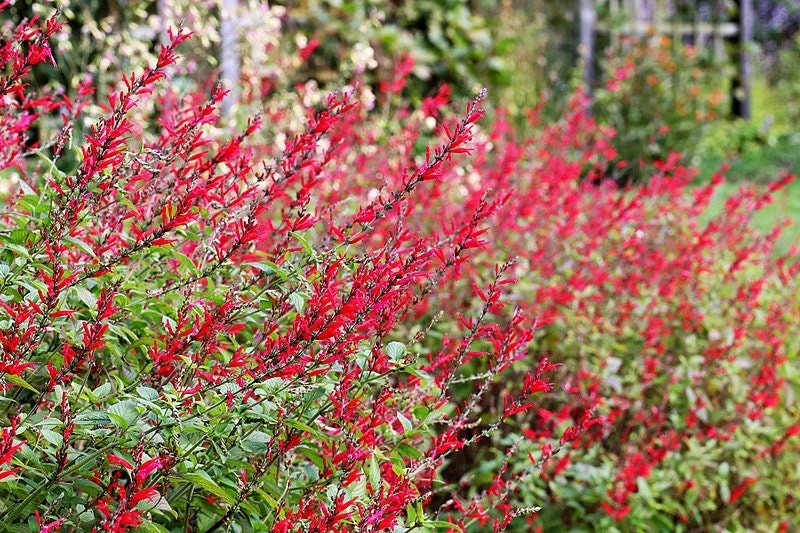
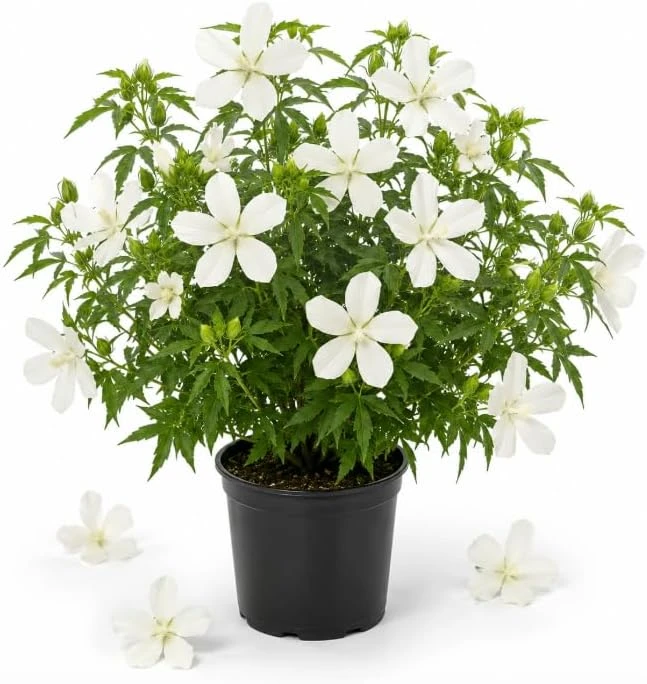
Bring the delightful aroma and vibrant beauty of a pineapple sage live plant to your garden. This salvia elegans plant is a charming perennial known for its bright scarlet red flowers in late summer/fall and distinct pineapple-scented foliage. Attracts butterflies and hummingbirds.
Estimated arrival
Nov 22
Nov 27 - Nov 29
Dec 02 - Dec 06
Shop With Confidence
30-Day Plant Health Guarantee
Arrives damaged? We’ll replace it free — see our return policy.
Responsive Support
Email us anytime, we reply within 1 business day.
Expert Packaging
Temperature-controlled shipping to protect your plants in transit.
Secure Checkout
Pay safely with Visa, Mastercard, PayPal.
Plant Specifications
-
USDA Hardiness Zone
USDA Zones 8-10 -
Soil Type
Humusy, consistently moist, well-draining soil -
Sunlight Exposure
Full sun to light shade -
Expected Planting Period
Spring to early summer
Overview
Transform your garden with the captivating pineapple sage live plant, scientifically known as Salvia Elegans. This delightful perennial is celebrated for its unique combination of vibrant scarlet-red blooms and aromatic foliage that genuinely smells like fresh pineapple. Originating from Mexico and Central America, this herb not only adds a splash of color to your landscape but also provides a sensory experience with its distinctive scent. Perfect for herb gardens, mixed borders, or as a standalone specimen, the pineapple sage live plant is a vigorous grower that offers beauty and fragrance throughout the growing season, especially shining in late summer and fall when many other plants begin to fade. It’s a wonderful addition for gardeners seeking both ornamental appeal and a useful herb.
The salvia elegans plant is a versatile and relatively low-maintenance option for various garden styles. Its upright habit and lush green leaves make it an attractive focal point, while its brilliant flowers serve as a beacon for pollinators. Whether you’re an experienced gardener or just starting, this plant provides immense satisfaction with its easy care and rewarding display. Though it may go dormant in colder regions, it reliably returns each spring, ready to enchant once more.
Key Benefits
The pineapple sage live plant offers a multitude of benefits, making it a highly desirable addition to any garden or outdoor space. Its unique characteristics contribute to both aesthetic appeal and ecological value.
- Vibrant Ornamental Appeal: Produces striking scarlet-red tubular flowers that stand out beautifully in the garden, particularly from late summer through fall. These bright blooms provide a stunning visual display when many other plants are past their prime, extending the season of color.
- Delightful Aromatic Foliage: The leaves of this plant release a refreshing, sweet pineapple scent when brushed or crushed. This makes it a fantastic choice for sensory gardens or planting near walkways where its fragrance can be easily enjoyed. It’s truly a unique aromatic experience.
- Attracts Pollinators: The brilliant red flowers are a favorite nectar source for hummingbirds, butterflies, and other beneficial pollinators. Planting a pineapple sage perennial helps support local ecosystems and brings lively activity to your garden.
- Culinary Versatility: Both the leaves and flowers of the salvia elegans plant are edible. The pineapple-flavored leaves can be used in fruit salads, drinks, desserts, and to flavor poultry or fish. The flowers make a beautiful and tasty garnish.
- Deer Resistant: Generally, deer tend to avoid pineapple sage due to its aromatic foliage, making it a good choice for gardens in areas prone to deer browsing. This offers peace of mind for gardeners in rural or suburban settings.
- Extended Bloom Season: Unlike many perennials that bloom for a short period, this fragrant sage plant provides continuous blooms from late summer until the first hard frost, offering long-lasting beauty and food for pollinators.
- Easy to Grow: This hardy perennial is relatively low maintenance and tolerant of various conditions, making it suitable for gardeners of all experience levels. It adapts well to different soil types and is quite forgiving.
Plant Care & Growing Tips
Caring for your pineapple sage live plant is straightforward, ensuring a bountiful display of flowers and fragrant foliage. This robust perennial thrives with a few key considerations for its environment and routine maintenance. For optimal growth and flowering, plant your salvia elegans plant in a location that receives full sun to light shade. Full sun (at least 6 hours of direct sunlight daily) will encourage the most prolific blooming and strongest growth, while light afternoon shade can be beneficial in hotter climates to prevent leaf scorch.
When it comes to watering, pineapple sage prefers consistently moist, but not waterlogged, soil. Water deeply when the top inch of soil feels dry to the touch. During hot, dry spells, you may need to water more frequently. Ensure your soil is well-draining to prevent root rot, as soggy conditions can be detrimental. A humusy, rich soil provides the best environment for this plant. Incorporating compost or other organic matter into your planting bed will improve soil structure and fertility. This pineapple sage perennial is hardy in USDA Zones 8-10, meaning it will typically survive winters in these regions, returning from its roots in spring. In colder zones, it can be grown as an annual or brought indoors for winter.
Fertilization is generally not heavily required if planted in rich soil. However, a balanced, slow-release granular fertilizer in spring can boost growth. Pruning is beneficial to maintain shape and encourage bushier growth. Pinch back young plants to promote branching. Deadhead spent flowers to encourage more blooms, though this plant is often grown for its late-season appeal. Watch out for common pests like aphids or whiteflies, which can be managed with insecticidal soap if necessary. Overall, the fragrant sage plant is quite resilient and offers a rewarding gardening experience.
Size & Details
This offering is for one pineapple sage live plant, well-rooted and ready for planting. The plant is typically grown in a 2 1/2 x 3 1/2 inch pot, ensuring a healthy root system for successful transplanting. At the time of shipment, the plant measures approximately 5 inches tall. As a perennial, this salvia elegans plant is known for its vigorous growth. Outdoors, it can reach a mature height of 3-4 feet tall and spread equally wide, forming an attractive, bushy presence in your garden. Its growth rate is moderate to fast, allowing it to establish quickly and provide a substantial display within its first season.
The plant will arrive soon dormant or leafless, especially if ordered outside of the peak growing season. This is a natural part of its life cycle and ensures that the plant is healthy and ready for spring releaf, providing a robust return of foliage and flowers. Expect bright scarlet red flowers to emerge in late summer and fall, continuing until the first frost. This makes it an excellent choice for extending seasonal interest in your garden, providing color and fragrance when many other plants are winding down.
Frequently Asked Questions
- Q: How big does this plant get? A: The pineapple sage live plant typically grows to a mature height of 3-4 feet tall and can spread equally wide, forming a bushy and attractive presence in your garden. Its size makes it suitable for various garden placements.
- Q: What size pot does it come in? A: This salvia elegans plant is shipped as a well-rooted plant in a 2 1/2 x 3 1/2 inch pot, ensuring it has a strong root system ready for transplanting into your garden or a larger container.
- Q: Is this an indoor or outdoor plant? A: Pineapple sage perennial is primarily an outdoor plant, thriving in garden beds or containers in full sun to light shade. In colder climates (below USDA Zone 8), it can be grown as an annual or brought indoors for winter.
- Q: How much sunlight does it need? A: This plant prefers full sun, meaning at least 6 hours of direct sunlight per day, for the best flowering and growth. It can tolerate light afternoon shade, especially in very hot regions.
- Q: Is this plant easy to care for? A: Yes, the fragrant sage plant is considered relatively easy to care for, making it suitable for both experienced and beginner gardeners. It requires well-draining soil and consistent moisture.
- Q: What condition will it arrive in? A: Your hummingbird attracting plant may arrive soon dormant or leafless, depending on the season. This is normal for perennials and indicates it is healthy and preparing for vigorous growth in the spring.
- Q: Can I use pineapple sage in cooking? A: Absolutely! Both the leaves and flowers of pineapple sage are edible. The leaves have a distinct pineapple flavor, making them excellent in fruit salads, drinks, desserts, and to flavor savory dishes.
- Q: When is the best time to plant? A: The best time to plant pineapple sage live plant is in spring after the danger of frost has passed, allowing it ample time to establish before summer. It can also be planted in early fall in warmer zones.
- Q: Will it survive winter in my zone? A: This plant is a perennial in USDA Hardiness Zones 8-10. In these zones, it will typically die back to the ground in winter and re-emerge in spring. In colder zones, it is best treated as an annual or overwintered indoors.
- Q: What’s the minimum temperature it can tolerate? A: As a perennial in zones 8-10, it can tolerate temperatures down to about 10-20°F (-12 to -6°C) when established, though it will likely go dormant and die back to the ground.
Be the first to review “Pineapple Sage Live Plant – Salvia Elegans – 5 Inch Pot – Outdoor Perennial”
People Also Viewed







Reviews
There are no reviews yet.