
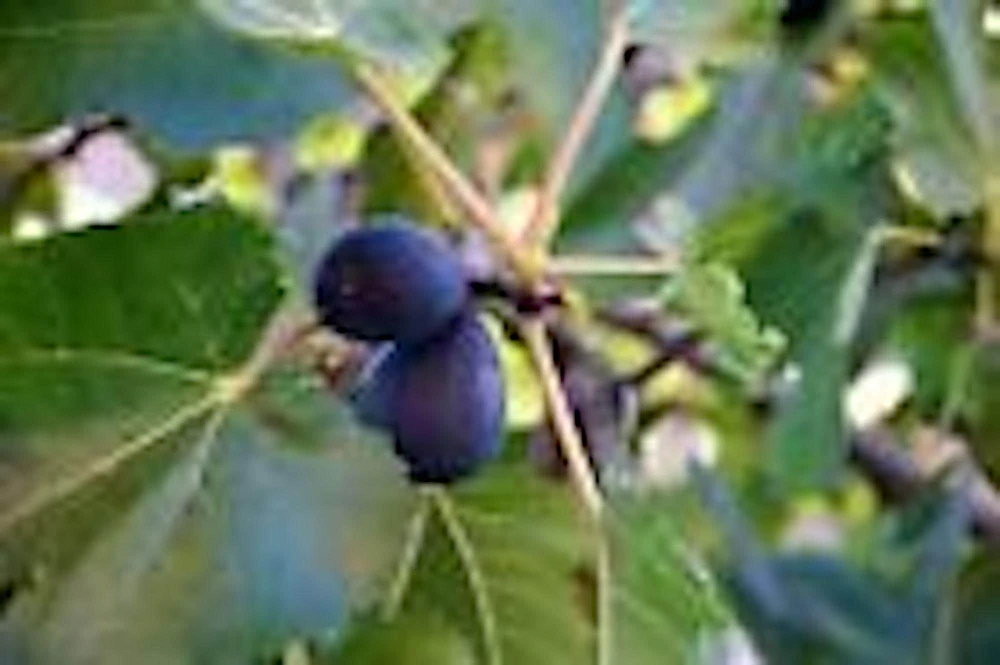
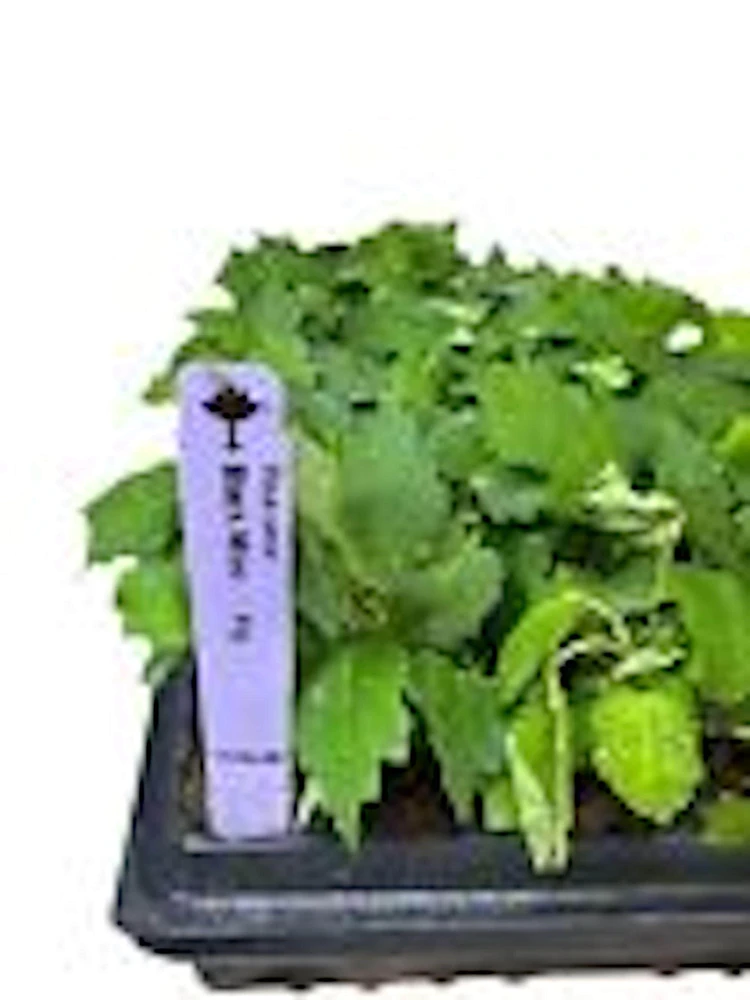
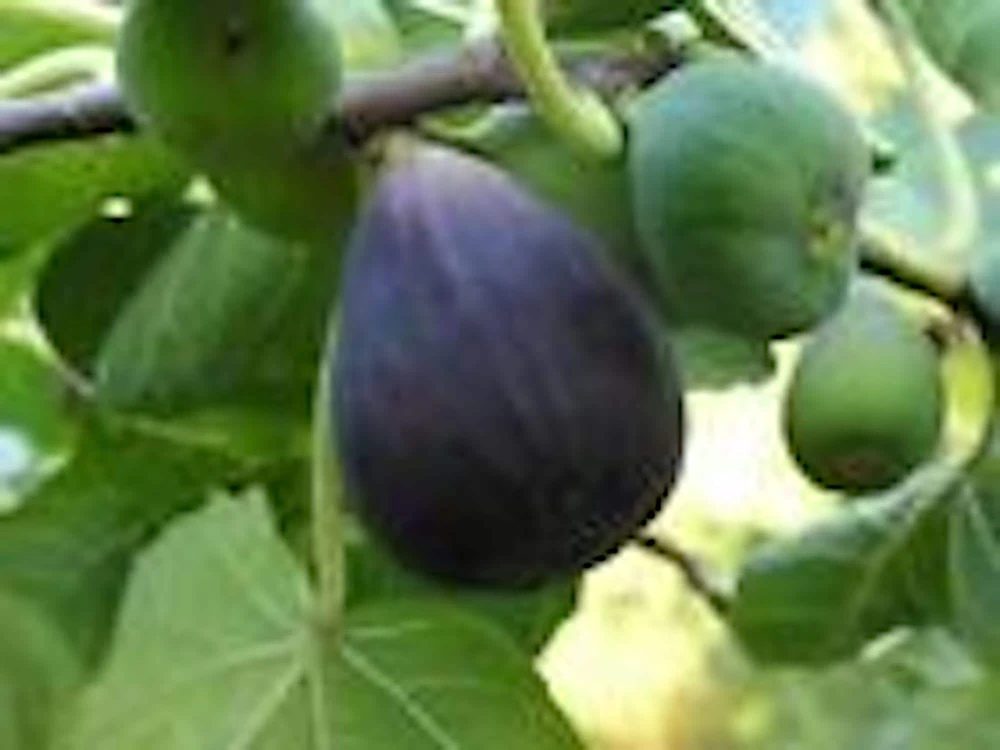
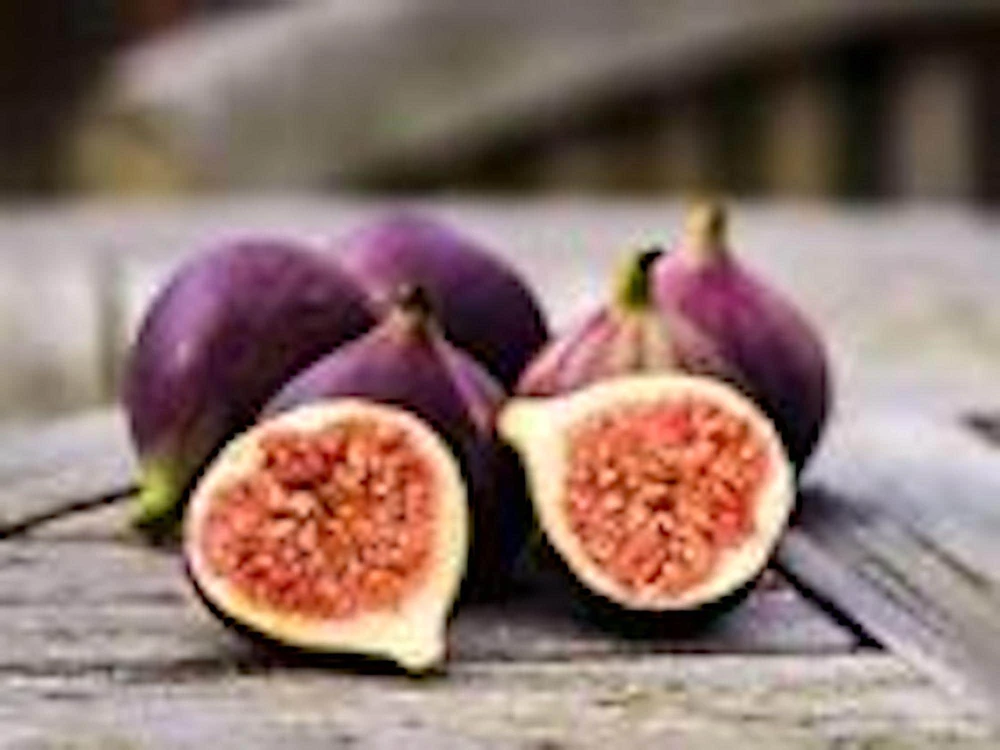
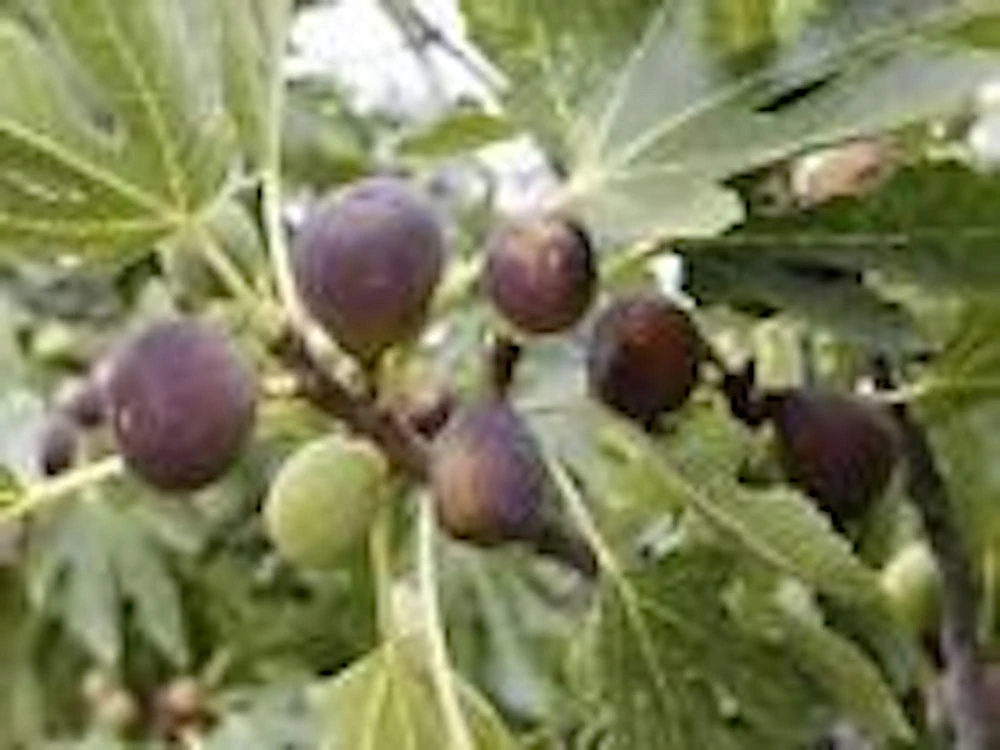
5 Black Mission Fig Tree Starter Plants – Ficus Carica – Fruit Live Plant
Original price was: $153.99.$128.99Current price is: $128.99.
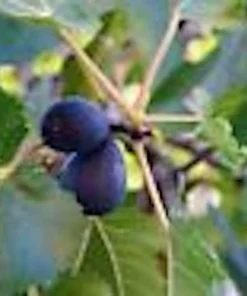
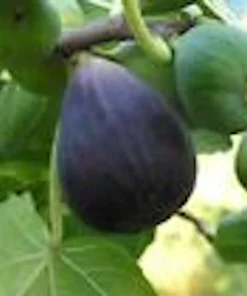
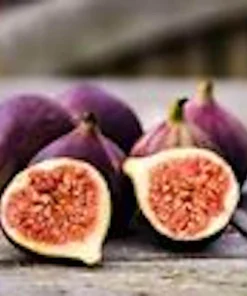
Cultivate your own orchard with 5 Black Mission Fig tree starter plants. These versatile and high-quality Ficus Carica live plant specimens are renowned for their sweet, dark-skinned fruit with a strawberry-colored interior. Perfect for both northern and southern climates, they offer both a breba and main crop, making them an excellent choice for home gardeners looking to grow fig tree produce.
Estimated arrival
Sep 29
Oct 04 - Oct 06
Oct 09 - Oct 13
Shop With Confidence
30-Day Plant Health Guarantee
Arrives damaged? We’ll replace it free — see our return policy.
Responsive Support
Email us anytime, we reply within 1 business day.
Expert Packaging
Temperature-controlled shipping to protect your plants in transit.
Secure Checkout
Pay safely with Visa, Mastercard, PayPal.
Plant Specifications
-
USDA Hardiness Zone
USDA Zones 7-10 -
Soil Type
Well-draining, loamy soil -
Sunlight Exposure
Full sun (6-8 hours daily) -
Expected Planting Period
Spring to early summer
Overview
Bring the joy of fresh figs to your garden with these 5 Black Mission Fig tree starter plants. The Black Mission Fig tree, scientifically known as Ficus Carica live plant, is widely celebrated as one of the best all-around fig varieties for cultivation across the continental U.S. These robust young plants promise an abundant harvest of delicious fruit, performing exceptionally well in diverse climates, from coastal regions to inland locations. Known for their large, lobed leaves and attractive spreading growth habit, they not only produce fruit but also serve as a beautiful shade tree in your landscape. Each starter plant offers the potential for a thriving, productive fig tree that will enhance your outdoor space and provide sweet, home-grown delights for years to come.
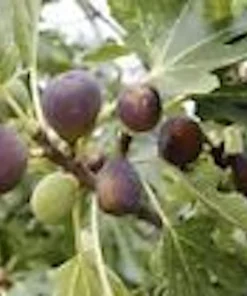
The Black Mission Fig tree is a high-quality, reliable choice for any gardener. This particular variety is renowned for its dual-cropping nature, producing both an early breba crop and a substantial main crop, often considered an everbearing fig tree in suitable climates. The breba crop yields larger fruits, while the main crop consists of medium-sized figs. These figs are easily identifiable by their dark skin and a vibrant, strawberry-colored interior, offering a rich, sweet flavor. The skin of the ripe fruit often cracks, which is a natural indicator of its peak sweetness and readiness for harvest. Planting these Ficus Carica live plant starters is an investment in future harvests and a beautiful addition to your edible landscape.
Key Benefits
The Black Mission Fig tree offers numerous advantages for both novice and experienced gardeners. Its adaptability and delicious fruit make it a highly desirable addition to any garden.
-
Exceptional Fruit Production: This variety is celebrated for its prolific yield, producing both an early breba crop and a main crop. This dual harvest ensures a longer season of fresh, ripe figs, making it a truly rewarding plant to grow fig tree varieties at home.
-
Versatile Climate Adaptability: The Black Mission Fig tree thrives across a wide range of climates within the continental U.S., from northern to southern regions and both coasts. This makes it a reliable choice for gardeners in many different zones.
-
Delicious Flavor Profile: Enjoy sweet, dark-skinned figs with a rich, strawberry-colored interior. The unique taste and texture of these figs are perfect for fresh eating, preserves, or baking.
-
Attractive Landscape Addition: With its large, lobed leaves and spreading growth habit, the Ficus Carica live plant doubles as an attractive ornamental tree, providing welcome shade and visual interest in your garden.
-
Everbearing Potential: In optimal conditions, the Black Mission Fig tree is considered an everbearing fig tree, meaning it can produce fruit continuously throughout the growing season, maximizing your harvest.
-
Low Maintenance: Once established, these fig trees are relatively low-maintenance, requiring consistent watering and occasional feeding to ensure healthy growth and abundant fruit.
-
Home Orchard Starter: These 5 Black Mission Fig tree starter plants provide an excellent foundation for starting your own home orchard, allowing you to enjoy organic, fresh figs straight from your backyard.
Plant Care & Growing Tips
Caring for your Black Mission Fig tree starter plants is straightforward, ensuring a healthy and productive future. These plants thrive in locations that receive ample sunlight. For optimal fruit production, plant your fig trees in a spot that gets at least 6-8 hours of direct sunlight per day. While they can tolerate some partial shade, full sun will lead to sweeter, more abundant figs. In hotter climates, a little afternoon shade can be beneficial to prevent scorching. Consistent watering is crucial, especially during the establishment phase and when the plant is actively fruiting. The soil should be kept consistently moist but not waterlogged. Allow the top inch or two of soil to dry out slightly between waterings, and reduce watering in cooler, dormant periods. Proper drainage is key to prevent root rot.
The Black Mission Fig tree prefers well-draining soil with a slightly acidic to neutral pH (6.0-7.0). A rich, loamy soil amended with organic matter will provide the best environment for growth. When planting, ensure the hole is twice as wide as the root ball and just as deep. Fertilize your fig trees in early spring with a balanced slow-release fertilizer or one formulated for fruit trees. Avoid excessive nitrogen, which can promote leafy growth at the expense of fruit. Pruning should be done in late winter or early spring while the tree is dormant. Focus on removing dead, damaged, or crossing branches, and thin out the canopy to improve air circulation and sunlight penetration. This helps to encourage a strong structure and better fruit production. Understanding how to grow fig tree successfully involves attention to these fundamental care practices.
Protecting your Ficus Carica live plant from extreme cold is important, especially in USDA zones below 7. While the Black Mission Fig tree is hardy, young trees are more vulnerable. In colder regions, consider planting them in containers that can be moved indoors or providing winter protection such as mulching heavily around the base and wrapping the plant. Monitor your trees for common pests like fig rust or spider mites, and treat promptly with organic or appropriate horticultural solutions. With consistent care, your everbearing fig tree will reward you with bountiful harvests for many years.
Size & Details
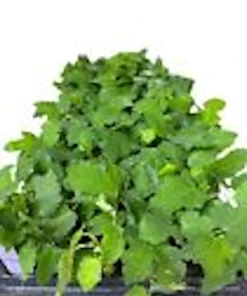
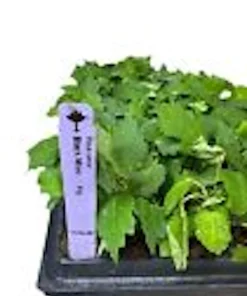
This offering includes 5 Black Mission Fig tree starter plants, each ready to be transplanted into your garden or a larger container. These young specimens are shipped bare root, meaning they arrive without soil or a pot, which is the standard and most effective way to transport dormant plants to minimize stress and maximize successful establishment. Upon arrival, it is crucial to plant them promptly. The ultimate size of your Black Mission Fig tree will depend on your growing conditions and pruning practices. Typically, these trees can reach heights of 10-20 feet and spread equally wide if left unpruned in the ground, making them suitable for a substantial shade tree. However, they can be maintained at a smaller, more manageable size through regular pruning, especially when grown in containers.
The Ficus Carica live plant is known for its relatively fast growth rate once established, allowing you to enjoy your first harvests within a few years. These starter plants represent the beginning of a productive and beautiful addition to your landscape. With proper care, you can expect these plants to mature into robust, fruit-bearing trees that consistently produce delicious figs. The dual-cropping nature of this everbearing fig tree means you’ll enjoy both an early harvest (breba crop) and a larger main crop later in the season, extending your fresh fig supply.
Frequently Asked Questions
-
Q: How big do these Black Mission Fig tree starter plants get? A: If planted in the ground and left unpruned, a mature Black Mission Fig tree can reach heights of 10-20 feet with a similar spread. However, they are easily managed with pruning and can be kept smaller, especially when grown in large containers.
-
Q: Is this an indoor or outdoor plant? A: The Black Mission Fig tree is primarily an outdoor plant, thriving in full sun. In colder climates (below USDA Zone 7), it can be grown in containers and moved indoors during winter, or protected with mulching and wrapping.
-
Q: How much sunlight does the Ficus Carica live plant need? A: For optimal fruit production and health, your fig tree needs at least 6-8 hours of direct sunlight per day. While it can tolerate some partial shade, more sun generally leads to sweeter and more abundant figs.
-
Q: Is this plant easy to care for? A: Yes, the Black Mission Fig tree is considered relatively easy to care for once established. It requires consistent watering, well-draining soil, and annual pruning. It’s a great choice for gardeners looking to grow fig tree varieties with minimal fuss.
-
Q: What condition will the starter plants arrive in? A: These starter plants are shipped bare root, meaning they will arrive without soil or a pot. This method ensures they are dormant and ready for immediate planting upon arrival to minimize transplant shock and encourage successful establishment.
-
Q: How long until my everbearing fig tree produces fruit? A: With good care, you can expect your Black Mission Fig tree to start producing fruit within 2-3 years of planting. As the tree matures, its yield will increase significantly.
-
Q: What USDA Hardiness Zones are suitable for the Black Mission Fig tree? A: The Black Mission Fig tree is generally hardy in USDA Zones 7-10. In Zone 6 and below, winter protection or container growing is recommended to ensure its survival.
-
Q: What kind of soil is best for growing figs? A: Figs prefer well-draining, fertile soil with a pH between 6.0 and 7.0. Amending your soil with organic compost will provide a good foundation for healthy growth.
-
Q: Do I need to plant multiple fig trees for pollination? A: No, the Black Mission Fig tree is self-pollinating, so you only need one tree to get fruit. However, planting more than one will increase your overall yield.
-
Q: Can I grow the Black Mission Fig tree in a pot? A: Yes, this variety does very well in large containers. Choose a pot that is at least 15-20 gallons to allow for adequate root development, and ensure it has good drainage holes.
Be the first to review “5 Black Mission Fig Tree Starter Plants – Ficus Carica – Fruit Live Plant”
People Also Viewed


Reviews
There are no reviews yet.