
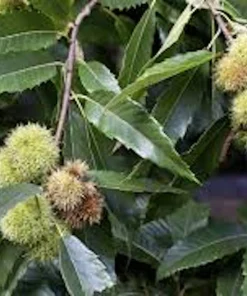
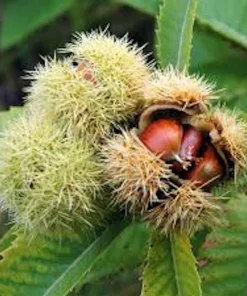
3 Dunstan Hybrid Chestnut Trees Live Plant 12-24in Tall Quart Pot Outdoor
Original price was: $135.99.$110.99Current price is: $110.99.
Cultivate 3 Dunstan Hybrid Chestnut Tree live plants, known for their exceptional nut production and resistance to chestnut blight. These 12-24 inch tall trees ship in quart pots, making them ideal for outdoor planting in USDA zones 5-8.
Estimated arrival
Sep 29
Oct 04 - Oct 06
Oct 09 - Oct 13
Shop With Confidence
30-Day Plant Health Guarantee
Arrives damaged? We’ll replace it free — see our return policy.
Responsive Support
Email us anytime, we reply within 1 business day.
Expert Packaging
Temperature-controlled shipping to protect your plants in transit.
Secure Checkout
Pay safely with Visa, Mastercard, PayPal.
Plant Specifications
-
USDA Hardiness Zone
USDA zones 5-8 -
Soil Type
Well-draining, slightly acidic to neutral soil -
Sunlight Exposure
Full sun -
Expected Planting Period
Early spring or fall
Overview
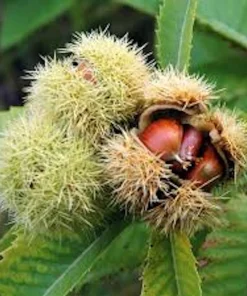
Bring the robust beauty and abundant harvest of the Dunstan Hybrid Chestnut Tree to your landscape. This offering includes three healthy Dunstan Hybrid Chestnut Tree live plants, each standing 12-24 inches tall and shipped in a quart pot. The Dunstan Hybrid Chestnut Tree (Castanea dentata x Castanea mollissima) is a remarkable hybrid developed to resist the devastating effects of chestnut blight, a disease that decimated native American chestnut populations. Combining the best traits of the American chestnut’s vigor and the Chinese chestnut’s disease resistance, this variety is a top choice for both commercial nut production and home garden enthusiasts seeking a resilient and productive nut producing tree. Enjoy the benefits of a fast-growing tree that provides delicious, sweet nuts and contributes significantly to wildlife food sources.
These young trees are ready to establish themselves in your garden, offering a sustainable and rewarding addition. Whether you’re looking to start a small orchard, enhance your property with a shade tree, or simply enjoy fresh, homegrown chestnuts, the Dunstan Hybrid Chestnut Tree is an excellent investment. Its adaptability and strong growth make it suitable for a variety of climates and soil conditions within its hardiness zones.
Key Benefits
The Dunstan Hybrid Chestnut Tree offers numerous advantages, making it a highly desirable plant for various applications. From its robust nature to its valuable yield, these trees are a fantastic addition to any property.
- Blight Resistance: This hybrid is specifically bred to be highly resistant to chestnut blight, ensuring a much higher success rate and longevity compared to traditional American chestnuts. This resistance is crucial for the long-term health and productivity of your trees.
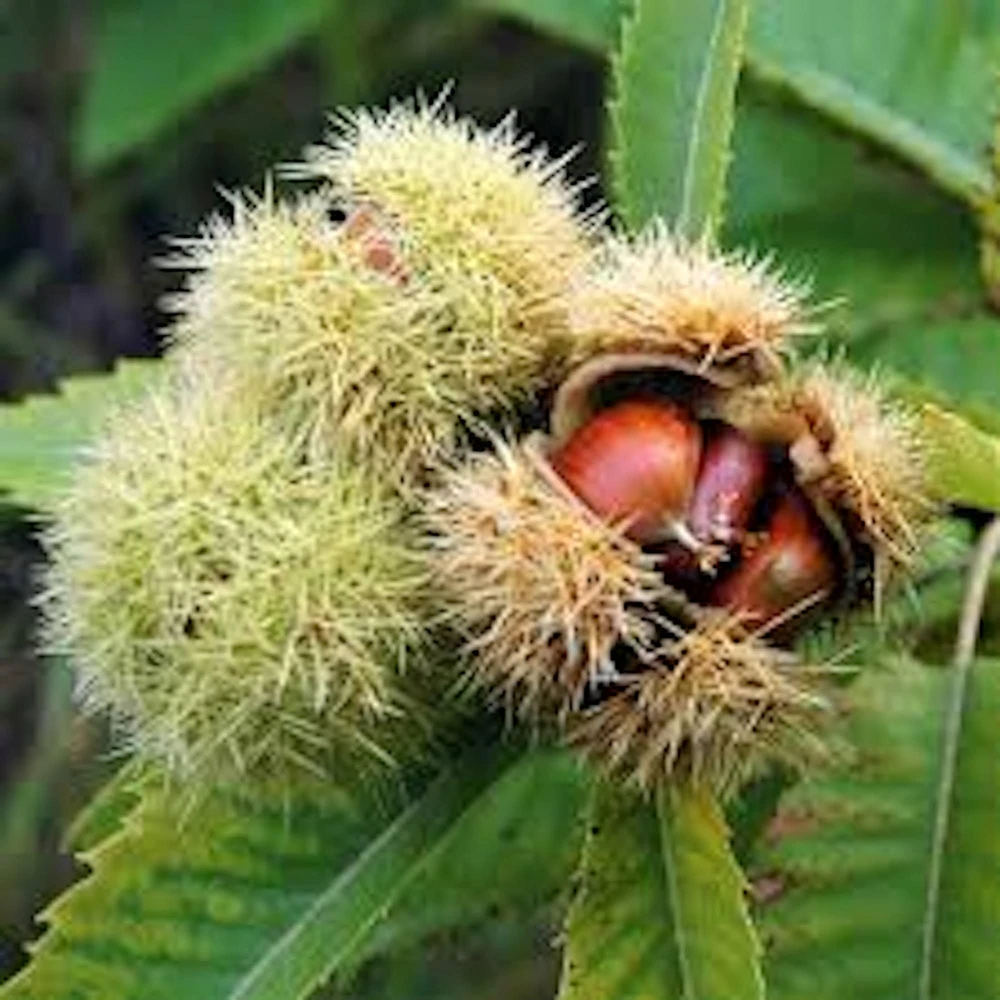
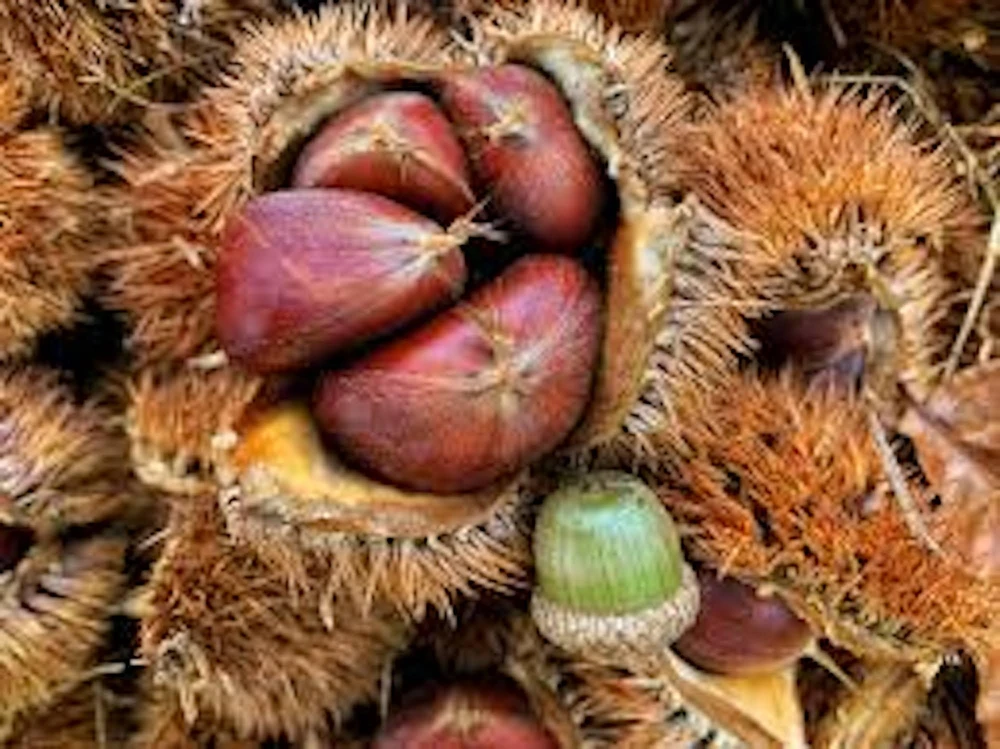
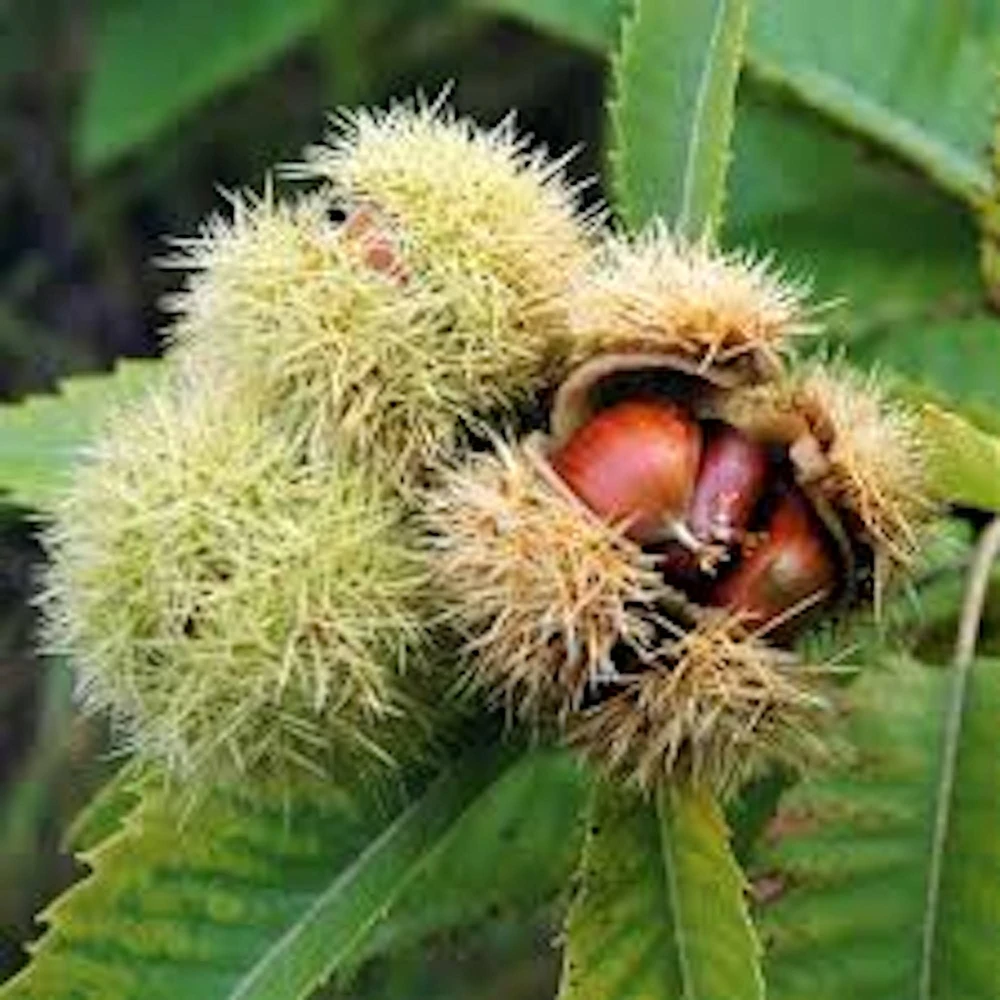
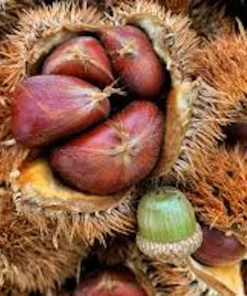
- Exceptional Nut Production: Known for producing large, sweet, and easy-to-peel nuts, the Dunstan Hybrid Chestnut Tree yields abundant harvests. These nuts are excellent for roasting, baking, or feeding wildlife, providing a valuable food source.
- Fast Growth Rate: These trees exhibit a vigorous growth habit, quickly establishing themselves and reaching maturity to begin nut production sooner than many other tree varieties. This rapid growth helps in establishing a productive orchard faster.
- Adaptable & Hardy: Thriving in a variety of soil types, these trees are hardy in USDA zones 5-8, making them suitable for a wide range of climates across the US. Their versatility ensures they can adapt to different environmental conditions.
- Wildlife Attractor: The plentiful and nutritious nuts are a favorite food source for deer, turkeys, and other wildlife, making this tree an excellent choice for improving wildlife habitat and attracting game.
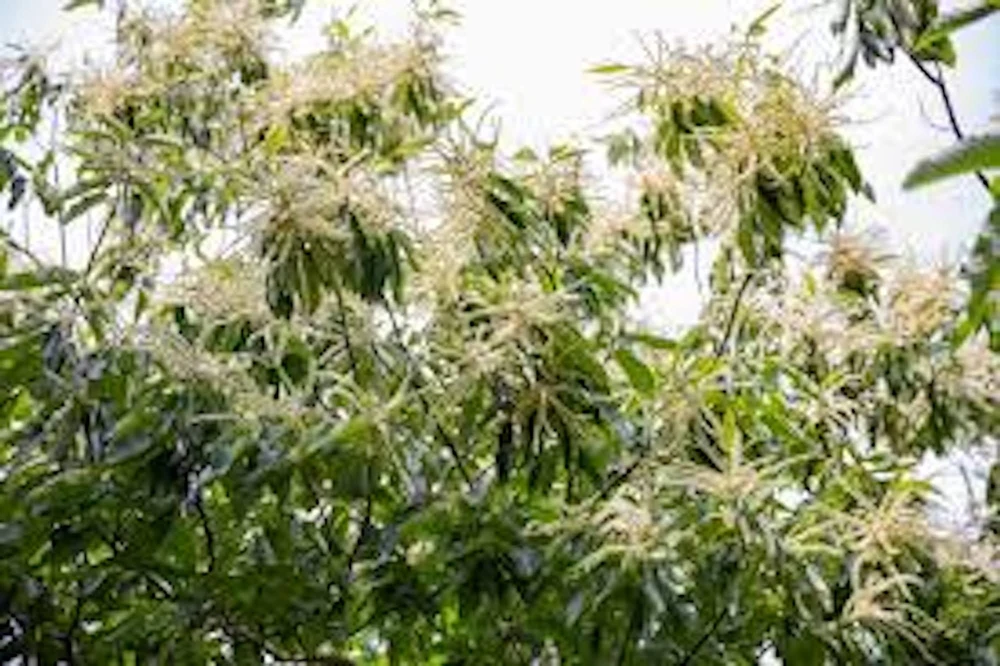
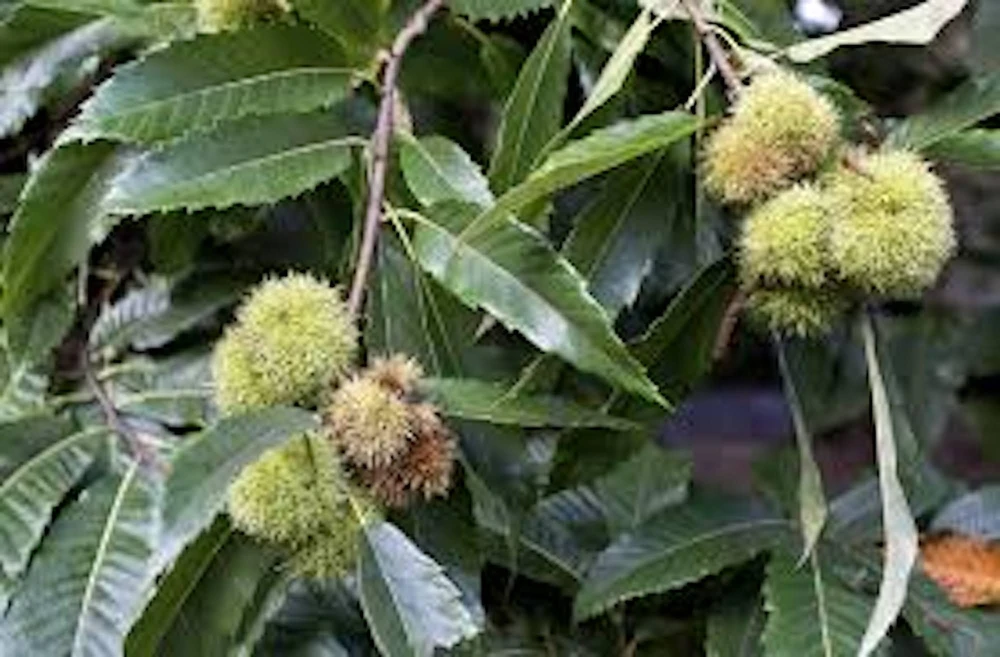
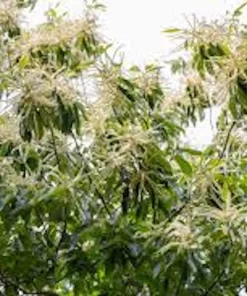
- Ornamental Value: Beyond their productive capabilities, Castanea dentata x mollissima trees possess attractive foliage and a stately form, providing aesthetic appeal to any landscape. They offer good shade and seasonal interest.
- Drought Tolerance: Once established, the Dunstan Hybrid Chestnut Tree exhibits good drought tolerance, reducing the need for extensive irrigation and making it a low-maintenance option for many growers.
Plant Care & Growing Tips
Caring for your Dunstan Hybrid Chestnut Tree involves understanding its basic needs to ensure optimal growth and nut production. These trees prefer full sun exposure, meaning at least 6-8 hours of direct sunlight per day. Adequate sunlight is crucial for vigorous growth and maximizing nut yield. When selecting a planting site, choose an area that receives ample light and has good air circulation to prevent fungal issues.
The ideal soil for a blight resistant chestnut is well-draining, slightly acidic to neutral (pH 5.5-7.0), and rich in organic matter. While adaptable to various soil types, avoid heavy clay soils that retain too much water, as this can lead to root rot. If your soil is heavy, amend it with compost or other organic materials to improve drainage and aeration. Regular watering is essential during the first few years after planting, especially during dry periods. Aim for consistently moist, but not waterlogged, soil. Once established, these trees are quite drought-tolerant, but supplemental watering during prolonged dry spells will benefit nut production.
Fertilization can begin a year after planting. Use a balanced, slow-release fertilizer in early spring, following the product’s instructions. Avoid over-fertilizing, which can harm young trees. Pruning should focus on removing dead, damaged, or crossing branches to maintain a strong central leader and an open canopy, which improves air circulation and light penetration. The Castanea dentata x mollissima is generally hardy in USDA zones 5-8, meaning it can withstand winter temperatures down to -20°F (-29°C). Protect young trees from deer browsing with tree guards. Monitor for common pests and diseases, though their blight resistance makes them relatively low-maintenance in this regard.
Size & Details
This offer includes three Dunstan Hybrid Chestnut Tree live plants, each measuring approximately 12-24 inches in height from the top of the soil in their containers. They are shipped in quart-sized pots, providing a robust root system for successful transplanting. These young trees are typically 1-2 years old and have established roots, ready for planting upon arrival. When mature, a Dunstan Hybrid Chestnut Tree can reach heights of 30-50 feet with a spread of 20-30 feet, forming a majestic, nut producing tree. The growth rate is considered fast, often adding 2-3 feet of height per year under optimal conditions. Expect nut production to begin within 3-5 years after planting, with yields increasing significantly as the tree matures. These trees are shipped in their pots during the growing season, ensuring minimal stress and a smooth transition to your garden.
Frequently Asked Questions
- Q: How large will my Dunstan Hybrid Chestnut Tree grow? A: A mature Dunstan Hybrid Chestnut Tree can reach heights of 30-50 feet with a spread of 20-30 feet. They are known for their relatively fast growth rate, adding several feet per year under ideal conditions.
- Q: Is this an indoor or outdoor plant? A: The Dunstan Hybrid Chestnut Tree is an outdoor tree, best suited for planting in gardens, orchards, or larger landscapes. It requires ample space to grow and thrive.
- Q: How much sunlight does a blight resistant chestnut need? A: These trees require full sun exposure, meaning at least 6-8 hours of direct sunlight daily, to ensure strong growth and optimal nut production.
- Q: Is this nut producing tree easy to care for? A: Once established, the Dunstan Hybrid Chestnut Tree is relatively low-maintenance. Key care involves proper initial planting, consistent watering for young trees, and occasional pruning. Its blight resistance simplifies long-term care.
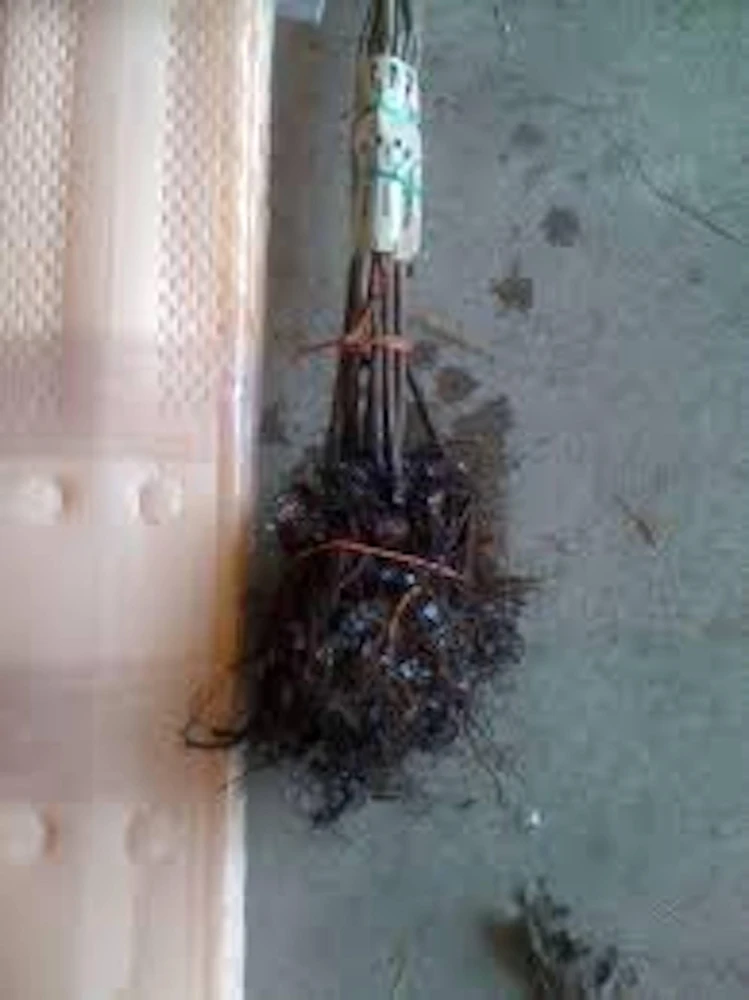
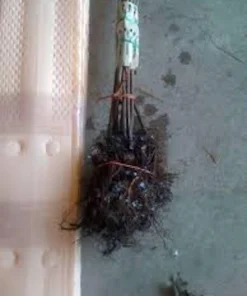
- Q: What condition will the trees arrive in? A: The Dunstan Hybrid Chestnut Tree plants will arrive healthy and well-rooted in their quart pots during the growing season. During dormancy, they may ship bare root, ready for immediate planting.
- Q: When is the best time to plant a Castanea dentata x mollissima? A: The best time to plant is in early spring or fall, allowing the tree to establish its root system before extreme summer heat or winter cold.
- Q: What USDA zones are suitable for this chestnut tree? A: The Dunstan Hybrid Chestnut Tree is hardy in USDA zones 5-8, meaning it can tolerate winter temperatures down to -20°F (-29°C).
- Q: How long until these trees start producing nuts? A: You can typically expect your Dunstan Hybrid Chestnut Tree to begin producing nuts within 3-5 years after planting, with production increasing significantly as the tree matures.
- Q: What type of soil does a chestnut tree for sale prefer? A: These trees prefer well-draining, slightly acidic to neutral soil (pH 5.5-7.0) that is rich in organic matter. Good drainage is crucial to prevent root issues.
- Q: Are these trees good for wildlife? A: Yes, the abundant and nutritious nuts produced by the Dunstan Hybrid Chestnut Tree are an excellent food source for deer, turkeys, and other wildlife, making them ideal for improving wildlife habitat.
Be the first to review “3 Dunstan Hybrid Chestnut Trees Live Plant 12-24in Tall Quart Pot Outdoor”
People Also Viewed

Vegetable Seeds
Egyptian Walking Onion Seeds – 100 Top Sets Multiplier Perennial
Reviews
There are no reviews yet.