

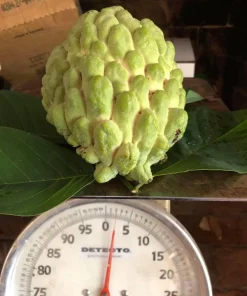
Atemoya Priestly Live Fruit Tree – 2 Feet Tall – Tropical Edible Plant
$116.00
Cultivate your own exotic fruit with this atemoya priestly live plant, standing at 2 feet tall. Known for its sweet, creamy fruit, this tropical tree is a delightful addition for fruit enthusiasts and gardeners in warm climates. Enjoy fresh, home-grown atemoyas right from your garden or patio.
Estimated arrival
Sep 14
Sep 19 - Sep 21
Sep 24 - Sep 28
Shop With Confidence
30-Day Plant Health Guarantee
Arrives damaged? We’ll replace it free — see our return policy.
Responsive Support
Email us anytime, we reply within 1 business day.
Expert Packaging
Temperature-controlled shipping to protect your plants in transit.
Secure Checkout
Pay safely with Visa, Mastercard, PayPal.
Plant Specifications
-
USDA Hardiness Zone
USDA zones 9-11 (or indoors) -
Soil Type
Well-draining sandy loam, rich in organic matter -
Sunlight Exposure
Full sun (6-8 hours direct light daily) -
Expected Planting Period
Year-round indoors; Spring to early summer outdoors
Overview
Embark on a tropical gardening adventure with the atemoya priestly live plant. This vibrant, 2-foot tall specimen is ready to thrive in your garden or a spacious container, promising a future harvest of its uniquely delicious fruit. The Atemoya ‘Priestly’ is a highly sought-after hybrid fruit tree, a cross between the cherimoya and sugar apple, celebrated for its rich, sweet, and custardy flesh with a hint of pineapple and vanilla. Originating from tropical and subtropical regions, this particular variety is known for its vigor and productivity, making it an excellent choice for both experienced growers and enthusiastic beginners looking to cultivate exotic fruits. Growing your own atemoya priestly live plant allows you to enjoy the freshest, most flavorful atemoyas, free from commercial handling and ripening agents. It’s not just a plant; it’s an investment in future culinary delights and a beautiful, lush addition to your outdoor space.
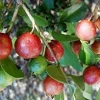
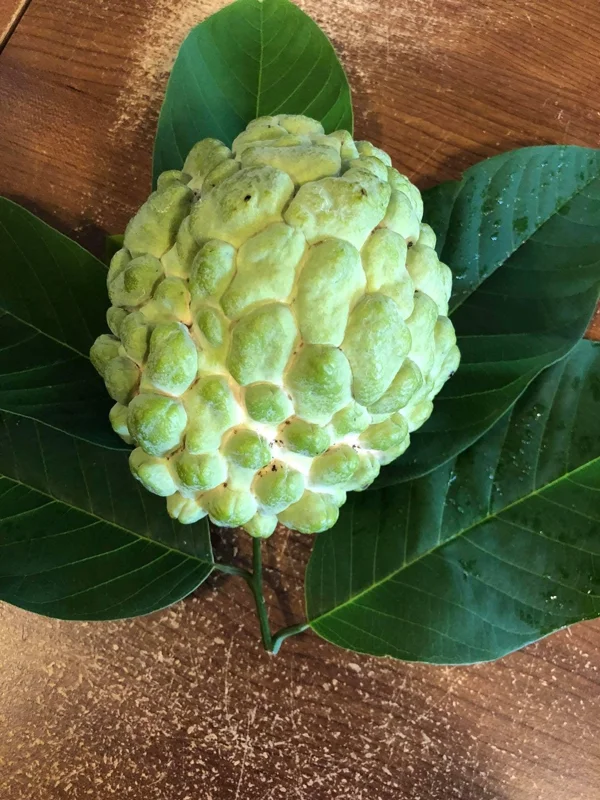
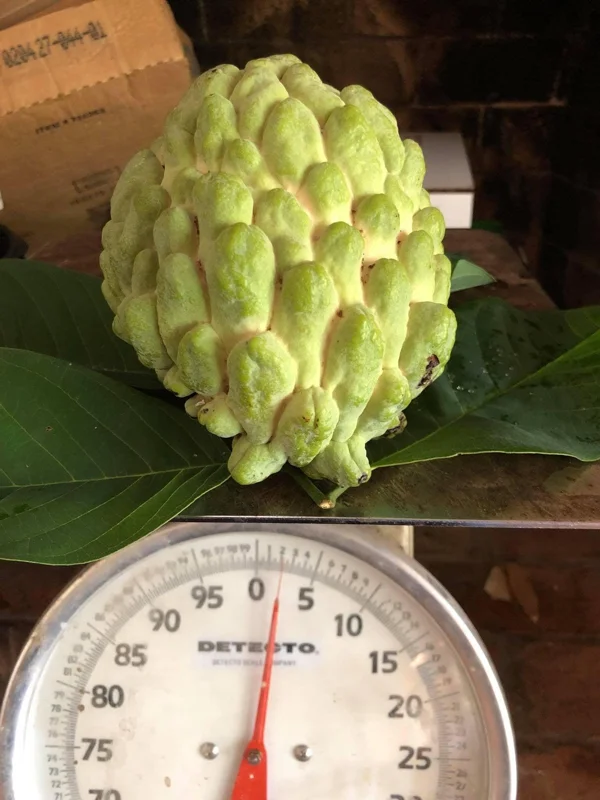
The Atemoya tree, specifically the ‘Priestly’ cultivar, is prized for its exquisite fruit, which is typically heart-shaped or conical with a bumpy, pale green skin. Inside, the creamy white pulp is sweet, aromatic, and melts in your mouth, making it a true tropical delicacy. This live plant provides the opportunity to experience the joy of growing an exotic fruit tree and harvesting your own gourmet produce. Its attractive foliage and unique fruit make it a conversation starter and a rewarding project for any gardener.
Key Benefits
Bringing an atemoya priestly live plant into your home or garden offers a multitude of benefits, from aesthetic appeal to the sheer joy of fresh, homegrown fruit:
- Exotic Fruit Production: Enjoy the unique, sweet, and creamy flavor of fresh atemoya fruit, a delicious blend of cherimoya and sugar apple. Growing your own ensures you get the freshest possible fruit, packed with natural sugars and vitamins.
- Beautiful Ornamental Tree: The Atemoya tree features attractive, lush green foliage that adds a tropical flair to any landscape or patio. Its upright growth habit and appealing leaf structure make it a visually pleasing addition even when not fruiting.
- Rewarding Growing Experience: Cultivating an exotic fruit tree from a young plant to a fruit-bearing specimen is incredibly satisfying. It offers a unique gardening challenge and the immense reward of tasting your own harvest.
- Potential Health Benefits: Atemoya fruit is known to be a good source of Vitamin C, dietary fiber, and antioxidants, contributing to a healthy diet. Freshly picked fruit retains more nutrients.
- Conversation Starter: An exotic fruit tree like the Atemoya ‘Priestly’ is sure to draw attention and spark conversations among friends and family, showcasing your unique gardening interests.
- Adaptable to Various Settings: While tropical, with proper care and protection, the atemoya priestly live plant can be grown in containers in cooler climates, allowing it to be moved indoors during colder months.
- Supports Local Ecosystem: If grown outdoors, the tree can attract pollinators, contributing to biodiversity in your garden.
Plant Care & Growing Tips
Caring for your atemoya priestly live plant is crucial for its healthy growth and bountiful fruit production. Atemoyas thrive in warm, tropical to subtropical climates and require specific conditions to flourish. They prefer a location with full sun exposure, meaning at least 6-8 hours of direct sunlight per day. Good drainage is paramount; soggy roots can quickly lead to problems. Plant your atemoya in well-draining soil, ideally a sandy loam or a rich potting mix if grown in a container. Ensure the soil pH is slightly acidic to neutral, between 6.0 and 7.0.
Watering should be consistent, especially during dry periods and when the tree is actively growing and fruiting. Allow the top inch or two of soil to dry out slightly between waterings, but avoid letting the soil become bone dry. Reduce watering in cooler months or when the tree is dormant. Fertilize your atemoya tree regularly during the growing season with a balanced fertilizer, specifically formulated for fruit trees. Follow the product instructions for application rates and frequency. Pruning is important to maintain shape, encourage branching, and improve fruit production. Remove any dead, diseased, or crossing branches, and thin out overcrowded areas to allow for better air circulation and light penetration. Protecting your plant from frost is essential; if temperatures drop below freezing, consider covering outdoor plants or bringing container-grown plants indoors. Understanding the specific needs of your atemoya fruit tree care will lead to a thriving plant.
Pollination can sometimes be a challenge with atemoyas, as the flowers are protogynous, meaning the female parts mature before the male parts. Hand pollination can significantly increase fruit set. This involves collecting pollen from mature male flowers and applying it to receptive female flowers, typically in the evening or early morning. Keep an eye out for pests like mealybugs or scale and address them promptly with horticultural oil or insecticidal soap. Proper air circulation and sanitation can help prevent fungal diseases. By following these guidelines, you can ensure your atemoya priestly live plant grows strong and produces delicious fruit for years to come.
Size & Details
This offering is for a healthy atemoya priestly live plant, standing approximately 2 feet tall from the base of the root ball to the tip of its tallest stem. It arrives as a well-rooted specimen, ready for transplanting into a larger pot or directly into your garden, depending on your climate. Atemoya trees are known for their moderate growth rate, eventually reaching heights of 15-20 feet in ideal conditions when planted in the ground, though they can be kept smaller with regular pruning. When grown in containers, their size will be restricted, making them suitable for patios or greenhouses. Expect fruit production to begin within 2-4 years under optimal growing conditions. This plant is shipped in its nursery pot, ensuring the root system remains undisturbed during transit, allowing for a smooth transition to its new home. The ‘Priestly’ variety is celebrated for its reliable fruiting and excellent fruit quality, making it a prime choice for those looking for an exceptional atemoya plant for sale.
Frequently Asked Questions
- Q: How big does this atemoya plant get? A: This atemoya priestly live plant is currently 2 feet tall. When planted in the ground, it can eventually reach heights of 15-20 feet, but its size can be managed with pruning, especially if grown in a large container.
- Q: Is this an indoor or outdoor plant? A: Atemoya trees are tropical plants that thrive outdoors in USDA zones 9-11. In colder climates, they can be grown in containers and brought indoors during winter to protect them from frost, making them versatile for various settings.
- Q: How much sunlight does the atemoya tree need? A: To produce the best fruit, your atemoya tree requires full sun exposure, meaning at least 6 to 8 hours of direct sunlight per day. Adequate light is crucial for both growth and fruit development.
- Q: Is this plant easy to care for? A: While not as low-maintenance as some houseplants, caring for an atemoya tree is manageable for enthusiastic gardeners. Understanding its specific needs for sunlight, water, and soil, as detailed in our atemoya fruit tree care guide, will ensure success.
- Q: What condition will it arrive in? A: Your atemoya priestly live plant will arrive as a healthy, well-rooted specimen in its original nursery pot, carefully packaged to minimize stress during shipping. We ensure the plant is ready for successful transplanting.
- Q: How long until it blooms and produces fruit? A: Under optimal growing conditions, you can typically expect your atemoya tree to begin flowering and producing fruit within 2 to 4 years of planting. Consistent care and proper pollination are key to accelerating this process.
- Q: Will it survive winter in my zone? A: Atemoya trees are sensitive to frost. They will survive outdoors year-round only in USDA hardiness zones 9-11. If you live in a colder zone, you must provide winter protection or grow it in a container that can be moved indoors.
- Q: What is the difference between cherimoya and atemoya? A: Atemoya is a hybrid of cherimoya and sugar apple. While both are delicious, atemoya often has a slightly smoother texture than cherimoya and is generally more tolerant of warmer climates than pure cherimoya. Understanding the nuances helps when you grow atemoya tree.
- Q: What kind of soil is best for an atemoya plant? A: Atemoyas prefer well-draining soil that is rich in organic matter. A sandy loam with a slightly acidic to neutral pH (6.0-7.0) is ideal. Good drainage is critical to prevent root rot.
- Q: Can I hand pollinate my atemoya? A: Yes, hand pollination is often recommended and can significantly improve fruit set for atemoya trees, as their flowers’ male and female parts mature at different times. This process is a key part of successful atemoya fruit tree care.
Be the first to review “Atemoya Priestly Live Fruit Tree – 2 Feet Tall – Tropical Edible Plant”
People Also Viewed



Reviews
There are no reviews yet.