
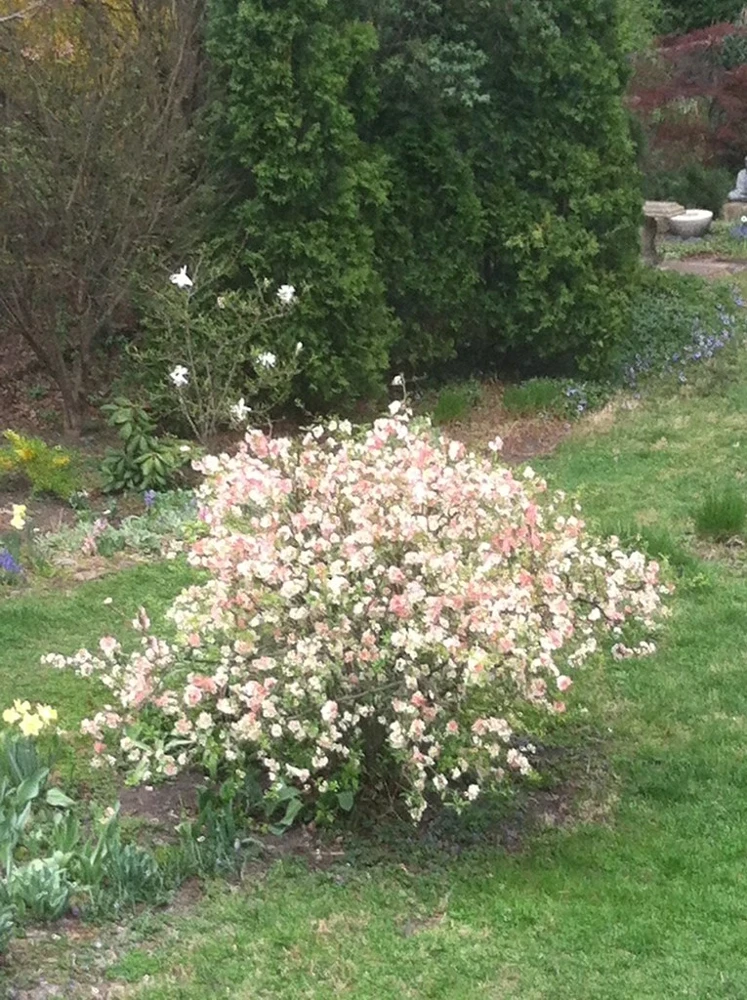
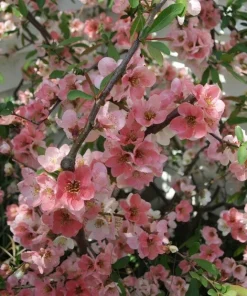
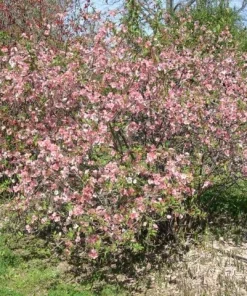
Japanese Flowering Quince ‘Toyo Nishiki’ Live Plant – 6+ Inches Tall Shrub
Original price was: $83.79.$63.79Current price is: $63.79.
Bring vibrant multi-colored blooms to your garden with the Japanese Flowering Quince live plant ‘Toyo Nishiki’. This beautiful shrub, botanically known as Chaenomeles speciosa care, is a hardy and delightful addition to any landscape. Enjoy its early spring flowers and easy maintenance, making it a perfect choice for both experienced gardeners and beginners. Learn how to grow flowering quince for stunning visual interest.
Estimated arrival
Oct 15
Oct 20 - Oct 22
Oct 25 - Oct 29
Shop With Confidence
30-Day Plant Health Guarantee
Arrives damaged? We’ll replace it free — see our return policy.
Responsive Support
Email us anytime, we reply within 1 business day.
Expert Packaging
Temperature-controlled shipping to protect your plants in transit.
Secure Checkout
Pay safely with Visa, Mastercard, PayPal.
Plant Specifications
Overview
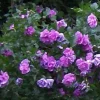
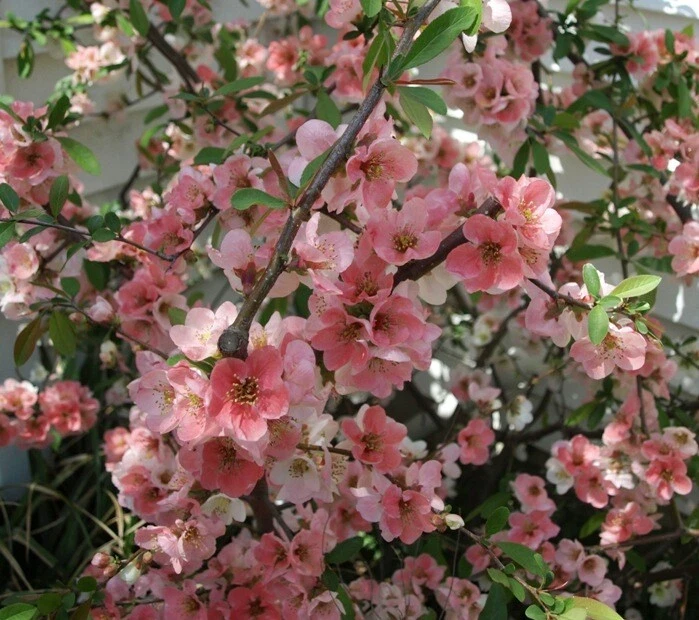
Introduce a splash of early spring color to your landscape with the stunning Japanese Flowering Quince live plant, specifically the ‘Toyo Nishiki’ variety. This deciduous shrub, scientifically known as Chaenomeles speciosa care ‘Toyo Nishiki’, is renowned for its unique ability to produce white, pink, and red flowers all on the same plant, often simultaneously. This captivating display makes it a standout feature in any garden, providing visual interest when most other plants are still dormant. Growing to a mature size of approximately 6+ inches tall, this Toyo Nishiki shrub is a versatile plant, suitable for various garden designs, from formal borders to informal cottage gardens. Its robust nature and striking blooms make it a cherished addition for gardeners seeking both beauty and resilience.
The ‘Toyo Nishiki’ cultivar is a particularly prized selection of flowering quince due to its exceptional floral diversity. Unlike other varieties that typically have a single bloom color, this plant offers a delightful medley of hues, creating a dynamic and ever-changing spectacle. The flowers emerge on bare branches before the leaves unfurl, signaling the arrival of spring with their cheerful presence. This early bloom time is one of the significant flowering quince benefits, as it extends the season of interest in your garden. Whether planted as a specimen plant, in a mass planting, or as part of a mixed border, the Japanese Flowering Quince live plant is sure to enchant with its vibrant and varied blossoms.
Key Benefits
The Japanese Flowering Quince live plant offers numerous advantages for any landscape. Its unique characteristics make it a popular choice among garden enthusiasts. Here are some of the key flowering quince benefits you can expect:
- Spectacular Multi-Colored Blooms: Enjoy the rare beauty of white, pink, and red flowers appearing simultaneously on a single plant. This vibrant display creates a dramatic focal point in your early spring garden, offering a unique visual experience that is hard to match.
- Early Spring Interest: As one of the first plants to bloom, the ‘Toyo Nishiki’ provides much-needed color and cheer when most other plants are still dormant. Its early flowering period extends the seasonal appeal of your garden, bringing life and vibrancy after winter.
- Hardy and Resilient: This shrub is known for its robust nature, tolerating a wide range of soil conditions and temperatures. It’s a low-maintenance plant that can withstand various environmental stressors, making it an excellent choice for gardeners seeking durability.
- Attracts Pollinators: The early blossoms of the Japanese Flowering Quince live plant provide a vital food source for early-emerging bees and other beneficial pollinators, contributing to the health and biodiversity of your garden ecosystem.
- Versatile Landscape Use: Perfect for hedges, borders, foundation plantings, or as a striking specimen plant. Its adaptability allows it to fit seamlessly into diverse garden designs, enhancing both formal and informal settings with its charm.
- Drought Tolerant Once Established: Once mature, the ‘Toyo Nishiki’ is relatively drought-tolerant, requiring less frequent watering. This makes it an excellent choice for water-wise gardening and reduces the overall care commitment.
- Deer Resistant: Generally, deer tend to avoid flowering quince, making it a suitable plant for areas where deer browsing is a concern. Enjoy its beauty without the worry of wildlife damage.
Plant Care & Growing Tips
To ensure your Japanese Flowering Quince live plant thrives, understanding proper Chaenomeles speciosa care is essential. This resilient shrub prefers a location with full sun to partial shade, meaning it needs at least 6 hours of direct sunlight per day for optimal flowering. While it can tolerate some shade, too little sun may result in fewer blooms. When planting, choose a spot with well-draining soil. Flowering quince is not particular about soil type and can adapt to sandy, loamy, or clay soils, as long as it drains well. Avoid waterlogged conditions, which can lead to root rot. For best results, amend heavy clay soils with organic matter to improve drainage.
Watering should be consistent, especially during the plant’s establishment period. Once established, the Toyo Nishiki shrub is relatively drought-tolerant, but regular watering during prolonged dry spells will promote healthier growth and more abundant blooms. Fertilize in early spring with a balanced slow-release fertilizer before new growth begins. Pruning is best done after flowering in the spring. Remove any dead, damaged, or crossing branches, and thin out older, less productive stems to encourage new growth and better air circulation. You can also prune to shape the plant or control its size. This plant is hardy in USDA zones 4-9, making it suitable for a wide range of climates. Protection from harsh winter winds may be beneficial in the colder zones.
Common problems are few for the Japanese Flowering Quince live plant, but watch out for issues like leaf spot or powdery mildew, especially in humid conditions. Ensure good air circulation and avoid overhead watering to minimize these risks. Pests are generally not a major concern, though aphids can sometimes appear on new growth. A strong spray of water or an insecticidal soap can usually manage them. Learning how to grow flowering quince successfully involves providing adequate sunlight, well-draining soil, and timely pruning, which will reward you with a spectacular display of multi-colored flowers each spring.
Size & Details
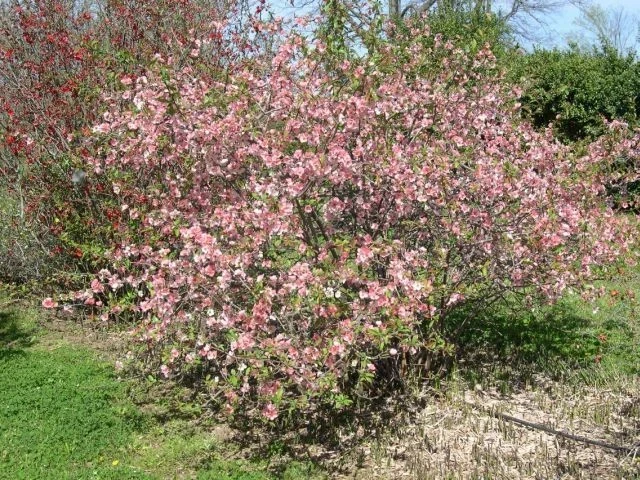
This offering is for a Japanese Flowering Quince live plant, specifically the ‘Toyo Nishiki’ variety, which measures 6+ inches in height. This size represents a healthy, young plant ready for transplanting into your garden or a larger container. The plant is typically shipped as a bare-root specimen or in a small pot, ensuring it arrives in optimal condition for planting. The ‘Toyo Nishiki’ is a moderate grower, reaching a mature height of 6-10 feet and a similar spread, depending on growing conditions and pruning practices. Its growth rate allows it to establish quickly while also being manageable in smaller garden spaces. Expect the first blooms to appear in early spring, often as early as late winter in milder climates, providing a much-anticipated burst of color.
The mature size and spreading habit of the Toyo Nishiki shrub make it an excellent choice for a variety of landscaping purposes. It can be used as a standalone specimen where its multi-colored flowers can be fully appreciated, or it can be integrated into hedgerows and mixed borders to add structure and early season interest. While the plant is typically sold based on its height, its robust root system will quickly establish once planted, leading to vigorous growth. The Japanese Flowering Quince live plant is a long-lived shrub, providing many years of beautiful blooms with minimal effort. Its adaptability to various soil types and its general hardiness contribute to its ease of care and enduring appeal.
Frequently Asked Questions
- Q: How big does this Japanese Flowering Quince get? A: The ‘Toyo Nishiki’ variety typically grows to a mature height of 6-10 feet and can spread similarly wide. Its ultimate size can be influenced by pruning and growing conditions, allowing for some control over its dimensions.
- Q: Is this an indoor or outdoor plant? A: The Japanese Flowering Quince live plant is an outdoor deciduous shrub, best suited for garden beds, hedges, or as a specimen plant in a landscape setting. It is not generally grown as an indoor houseplant.
- Q: How much sunlight does it need? A: This shrub thrives in full sun to partial shade, meaning it requires at least 6 hours of direct sunlight daily for the most abundant flowering. While it tolerates some shade, consistent full sun will produce the best bloom display.
- Q: Is this plant easy to care for? A: Yes, the Toyo Nishiki shrub is known for its low maintenance requirements and hardiness, making it an excellent choice for both beginner and experienced gardeners. It’s quite forgiving once established.
- Q: What condition will it arrive in? A: Your Japanese Flowering Quince live plant will arrive as a healthy, young plant, typically 6+ inches tall, either bare-root or in a small pot, ready for planting. We ensure careful packaging to protect it during transit.
- Q: When is the best time to plant a flowering quince? A: The best time to plant a flowering quince is in spring or fall. This allows the plant to establish its root system before the extreme temperatures of summer or winter.
- Q: Will it survive winter in my zone? A: The Japanese Flowering Quince live plant is hardy in USDA Zones 4-9, meaning it is well-adapted to survive winters across a broad range of climates. In colder zones, some winter protection may be beneficial.
- Q: What are the main flowering quince benefits? A: Key benefits include its unique multi-colored flowers, early spring blooming, drought tolerance, deer resistance, and overall hardiness, making it a valuable and beautiful addition to any garden.
- Q: How do I ensure abundant blooms? A: To encourage plentiful blooms, ensure your plant receives ample sunlight (at least 6 hours daily), is planted in well-draining soil, and is pruned after flowering to promote new growth. Proper Chaenomeles speciosa care is key.
- Q: What kind of soil does it prefer? A: The ‘Toyo Nishiki’ is adaptable to most soil types, but it performs best in well-draining soil. It can tolerate sandy, loamy, or clay soils as long as they do not retain excessive moisture.
Be the first to review “Japanese Flowering Quince ‘Toyo Nishiki’ Live Plant – 6+ Inches Tall Shrub”
People Also Viewed

Reviews
There are no reviews yet.