
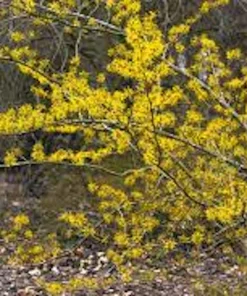

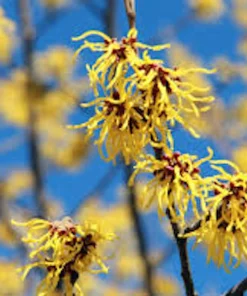
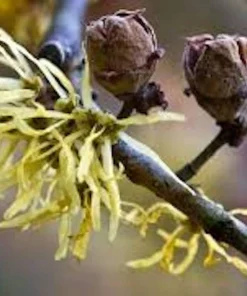
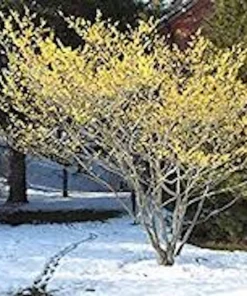
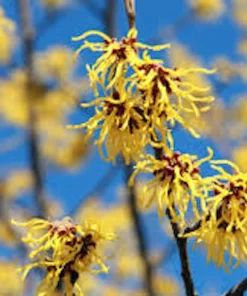
Witch Hazel Tree Hamamelis virginiana – Native Live Plant 12-24in Tall Quart Pot
Original price was: $74.99.$49.99Current price is: $49.99.
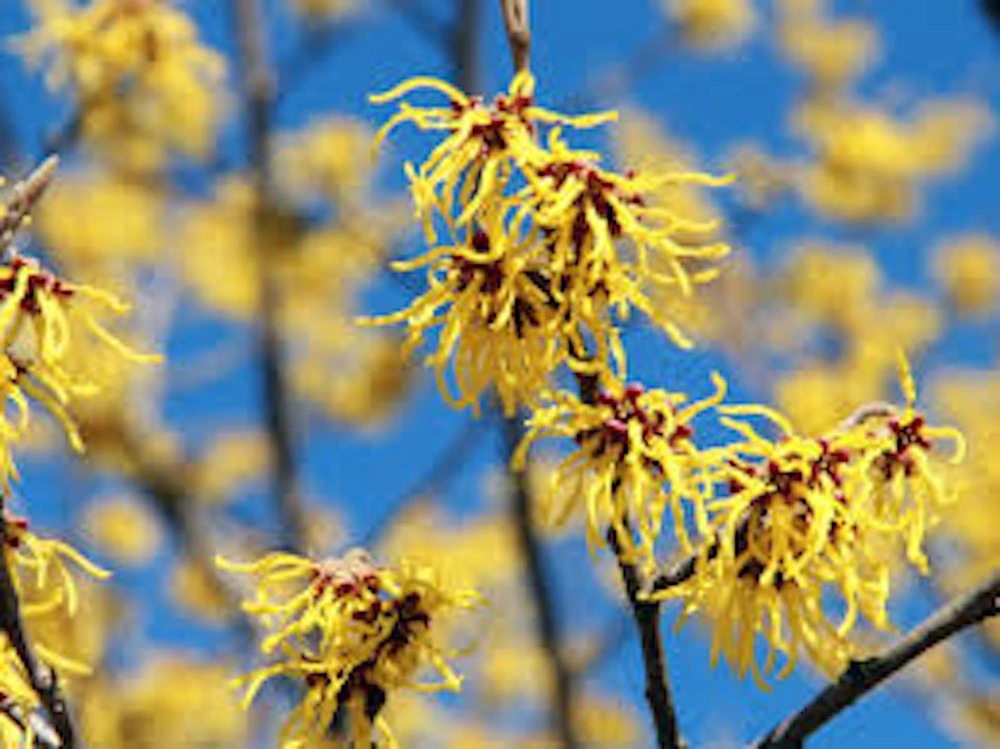
Bring a touch of native beauty to your landscape with this witch hazel live plant. The Hamamelis virginiana tree is a hardy, deciduous tree known for its unique, fragrant fall and winter blooms. Perfect for adding year-round interest and natural charm to your garden.
Estimated arrival
Sep 29
Oct 04 - Oct 06
Oct 09 - Oct 13
Shop With Confidence
30-Day Plant Health Guarantee
Arrives damaged? We’ll replace it free — see our return policy.
Responsive Support
Email us anytime, we reply within 1 business day.
Expert Packaging
Temperature-controlled shipping to protect your plants in transit.
Secure Checkout
Pay safely with Visa, Mastercard, PayPal.
Plant Specifications
-
USDA Hardiness Zone
3-8 -
Soil Type
Well-draining, moist, rich in organic matter -
Sunlight Exposure
Full sun to partial shade -
Expected Planting Period
Spring to Fall
Overview
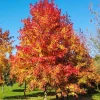
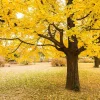
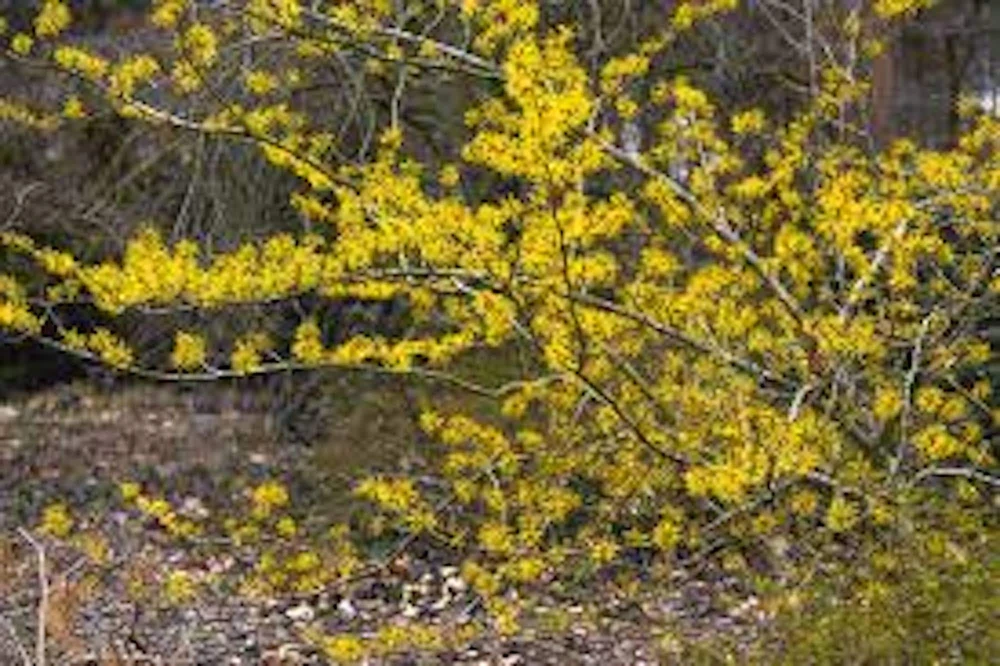
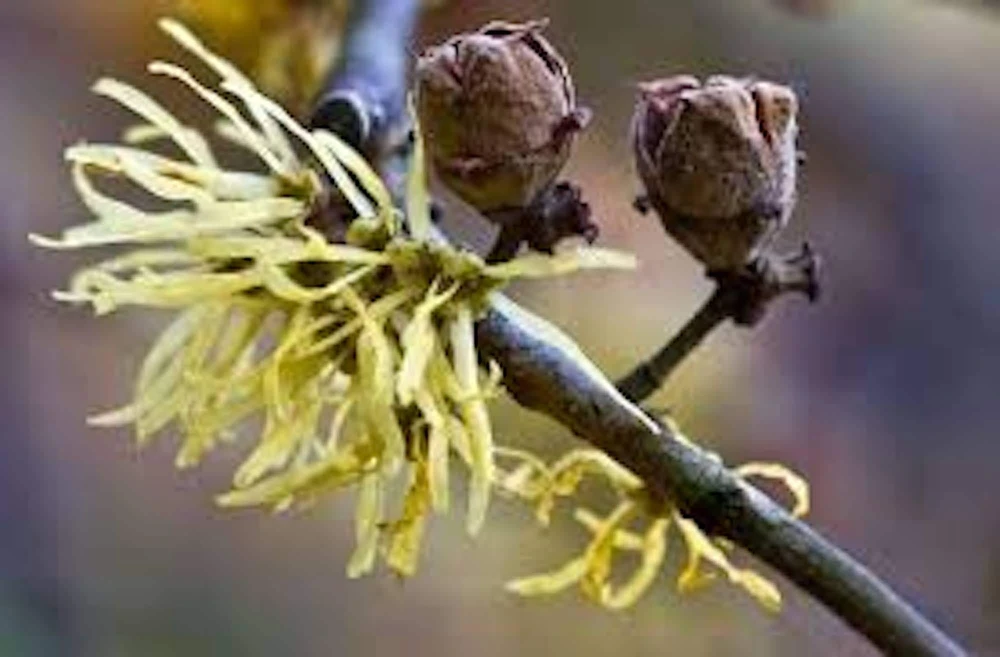
Introduce a touch of natural elegance and year-round interest to your landscape with the witch hazel live plant. This offering features the magnificent Hamamelis virginiana tree, a species highly prized for its distinctive, spidery yellow flowers that bravely emerge in late autumn and winter, often when other plants are dormant. As a native tree plant, it is perfectly adapted to various climates and soil conditions, making it an excellent, low-maintenance choice for gardeners across many regions. Growing up to 20 feet tall, this deciduous tree provides not only beautiful seasonal blooms but also attractive foliage that turns vibrant yellow in the fall, ensuring continuous visual appeal in your garden.
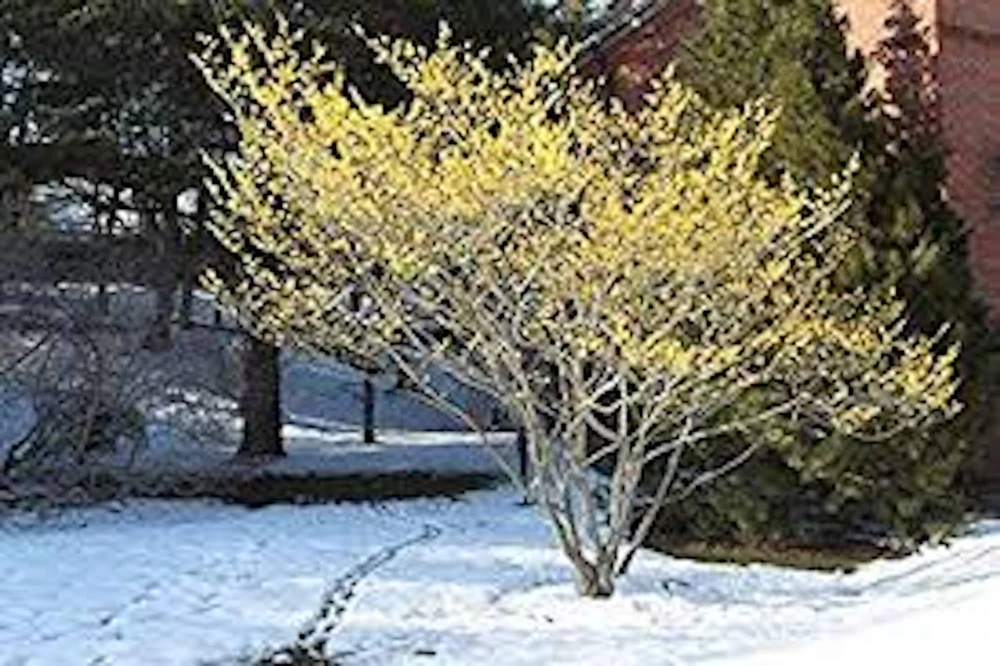
The Hamamelis virginiana is known for its upright, rounded shape, making it a versatile addition to borders, woodland gardens, or as a striking specimen plant. Its unique flowering period provides much-needed color and texture during the colder months, a true delight for any plant enthusiast. Beyond its ornamental value, Witch Hazel has historical significance for its medicinal properties, with extracts commonly used in skincare. By choosing this witch hazel live plant, you are investing in a piece of natural heritage that will thrive and beautify your outdoor space for years to come.
Key Benefits
The Hamamelis virginiana tree offers a multitude of benefits, enhancing both the aesthetic and ecological value of your garden. Its resilience and unique characteristics make it a standout choice for discerning gardeners.
- Unique Winter Interest: Witch Hazel is one of the few plants that bloom in late fall and winter, providing fragrant, spidery yellow flowers that bring cheer and color when most of the garden is dormant. This makes it an invaluable asset for extending the gardening season.
- Native and Hardy: As a native tree plant, Hamamelis virginiana is exceptionally hardy and well-suited to its natural environment. It requires less intervention and is more resistant to local pests and diseases, making it a sustainable choice.
- Attractive Fall Foliage: Before its winter bloom, the foliage of the witch hazel live plant transforms into brilliant shades of yellow, adding another layer of seasonal beauty to your landscape. This provides multi-season appeal.
- Wildlife Friendly: The early blooms provide an important nectar source for early-emerging pollinators, contributing to local biodiversity and supporting the ecosystem in your garden.
- Low Maintenance: Once established, this tree is relatively easy to care for, requiring minimal pruning and attention. Its natural adaptability reduces the need for extensive care, making it ideal for busy gardeners.
- Versatile Landscape Use: With its upright, rounded growth habit, the Hamamelis virginiana tree can be used as a specimen plant, in shrub borders, or within a woodland garden setting, offering flexibility in design.
- Medicinal Properties: Historically, Witch Hazel has been used for its astringent and anti-inflammatory properties, with extracts commonly found in topical remedies, adding an interesting historical dimension to the plant.
Plant Care & Growing Tips
Proper witch hazel care ensures your plant thrives and provides beautiful blooms for many years. This hardy native tree plant is relatively easy to grow, but understanding its specific needs will help it flourish. For best results, plant your Witch Hazel in a location that receives full sun to partial shade. While it can tolerate some shade, more sunlight generally leads to better flowering. Ensure the soil is well-draining, moist, and rich in organic matter. Witch Hazel prefers slightly acidic to neutral soil pH. Avoid overly wet or compacted soils, as this can lead to root issues. Incorporating compost into the planting hole will provide essential nutrients and improve soil structure.
Water your witch hazel live plant regularly, especially during its first growing season, to establish a strong root system. Once established, it is fairly drought-tolerant but will benefit from consistent moisture during dry periods. Mulching around the base of the tree with organic material like wood chips or shredded bark helps retain soil moisture, regulate soil temperature, and suppress weeds. Fertilization is generally not heavily required; a balanced, slow-release fertilizer in early spring can be beneficial if your soil is poor. Pruning should be minimal and primarily focused on removing dead, damaged, or crossing branches to maintain a healthy structure. The best time to prune is after flowering, in late winter or early spring. This approach to witch hazel care will ensure a robust and beautiful specimen in your garden.
Size & Details
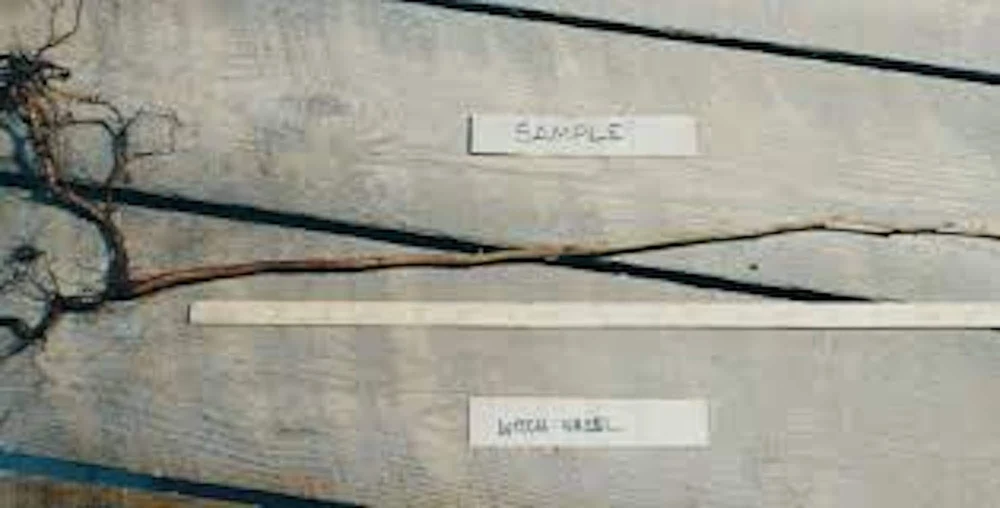
This offering includes one witch hazel live plant, measuring approximately 12-24 inches tall. It is provided in a quart-sized pot, ensuring a healthy root system ready for planting. The Hamamelis virginiana tree typically grows to a mature height of 12 to 20 feet, with a spread of 15 to 20 feet, although in ideal conditions, it can reach up to 25 feet. It exhibits a slow to moderate growth rate, adding about 6 to 12 inches per year. Expect this native tree plant to take several years, typically 5-10, to reach its full maturity and flowering potential, particularly in cooler, temperate climates where it naturally thrives. The plant will be shipped either bare root during its dormant fall and winter seasons or in its pot during the active growing season, ensuring it arrives in the best possible condition for successful transplanting into your garden.
Frequently Asked Questions
- Q: How big does this witch hazel live plant get? A: The witch hazel live plant typically reaches a mature height of 12 to 20 feet with a similar spread. Under optimal conditions, it can grow up to 25 feet tall, developing an upright, rounded shape.
- Q: What size pot does it come in? A: This witch hazel live plant is shipped in a quart-sized pot, providing a healthy root ball for successful transplanting into your garden.
- Q: Is this an indoor or outdoor plant? A: The Hamamelis virginiana tree is an outdoor plant, best suited for garden landscapes, woodlands, or as a specimen tree. It is not typically grown as an indoor houseplant.
- Q: How much sunlight does it need? A: This native tree plant thrives in full sun to partial shade. More sunlight generally leads to a more profuse and vibrant display of its unique fall and winter blooms.
- Q: Is this witch hazel care easy for beginners? A: Yes, witch hazel care is considered relatively easy once established. It’s a hardy native plant that requires minimal maintenance, making it suitable for gardeners of all experience levels.
- Q: What condition will it arrive in? A: During fall and winter dormancy, the plant ships bare root. During the growing season, it ships in its quart pot, ensuring it arrives healthy and ready for planting.
- Q: How long until it blooms? A: While this young plant will be establishing its roots, you can expect the Hamamelis virginiana tree to begin flowering within a few years, typically reaching its full flowering potential after 5-10 years.
- Q: Will it survive winter in my zone? A: Yes, this native tree plant is hardy in USDA Zones 3-8, meaning it is well-adapted to survive cold winter temperatures within these regions.
- Q: What’s the minimum temperature it can tolerate? A: As a hardy plant in USDA Zones 3-8, the Hamamelis virginiana tree can tolerate winter temperatures well below freezing, typically down to -40°F (-40°C) in Zone 3.
- Q: What is the best time to plant a witch hazel tree? A: The best time to plant your witch hazel live plant is in the spring or fall when temperatures are moderate, allowing the roots to establish before extreme heat or cold.
Be the first to review “Witch Hazel Tree Hamamelis virginiana – Native Live Plant 12-24in Tall Quart Pot”
People Also Viewed
Aquatic Plants
Eleocharis Radicans Live Aquatic Plant – Bonsai Hairgrass 2in Pot for Aquarium Terrarium

Trees
Pecan Nut Tree Live Plant – Gilbert Variety – 5 inch Pot – High-Yield Edible Pecans – Full Sun
Reviews
There are no reviews yet.