
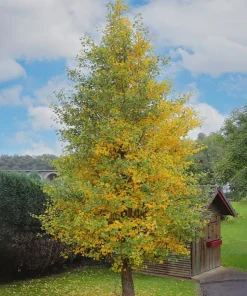
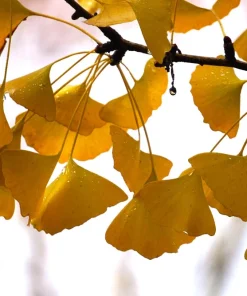
Ginkgo Biloba Tree Live Plant – 12-24″ Tall Starter, Quart Pot, Outdoor
Original price was: $129.99.$104.99Current price is: $104.99.
Cultivate a unique and resilient Ginkgo Biloba tree in your landscape. This 12-24 inch starter plant, provided in a quart pot, is perfect for adding distinctive beauty and brilliant fall color. Adaptable and low-maintenance, ideal for USDA Zones 3-8.
Estimated arrival
Sep 29
Oct 04 - Oct 06
Oct 09 - Oct 13
Shop With Confidence
30-Day Plant Health Guarantee
Arrives damaged? We’ll replace it free — see our return policy.
Responsive Support
Email us anytime, we reply within 1 business day.
Expert Packaging
Temperature-controlled shipping to protect your plants in transit.
Secure Checkout
Pay safely with Visa, Mastercard, PayPal.
Plant Specifications
-
USDA Hardiness Zone
USDA Zones 3-8 -
Soil Type
Well-draining soil (adaptable to clay, loam, sand) -
Sunlight Exposure
Full sun -
Expected Planting Period
Spring to early fall
Overview
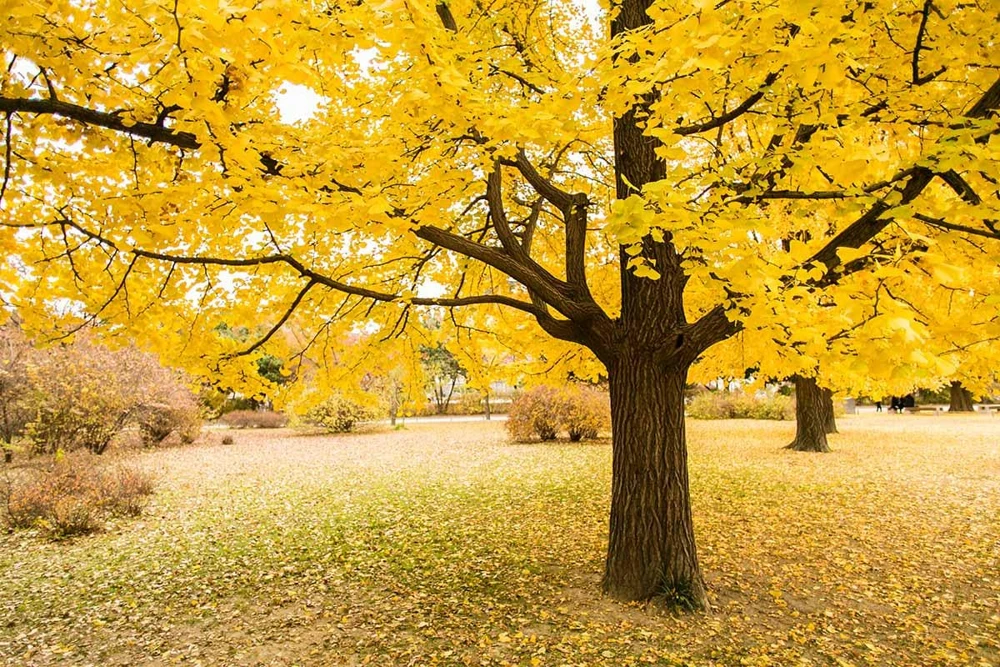
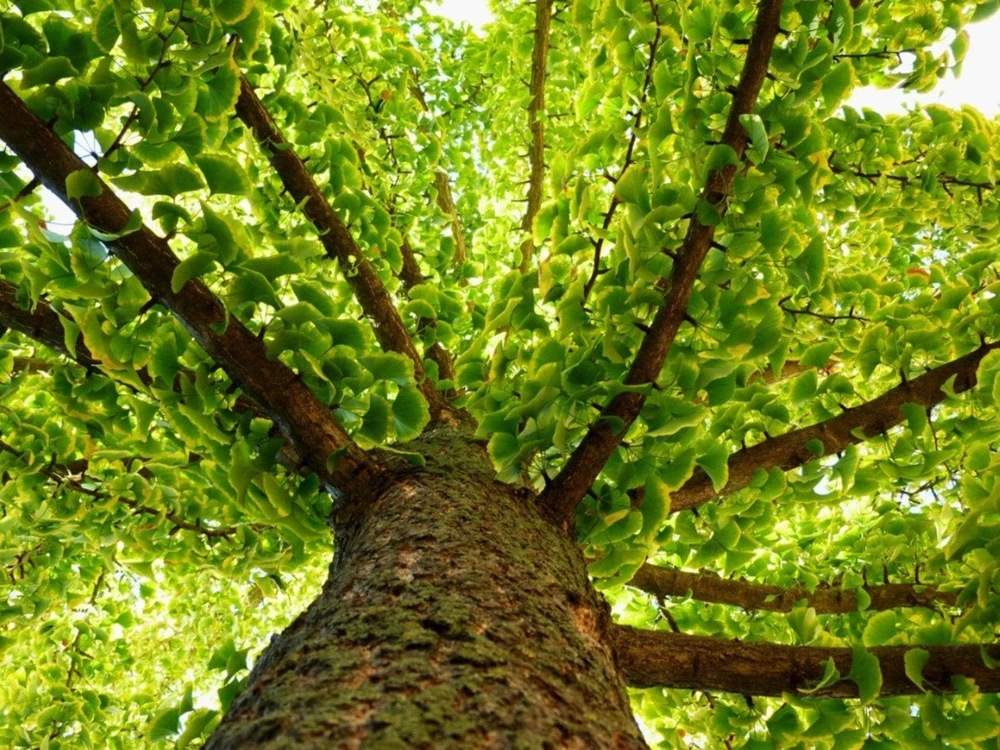
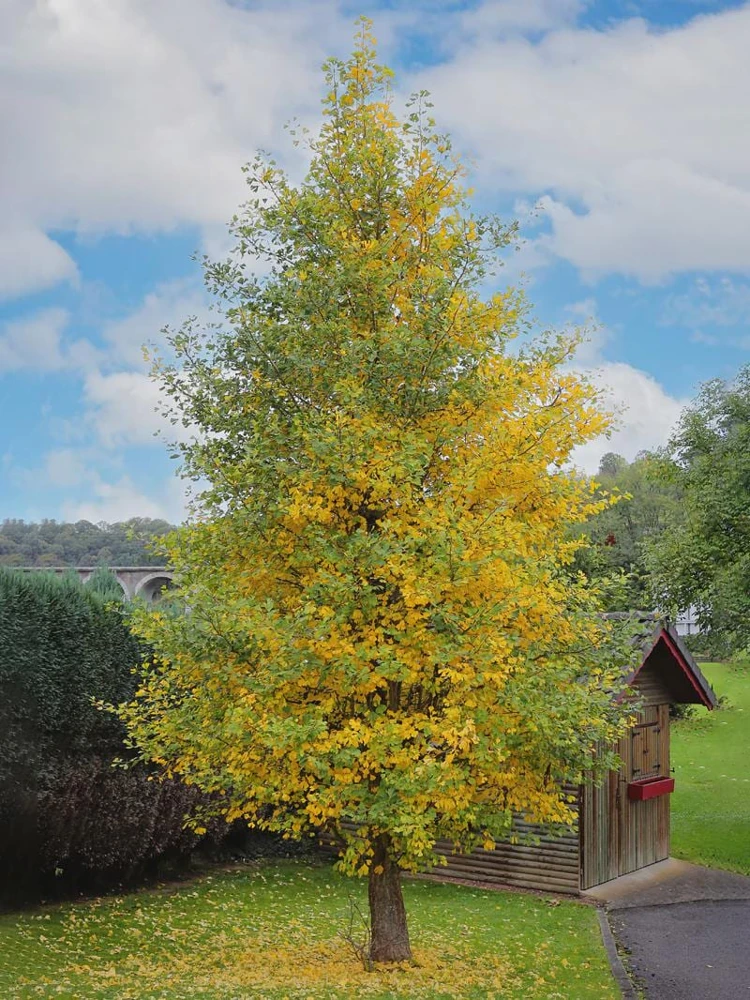
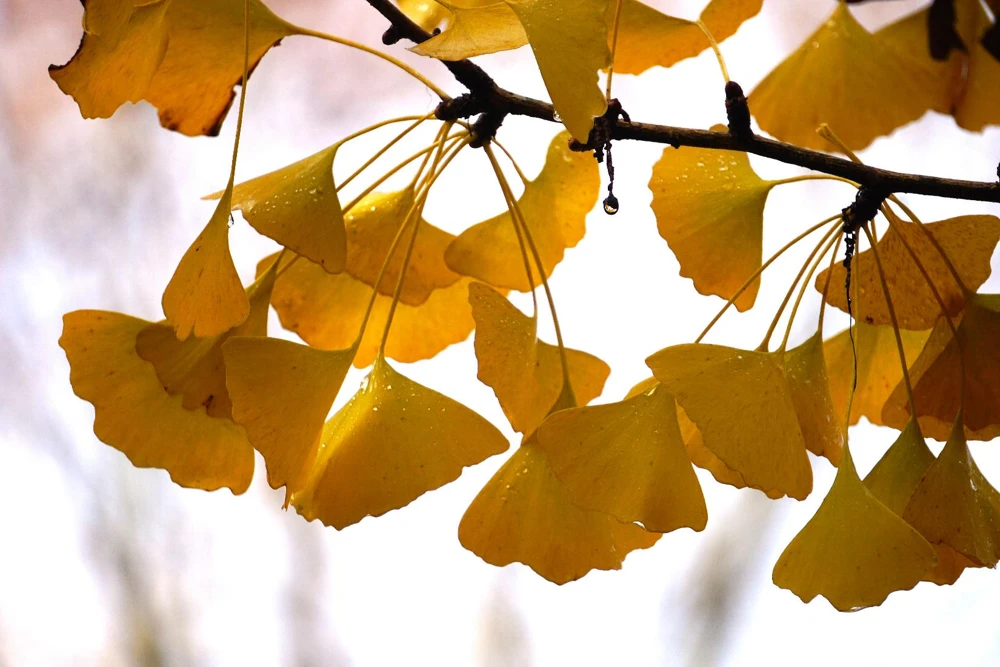
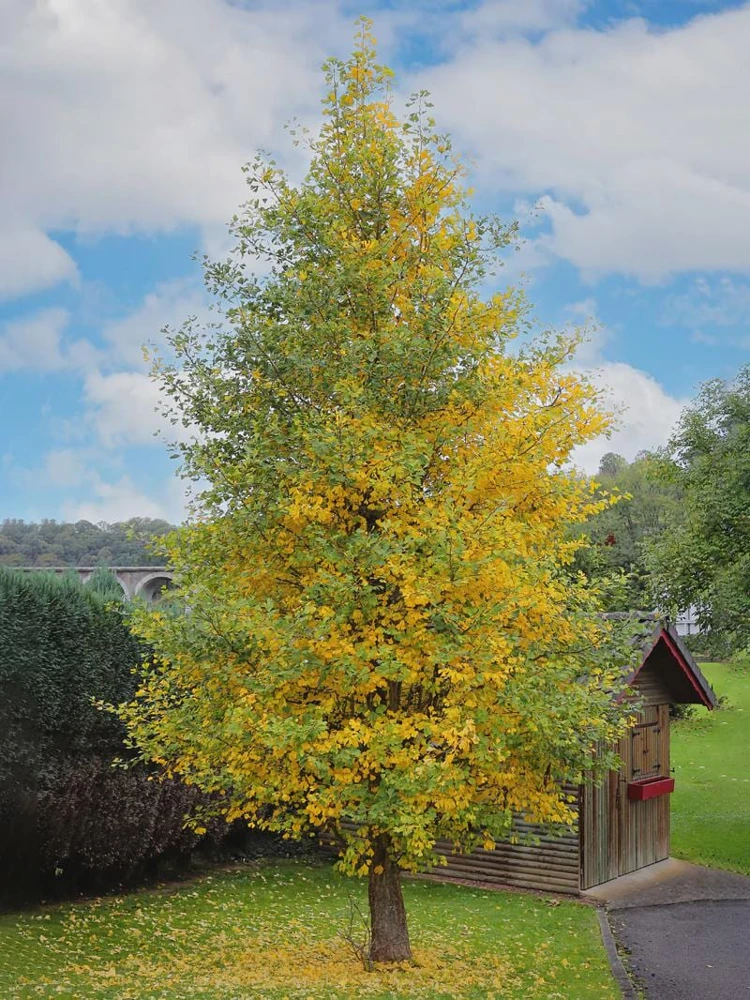
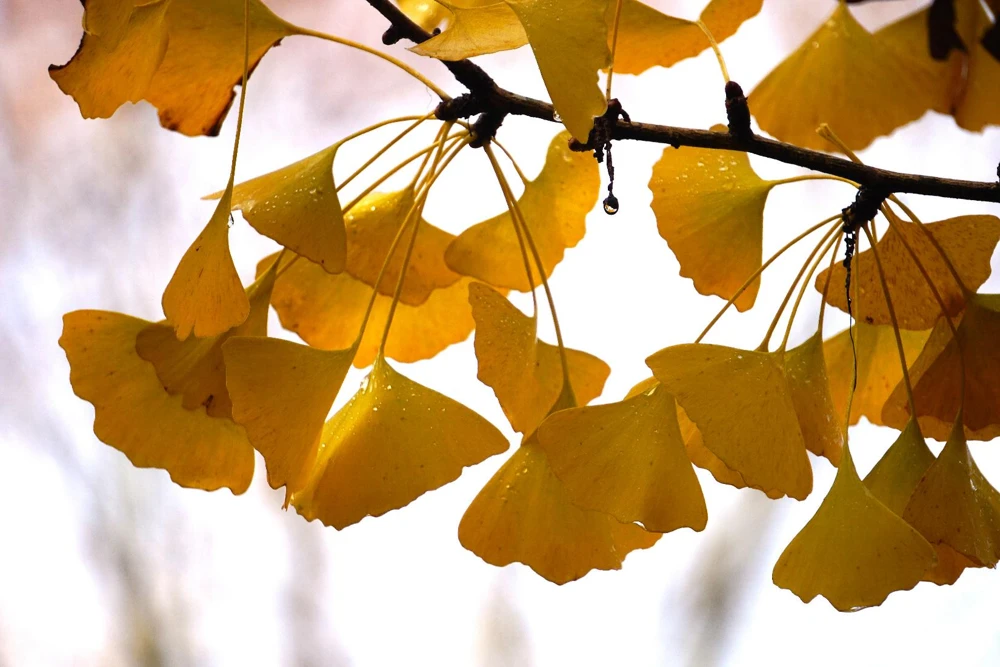
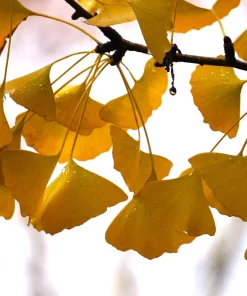
Introduce an ancient wonder to your garden with the Ginkgo Biloba tree. This offering is for a live starter plant, typically 12-24 inches tall and provided in a convenient quart pot, ready for planting. The Ginkgo biloba plant, often referred to as the Maidenhair tree, is a living fossil, celebrated for its distinctive fan-shaped leaves that turn a brilliant golden-yellow in the fall. It’s a truly unique ornamental and shade tree that brings historical significance and unparalleled beauty to any landscape. Known for its incredible resilience, the Ginkgo is an excellent choice for a variety of environments, making it a favorite among landscapers and home gardeners alike.
The Ginkgo tree (Ginkgo biloba) is not only visually striking but also remarkably adaptable. It can thrive in a range of conditions, making it a robust addition to urban settings where other trees might struggle. Its ability to withstand pests, diseases, drought, and air pollution sets it apart as a highly durable and long-lasting choice for your outdoor space. Whether you’re looking to create a focal point, provide shade, or simply enjoy its seasonal display, a Ginkgo Biloba tree is an investment in enduring natural beauty.
Key Benefits
The Ginkgo Biloba tree offers a multitude of benefits, making it an exceptional choice for any garden or landscape project. Its unique characteristics contribute to both aesthetic appeal and environmental resilience:
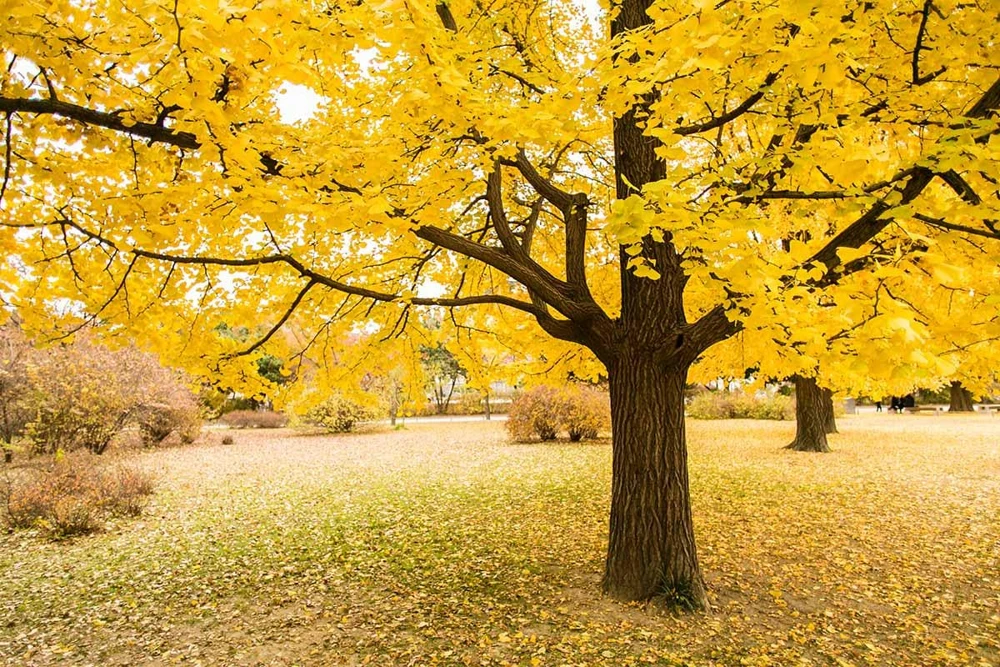
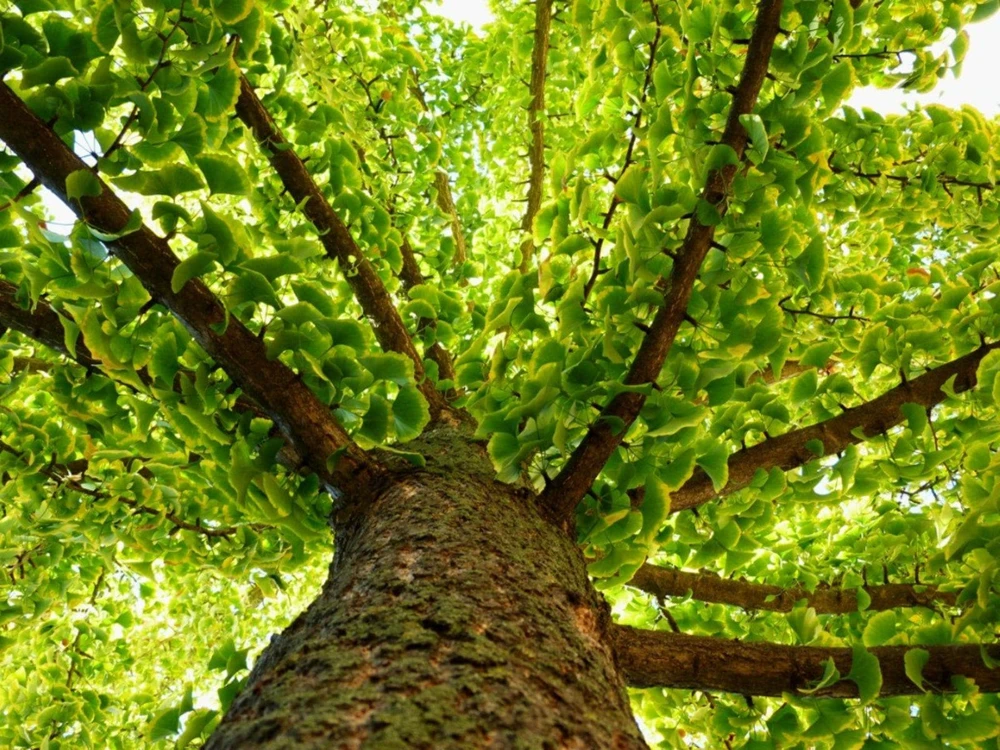
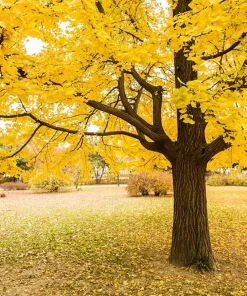
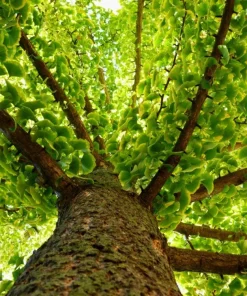
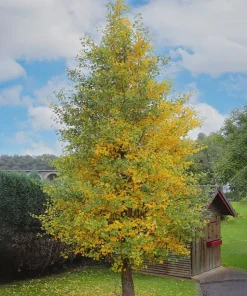
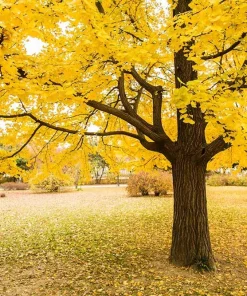
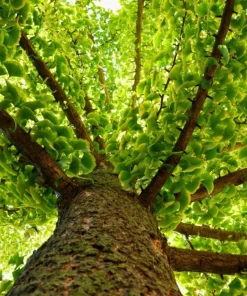
- Distinctive Foliage: Enjoy the iconic fan-shaped leaves that are unlike any other tree. These leaves provide a lush green canopy through spring and summer, transforming into a spectacular golden-yellow display in the fall, creating a stunning visual impact.
- Exceptional Hardiness: The Ginkgo biloba plant is incredibly resilient, thriving in a wide range of conditions. It is known for its resistance to most common pests and diseases, reducing the need for constant intervention and maintenance.
- Drought Tolerance: Once established, this tree is highly tolerant of drought conditions, making it a sustainable choice for areas with varying rainfall or for gardeners seeking water-wise options.
- Urban Pollution Resistance: The Ginkgo tree performs exceptionally well in urban environments, demonstrating strong tolerance to air pollution. This makes it an ideal tree for city parks, street plantings, and residential areas in populated regions.
- Adaptable to Various Soils: This versatile tree can adapt to a broad spectrum of soil types, including clay, loam, and sandy soils, as long as drainage is adequate. This flexibility simplifies planting and ensures success in diverse garden settings.
- Long Lifespan: As an ancient species, the Ginkgo tree is known for its remarkable longevity. Planting a Maidenhair tree means establishing a living legacy that can be enjoyed for generations, growing into a magnificent specimen over time.
- Low Maintenance: Once established, the Ginkgo requires minimal care, making it an excellent choice for both experienced and novice gardeners. Its natural resilience reduces the need for extensive pruning or chemical treatments.
Plant Care & Growing Tips
Caring for your Ginkgo Biloba tree is relatively straightforward due to its inherent hardiness and adaptability. These trees are remarkably forgiving and can thrive in a variety of conditions, making them a great choice for many gardeners. For optimal growth and health, understanding their basic needs is key. Your Ginkgo biloba plant will appreciate a thoughtful approach to its placement and ongoing care.
When it comes to sunlight, Ginkgo trees perform best in full sun, meaning they need at least 6 hours of direct sunlight per day. While they can tolerate partial shade, their fall color display will be most vibrant and their growth most robust with ample sun exposure. For watering, young trees, like this starter plant, will require consistent moisture to establish a strong root system. Water deeply once or twice a week, especially during dry periods, ensuring the soil remains moist but not waterlogged. Once established, the Ginkgo tree is quite drought-tolerant and will only need supplemental watering during extended dry spells. Proper drainage is crucial; while adaptable to various soil types, including clay, loamy, and sandy soils, ensure the planting site drains well to prevent root rot.
The Ginkgo tree care routine also includes considering its hardiness. These trees are incredibly hardy, thriving in USDA Zones 3 through 8, which covers a vast range of climates across the US. They are tolerant of a wide temperature range, from cold winters to hot summers. Fertilization is generally not heavily required for established Ginkgos, but a balanced, slow-release fertilizer can be applied in early spring for young trees to encourage vigorous growth. Common problems are rare for Ginkgos due to their natural resistance, but occasionally, young trees may experience transplant shock. Ensure consistent watering and avoid over-fertilization during the first year. Pruning is typically minimal, focused on removing dead or crossing branches to maintain a strong structure. With these simple tips, your Ginkgo Biloba tree will flourish into a magnificent landscape feature.
Size & Details
This offering includes 5 Ginkgo Biloba tree starter plants, each measuring approximately 12-24 inches in height. They are provided in quart-sized nursery pots, ensuring a healthy root system ready for transplanting into your garden. While the minimum height is 6-12 inches, most plants will be within the 12-24 inch range upon arrival, offering a substantial start to your landscaping project. These young trees are ready to be planted in their permanent outdoor location, where they will begin to establish themselves and grow.
Ginkgo trees have a moderate growth rate, typically adding 1-2 feet per year once established. Over many years, they can reach impressive heights of 50-80 feet with a spread of 30-40 feet, developing into majestic shade trees. However, their growth can be managed with proper pruning if a smaller size is desired. Expect these Ginkgo biloba plant specimens to begin showcasing their characteristic fan-shaped leaves and developing a strong structure in their first few years in your landscape. They are shipped as live, actively growing plants, ensuring a fresh start for your garden.
Frequently Asked Questions
- Q: How big does this Ginkgo Biloba tree get? A: These starter plants are 12-24 inches tall. Once mature, a Ginkgo Biloba tree can reach heights of 50-80 feet with a spread of 30-40 feet, though growth can vary based on conditions and pruning.
- Q: What size pot does it come in? A: Each Ginkgo biloba plant is shipped in a quart-sized nursery pot, providing a healthy root ball for successful transplanting into your garden.
- Q: Is this an indoor or outdoor plant? A: The Ginkgo Biloba tree is an outdoor plant, highly suited for landscaping. It requires significant space to grow to its full potential and is not typically grown as an indoor houseplant.
- Q: How much sunlight does it need? A: Ginkgo trees thrive in full sun, requiring at least 6 hours of direct sunlight daily for the best growth and fall color display. They can tolerate partial shade but may not grow as vigorously.
- Q: Is this plant easy to care for? A: Yes, the Ginkgo Biloba tree is known for being remarkably easy to care for once established. It’s resilient to pests, diseases, and urban pollution, making it a low-maintenance choice.
- Q: What condition will it arrive in? A: Your Ginkgo Biloba tree starter plants will arrive as live, healthy specimens, actively growing in their quart pots, ready for planting.
- Q: When is the best time to plant a Ginkgo tree? A: The best time to plant a Maidenhair tree is typically in spring or early fall, allowing the roots to establish before extreme summer heat or winter cold.
- Q: Will it survive winter in my zone? A: The Ginkgo tree is very hardy and will survive winters in USDA Zones 3 through 8. Check your local USDA zone to ensure it’s suitable for your area.
- Q: What kind of soil does a Ginkgo tree prefer? A: While adaptable to various soil types, the Ginkgo Biloba tree prefers well-draining soil. It can tolerate clay, loam, and sandy soils as long as they don’t remain waterlogged.
- Q: Are there any specific pests or diseases I should watch out for with Ginkgo trees? A: Ginkgo trees are exceptionally resistant to most pests and diseases, making them a very low-trouble tree. Serious issues are rare, contributing to their reputation for being a robust and healthy choice.
Be the first to review “Ginkgo Biloba Tree Live Plant – 12-24″ Tall Starter, Quart Pot, Outdoor”
People Also Viewed

Reviews
There are no reviews yet.