
3 Pignut Hickory Live Plant (Carya glabra) – 12-24 inch Starter Tree, Bare Root
Original price was: $101.99.$76.99Current price is: $76.99.
Cultivate a resilient and beautiful pignut hickory live plant (Carya glabra) for your landscape. This offering includes 3 starter trees, each 12-24 inches tall, ideal for establishing a long-lived hardwood specimen with distinctive nuts and vibrant fall color. Perfect for outdoor planting.
Estimated arrival
Sep 29
Oct 04 - Oct 06
Oct 09 - Oct 13
Shop With Confidence
30-Day Plant Health Guarantee
Arrives damaged? We’ll replace it free — see our return policy.
Responsive Support
Email us anytime, we reply within 1 business day.
Expert Packaging
Temperature-controlled shipping to protect your plants in transit.
Secure Checkout
Pay safely with Visa, Mastercard, PayPal.
Plant Specifications
-
USDA Hardiness Zone
USDA Zones 4-9 -
Soil Type
Deep, moist, well-draining soil -
Sunlight Exposure
Full sun to partial shade -
Expected Planting Period
Early spring or late fall
Overview
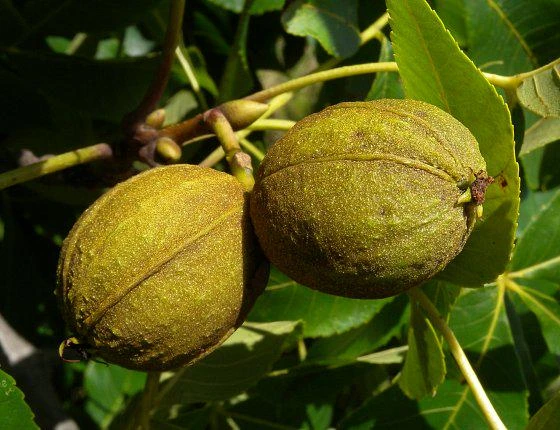
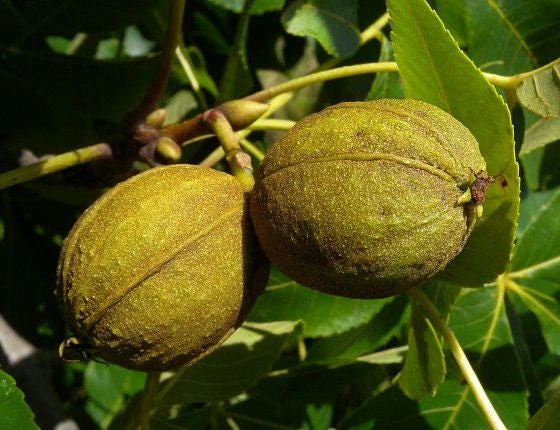
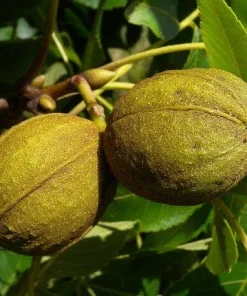
Discover the enduring beauty and resilience of the pignut hickory live plant (Carya glabra), a magnificent hardwood tree native to the eastern United States and parts of southern Ontario. Known for its robust nature and significant ecological value, this species is an excellent choice for those looking to add a long-lived, stately tree to their property. Our offering includes 3 starter plants, each measuring 12-24 inches, ready to establish themselves and begin their journey toward maturity. The carya glabra tree is celebrated for its exceptionally tough wood, making it a valuable timber species, and its unique pear-shaped nuts, which provide sustenance for wildlife.
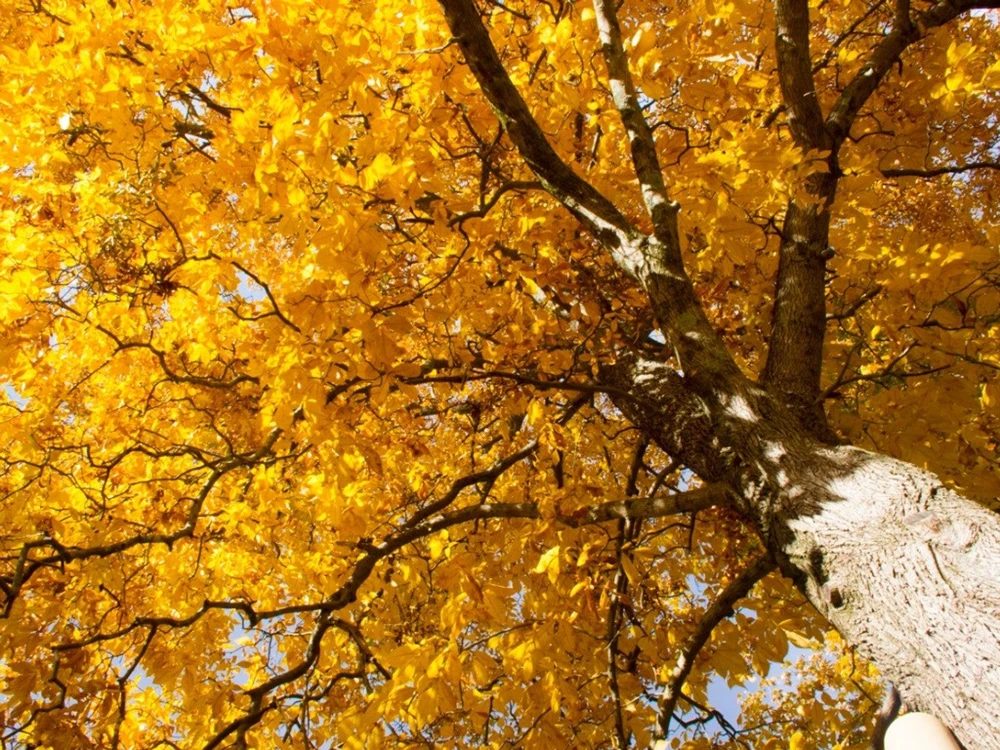
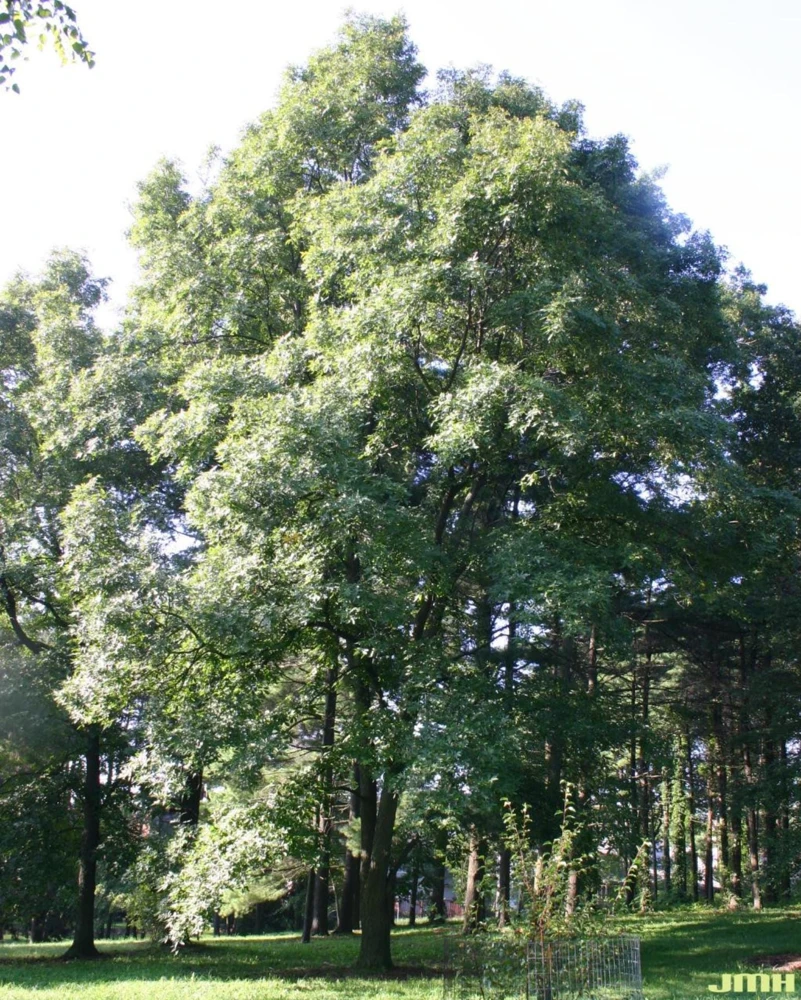
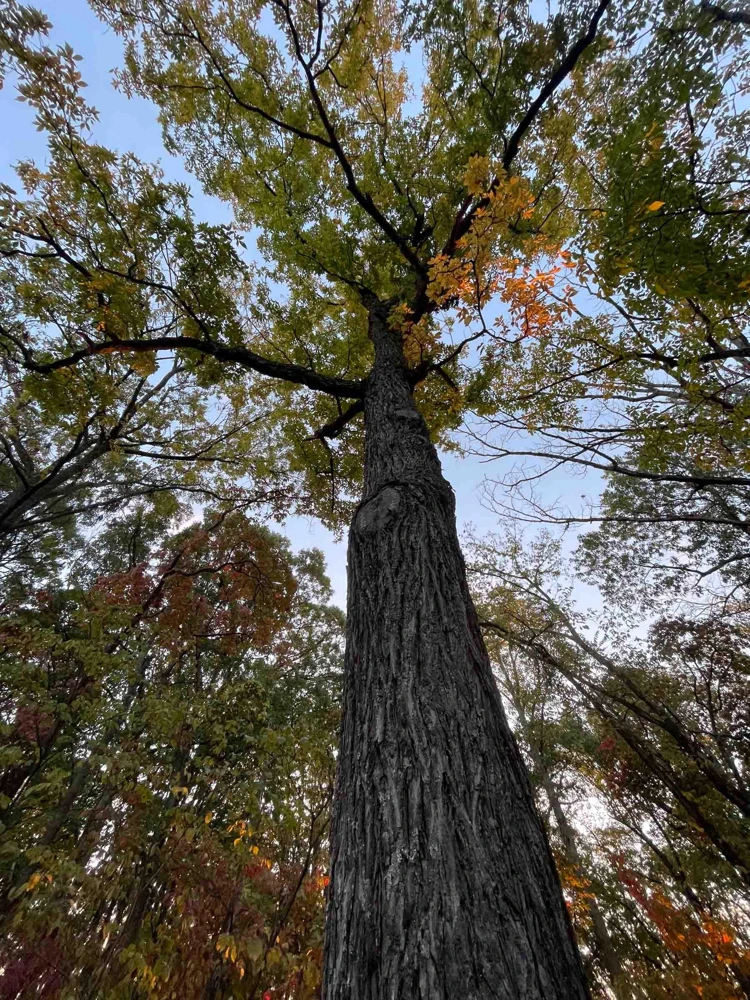
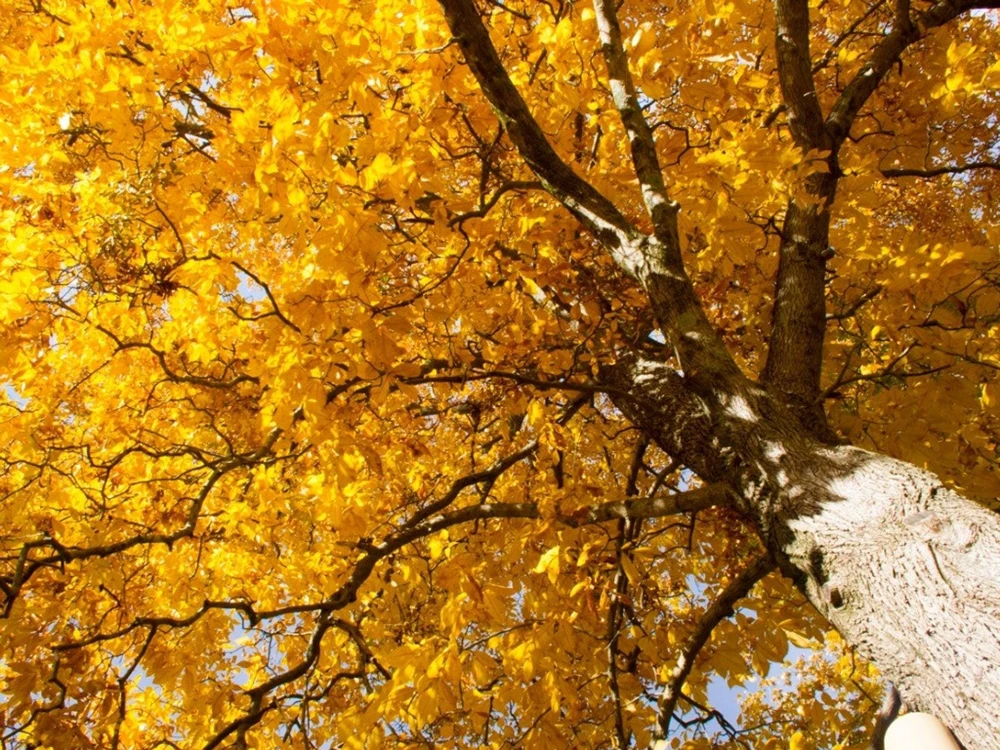
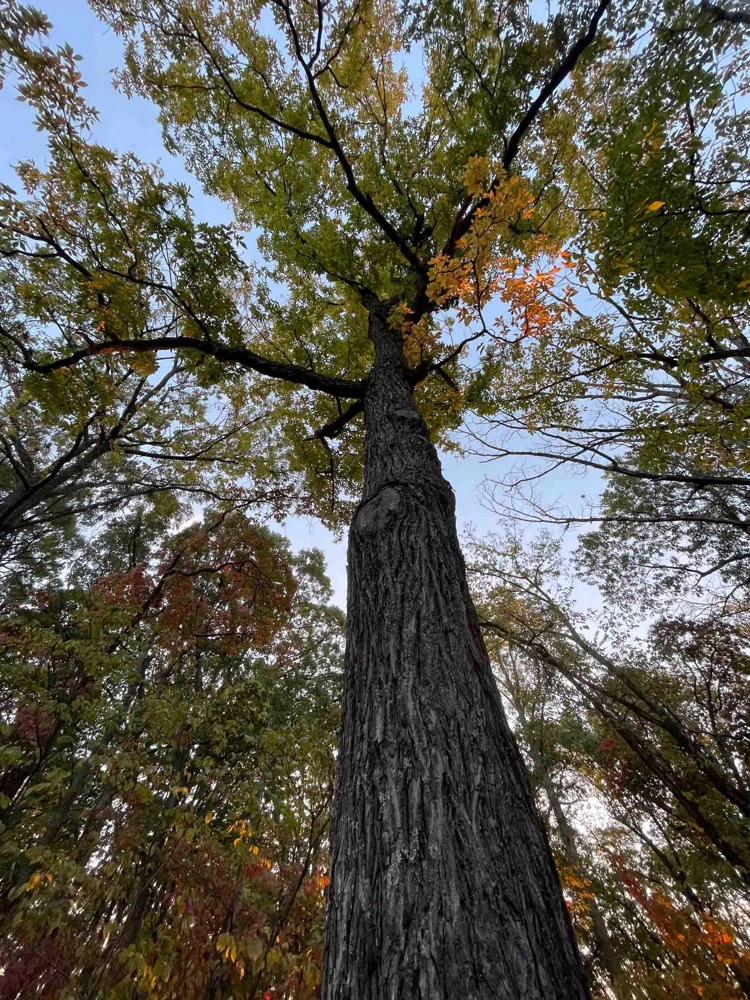
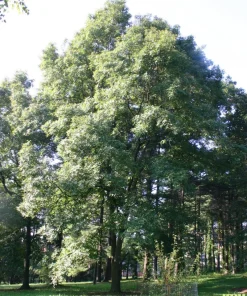
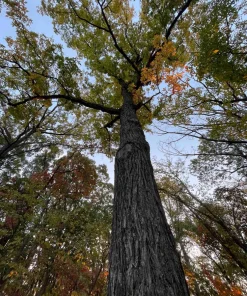
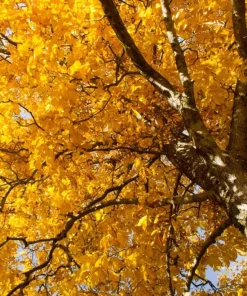
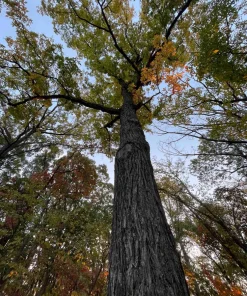
The pignut hickory live plant is a slow-growing but incredibly rewarding addition to any landscape. It develops a narrow, oval crown, eventually reaching impressive heights of 50–80 feet, with some specimens growing up to 120 feet tall, and a spread of 25–40 feet. Beyond its structural grandeur, the Pignut Hickory also offers a spectacular display of vibrant yellow fall foliage, transforming your garden into a tapestry of autumnal hues. This deciduous tree is not just a plant; it’s an investment in the future of your landscape, providing shade, beauty, and habitat for generations.
Key Benefits
Adding a pignut hickory live plant to your outdoor space brings a multitude of advantages, enhancing both the aesthetic and ecological value of your property. These trees are renowned for their strength and beauty, making them a wise choice for any gardener or landscaper:
- Exceptional Hardwood: The Pignut Hickory produces incredibly tough and durable wood, highly prized for tools, furniture, and flooring. Planting this tree contributes to a sustainable resource for future generations.
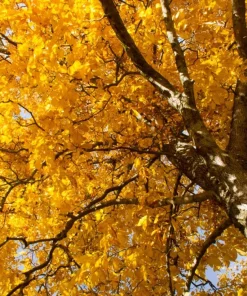
- Striking Fall Foliage: Enjoy a dazzling display of vibrant yellow leaves in autumn, providing a spectacular contrast against evergreens and adding significant visual appeal to your landscape. This makes the carya glabra tree a focal point during the cooler months.
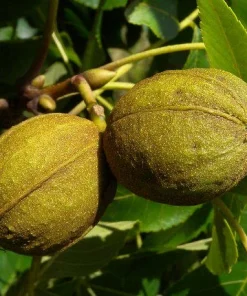
- Wildlife Attraction: The distinctive pear-shaped nuts are a valuable food source for various wildlife, including squirrels, deer, and birds, promoting biodiversity in your garden.
- Long-Lived Specimen: Pignut Hickories are known for their longevity, often living for many decades, becoming a permanent and cherished part of your property’s natural heritage.
- Low Maintenance: Once established, these trees are relatively low maintenance, tolerating various conditions and requiring minimal intervention, making pignut hickory care straightforward.
- Shade & Shelter: As they mature, these large trees provide excellent shade, reducing cooling costs in summer and offering shelter for both humans and animals.
- Native Species: Being a native species to the eastern US, it is well-adapted to local climates and ecosystems, contributing to regional ecological health. If you are looking to buy pignut hickory, you are supporting native flora.
Plant Care & Growing Tips
Caring for your pignut hickory live plant is a rewarding experience, leading to a robust and long-lived tree. Pignut Hickories thrive in full sun to partial shade, meaning they prefer at least 6 hours of direct sunlight per day. While young trees can tolerate some shade, mature trees will exhibit better growth and nut production in sunnier locations. They are adaptable to a range of soil types but prefer deep, moist, well-drained soils, especially those that are slightly acidic to neutral. Avoid planting in overly compacted or waterlogged areas, as this can hinder root development and overall health.
When it comes to watering, consistent moisture is crucial, especially during the first few years after planting. Water deeply and regularly, ensuring the soil remains consistently damp but not soggy. Once established, the carya glabra tree becomes more drought-tolerant, but supplemental watering during prolonged dry spells will promote optimal growth. Fertilization is generally not necessary for established trees in good soil, but young trees can benefit from a balanced, slow-release fertilizer in early spring, following product instructions carefully. Pruning should focus on removing dead, damaged, or crossing branches to maintain a strong structure and promote good air circulation. Understanding proper pignut hickory care will ensure your tree flourishes for decades.
Size & Details
This offering includes 3 individual pignut hickory live plant specimens, each carefully cultivated to ensure a healthy start in your landscape. Each starter tree measures approximately 12-24 inches in height, providing a substantial young plant ready for transplanting. They are shipped as bare root plants, which is an ideal method for deciduous trees during their dormant season, promoting vigorous root establishment upon planting. The Pignut Hickory is a slow-growing hardwood tree, meaning it will take time to reach its full majestic height, but its longevity and eventual grandeur make it a worthwhile investment.
Mature trees typically achieve heights of 50–80 feet, occasionally reaching up to 120 feet, with a spread of 25–40 feet, forming a distinctive narrow, oval crown. These dimensions make it an excellent choice as a shade tree or a prominent feature in larger landscapes. Expect to see significant growth and the development of its characteristic pear-shaped nuts and vibrant yellow fall foliage as the tree matures over the years. This hardwood tree for landscaping will become a cherished part of your property.
Frequently Asked Questions
- Q: How big does this pignut hickory live plant get? A: A mature pignut hickory live plant typically reaches heights of 50–80 feet, with some specimens growing up to 120 feet, and a spread of 25–40 feet, forming a narrow, oval crown.
- Q: What size pot does it come in? A: These are bare root starter plants, not shipped in a pot. They are ready for direct planting into the ground or a suitable large container upon arrival.
- Q: Is this an indoor or outdoor plant? A: The Pignut Hickory (Carya glabra) is a large deciduous tree and is strictly an outdoor plant, unsuitable for indoor cultivation.
- Q: How much sunlight does it need? A: Carya glabra tree prefers full sun to partial shade, ideally receiving at least 6 hours of direct sunlight per day for optimal growth and health.
- Q: Is this plant easy to care for? A: Once established, Pignut Hickory trees are relatively low maintenance. Young trees require consistent watering and protection, but mature trees are quite resilient. Good pignut hickory care involves proper initial planting.
- Q: What condition will it arrive in? A: Your Pignut Hickory starter plants will arrive as bare root specimens, carefully packaged to ensure their health during transit, ready for immediate planting.
- Q: Can I use the nuts from this tree? A: Yes, the nuts of the Pignut Hickory are edible, though they are often small and difficult to crack compared to other hickory varieties. They are also a valuable food source for wildlife.
- Q: When is the best time to plant a pignut hickory live plant? A: The best time to plant bare root Pignut Hickory trees is in early spring, after the last frost, or in late fall after the leaves have dropped, allowing roots to establish before extreme temperatures.
- Q: Will it survive winter in my zone? A: Pignut Hickory is a very hardy tree, native to a wide range of climates. It is generally hardy in USDA Zones 4-9, making it suitable for most of the eastern and central United States.
- Q: What type of soil is best for this hardwood tree for landscaping? A: Pignut Hickory thrives in deep, moist, well-drained soils, preferably those that are slightly acidic to neutral. Good drainage is crucial for root health.
Be the first to review “3 Pignut Hickory Live Plant (Carya glabra) – 12-24 inch Starter Tree, Bare Root”
People Also Viewed

Shrubs
Sky Pencil Holly Live Plant – 6-12″ Tall, 2.5″ Pot – Evergreen Shrub for Hedges & Privacy Screens
Reviews
There are no reviews yet.