
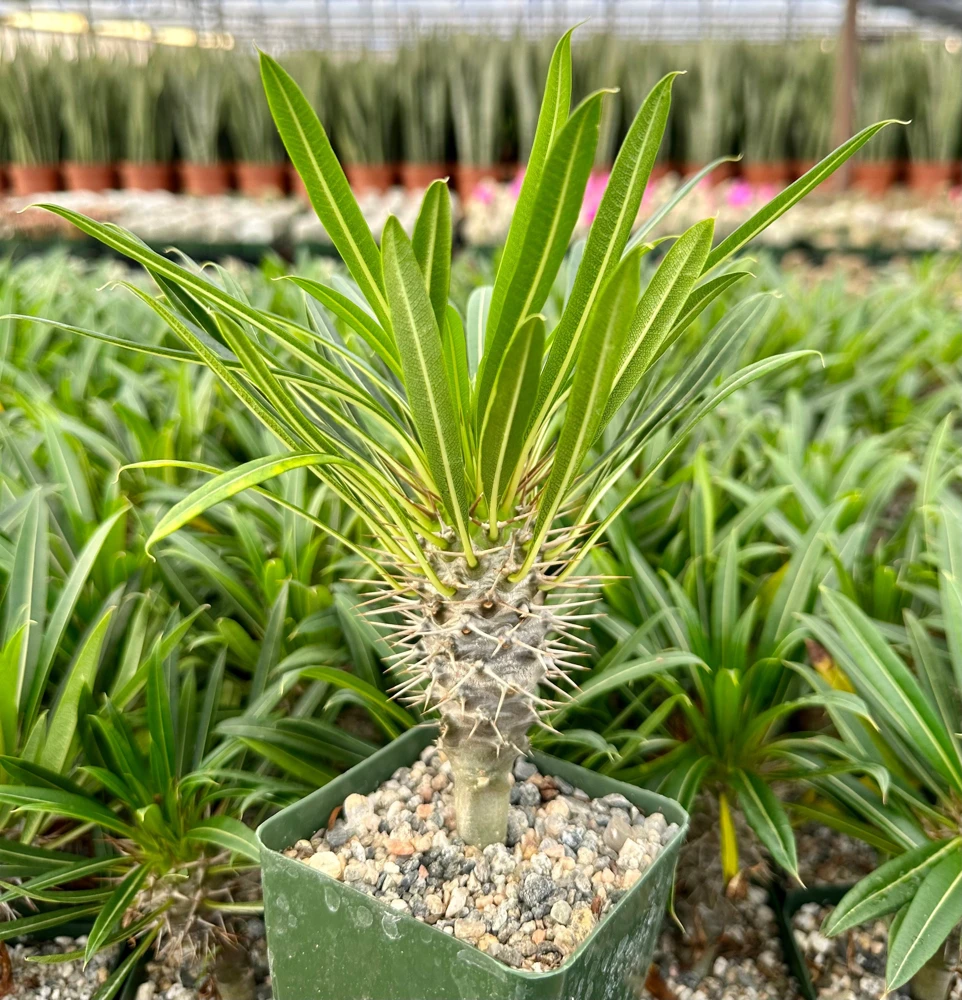
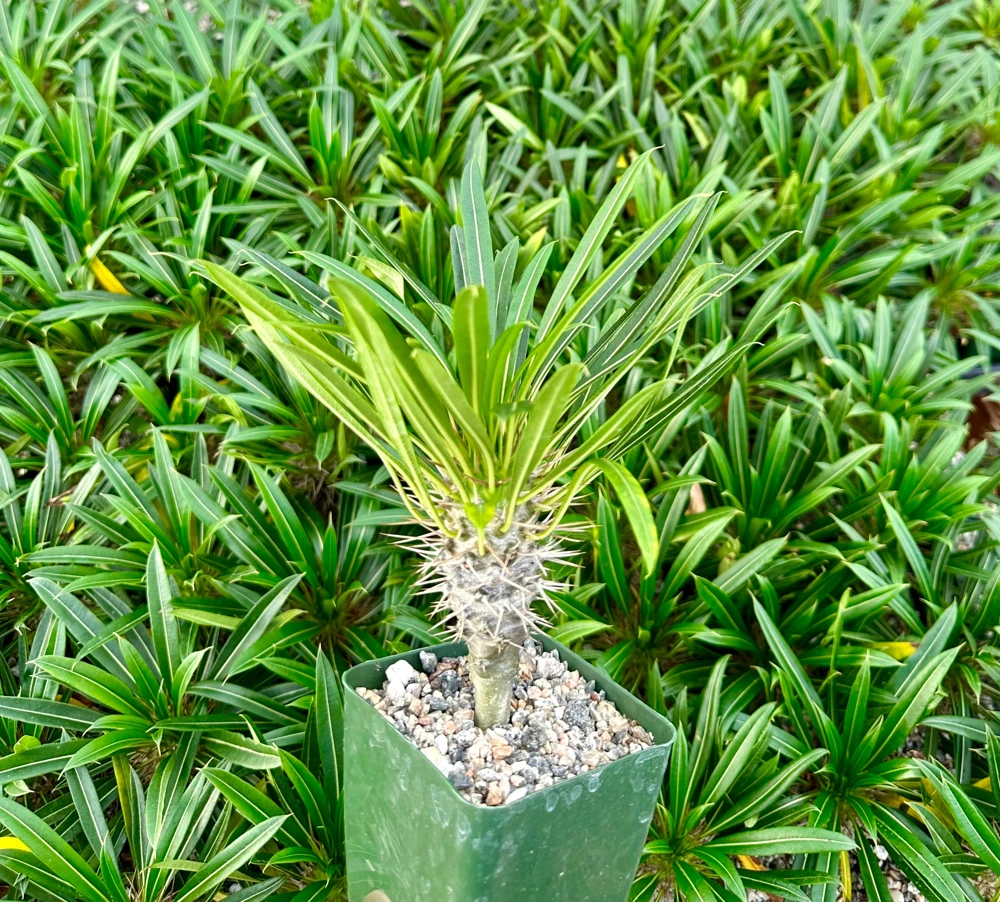
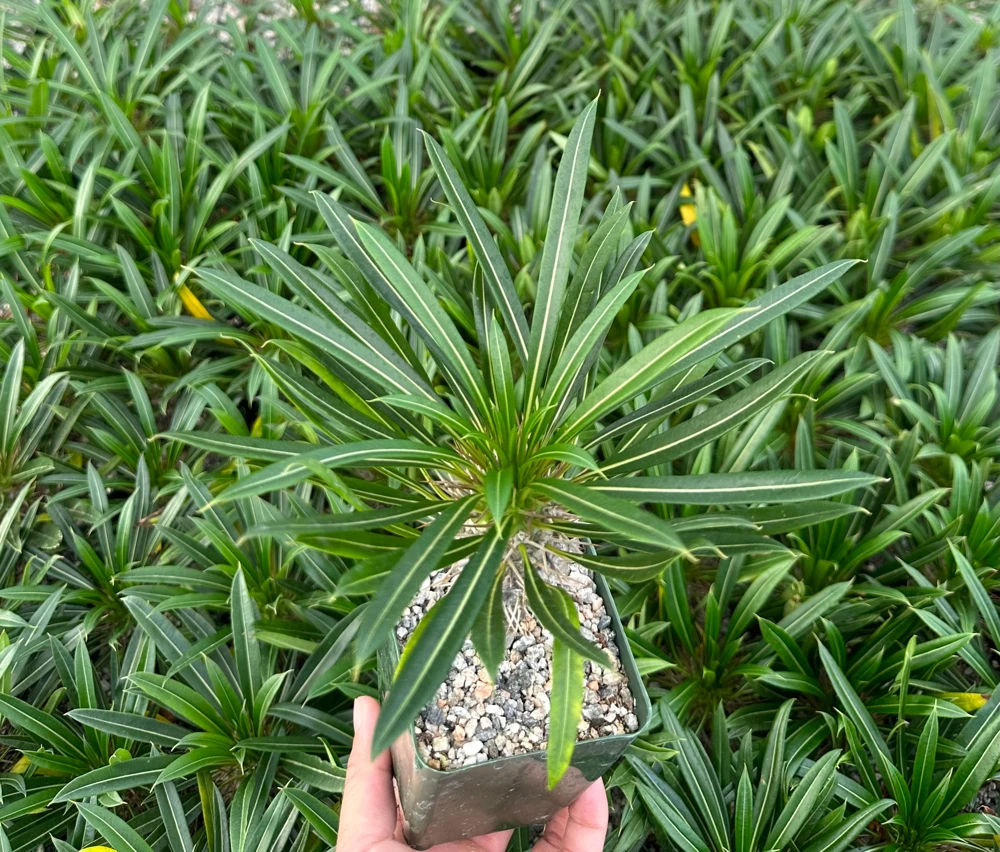
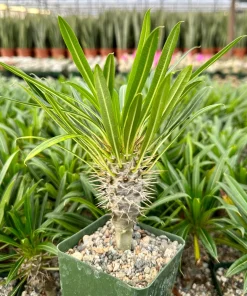
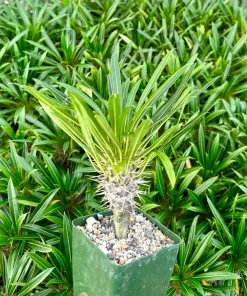
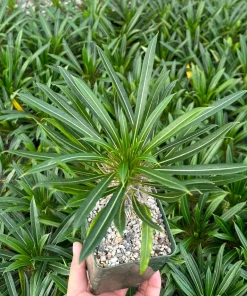
Madagascar Palm Live Plant – Rare Succulent in 3 inch Pot – Indoor/Outdoor
Original price was: $48.99.$23.99Current price is: $23.99.
Bring home a unique botanical marvel with the Madagascar Palm live plant. This captivating succulent, known for its distinctive spiny trunk and rosette of leaves, adds an exotic touch to any collection. Thriving in bright conditions, it’s a fascinating and relatively low-maintenance choice for both novice and experienced plant parents.
Estimated arrival
Oct 15
Oct 20 - Oct 22
Oct 25 - Oct 29
Shop With Confidence
30-Day Plant Health Guarantee
Arrives damaged? We’ll replace it free — see our return policy.
Responsive Support
Email us anytime, we reply within 1 business day.
Expert Packaging
Temperature-controlled shipping to protect your plants in transit.
Secure Checkout
Pay safely with Visa, Mastercard, PayPal.
Plant Specifications
-
USDA Hardiness Zone
USDA Zones 9-11 (outdoors); suitable for indoor cultivation everywhere -
Soil Type
Well-draining cactus or succulent potting mix -
Sunlight Exposure
Full sun to partial shade -
Expected Planting Period
Year-round indoors; spring to summer outdoors (in suitable zones)
Overview
The Madagascar Palm live plant, scientifically known as Pachypodium lamerei, is a truly captivating succulent that brings an exotic flair to any plant collection. Despite its common name, it is not a true palm but rather a unique member of the succulent family, native to the arid landscapes of Madagascar. This fascinating plant is renowned for its striking appearance, characterized by a thick, silvery-gray trunk densely covered in sharp spines, which serves as a natural water storage organ. Crowning this dramatic trunk is a rosette of glossy, lance-shaped green leaves, giving it a palm-like silhouette that inspired its popular moniker. The Madagascar Palm live plant is a conversation starter, perfect for those who appreciate unusual and architectural plants. It’s a robust and long-lived specimen that, with proper care, can become a stunning focal point in your home or garden.
This resilient Pachypodium plant care is surprisingly straightforward, making it an excellent choice for both experienced succulent collectors and beginners. Its ability to store water in its trunk allows it to tolerate periods of drought, reflecting its desert origins. As the plant matures, it can also produce beautiful, fragrant white flowers, adding another layer of appeal to its already impressive display. Whether you’re looking for a distinctive indoor plant or a unique addition to a xeriscape garden in warmer climates, the Madagascar Palm live plant offers unparalleled visual interest and a touch of the extraordinary.
Key Benefits
Adding a Madagascar Palm live plant to your environment offers a range of aesthetic and practical benefits, enhancing your space with its unique presence. This rare succulent plant is more than just a pretty face; it’s a resilient and intriguing botanical specimen.
- Striking Ornamental Appeal: The distinctive spiny trunk and palm-like foliage create a dramatic visual statement, making it a focal point in any room or garden. Its architectural form is truly captivating.
- Low Maintenance & Drought Tolerant: As a succulent, the Madagascar Palm live plant is highly adaptable to dry conditions, requiring infrequent watering once established. This makes it ideal for busy individuals or those new to plant care.
- Unique Conversation Starter: Its unusual appearance often sparks curiosity, providing an interesting topic for discussion among guests and fellow plant enthusiasts. It’s a truly rare succulent plant.
- Adaptable to Various Light Conditions: While it thrives in full sun, this plant can also tolerate partial shade, offering flexibility in placement whether indoors or outdoors in suitable climates.
- Potential for Beautiful Blooms: Mature plants can produce clusters of fragrant, tubular white flowers, adding an unexpected layer of delicate beauty to its rugged charm.
- Long-Lived Specimen: With appropriate care, a Madagascar Palm live plant can live for many years, growing into a substantial and impressive specimen that continues to evolve.
- Excellent for Xeriscaping: In warm, dry climates, it’s a perfect choice for water-wise landscaping, contributing to sustainable gardening practices.
Plant Care & Growing Tips
Caring for your Madagascar Palm live plant is a rewarding experience, as this resilient succulent thrives with minimal fuss when its basic needs are met. For optimal growth and health, understanding its preferences for light, water, and soil is crucial. This Pachypodium plant care guide will help ensure your plant flourishes.
Sunlight Requirements: The Madagascar Palm prefers bright light conditions. Indoors, place it in a south-facing window where it can receive several hours of direct sunlight daily. If direct sun is too intense in summer, a sheer curtain can diffuse the light. Outdoors, it thrives in full sun but can tolerate partial shade, especially in regions with intense afternoon heat. Insufficient light can lead to leggy growth and fewer spines on the trunk.
Watering Schedule & Soil Moisture: As a succulent, the Madagascar Palm stores water in its trunk, making it highly drought-tolerant. The key to successful watering is to allow the soil to dry out completely between waterings. Overwatering is the most common cause of problems, particularly root rot. During the active growing season (spring and summer), water thoroughly until water drains from the bottom of the pot, then wait until the soil is dry to the touch before watering again. In fall and winter, reduce watering significantly, perhaps once every few weeks or even monthly, as the plant enters a semi-dormant state. Ensure proper drainage to prevent standing water.
Soil Type & Drainage: A well-draining soil mix is paramount for this plant. A standard succulent or cactus potting mix is ideal. You can also create your own by mixing equal parts potting soil, coarse sand, and perlite or pumice. This ensures excellent aeration and prevents waterlogging, which is vital for the health of your spiny trunk plant. The pot itself should have drainage holes.
Temperature Range & USDA Hardiness Zone: The Madagascar Palm is frost-sensitive and thrives in warm temperatures. It prefers temperatures between 65°F and 80°F (18°C-27°C). It can tolerate slightly cooler temperatures but should be protected from freezing conditions. In most of the US, it is grown as an indoor plant or moved indoors during colder months. It is suitable for outdoor cultivation year-round only in USDA Hardiness Zones 9-11.
Fertilization: During the active growing season (spring to late summer), you can feed your Pachypodium plant care with a balanced, diluted liquid fertilizer formulated for succulents or cacti. Fertilize once every 4-6 weeks at half strength. Avoid fertilizing during the dormant winter months.
Common Problems: The most common issue is root rot due to overwatering. Watch for yellowing leaves and a soft, mushy trunk base. Pests are generally not a major problem, but occasionally mealybugs or spider mites can appear. Treat with insecticidal soap or neem oil if necessary. Ensure good air circulation, especially for indoor succulent plants.
Size & Details
This offering is for a Madagascar Palm live plant, a rare succulent plant, grown in a 3-inch nursery pot. At this stage, the plant typically stands approximately 6-10 inches tall from the base of the pot, featuring a developing spiny trunk characteristic of the species and a healthy rosette of green leaves. While its initial growth is relatively slow, with proper care, it will gradually develop its iconic thick, spiny stem and can eventually reach impressive heights of 4-6 feet indoors, and significantly taller in its native outdoor habitat. The plant is shipped rooted in its nursery pot, ensuring minimal transplant shock upon arrival. Expect a well-established young specimen ready to continue its growth journey in your home. The spiny trunk plant will mature over several years, continuously developing its unique form.
The growth rate of the Madagascar Palm live plant can vary based on environmental conditions, but generally, it’s a moderate grower. It will take several years to reach its full mature height and to develop the dense clusters of white flowers that mature plants are known for. This Pachypodium plant care ensures a long-lasting and evolving botanical display.
Frequently Asked Questions
- Q: How big does this plant get? A: This Madagascar Palm live plant comes in a 3-inch pot. Indoors, it can eventually reach heights of 4-6 feet, though it grows slowly. Outdoors in ideal conditions, it can grow much taller, up to 15-20 feet over many years.
- Q: Is this an indoor or outdoor plant? A: The Madagascar Palm can be grown both indoors and outdoors. It thrives as an indoor succulent plant in most climates but can be grown outdoors year-round in USDA Zones 9-11, where there is no risk of frost.
- Q: How much sunlight does it need? A: This spiny trunk plant prefers full sun to partial shade. Indoors, place it in the brightest possible location, such as a south-facing window. Outdoors, ensure it gets at least 6 hours of direct sunlight daily.
- Q: Is this plant easy to care for? A: Yes, the Madagascar Palm live plant is considered relatively easy to care for, especially for those familiar with succulents. Its primary requirement is bright light and infrequent watering, allowing the soil to dry out completely between sessions to prevent root rot.
- Q: What condition will it arrive in? A: Your Madagascar Palm live plant will arrive well-rooted in its 3-inch nursery pot, carefully packaged to ensure its safety during transit. It will be a healthy young specimen ready for its new home.
- Q: When is the best time to repot my Madagascar Palm? A: The best time to repot your Pachypodium plant care is during its active growing season, typically in spring or early summer. Choose a pot that is only slightly larger than its current one, ensuring it has good drainage holes.
- Q: Is the Madagascar Palm pet-safe? A: The sap of the Madagascar Palm can be irritating if ingested, and its spines are sharp. It’s best to keep this plant out of reach of curious pets and children.
- Q: Does this rare succulent plant flower? A: Yes, mature Madagascar Palm live plant specimens can produce beautiful, fragrant white flowers, typically in clusters. This usually occurs once the plant has reached a certain size and age.
- Q: What type of soil is best for this plant? A: A well-draining cactus or succulent potting mix is essential for the Madagascar Palm. You can also amend regular potting soil with perlite or coarse sand to improve drainage for your indoor succulent plants.
- Q: Will it survive winter in my zone? A: If you live outside USDA Zones 9-11, your Madagascar Palm live plant will need to be brought indoors before temperatures drop below 40°F (4°C) to protect it from frost.
Be the first to review “Madagascar Palm Live Plant – Rare Succulent in 3 inch Pot – Indoor/Outdoor”
People Also Viewed
Reviews
There are no reviews yet.