

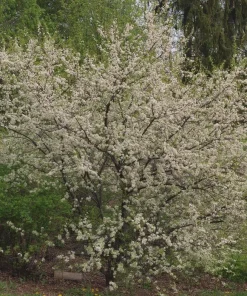
American Plum Tree Live Plant – Prunus americana – 12-24″ Tall – Quart Pot – Outdoor
Original price was: $80.99.$55.99Current price is: $55.99.
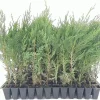
Grow your own American Plum Tree live plant (Prunus americana), a native North American species known for its beautiful spring flowers and edible fruit. This 12-24 inch tall starter plant ships in a quart pot, ready for your garden.
Estimated arrival
Sep 29
Oct 04 - Oct 06
Oct 09 - Oct 13
Shop With Confidence
30-Day Plant Health Guarantee
Arrives damaged? We’ll replace it free — see our return policy.
Responsive Support
Email us anytime, we reply within 1 business day.
Expert Packaging
Temperature-controlled shipping to protect your plants in transit.
Secure Checkout
Pay safely with Visa, Mastercard, PayPal.
Plant Specifications
-
USDA Hardiness Zone
3-8 -
Soil Type
Well-draining, loamy soil -
Sunlight Exposure
Full sun -
Expected Planting Period
Spring or Fall
Overview
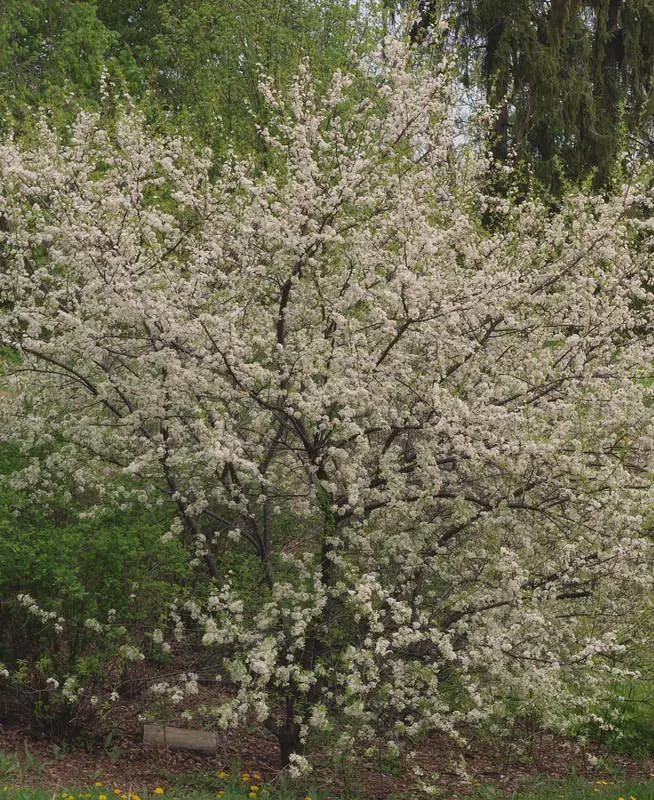
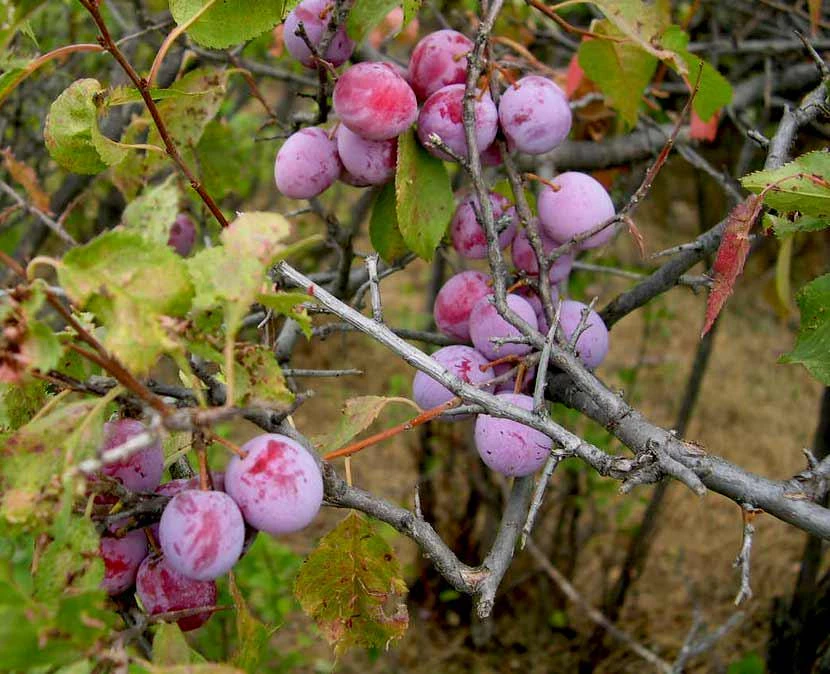
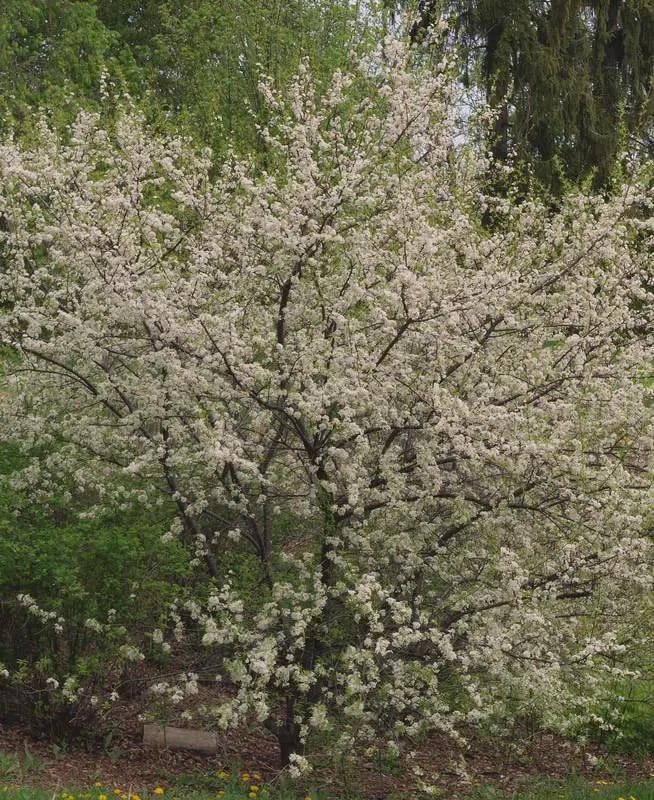
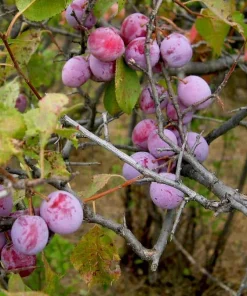
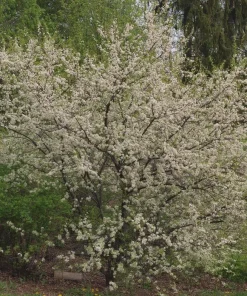
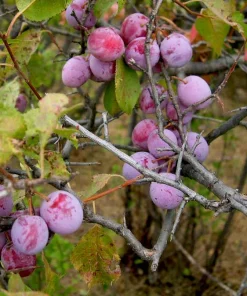
Bring the beauty and bounty of a native landscape to your garden with the American Plum Tree live plant (Prunus americana). This versatile deciduous tree or large shrub is a true North American gem, celebrated for its ornamental appeal and ecological benefits. Known for its showy clusters of fragrant white flowers that emerge in early spring before the leaves, it transforms any space into a vibrant haven for pollinators. Following the bloom, the plant produces delicious, tart-sweet plums that are perfect for fresh eating, jams, jellies, or attracting local wildlife. The Prunus americana tree is a resilient and adaptable species, thriving in a wide range of conditions and offering a natural, rugged charm to your outdoor space.
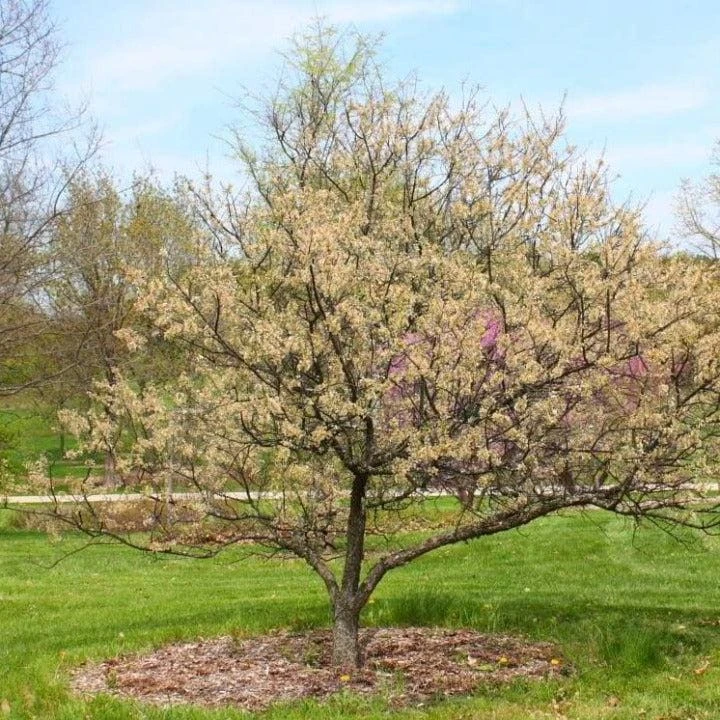
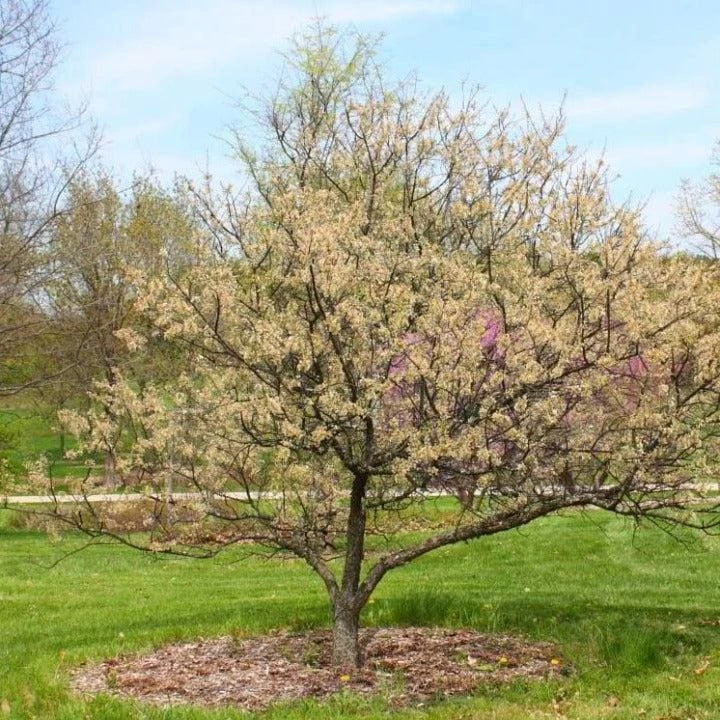
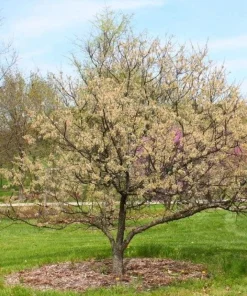
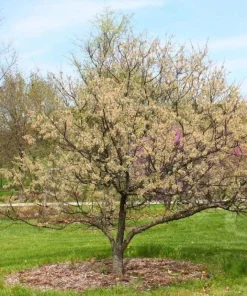
The American Plum Tree live plant typically grows 15 to 25 feet tall with an equally broad, spreading crown, making it an excellent choice for a small shade tree, a multi-stemmed shrub, or even a naturalized thicket. Its ability to adapt to various soil types and climates, coupled with its robust nature, makes it a rewarding addition for both novice and experienced gardeners looking for a low-maintenance yet highly beneficial plant.
Key Benefits
The American Plum Tree live plant offers a multitude of advantages for your garden and local ecosystem. Its hardiness and versatility make it a standout choice for sustainable landscaping:
- Ecological Value: Provides significant food and habitat for local wildlife, including birds and beneficial insects, making it an excellent choice for supporting biodiversity in your backyard. The flowers attract pollinators, and the fruit is a valuable food source.
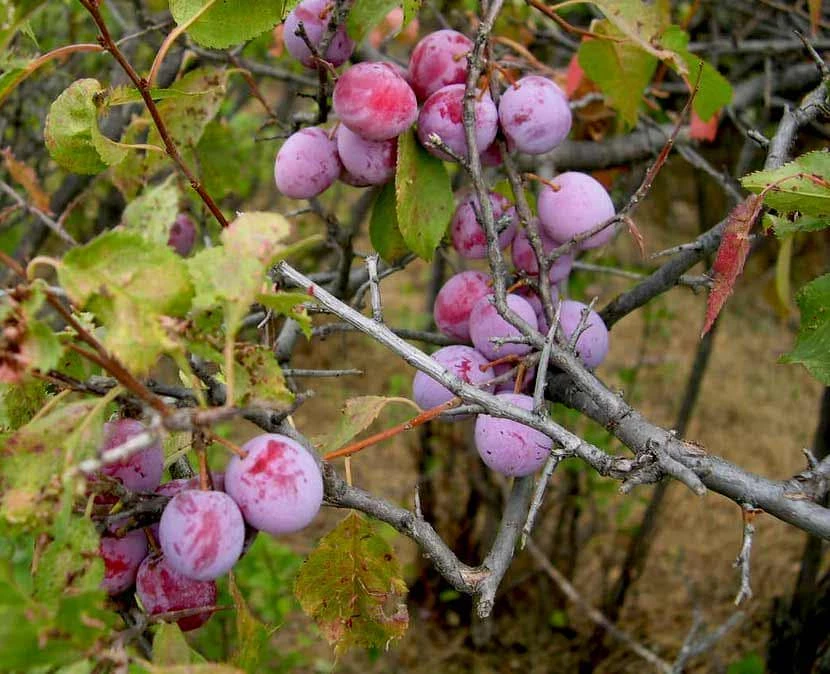
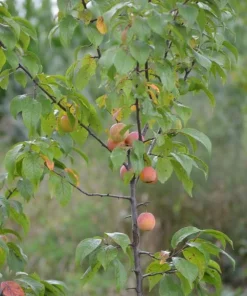
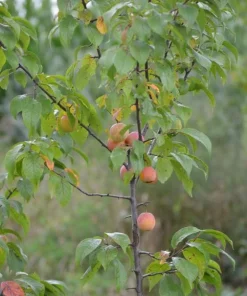
- Edible Fruit Production: Enjoy a harvest of small, flavorful plums that are ideal for fresh consumption, baking, or preserving into delicious jams and jellies. The fruit ripens in late summer, offering a delightful treat.
- Showy Spring Blooms: Adorns your landscape with an abundance of fragrant white flowers in early spring, creating a stunning visual display and signaling the arrival of warmer weather.
- Adaptable & Hardy: Extremely tough and adaptable, this native plum tree thrives in a wide range of soil conditions and climates, from USDA Hardiness Zones 3 to 8, making it suitable for many regions across the US.
- Low Maintenance: Once established, the cold hardy plum tree requires minimal care, making it an excellent option for gardeners seeking a beautiful yet easy-to-manage plant.
- Thicket-Forming Potential: Can be grown as a single-trunk tree or allowed to form dense thickets, providing natural privacy screens, windbreaks, or erosion control.
- Drought Tolerance: Exhibits good drought tolerance once mature, reducing the need for frequent watering in established landscapes.
Plant Care & Growing Tips
Caring for your American Plum Tree live plant is straightforward, thanks to its robust and adaptable nature. For optimal growth and fruit production, understanding its basic needs is key. This tree prefers a location with full sun exposure, meaning at least 6-8 hours of direct sunlight per day. While it can tolerate partial shade, fruit production and flowering will be significantly reduced. Ensure good air circulation around the plant to prevent fungal issues. The Prunus americana tree is not particular about soil type but thrives best in well-draining, loamy soils. It can tolerate sandy or clay soils as long as they are not waterlogged.
Water young plants regularly to help establish a strong root system. Once established, the American Plum Tree live plant is quite drought-tolerant, but consistent moisture during dry spells, especially when fruit is developing, will lead to a better harvest. Fertilization is generally not heavily required, but a balanced slow-release fertilizer in early spring can boost growth and fruit set, particularly in poorer soils. Pruning should focus on removing dead, damaged, or diseased branches, and shaping the tree to maintain its structure. You can also thin out crowded branches to improve air circulation and sunlight penetration, which helps with fruit quality. Watch out for common plum tree pests and diseases, though this native variety tends to be more resistant than cultivated plums. It is a truly excellent wildlife plum tree.
Size & Details
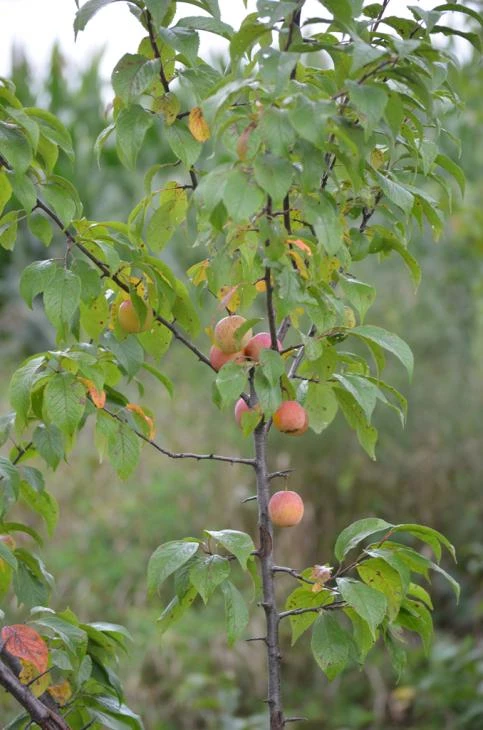
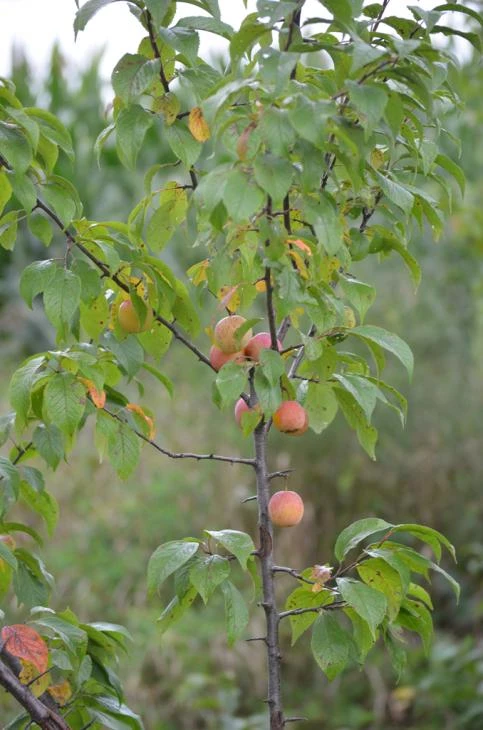
This offering is for one American Plum Tree live plant, measuring approximately 12-24 inches in height. It is grown and shipped in a quart-sized pot, providing a well-developed root system for successful transplanting into your garden. The young tree is ready to be planted upon arrival, allowing it to acclimate to its new environment quickly. The Prunus americana tree is known for its moderate to fast growth rate, and with proper care, you can expect it to reach its mature height of 15-25 feet within several years. The plant will establish quickly, providing spring blooms and fruit in the coming seasons. Its thorny branches are a natural defense, contributing to its resilience.
Frequently Asked Questions
- Q: How big does this American Plum Tree live plant get? A: The American Plum Tree live plant typically grows to a mature height of 15 to 25 feet tall with an equally broad, spreading crown. Its size can be managed with pruning if a smaller form is desired.
- Q: What size pot does it come in? A: This Prunus americana tree starter plant comes in a quart-sized pot, providing a healthy root system for transplanting.
- Q: Is this an indoor or outdoor plant? A: The American Plum Tree live plant is an outdoor plant, best suited for gardens, landscapes, and naturalized areas. It requires full sun and cold dormancy.
- Q: How much sunlight does it need? A: For best growth and fruit production, the native plum tree requires full sun, meaning at least 6-8 hours of direct sunlight per day.
- Q: Is this plant easy to care for? A: Yes, the cold hardy plum tree is considered low-maintenance and highly adaptable once established, making it a good choice for gardeners of all experience levels.
- Q: What condition will it arrive in? A: Your American Plum Tree live plant will arrive as a healthy, actively growing starter plant in its quart pot, carefully packaged to ensure safe transit.
- Q: When is the best time to plant? A: The best time to plant your wildlife plum tree is in early spring or fall, allowing the roots to establish before extreme summer heat or winter cold.
- Q: Will it survive winter in my zone? A: The American Plum Tree is very cold hardy, thriving in USDA Hardiness Zones 3 to 8, making it suitable for a wide range of climates across the US.
- Q: Can I use the fruit for eating? A: Yes, the fruit of the American Plum Tree live plant is edible and has a tart-sweet flavor, perfect for fresh eating, baking, or making preserves.
- Q: Does this tree attract wildlife? A: Absolutely! The American Plum Tree live plant is an excellent wildlife plum tree, attracting birds and other small animals with its fruit, and pollinators with its spring flowers.
Be the first to review “American Plum Tree Live Plant – Prunus americana – 12-24″ Tall – Quart Pot – Outdoor”
People Also Viewed
Flower Plants

Reviews
There are no reviews yet.