
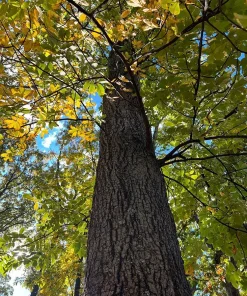
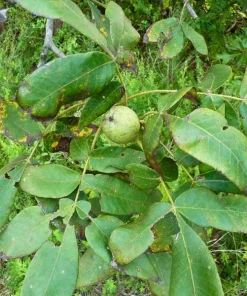
Mockernut Hickory Tree Live Plant 12-24″ Carya tomentosa Quart Pot Outdoor
Original price was: $101.99.$76.99Current price is: $76.99.
Bring home a robust mockernut hickory tree, a 12-24″ starter plant of Carya tomentosa, known for its strong wood and impressive height. This bare root plant is ideal for establishing a long-lived, stately presence in your landscape, offering shade and wildlife benefits.
Estimated arrival
Sep 29
Oct 04 - Oct 06
Oct 09 - Oct 13
Shop With Confidence
30-Day Plant Health Guarantee
Arrives damaged? We’ll replace it free — see our return policy.
Responsive Support
Email us anytime, we reply within 1 business day.
Expert Packaging
Temperature-controlled shipping to protect your plants in transit.
Secure Checkout
Pay safely with Visa, Mastercard, PayPal.
Plant Specifications
-
USDA Hardiness Zone
USDA Zones 4-9 -
Soil Type
Deep, moist, well-drained, acidic to neutral soil -
Sunlight Exposure
Full sun -
Expected Planting Period
Early spring or late fall
Overview
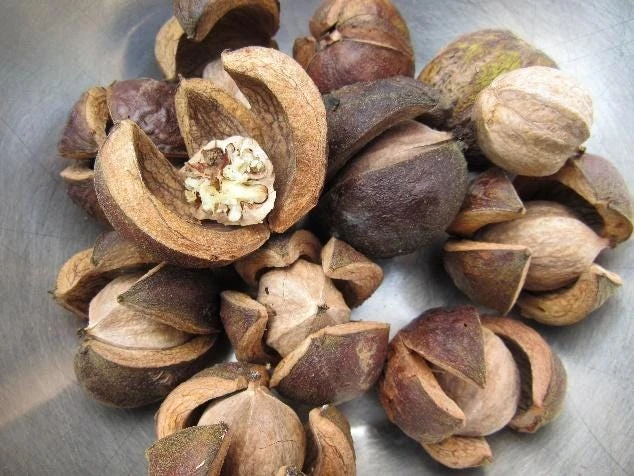
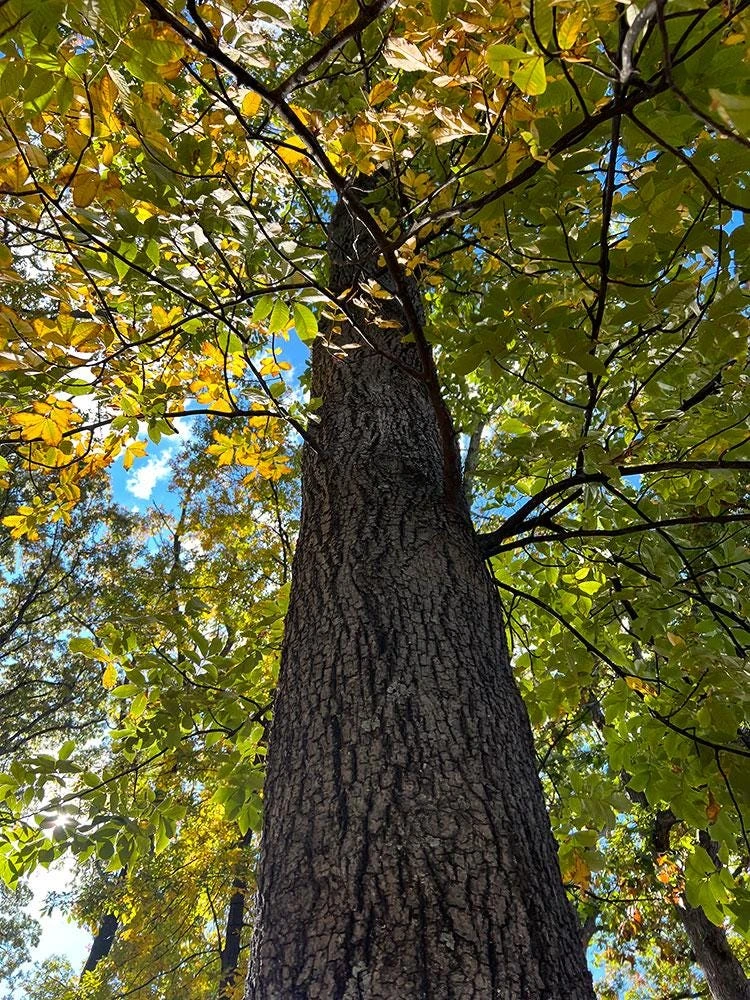
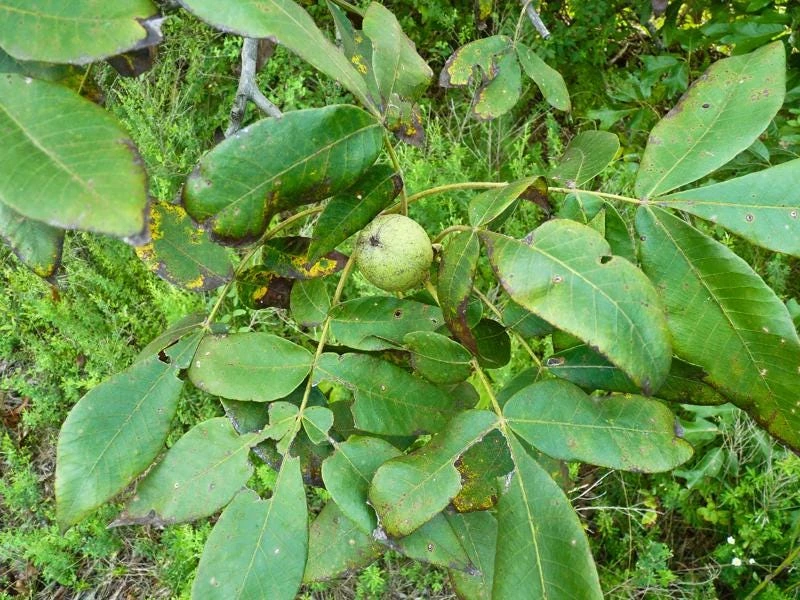
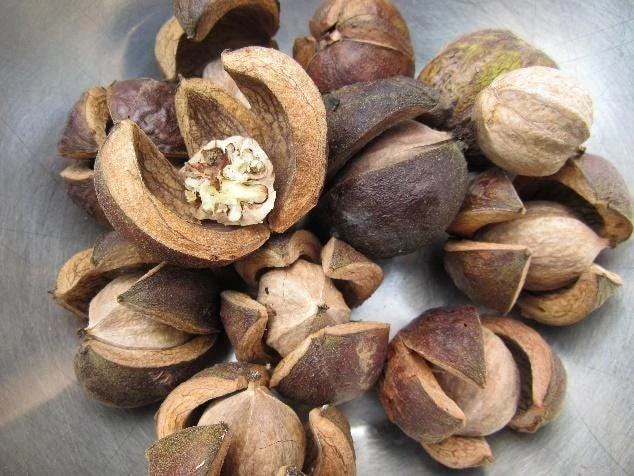
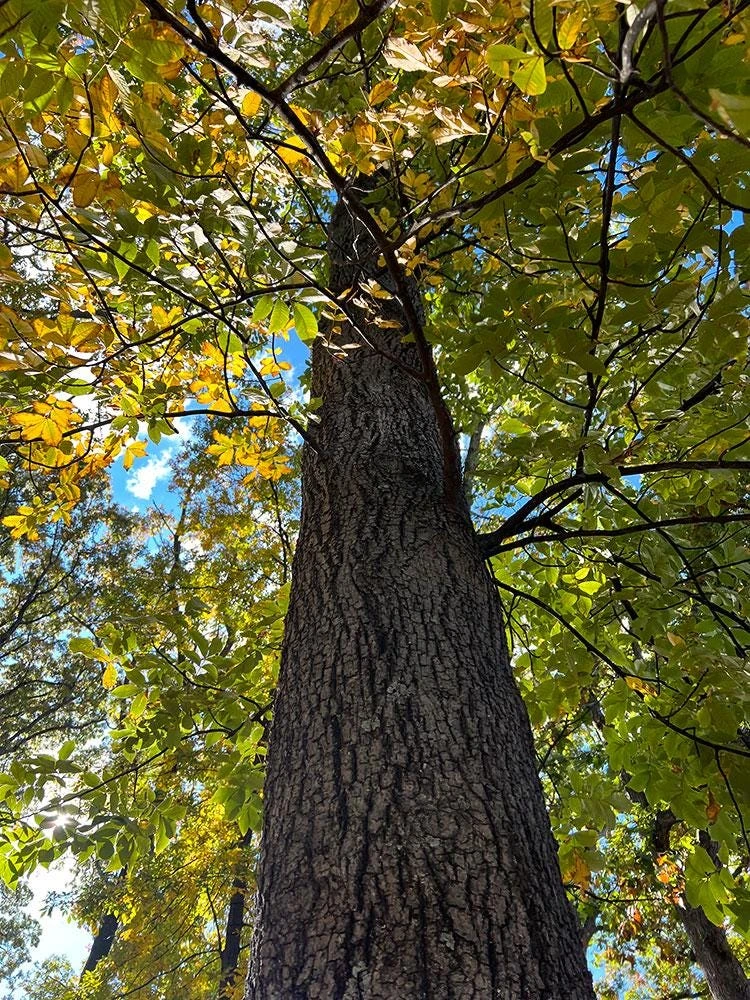
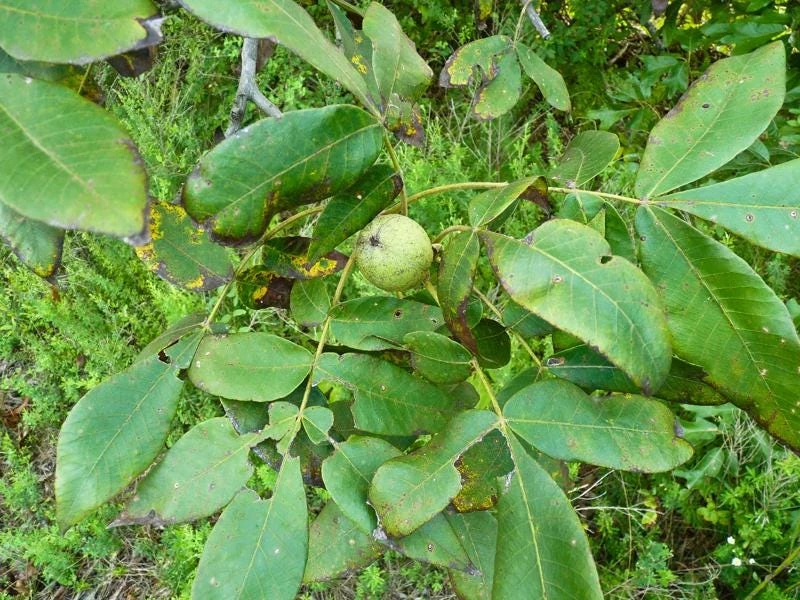
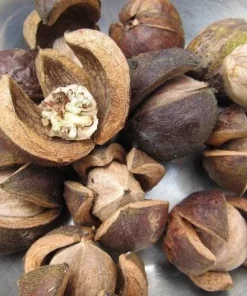
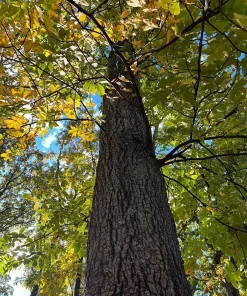
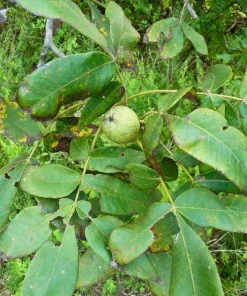
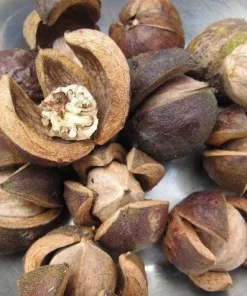
Cultivate a piece of American heritage with the mockernut hickory tree (Carya tomentosa), a magnificent deciduous tree native to the eastern United States. This offering is for a 12-24″ starter plant, shipped bare root, ready to establish itself in your garden or property. The mockernut hickory plant is renowned for its exceptional strength and durability, providing dense shade and a majestic presence for decades, often exceeding a century in age. Its common name, ‘mockernut,’ derives from the large, thick-shelled nuts that contain a relatively small, yet flavorful, kernel, playfully ‘mocking’ the efforts of those trying to crack them open. Growing typically 60-80 feet tall, and capable of reaching over 100 feet, this carya tomentosa plant develops a straight trunk and a broadly rounded, dense crown, making it an excellent choice for a long-term landscape investment.
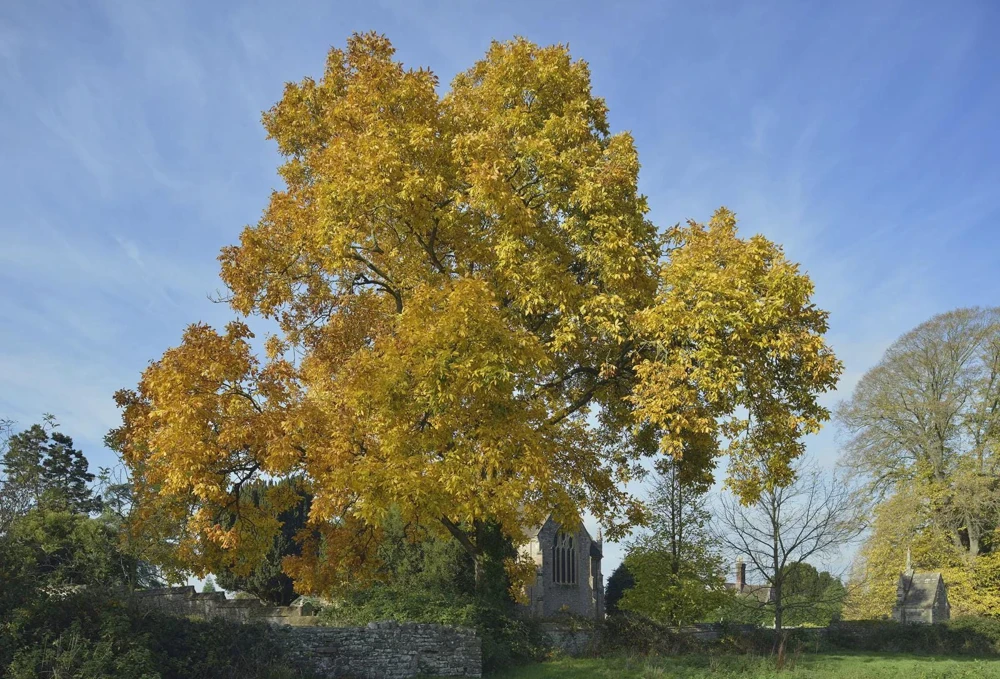
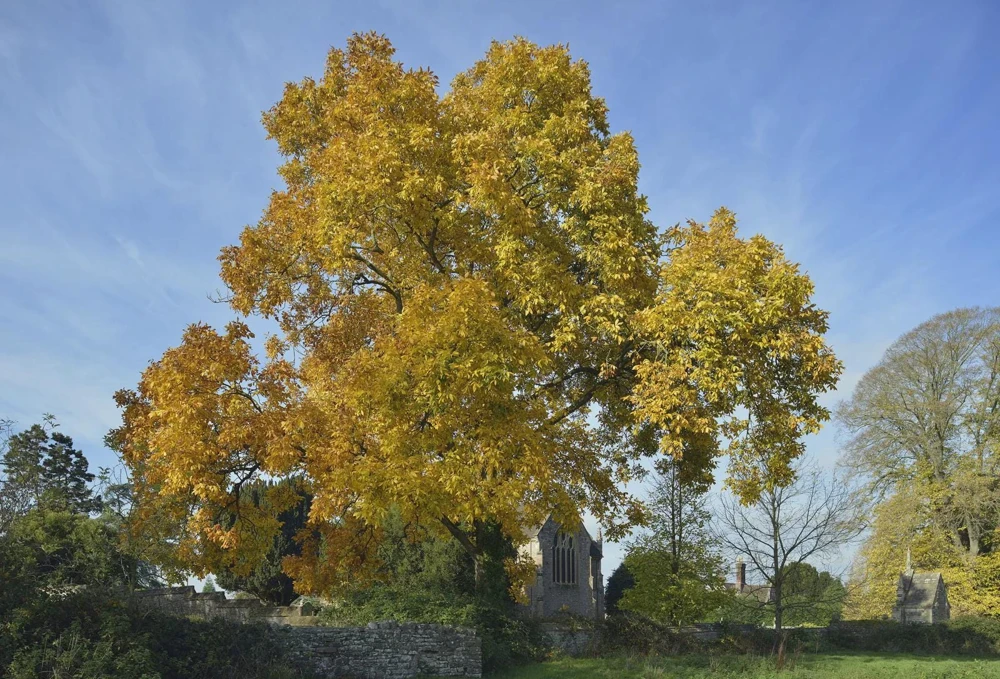
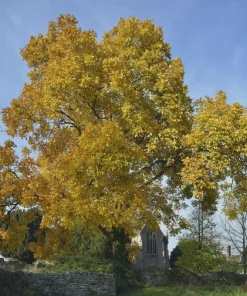
The mockernut hickory tree is not just a source of shade; it’s a vital component of its native ecosystem. Its nuts provide a valuable food source for various wildlife, including squirrels, deer, and birds. The tree’s strong wood has historically been used for tools, furniture, and smoking meats, prized for its density and resilience. Planting a mockernut hickory tree contributes to biodiversity and offers a sustainable, beautiful addition to any large property or naturalized area. Its vibrant fall foliage adds seasonal interest, transforming into hues of yellow and gold before leaf drop.
Key Benefits
The mockernut hickory tree offers a multitude of advantages for both the environment and the homeowner. Its robust nature and ecological contributions make it a highly desirable addition to any suitable landscape.
- Exceptional Shade Provider: With its dense, broadly rounded crown, the mockernut hickory tree creates substantial shade, significantly cooling surrounding areas during hot summer months and reducing energy costs for nearby structures. This makes it an ideal choice for large properties.
- Wildlife Attractor: The tree’s large, thick-shelled nuts are a cherished food source for a variety of wildlife, including squirrels, deer, and various bird species. Planting a mockernut hickory tree supports local ecosystems and encourages biodiversity in your garden.
- Durable & Long-Lived: Known for its strong, hard wood, this tree is incredibly resilient and can live for well over 100 years, becoming a lasting legacy for generations. Its robust structure withstands various weather conditions.
- Low Maintenance Once Established: After its initial establishment period, the carya tomentosa plant is remarkably self-sufficient, requiring minimal care. It’s an excellent choice for those seeking a majestic tree without constant upkeep.
- Beautiful Seasonal Interest: Beyond its practical benefits, the mockernut hickory tree offers aesthetic appeal, particularly in autumn when its foliage turns a striking golden-yellow, adding vibrant color to the landscape.
- Valuable Timber Resource: The wood of the hickory nut tree is highly prized for its strength, flexibility, and shock resistance, making it valuable for tool handles, sporting goods, and as a quality firewood or smoking wood.
- Native Eastern US Tree: As a native species, it is well-adapted to the climate and soil conditions of the eastern United States, making it a sustainable and ecologically sound planting choice.
Plant Care & Growing Tips
Caring for your mockernut hickory tree starter plant, especially as a bare root specimen, is crucial for its successful establishment and long-term growth. This native eastern US tree thrives with proper attention during its formative years.
Sunlight Requirements: The mockernut hickory tree prefers full sun, meaning at least 6-8 hours of direct sunlight per day. While it can tolerate some partial shade, optimal growth and nut production occur in full sun. Choose a planting site that receives ample sunlight throughout the day to ensure a healthy, robust tree.
Watering Schedule and Soil Moisture Preferences: Consistent moisture is vital, especially for young, bare root plants. Water deeply and regularly after planting, typically 1-2 times per week, ensuring the soil remains consistently moist but not waterlogged. Reduce watering frequency once the tree is established, as it becomes more drought-tolerant. During prolonged dry spells, occasional deep watering will benefit mature trees. Proper drainage is key; avoid areas where water tends to collect.
Soil Type and Drainage Requirements: This carya tomentosa plant adapts to a range of soil types but prefers deep, moist, well-drained, acidic to neutral soils (pH 6.0-7.0). Loamy soils are ideal. Avoid excessively sandy or heavy clay soils unless amended. Ensure the planting site has good drainage to prevent root rot, which can be detrimental to young trees. Incorporating organic matter can improve soil structure and fertility.
Temperature Range and USDA Hardiness Zone: The mockernut hickory tree is hardy and well-suited for USDA Zones 4-9. It can withstand cold winters and hot summers within this range. Protection for young trees during extreme cold in the lower zones may be beneficial, such as mulching around the base. This ensures the tree can establish itself effectively as a large shade tree.
Fertilization Schedule and Type: For newly planted bare root trees, avoid fertilizing immediately. Once established (after the first year), a balanced, slow-release granular fertilizer formulated for trees and shrubs can be applied in early spring. Follow product instructions carefully to prevent over-fertilization, which can harm young roots. A soil test can help determine specific nutrient deficiencies.
Common Problems and Solutions: Mockernut hickories are generally robust but can be susceptible to certain pests and diseases. Hickory bark beetles can be a problem, especially for stressed trees. Maintaining tree health through proper watering and care is the best defense. Cankers or leaf spot diseases may occur but are usually not severe. Ensure good air circulation and avoid overhead watering to minimize fungal issues. Regular inspection for signs of pests or disease can help in early intervention.
Size & Details
This offering is for a mockernut hickory tree starter plant, measuring between 12-24 inches in height. These young trees are shipped bare root, which means they are dormant and without soil around their roots, making them easier to transport and plant. Upon arrival, immediate planting is recommended to ensure successful establishment. Each carya tomentosa plant is carefully selected to provide a healthy foundation for a future majestic tree. While exact growth rates vary based on soil, climate, and care, mockernut hickories are known for their moderate to slow growth initially, accelerating once established. Expect your hickory nut tree to begin showing significant growth after its first year in the ground, gradually developing into a substantial large shade tree over several decades. These trees are known for their longevity, often living for more than 100 years, offering a lasting natural asset to your property.
Frequently Asked Questions
- Q: How big does this plant get? A: This mockernut hickory tree starter plant is 12-24 inches tall upon arrival. Mature trees typically grow 60-80 feet tall, with some reaching over 100 feet, and develop a broadly rounded crown.
- Q: What size pot does it come in? A: This mockernut hickory tree is shipped as a bare root plant, meaning it does not come in a pot. It is recommended to plant it directly into the ground upon arrival.
- Q: Is this an indoor or outdoor plant? A: The mockernut hickory tree is strictly an outdoor plant. It requires significant space to grow to its mature size and thrives in the full sun and open conditions of a garden or landscape.
- Q: How much sunlight does it need? A: This carya tomentosa plant requires full sun, meaning at least 6-8 hours of direct sunlight daily, for optimal growth and health.
- Q: Is this plant easy to care for? A: While initial care for a bare root starter plant requires attention to watering and proper planting, the mockernut hickory tree becomes a very low-maintenance and robust tree once established. It’s a good choice for those looking for a long-term, self-sufficient tree.
- Q: What condition will it arrive in? A: Your mockernut hickory tree will arrive as a dormant, bare root starter plant, carefully packaged to ensure its health during transit.
- Q: When is the best time to plant? A: Planting bare root trees like the mockernut hickory tree is best done in early spring after the last frost, or in late fall after leaf drop, when the tree is dormant.
- Q: Will it survive winter in my zone? A: The mockernut hickory tree is hardy in USDA Zones 4-9. It is well-adapted to surviving cold winters within this range.
- Q: Does this tree produce edible nuts? A: Yes, the hickory nut tree produces nuts that are edible, though the kernel is small relative to the thick shell. They are a valuable food source for wildlife and can be enjoyed by humans as well.
- Q: How quickly does it grow? A: The mockernut hickory tree has a moderate to slow growth rate, especially in its early years. Growth accelerates once the tree is well-established in its permanent location.
Be the first to review “Mockernut Hickory Tree Live Plant 12-24″ Carya tomentosa Quart Pot Outdoor”
People Also Viewed
Herb Seeds
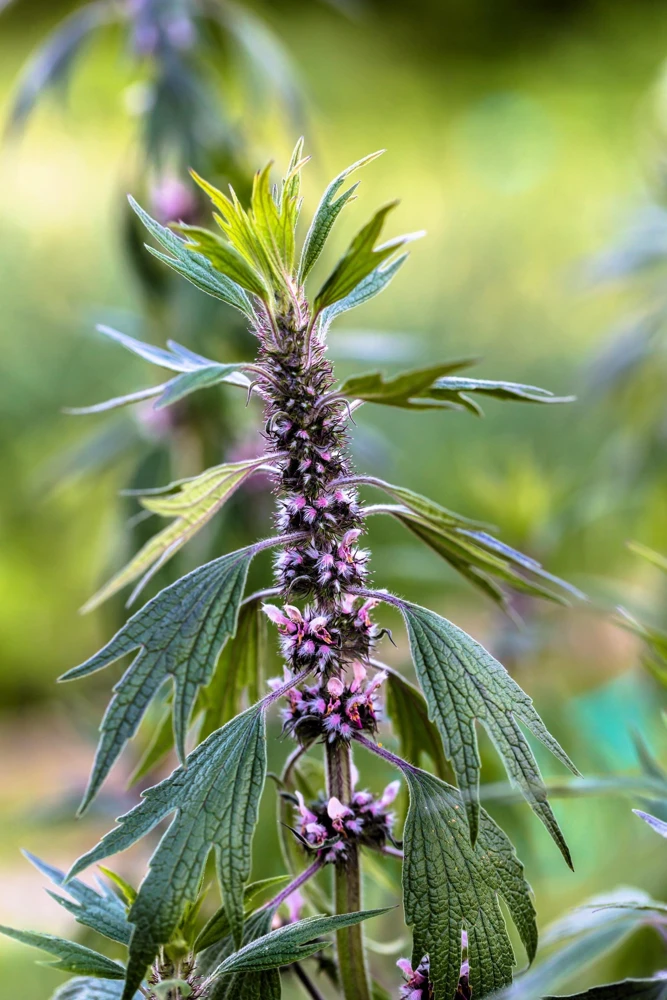
50 Motherwort Seeds (Lion’s Tail) – Leonurus Cardiaca Herb Flower Seeds, Pale Pink-Purple Blooms
Reviews
There are no reviews yet.