
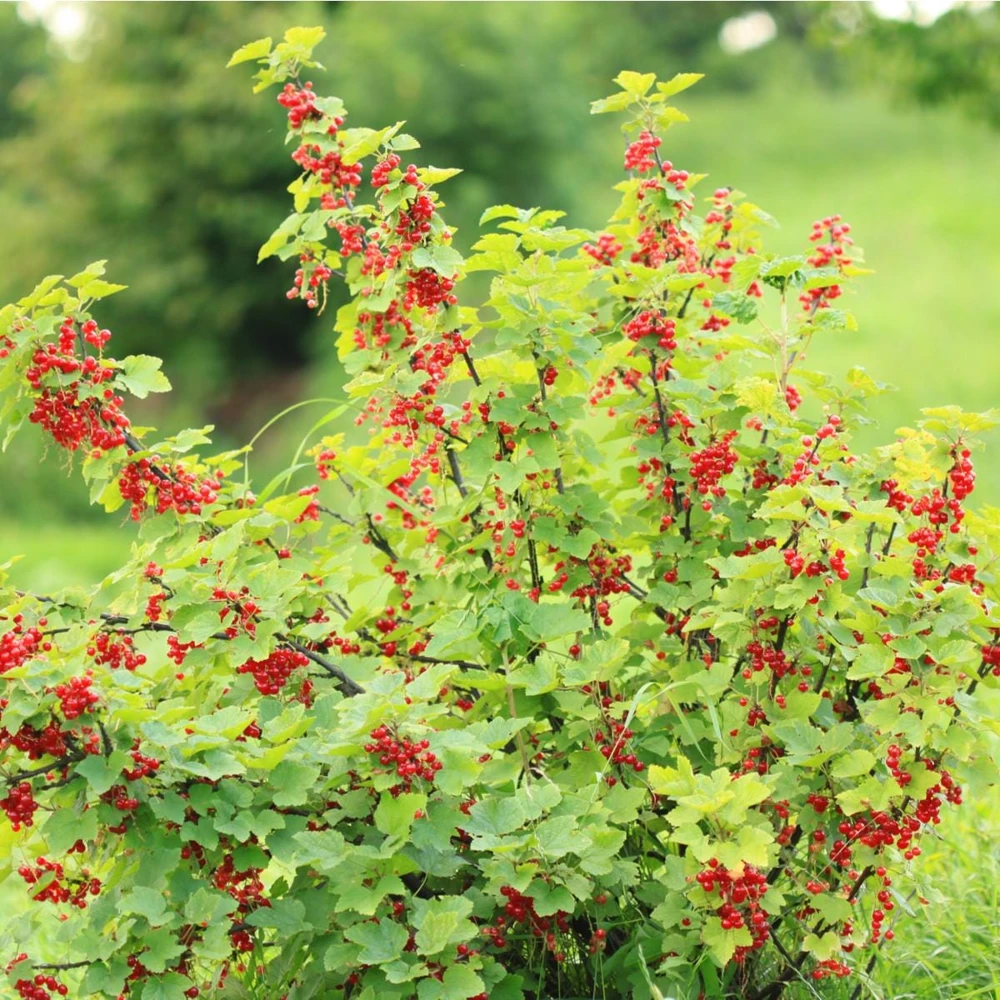
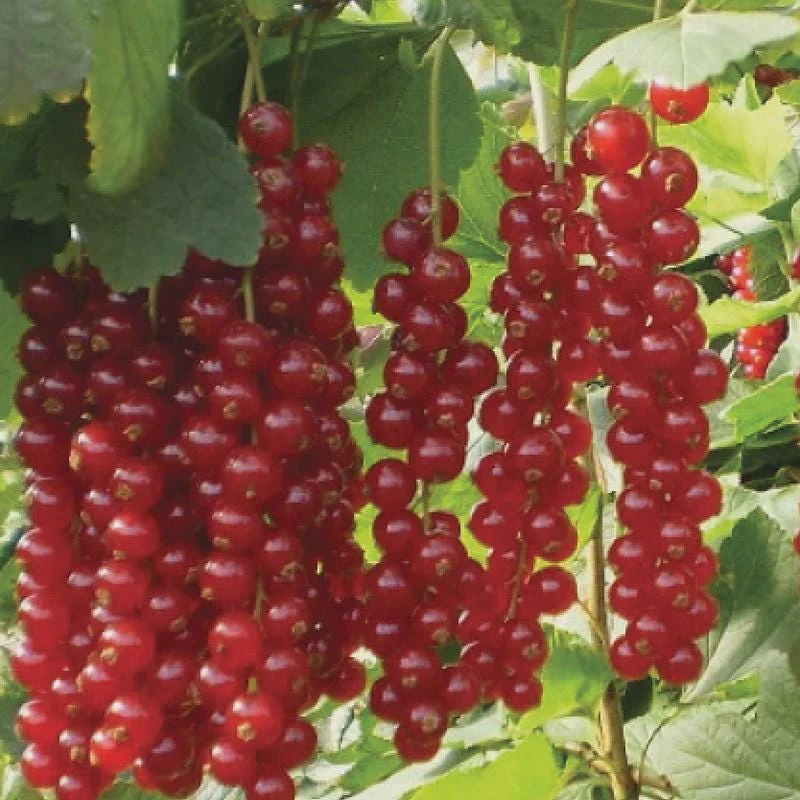
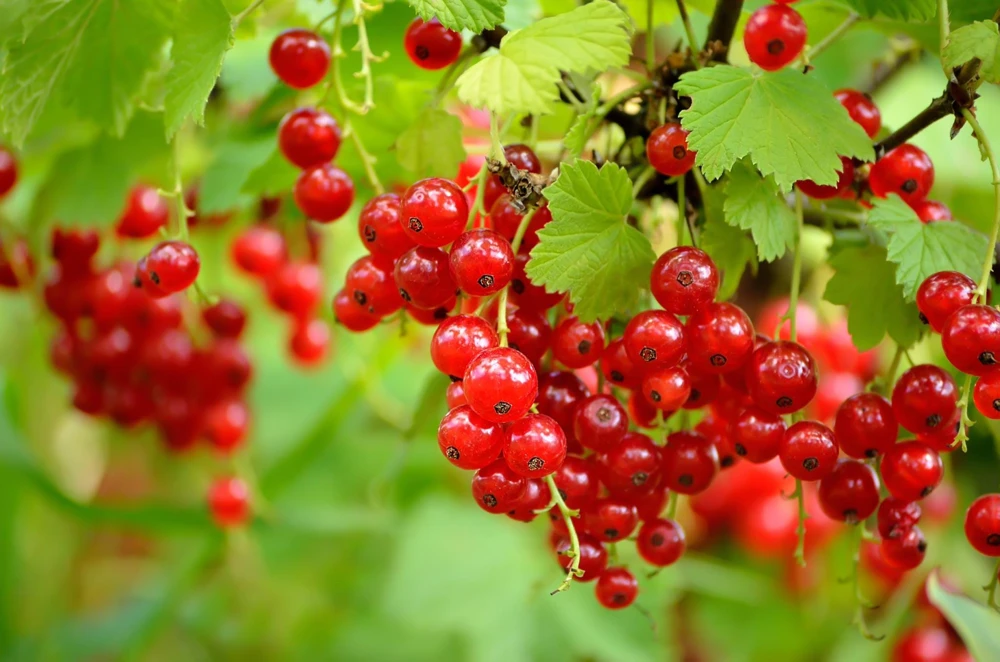
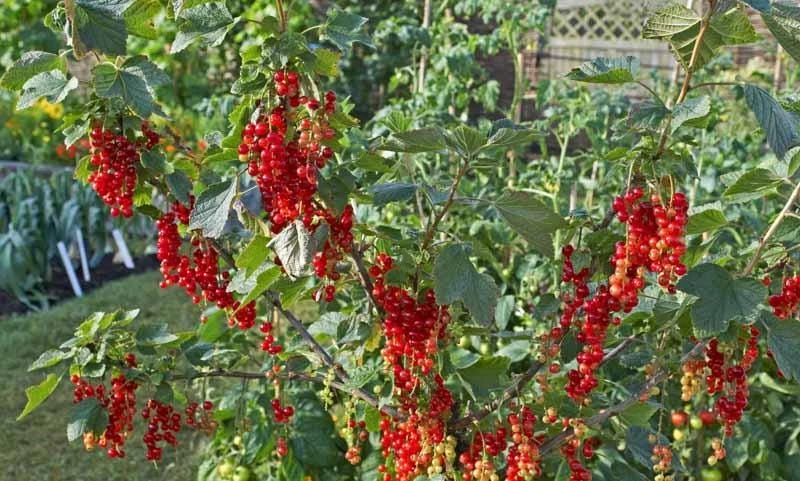
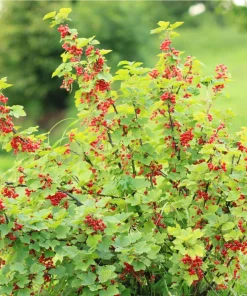
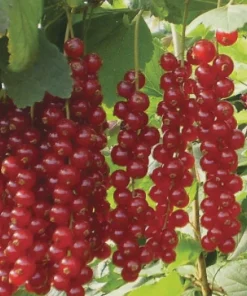
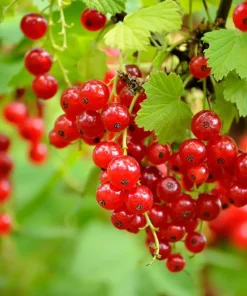
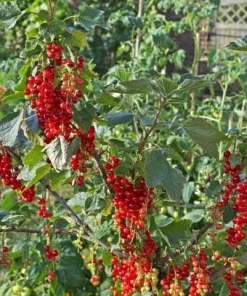
Red Currant Shrub Starter Plant – Ribes rubrum Live Plant 6-12″ Tall
Original price was: $91.99.$66.99Current price is: $66.99.
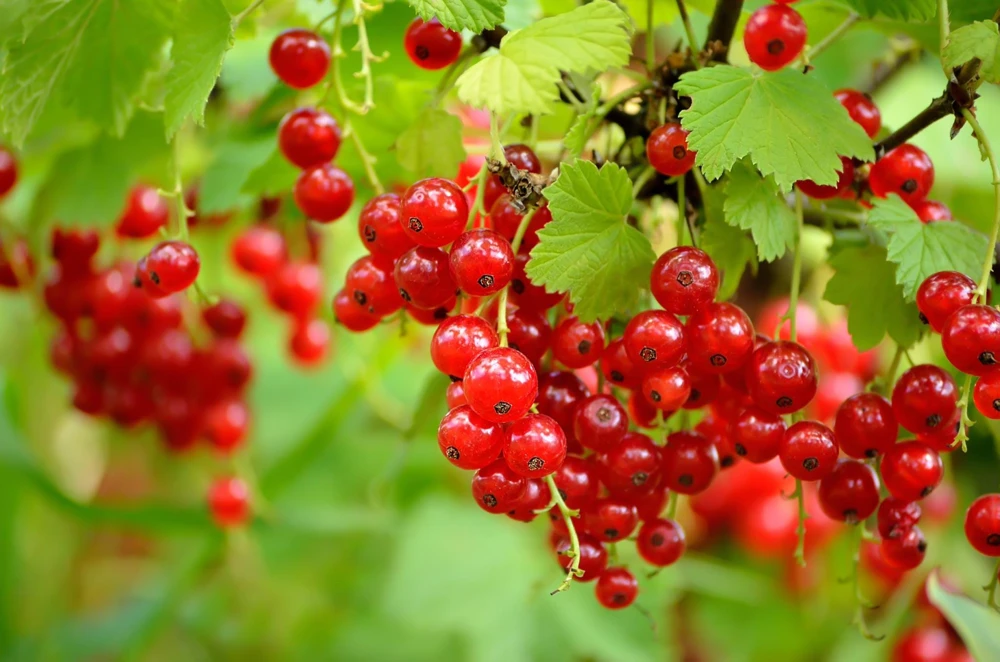
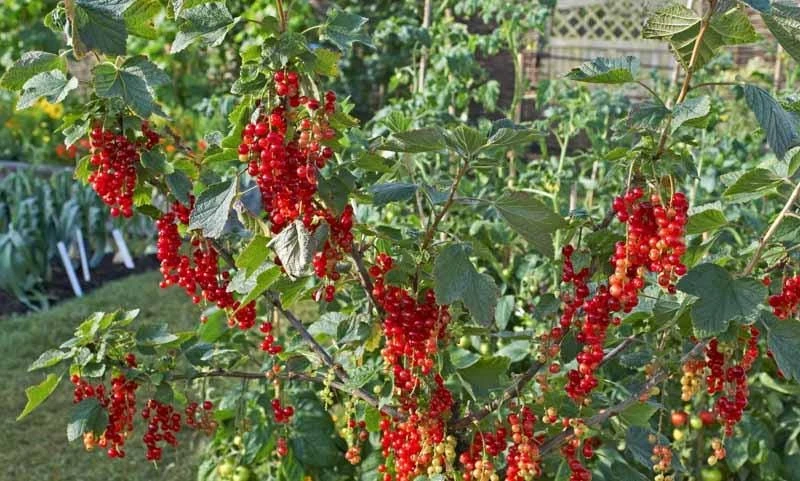
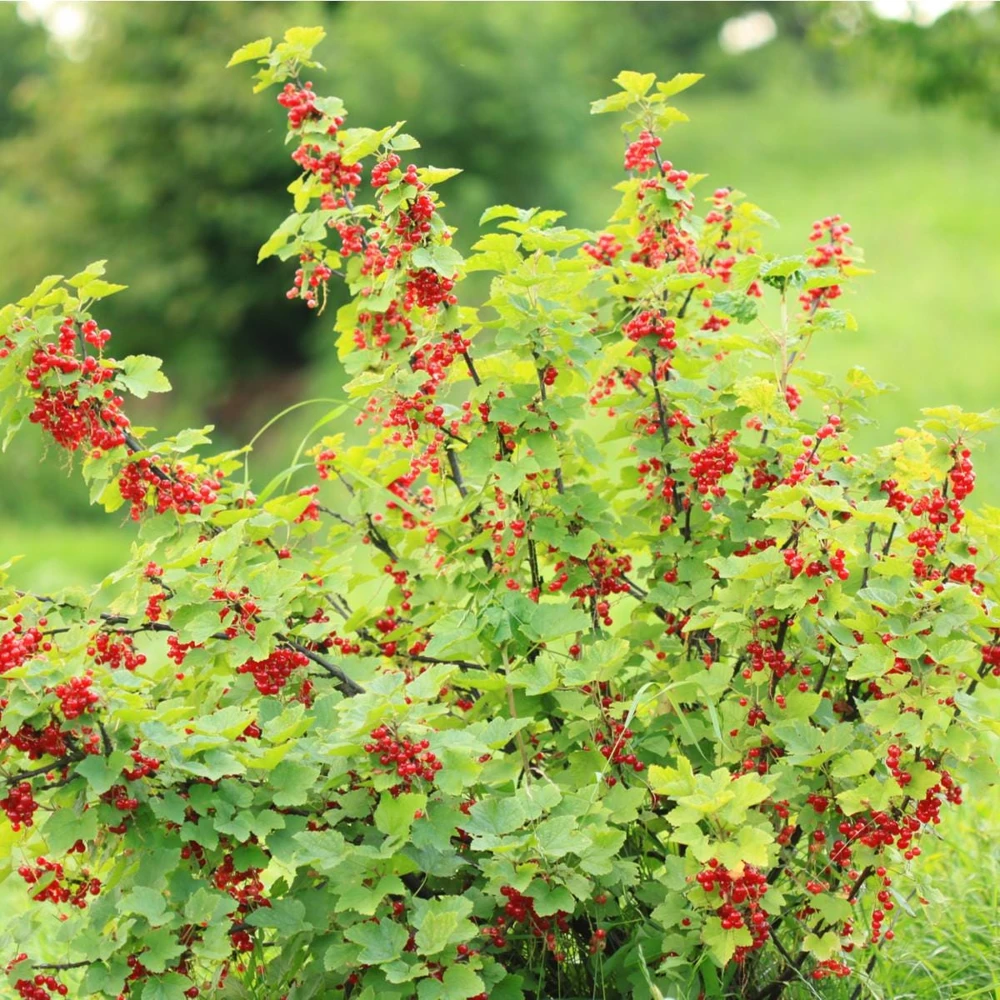
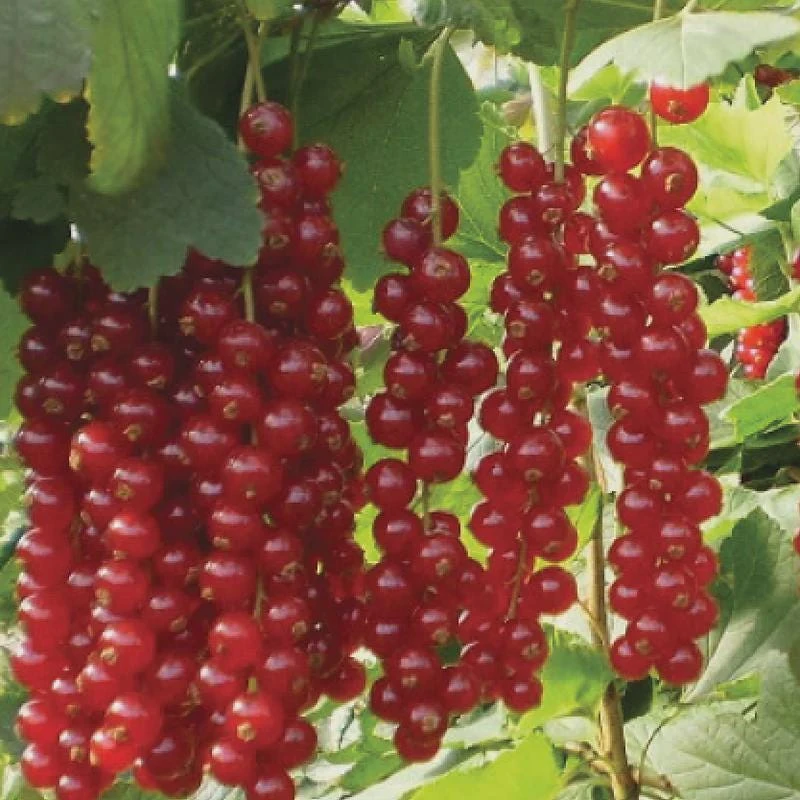
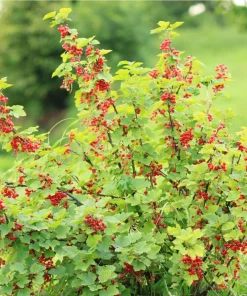
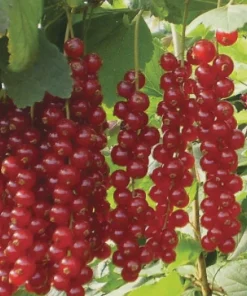
Cultivate your own delicious fruit with this red currant shrub, a hardy Ribes rubrum plant starter that ships bare root. This deciduous shrub produces chains of bright red berries and typically grows 3 to 5 feet tall. Ideal for outdoor gardens, it prefers well-drained soil and partial shade in hot climates.
Estimated arrival
Sep 29
Oct 04 - Oct 06
Oct 09 - Oct 13
Shop With Confidence
30-Day Plant Health Guarantee
Arrives damaged? We’ll replace it free — see our return policy.
Responsive Support
Email us anytime, we reply within 1 business day.
Expert Packaging
Temperature-controlled shipping to protect your plants in transit.
Secure Checkout
Pay safely with Visa, Mastercard, PayPal.
Plant Specifications
-
USDA Hardiness Zone
USDA zones 3-8 -
Soil Type
Well-draining, slightly acidic to neutral soil -
Sunlight Exposure
Full sun to partial shade -
Expected Planting Period
Early spring or fall
Overview
Embark on a rewarding gardening journey with this vibrant red currant shrub, a fantastic addition to any edible landscape or ornamental garden. This offering includes a live bare root currant plant of the species Ribes rubrum, ready to establish itself in your chosen spot. Known for its prolific production of bright red, tart berries, the red currant is a beloved choice for making jams, jellies, pies, and fresh desserts. Our starter plants are 6-12 inches tall, providing a robust foundation for healthy growth. This hardy, deciduous shrub not only yields delicious fruit but also adds significant visual interest with its attractive foliage and dangling chains of berries. It’s a relatively low-maintenance plant, making it suitable for both experienced gardeners and those new to growing red currants.
The Ribes rubrum, commonly referred to as the red currant plant, is a European native that thrives in temperate climates. It’s a self-pollinating species, meaning you only need one plant to start harvesting fruit. These shrubs typically mature to a height and width of 3 to 5 feet, creating a compact yet fruitful presence in your garden. The berries ripen in mid to late summer, offering a refreshing burst of flavor. This particular offering is for a starter plant, shipped bare root to ensure optimal transplantation and establishment in its new home. Proper planting and initial care will ensure this shrub quickly takes root and begins its journey towards yielding bountiful harvests for years to come.
Key Benefits
Integrating a red currant shrub into your garden offers a multitude of advantages, from culinary delights to aesthetic appeal and ease of care. This versatile plant is a true garden gem.
- Abundant Fruit Production: Enjoy generous harvests of bright, juicy red berries perfect for culinary uses. The Ribes rubrum plant is known for its reliable and consistent fruiting, providing a steady supply of delicious currants each season.
- Culinary Versatility: The tart flavor of red currants makes them ideal for a wide range of recipes, including jams, jellies, sauces, pies, and refreshing beverages. They can also be enjoyed fresh or frozen for later use.
- Ornamental Appeal: Beyond its fruit, the red currant shrub offers attractive foliage and striking chains of berries that add vibrant color and texture to your garden landscape, especially when laden with ripe fruit.
- Hardy and Resilient: This deciduous shrub is known for its hardiness, tolerating various soil conditions and cold temperatures, making it a robust choice for many regions. Its resilience contributes to its ease of care.
- Low Maintenance: Once established, red currant care is relatively straightforward. These plants require minimal pruning and are generally resistant to many common pests and diseases, simplifying your gardening efforts.
- Self-Pollinating: You only need a single Ribes rubrum plant to ensure fruit production, eliminating the need for multiple plants or cross-pollination concerns. This makes growing red currants accessible for smaller gardens.
- Supports Local Wildlife: The berries can attract beneficial birds to your garden, adding to the natural ecosystem, though netting may be needed if you want to protect your harvest.
Plant Care & Growing Tips
Proper red currant care is essential for a thriving plant and a bountiful harvest. These shrubs are relatively easy to grow, but understanding their specific needs will ensure their success. When planting your bare root currant plant, choose a location with well-drained soil. While red currants can tolerate a range of soil types, they prefer slightly acidic to neutral pH. Incorporating organic matter, such as compost, into the planting hole will improve soil structure and fertility. For sunlight, red currants thrive in full sun in cooler climates. However, in hotter summer areas, a spot with morning sun and afternoon shade is ideal to protect the plant from scorching. Aim for at least 4-6 hours of direct sunlight daily.
Watering is crucial, especially during the establishment phase and dry spells. Keep the soil consistently moist but never waterlogged. Deep watering once or twice a week is generally better than frequent shallow watering. Mulching around the base of the plant with 2-3 inches of organic material will help retain soil moisture, suppress weeds, and regulate soil temperature. Fertilize your Ribes rubrum plant in early spring with a balanced granular fertilizer or a slow-release organic option. Avoid over-fertilizing, especially with high-nitrogen formulas, as this can promote leafy growth at the expense of fruit production. Pruning is best done in late winter while the plant is dormant, focusing on removing old, unproductive canes and maintaining an open structure for good air circulation. This encourages new growth and maximizes fruit yield when growing red currants.
Red currants are hardy in USDA zones 3-8. They benefit from winter dormancy, which helps them produce fruit effectively. Protect young plants from harsh winter winds if you are in a colder zone. Common problems are few, but watch out for aphids or powdery mildew, which can usually be managed with organic sprays or proper air circulation. Ensure your red currant shrub has good air flow and avoid overhead watering to minimize fungal issues. With these care tips, your plant will flourish and provide you with delicious fruit for many seasons.
Size & Details
This offering is for 3 red currant shrub starter plants, each measuring approximately 6-12 inches tall at the time of shipment. These are vigorous young plants of the species Ribes rubrum, specifically cultivated to establish quickly in your garden. The plants are shipped as bare root currant plant specimens, meaning they are dormant and arrive without soil around their roots. This method is excellent for reducing transplant shock and promoting robust root development once planted. Upon maturity, each shrub typically reaches a height and spread of 3 to 5 feet, forming a compact and productive bush. With proper care, you can expect fruit production to begin within 1-2 years after planting, with full yields by the third or fourth year. The growth rate is moderate, allowing for easy management and shaping as the plant matures.
Frequently Asked Questions
- Q: How big does this plant get? A: A mature red currant shrub (Ribes rubrum) typically grows to a height and width of 3 to 5 feet. The starter plants provided are 6-12 inches tall upon arrival, allowing you to shape them as they grow.
- Q: Is this an indoor or outdoor plant? A: The Ribes rubrum plant is an outdoor deciduous shrub. It requires a period of winter dormancy to produce fruit effectively and thrives in garden settings.
- Q: How much sunlight does it need? A: For optimal fruit production, the red currant shrub prefers full sun (6+ hours daily) in cooler climates. In areas with hot summers, it benefits from morning sun and afternoon shade to prevent leaf scorch.
- Q: Is this plant easy to care for? A: Yes, red currant care is considered relatively easy. Once established, these plants are quite hardy and require minimal pruning, watering, and fertilization, making them suitable for beginners.
- Q: What condition will it arrive in? A: Your bare root currant plant will arrive dormant and without soil around its roots. This is a standard and effective shipping method that helps the plant adapt to its new environment.
- Q: Can I use red currants in cooking? A: Absolutely! Red currants are highly valued for their tart flavor and are excellent for making jams, jellies, sauces, pies, tarts, and other desserts. They can also be enjoyed fresh.
- Q: How long until it blooms and fruits? A: You can typically expect your red currant shrub to begin fruiting within 1-2 years after planting, with significant harvests usually starting in the third or fourth year.
- Q: What’s the best time for planting this bare root currant plant? A: The ideal time for planting a bare root currant plant is in early spring, after the last frost, or in the fall before the ground freezes. This allows the roots to establish before extreme temperatures.
- Q: Will it survive winter in my zone? A: The red currant shrub is very cold hardy and thrives in USDA Zones 3-8, meaning it can tolerate quite cold winter temperatures and requires a chilling period for fruit set.
- Q: Is this plant self-pollinating? A: Yes, growing red currants is convenient as Ribes rubrum is a self-pollinating species, so you only need one plant to produce fruit.
Be the first to review “Red Currant Shrub Starter Plant – Ribes rubrum Live Plant 6-12″ Tall”
People Also Viewed

Reviews
There are no reviews yet.