
Cranberry Hibiscus Live Plant – Hibiscus acetosella ‘African Rose’ – 3 inch Pot
Original price was: $46.99.$26.99Current price is: $26.99.
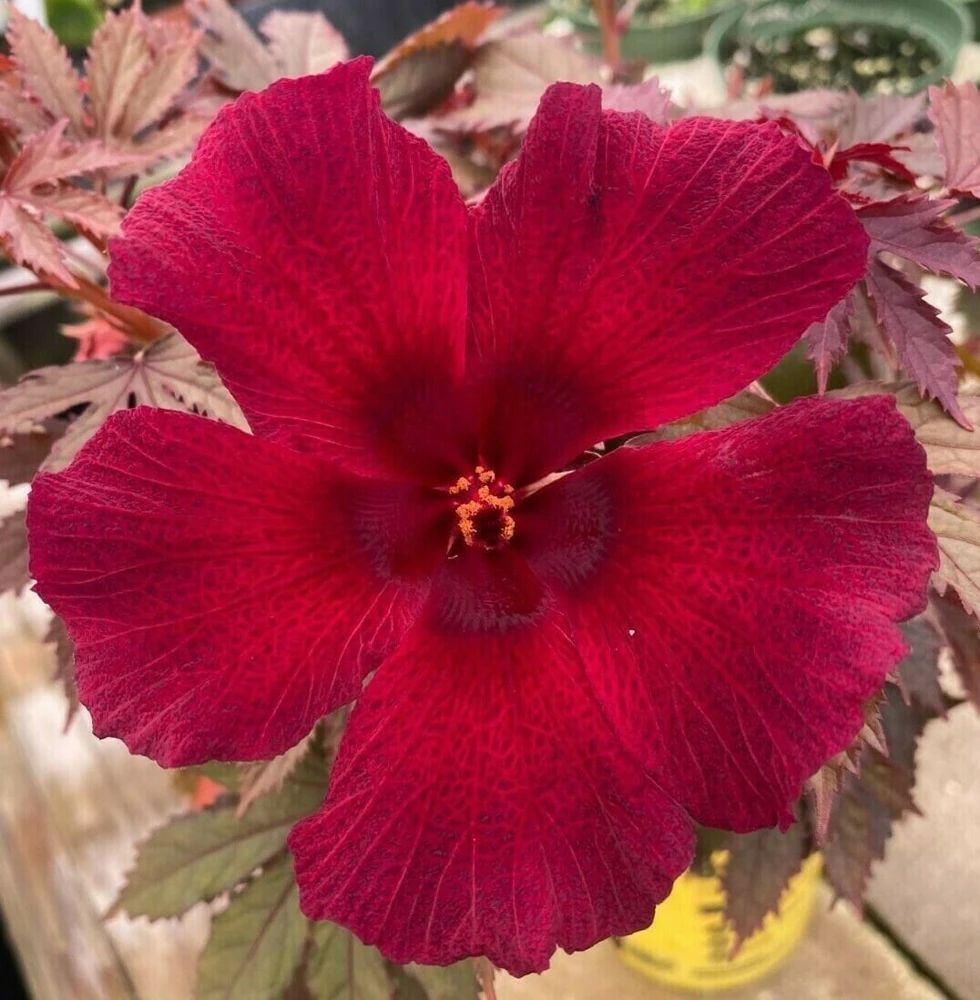
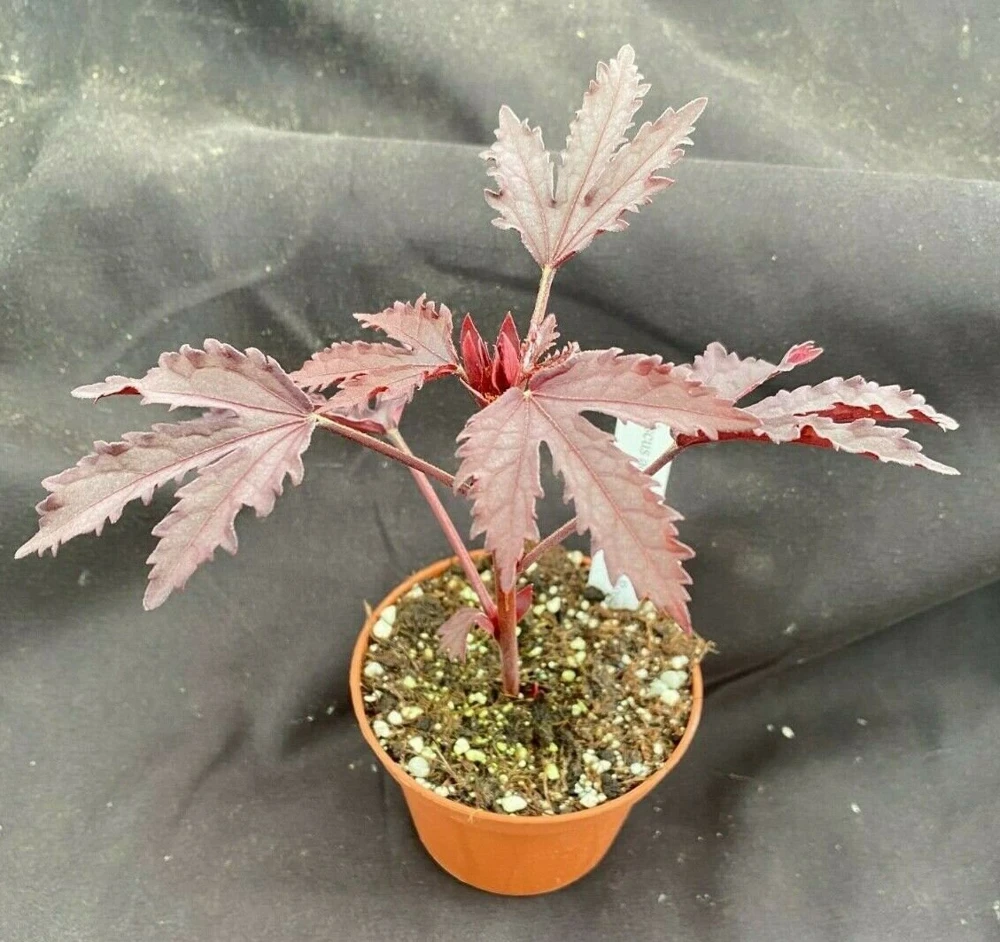
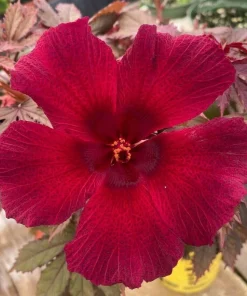
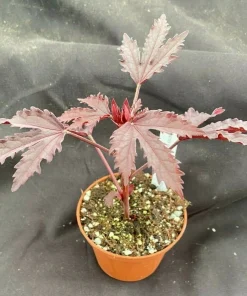
Bring vibrant color to your garden with the cranberry hibiscus live plant, ‘African Rose’ variety. This unique shrub features stunning red leaves, resembling a Japanese Maple, and produces beautiful dark red flowers up to 6 inches across. Shipped as a rooted plant in a 3 inch pot, it’s easy to grow and can be used for teas and medicine.
Estimated arrival
Sep 22
Sep 27 - Sep 29
Oct 02 - Oct 06
Shop With Confidence
30-Day Plant Health Guarantee
Arrives damaged? We’ll replace it free — see our return policy.
Responsive Support
Email us anytime, we reply within 1 business day.
Expert Packaging
Temperature-controlled shipping to protect your plants in transit.
Secure Checkout
Pay safely with Visa, Mastercard, PayPal.
Plant Specifications
-
USDA Hardiness Zone
USDA zones 9-11 -
Soil Type
Well-draining soil -
Sunlight Exposure
Full sun -
Expected Planting Period
Spring to early summer
Overview
Introduce a touch of dramatic beauty to your landscape with the cranberry hibiscus live plant, scientifically known as Hibiscus acetosella ‘African Rose’. Also commonly referred to as the Red Shield Hibiscus, this striking plant is cherished for its deeply lobed, maple-like foliage that boasts a rich, dark red hue, providing continuous visual interest throughout the growing season. Beyond its ornamental appeal, the ‘African Rose’ variety produces captivating dark red flowers, often reaching an impressive 6 inches in diameter, adding another layer of allure. This particular offering is a vigorous, rooted plant, carefully cultivated and shipped in a 3-inch pot, ready to thrive in your garden or container. Its robust nature and ease of care make it a rewarding addition for both novice and experienced gardeners seeking a plant with significant impact.
The cranberry hibiscus live plant is a versatile shrub that not only enhances garden aesthetics but also offers practical uses. Its leaves and calyxes are traditionally used to make flavorful teas and are recognized in some cultures for their medicinal properties. The vibrant red color of the foliage persists, making it an excellent choice for creating dynamic contrasts in garden beds or as a standalone specimen. Whether you’re looking to add a unique edible plant or simply desire a show-stopping ornamental, the ‘African Rose’ Cranberry Hibiscus delivers on all fronts.
Key Benefits
The cranberry hibiscus live plant offers a multitude of benefits, making it a highly desirable addition to any garden. Its unique characteristics contribute to both aesthetic appeal and practical utility:
-
Stunning Red Foliage: The deep, burgundy-red leaves of the ‘African Rose’ variety provide continuous vibrant color, resembling the elegant form of a Japanese Maple. This striking foliage creates a dramatic focal point in any garden setting, offering visual interest even when not in bloom.
-
Beautiful Dark Red Flowers: Enjoy large, captivating dark red flowers that can reach up to 6 inches across. These blooms add an exotic touch and attract pollinators, enhancing the biodiversity of your garden.
-
Versatile Culinary & Medicinal Uses: The leaves and calyxes of the hibiscus acetosella plant are excellent for brewing refreshing and healthful teas. They are also known for their traditional medicinal applications, making this plant a functional addition to an edible landscape or herb garden.
-
Easy to Grow: This robust plant is known for its resilience and adaptability, thriving with minimal fuss. It’s an ideal choice for gardeners of all skill levels, requiring basic care to flourish and provide consistent beauty.
-
Fast Growing: Experience rapid growth with the cranberry hibiscus live plant, quickly establishing itself and adding significant presence to your garden or patio. Its fast growth rate means quicker enjoyment of its ornamental and practical benefits.
-
Attracts Pollinators: The vibrant flowers are a magnet for bees, butterflies, and hummingbirds, contributing to a healthy ecosystem and supporting local wildlife populations in your garden.
-
Drought Tolerant: Once established, the ‘African Rose’ Cranberry Hibiscus exhibits good drought tolerance, making it a sustainable choice for water-wise gardening and reducing the need for frequent irrigation.
Plant Care & Growing Tips
Caring for your hibiscus acetosella plant, the ‘African Rose’ Cranberry Hibiscus, is straightforward, ensuring a rewarding growing experience. This plant thrives in warm climates and requires specific conditions to reach its full potential. For optimal growth and vibrant foliage, plant your Cranberry Hibiscus in a location that receives full sun, meaning at least 6-8 hours of direct sunlight per day. While it can tolerate partial shade, the intense red coloration of its leaves is best achieved with ample sun exposure. Ensure the soil is well-draining; heavy, waterlogged soils can lead to root rot. A slightly acidic to neutral soil pH is ideal.
Watering should be consistent, especially during dry spells and in its establishment phase. Keep the soil consistently moist but not soggy. Once the plant is established, it becomes more tolerant of drought conditions, but regular watering will promote healthier growth and more prolific flowering. Fertilize your african rose hibiscus care routine with a balanced, slow-release fertilizer in spring, and again in mid-summer if needed, to support its vigorous growth. Pruning can be done in late winter or early spring to maintain shape, encourage bushier growth, and promote more blooms. This plant is generally hardy in USDA zones 9-11, where it can be grown as a perennial. In cooler zones, it can be treated as an annual or brought indoors during winter.
Protecting your growing cranberry hibiscus from common pests and diseases involves regular inspection. While relatively pest-resistant, watch out for aphids or spider mites, especially in dry conditions. Horticultural oil or insecticidal soap can be used for treatment. Ensuring good air circulation and avoiding overhead watering can help prevent fungal issues. With proper care, your ‘African Rose’ Cranberry Hibiscus will provide years of stunning foliage and beautiful blooms, making it a standout feature in your garden.
Size & Details
This offering is for one cranberry hibiscus live plant of the ‘African Rose’ variety, shipped as a rooted specimen in a 3-inch nursery pot. At the time of shipping, plants typically stand between 6-12 inches tall, ready for transplanting into a larger container or directly into your garden bed. The Cranberry Hibiscus is a fast-growing shrub that can reach an impressive size of 5-7 feet in height and 3-5 feet in width when mature, especially in ideal growing conditions. Its robust growth habit ensures it quickly establishes a significant presence in your landscape.
The plant’s growth rate is considered vigorous, and you can expect to see substantial development within its first growing season. Flowers typically appear in late summer to fall, providing a vibrant display of dark red blooms. This variety is known for its striking deep red foliage that maintains its color throughout the warm months. The plant is shipped with a healthy root system, ensuring a smooth transition to its new environment. Provide adequate space for its mature size to allow for optimal development of its beautiful foliage and flowers.
Frequently Asked Questions
-
Q: How big does this cranberry hibiscus live plant get? A: The ‘African Rose’ Cranberry Hibiscus can grow to be quite substantial, typically reaching a height of 5-7 feet and a width of 3-5 feet when mature, given adequate space and proper growing conditions. Its vigorous growth ensures it fills out quickly.
-
Q: What size pot does it come in? A: Your hibiscus acetosella plant will be shipped as a healthy, rooted plant in a 3-inch nursery pot, ready for you to transplant into a larger container or directly into your garden.
-
Q: Is this an indoor or outdoor plant? A: While it can be grown outdoors as a perennial in USDA zones 9-11, the ‘African Rose’ Cranberry Hibiscus can also be cultivated as an annual in cooler climates or grown in containers and brought indoors during winter months.
-
Q: How much sunlight does it need? A: For the best growth and most vibrant red foliage, the african rose hibiscus care requires full sun exposure, meaning at least 6-8 hours of direct sunlight per day. It can tolerate partial shade, but the leaf color may be less intense.
-
Q: Is this plant easy to care for? A: Yes, the Cranberry Hibiscus is known for being relatively easy to grow and maintain, making it suitable for gardeners of all experience levels. It’s quite resilient once established.
-
Q: What condition will it arrive in? A: Your growing cranberry hibiscus will arrive as a live, healthy, rooted plant in a 3-inch pot, carefully packaged to ensure its safe journey to your home. It will be ready for immediate planting.
-
Q: Can I use the leaves for tea? A: Absolutely! The leaves and calyxes of the Cranberry Hibiscus, including the ‘African Rose’ variety, are commonly used to make flavorful and healthful teas. Many enjoy its tart, cranberry-like flavor.
-
Q: How long until it blooms? A: The ‘African Rose’ Cranberry Hibiscus typically starts producing its beautiful dark red flowers in late summer and continues blooming into the fall, providing a lovely display when many other plants are finishing their season.
-
Q: Will it survive winter in my zone? A: This plant is perennial in USDA Hardiness Zones 9-11. In zones colder than 9, it is typically grown as an annual or brought indoors to protect it from freezing temperatures.
-
Q: What type of soil does it prefer? A: The Cranberry Hibiscus thrives in well-draining soil. A slightly acidic to neutral soil pH is ideal. Avoid heavy, compacted, or waterlogged soils to prevent root issues.
Be the first to review “Cranberry Hibiscus Live Plant – Hibiscus acetosella ‘African Rose’ – 3 inch Pot”
People Also Viewed
Shrubs
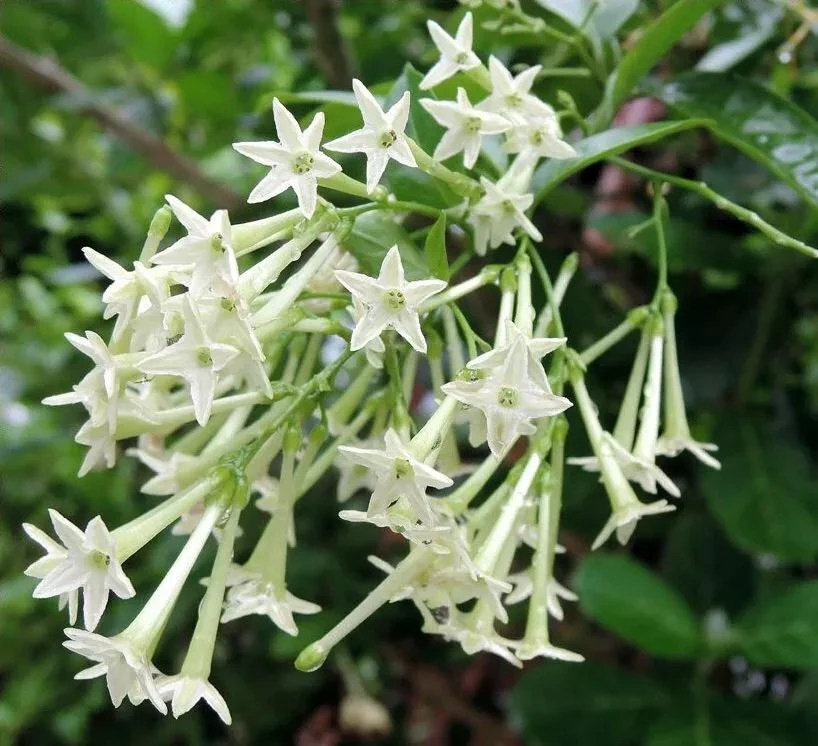
Night Blooming Jasmine Live Plants – Cestrum Nocturnum 5-9″ Tall, Pack of 2, Fragrant Outdoor Shrub


Reviews
There are no reviews yet.