
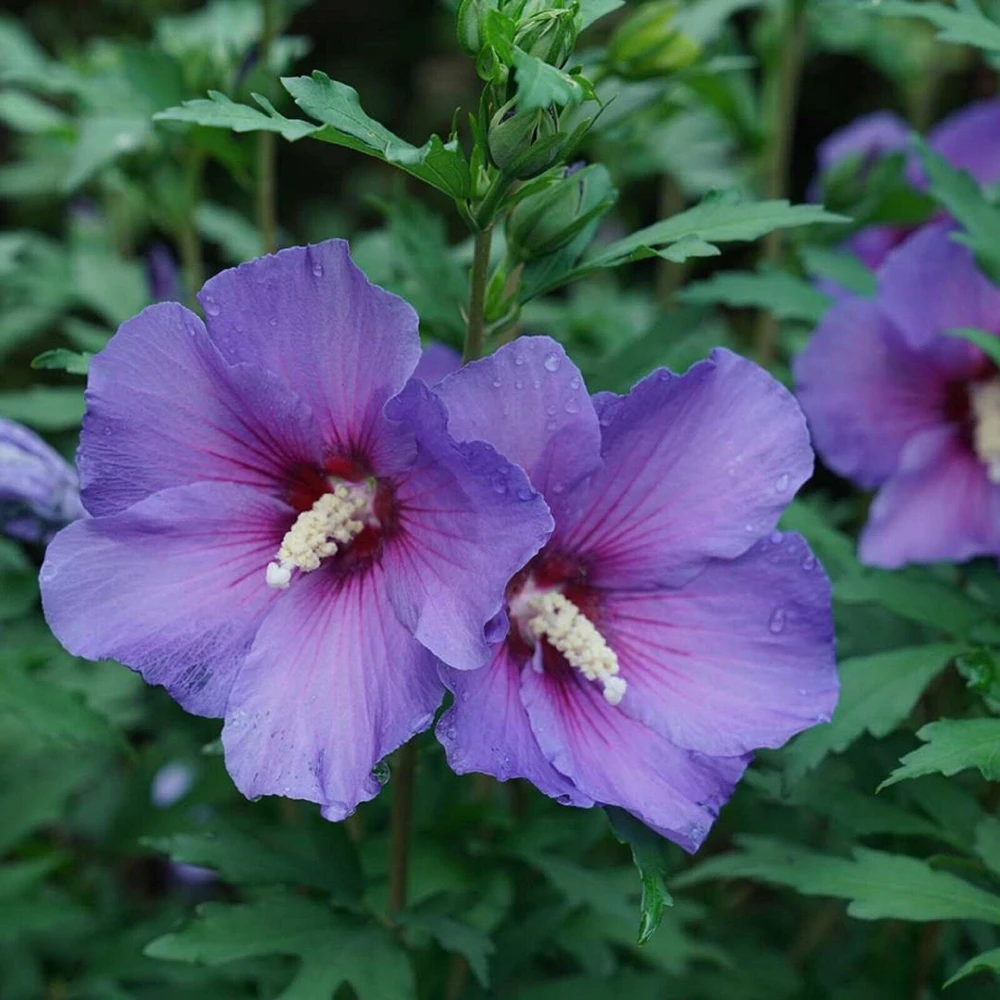
Hibiscus ‘Paraplu Violet’ Live Plant – Starter 4-6 Inch – Purple Flowers
Original price was: $72.99.$42.99Current price is: $42.99.
Bring vibrant color to your garden with the Hibiscus Paraplu Violet plant. This beautiful deciduous shrub features striking purple/violet flowers that bloom throughout summer, attracting hummingbirds and butterflies. A well-rooted starter plant, approximately 4-6 inches tall, perfect for zones 5-9.
Estimated arrival
Nov 07
Nov 12 - Nov 14
Nov 17 - Nov 21
Shop With Confidence
30-Day Plant Health Guarantee
Arrives damaged? We’ll replace it free — see our return policy.
Responsive Support
Email us anytime, we reply within 1 business day.
Expert Packaging
Temperature-controlled shipping to protect your plants in transit.
Secure Checkout
Pay safely with Visa, Mastercard, PayPal.
Plant Specifications
-
USDA Hardiness Zone
USDA Zones 5-9 -
Soil Type
Well-draining soil -
Sunlight Exposure
Full sun to partial shade -
Expected Planting Period
Spring to early summer
Overview
Introduce a splash of stunning color to your landscape with the Hibiscus Paraplu Violet plant. This captivating deciduous shrub, also known as Rose of Sharon or Hibiscus syriacus ‘Paraplu Violet’, is celebrated for its abundant, large, purple/violet flowers that grace the garden from summer into fall. Ideal for USDA hardiness zones 5-9, this resilient plant can grow to an impressive height of 6-10 feet, forming an upright, vase-shaped structure. Our offering is a well-rooted starter plant, typically 4-6 inches tall, ready to establish itself in your garden and bring years of spectacular blooms. It’s a fantastic choice for gardeners seeking a low-maintenance yet high-impact flowering shrub, providing a long season of visual interest.
The Hibiscus Paraplu Violet plant is a true garden gem, offering not only beauty but also a haven for pollinators. Its trumpet-shaped flowers are a magnet for hummingbirds and butterflies, adding lively activity to your outdoor space. Whether you’re creating a vibrant border, a focal point, or a privacy screen, this hibiscus variety is an excellent selection. It thrives in various settings, from formal gardens to more naturalized landscapes, adapting well to different soil types as long as they are well-draining. Cultivating this plant allows you to enjoy its dramatic blossoms and the delightful wildlife it attracts, making your garden a more dynamic and enjoyable place.
Key Benefits
The Hibiscus Paraplu Violet plant offers numerous advantages for any garden enthusiast, combining ornamental beauty with ecological benefits. Its resilient nature and striking appearance make it a highly desirable addition.
- Spectacular Purple Blooms: Enjoy a profusion of large, vibrant purple/violet flowers that provide continuous color from summer through fall, ensuring your garden remains lively and attractive for months.
- Attracts Pollinators: The showy flowers are a favorite of hummingbirds and butterflies, helping to support local ecosystems and bringing delightful activity to your garden space. This makes it an excellent choice for a hummingbird hibiscus.
- Hardy and Adaptable: Thrives across a wide range of climates in USDA zones 5-9, demonstrating excellent cold tolerance and adaptability to various garden conditions, making it a reliable performer.
- Low Maintenance: Once established, this deciduous shrub requires minimal care, making it suitable for both experienced gardeners and those new to planting. It’s a forgiving plant that rewards with abundant blooms.
- Versatile Landscape Use: Perfect as a stand-alone specimen, in mixed borders, as an informal hedge, or even grown as a small tree. Its upright growth habit allows for flexible placement in diverse garden designs.
- Long Blooming Season: Unlike many other flowering shrubs, the Hibiscus Paraplu Violet plant offers an extended period of bloom, ensuring your garden remains vibrant and colorful for a significant portion of the growing season.
- Drought Tolerant: While it prefers consistent moisture, this hibiscus shows good drought tolerance once established, making it a resilient choice for areas with fluctuating rainfall.
Plant Care & Growing Tips
Caring for your Hibiscus Paraplu Violet plant is relatively straightforward, ensuring you’ll enjoy its stunning blooms for many years. This deciduous shrub thrives with proper siting and basic maintenance. For optimal growth, plant your purple hibiscus shrub in a location that receives full sun to partial shade. Full sun (at least 6 hours of direct sunlight daily) will encourage the most prolific flowering, while partial shade can be beneficial in hotter climates to protect it from intense afternoon sun. Ensure the soil is well-drained; hibiscus do not tolerate soggy roots. A rich, loamy soil amended with compost will provide the best growing medium, promoting strong root development and overall plant health. Avoid heavy clay soils or amend them significantly to improve drainage.
Watering should be consistent, especially during the first growing season to help the plant establish a strong root system. Once mature, the deciduous hibiscus is moderately drought-tolerant but will perform best with regular watering during dry spells. Allow the top inch or two of soil to dry out between waterings. Fertilize in early spring with a balanced slow-release granular fertilizer or a liquid feed formulated for flowering shrubs. Pruning can be done in late winter or early spring before new growth emerges to maintain shape, control size, and encourage more blooms. Remove any dead, damaged, or crossing branches. This plant is generally pest and disease resistant, but keep an eye out for aphids or whiteflies and treat with an insecticidal soap if necessary. Protecting young plants with mulch in winter can help insulate roots in colder zones.
Size & Details
This offering is for one Hibiscus ‘Paraplu Violet’ live plant, supplied as a well-rooted starter plant. The plant will typically arrive approximately 4-6 inches in height, measured from the soil line. It is shipped in a 3×4 inch pot, ensuring the root system is intact and ready for transplanting. This starter size allows the plant to establish quickly in its new environment, whether planted directly into the garden or potted up into a larger container. The ‘Paraplu Violet’ is a moderate to fast-growing deciduous shrub, capable of reaching a mature height of 6-10 feet and a spread of 4-6 feet over several years, forming an attractive upright, vase-like shape. Expect to see its first captivating purple/violet blooms in the summer of the planting year, with more abundant flowering in subsequent seasons as the plant matures. It will arrive in either a dormant or soon-to-be dormant state depending on the season, with spring bringing new leaf and flower development.
Frequently Asked Questions
- Q: How big does this plant get? A: The Hibiscus Paraplu Violet plant typically grows to a mature height of 6-10 feet and can spread 4-6 feet wide. Its growth rate is moderate, allowing it to reach a substantial size over a few years.
- Q: Is this an indoor or outdoor plant? A: This is primarily an outdoor plant, well-suited for gardens and landscapes in USDA zones 5-9. While it can be grown in a container, it thrives best outdoors where it can reach its full potential.
- Q: How much sunlight does it need? A: The purple hibiscus shrub prefers full sun (at least 6 hours of direct sunlight daily) for the best flowering. It can tolerate partial shade, especially in hotter climates, but may produce fewer blooms.
- Q: Is this plant easy to care for? A: Yes, the deciduous hibiscus is considered relatively easy to care for once established. It’s tolerant of various soil conditions as long as they are well-draining and requires minimal pruning.
- Q: What condition will it arrive in? A: Your Hibiscus Paraplu Violet plant will arrive as a well-rooted starter plant in a 3×4 inch pot, approximately 4-6 inches tall. Depending on the season, it may be dormant or soon-to-be dormant, with new leaves emerging in spring.
- Q: How long until it blooms? A: You can expect to see the first beautiful purple/violet blooms from your Paraplu Violet care plant during the summer of the planting year. Flowering will become more abundant and impressive as the plant matures.
- Q: Will it survive winter in my zone? A: This hibiscus is hardy in USDA zones 5-9. In colder parts of its range (zone 5), it may die back to the ground but will typically regrow from the roots in spring. Mulching around the base can offer extra protection.
- Q: What’s the best soil type for this plant? A: The hummingbird hibiscus thrives in well-draining soil. A loamy soil enriched with organic matter is ideal. Avoid heavy, compacted soils that retain too much moisture, as this can lead to root rot.
- Q: Can I grow this hibiscus in a large pot? A: Yes, you can grow the Hibiscus Paraplu Violet plant in a large container, especially if you are in a colder zone and wish to move it indoors for winter. Ensure the pot has excellent drainage and is large enough to accommodate its root system.
- Q: When is the best time to plant? A: Spring is generally the best time to plant your purple hibiscus shrub after the last frost, allowing it ample time to establish before the heat of summer or the cold of winter. Fall planting is also possible in milder climates.
Be the first to review “Hibiscus ‘Paraplu Violet’ Live Plant – Starter 4-6 Inch – Purple Flowers”
People Also Viewed







Reviews
There are no reviews yet.