
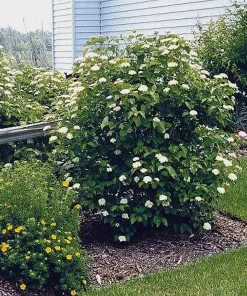
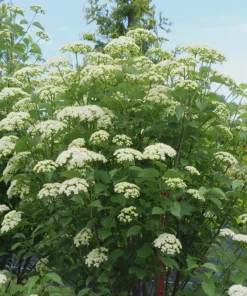
Arrowwood Viburnum Shrub – Bare Root Starter Plant – 6-12 inches Tall
Original price was: $74.99.$49.99Current price is: $49.99.
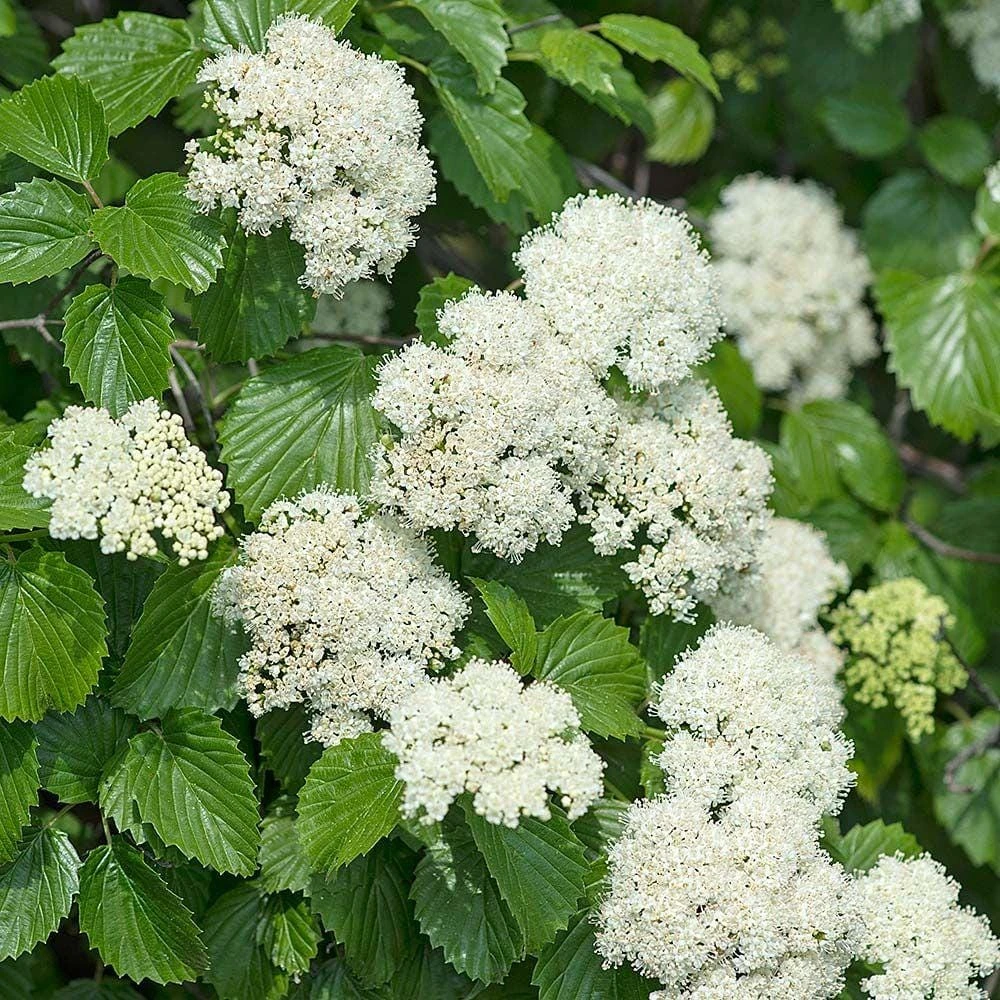
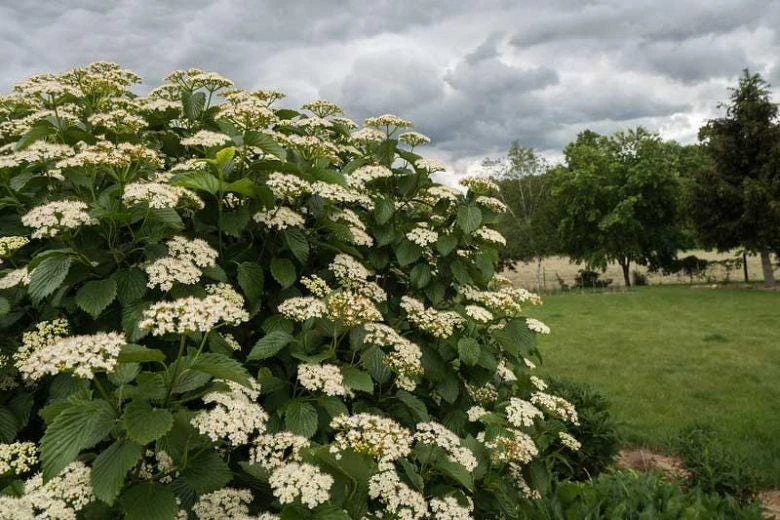
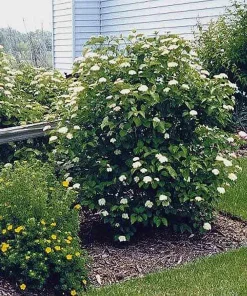
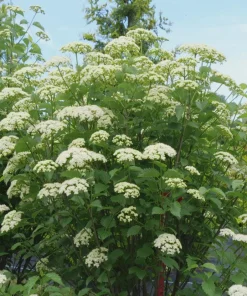
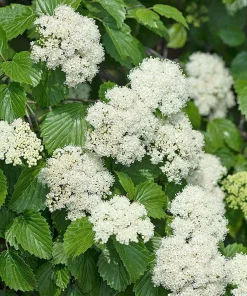
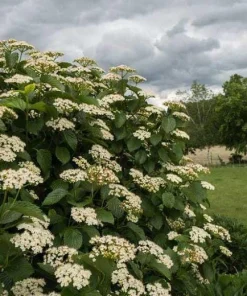
Bring natural beauty to your garden with the arrowwood viburnum shrub. This hardy, deciduous plant offers showy white flowers, blue-black berries, and stunning fall color. Perfect for hedges or as a specimen plant, this viburnum dentatum care is easy for any gardener.
Estimated arrival
Sep 29
Oct 04 - Oct 06
Oct 09 - Oct 13
Shop With Confidence
30-Day Plant Health Guarantee
Arrives damaged? We’ll replace it free — see our return policy.
Responsive Support
Email us anytime, we reply within 1 business day.
Expert Packaging
Temperature-controlled shipping to protect your plants in transit.
Secure Checkout
Pay safely with Visa, Mastercard, PayPal.
Plant Specifications
-
USDA Hardiness Zone
USDA Zones 3-8 -
Soil Type
Moist, well-draining soil -
Sunlight Exposure
Full sun to partial shade -
Expected Planting Period
Early spring or fall
Overview
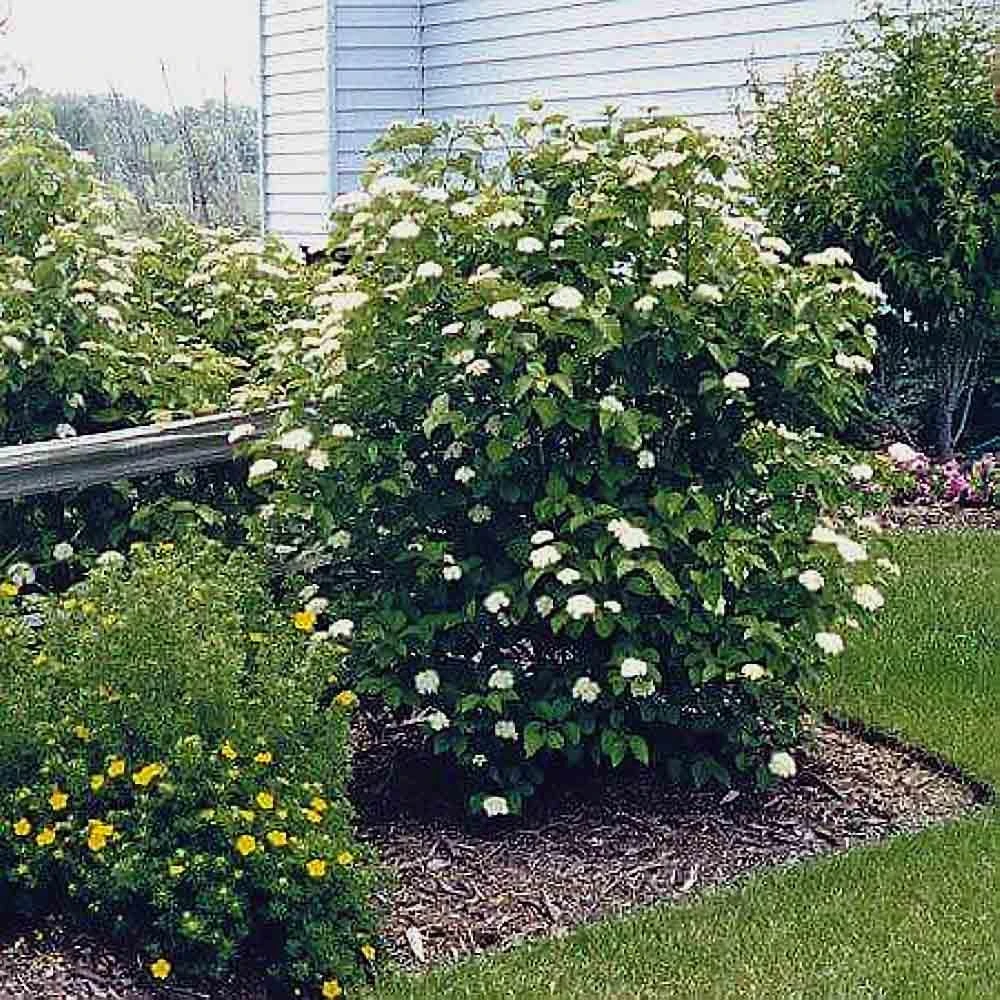
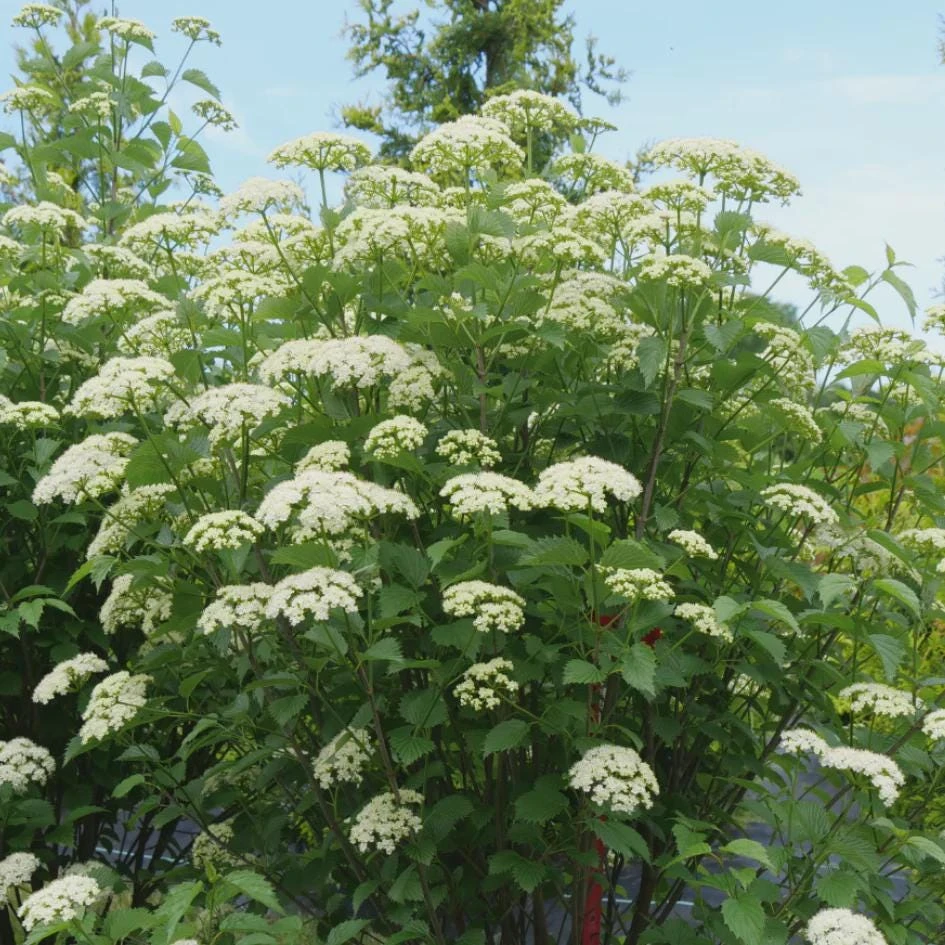
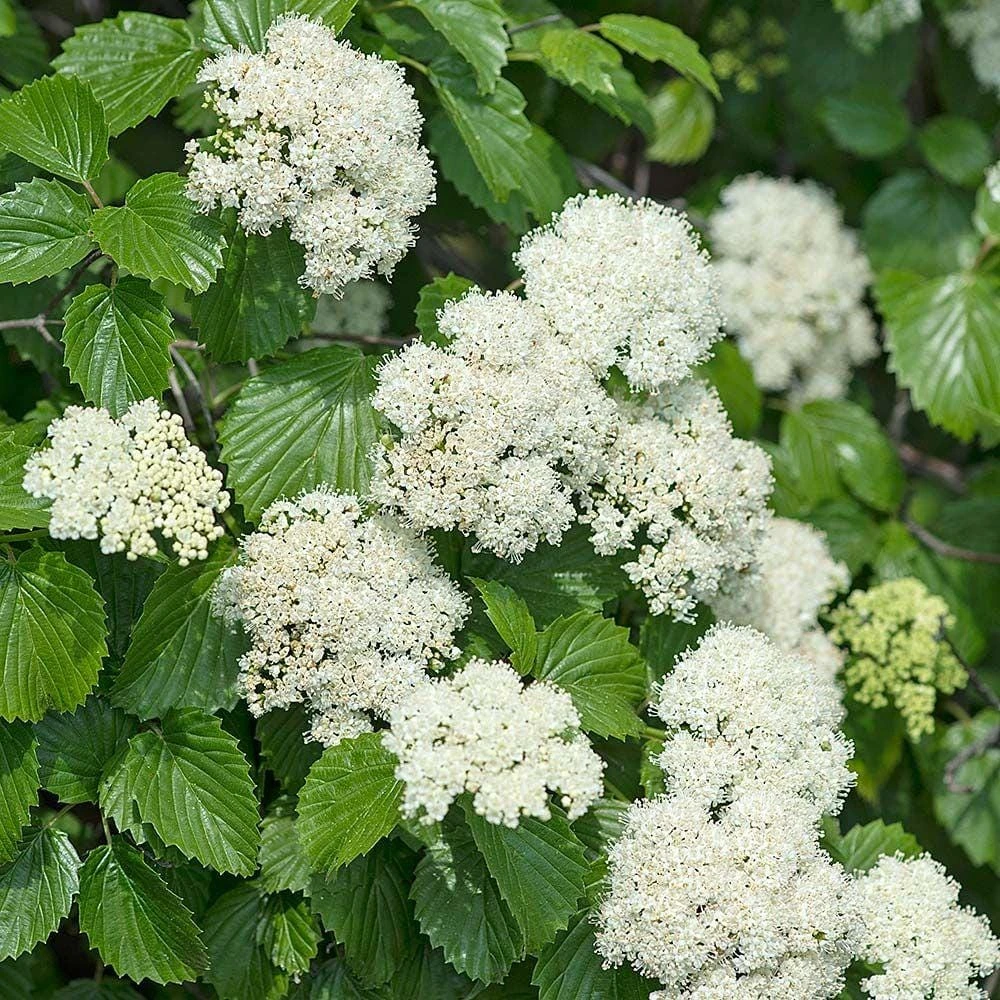
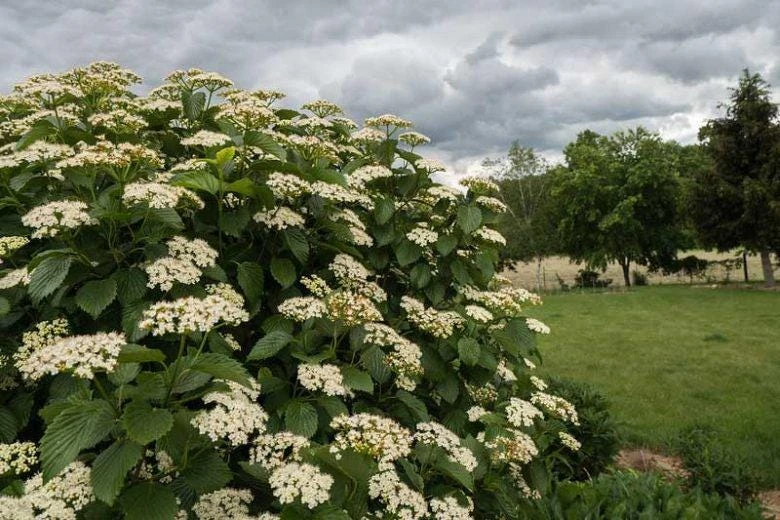
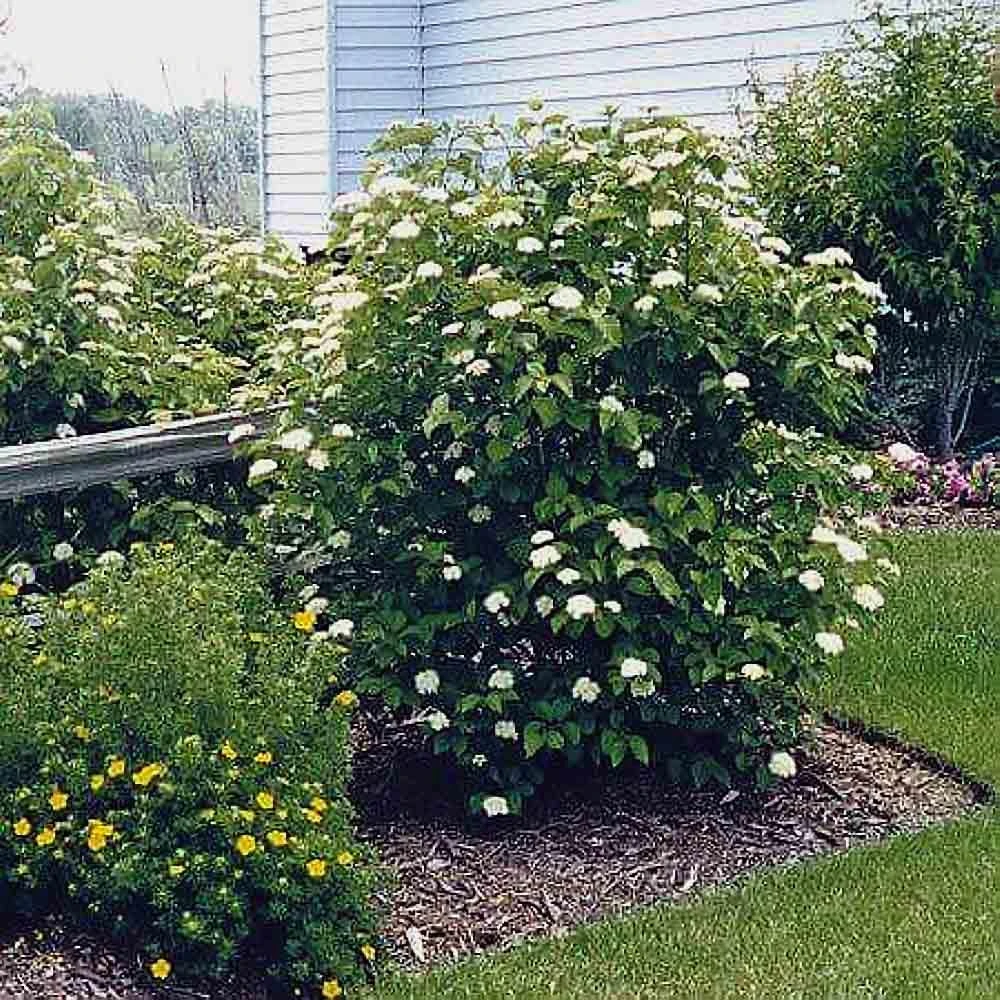
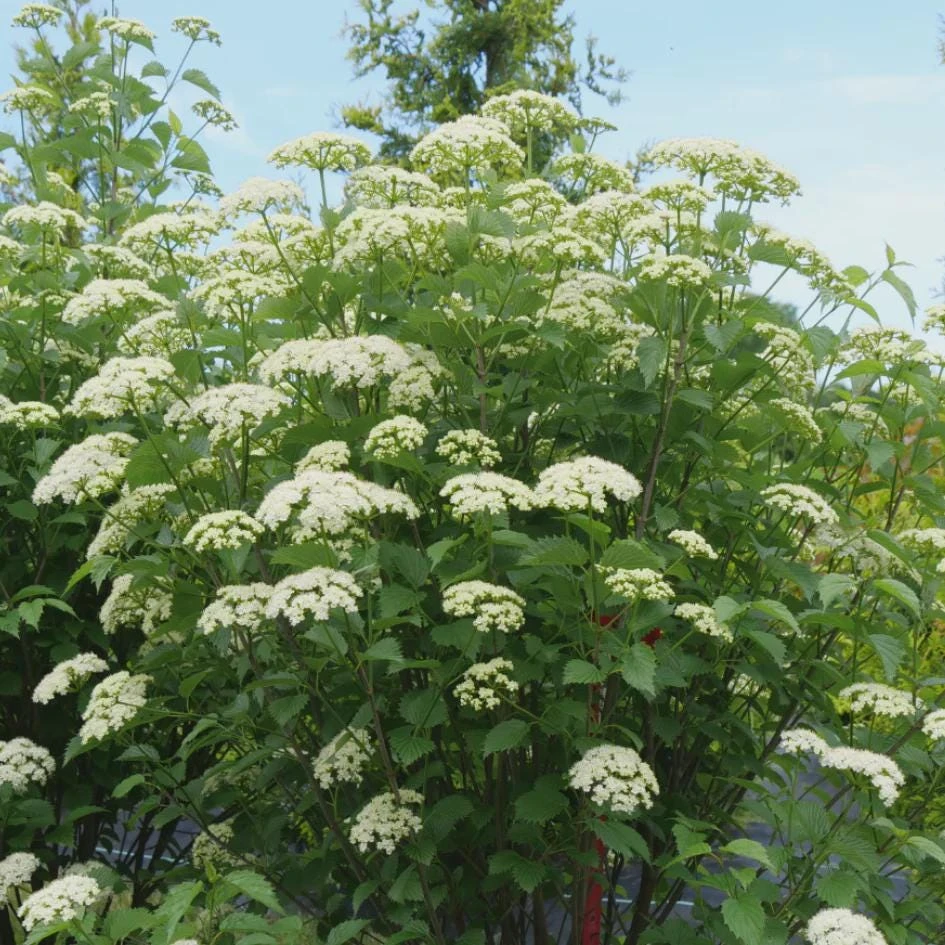
The arrowwood viburnum shrub (Viburnum dentatum) is a truly remarkable addition to any landscape, celebrated for its seasonal interest and robust nature. This particular offering provides a bare root starter plant, typically 6-12 inches in height, ready to establish itself in your garden. Native to eastern North America, the arrowwood viburnum shrub is a hardy, multi-stemmed, deciduous shrub known for its captivating display throughout the year. It boasts showy white flowers in spring, which mature into attractive blue-black berries in late summer and fall. Beyond its floral and fruiting beauty, its glossy, toothed leaves transform into vibrant shades of red and purple in autumn, providing spectacular fall color. This makes it an ideal choice for gardeners seeking a plant with continuous visual appeal. Understanding viburnum dentatum care is straightforward, making it suitable for both novice and experienced gardeners looking for a reliable and beautiful native plant.
Key Benefits
The arrowwood viburnum shrub offers a multitude of benefits for both your garden and the local ecosystem. Its versatility and low maintenance requirements make it a favored choice for various landscape designs.
- Stunning Seasonal Interest: Enjoy a continuous display of beauty, from its clusters of white flowers in late spring to its glossy green leaves, followed by striking blue-black berries in late summer, and finally, brilliant red-purple fall foliage. This ensures your garden remains vibrant throughout the seasons.
- Attracts Wildlife: The white flowers are a magnet for pollinators like bees and butterflies, while the blue-black berries provide a vital food source for many bird species, enhancing biodiversity in your yard.
- Hardy and Adaptable: As a native plant, the arrowwood viburnum shrub is exceptionally hardy and well-adapted to a wide range of soil conditions and climates, making it a resilient choice for various regions.
- Low Maintenance: Once established, this deciduous shrub requires minimal care, thriving with basic watering and occasional pruning. This makes growing arrowwood viburnum a rewarding experience without excessive effort.
- Versatile Landscaping Use: Perfect for hedges, borders, privacy screens, or as a standalone specimen plant. Its multi-stemmed growth habit provides excellent structure and texture to any garden design, fitting perfectly among other deciduous shrubs.
- Erosion Control: Its extensive root system can help stabilize soil on slopes and prevent erosion, contributing to a healthier landscape.
Plant Care & Growing Tips
Proper viburnum dentatum care is crucial for ensuring a healthy and thriving plant. The arrowwood viburnum shrub is generally low-maintenance, but understanding its specific needs will help it flourish in your garden. This hardy shrub prefers a location with full sun to partial shade. For optimal flowering and fruiting, aim for at least 6 hours of direct sunlight per day. While it can tolerate some shade, too much shade may result in fewer flowers and berries. It is adaptable to a variety of soil types, but ideally, it prefers moist, well-drained soil with a slightly acidic to neutral pH. Incorporating organic matter into the planting hole can improve soil structure and fertility.
When it comes to watering, consistent moisture is key, especially during its establishment period. Water deeply and regularly, ensuring the soil remains moist but not waterlogged. Once established, the arrowwood viburnum shrub is moderately drought-tolerant, but supplemental watering during prolonged dry spells will benefit its overall health. Fertilization is not always necessary, especially if planted in rich soil. However, if your soil is poor, a balanced slow-release fertilizer applied in early spring can encourage vigorous growth. Pruning should be done in late winter or early spring to remove dead, damaged, or crossing branches, and to maintain its desired shape and size. This also encourages better air circulation, which can help prevent common fungal issues. Understanding these aspects of growing arrowwood viburnum ensures a robust and beautiful plant for years to come.
Size & Details
This offering is for one arrowwood viburnum shrub provided as a bare root starter plant. The plant typically measures between 6 to 12 inches in height upon arrival, ready for immediate planting. Being a bare root plant, it ships without soil or a pot, which allows for easier transplanting and establishment. The arrowwood viburnum shrub is a moderate to fast grower, typically adding 1 to 2 feet of height per year, eventually reaching a mature height of 8 to 15 feet with a similar spread. Its multi-stemmed growth habit creates a dense, rounded form, making it an excellent choice for a variety of landscape applications. Expect the plant to establish quickly, with flowering and fruiting beginning within a few years of planting. Its resilience and adaptability make it a top choice among deciduous shrubs for a vibrant garden.
Frequently Asked Questions
- Q: How big does this plant get? A: The arrowwood viburnum shrub typically grows to a mature height of 8 to 15 feet and can spread equally wide, forming a dense, rounded shrub. Its ultimate size depends on growing conditions and pruning practices.
- Q: Is this an indoor or outdoor plant? A: The arrowwood viburnum shrub is an outdoor plant, best suited for garden beds, hedges, or naturalized areas. It is not recommended for indoor cultivation.
- Q: How much sunlight does it need? A: For best results, the arrowwood viburnum shrub thrives in full sun to partial shade, meaning at least 4-6 hours of direct sunlight daily. More sun generally leads to more abundant flowers and berries.
- Q: Is this plant easy to care for? A: Yes, growing arrowwood viburnum is considered relatively easy. It is a hardy and adaptable plant that requires minimal maintenance once established, making it suitable for gardeners of all experience levels.
- Q: What condition will it arrive in? A: This product ships as a bare root starter plant, meaning it will arrive without soil or a pot. The roots will be carefully packaged to ensure they remain moist during transit, ready for planting.
- Q: When is the best time to plant? A: The best time to plant bare root arrowwood viburnum shrub is in early spring, after the last frost, or in the fall, allowing the roots to establish before extreme temperatures.
- Q: Will it survive winter in my zone? A: The arrowwood viburnum shrub is very cold hardy, typically thriving in USDA Zones 3-8. It is a native plant well-adapted to withstand cold winters in these regions.
- Q: What is the ideal soil type for this viburnum? A: The arrowwood viburnum shrub prefers moist, well-drained soil. It can tolerate a range of soil types, including clay, loam, and sand, as long as drainage is adequate.
- Q: Are the berries edible? A: While the blue-black berries are a valuable food source for birds, they are generally considered unpalatable for humans and can cause mild stomach upset if ingested in large quantities.
- Q: How can I promote vibrant fall color for my native plants for landscaping? A: Ensuring the plant receives adequate sunlight, especially in the fall, and maintaining consistent moisture levels throughout the growing season will help encourage the most vibrant fall foliage in your arrowwood viburnum shrub.
Be the first to review “Arrowwood Viburnum Shrub – Bare Root Starter Plant – 6-12 inches Tall”
People Also Viewed
Trees
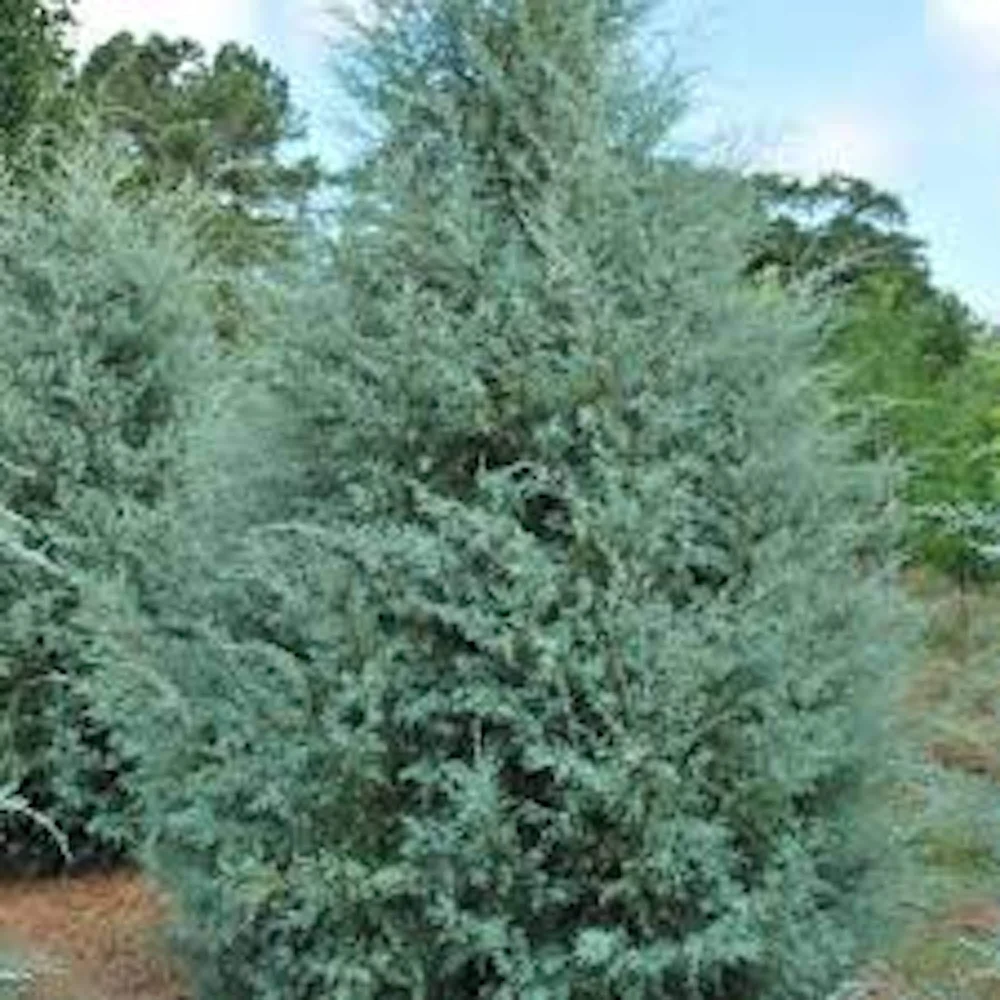
5 Carolina Sapphire Cypress Tall Evergreen Starter Plant Blue Cypress Bare Root 4-6″ Live Plant
Uncategorized
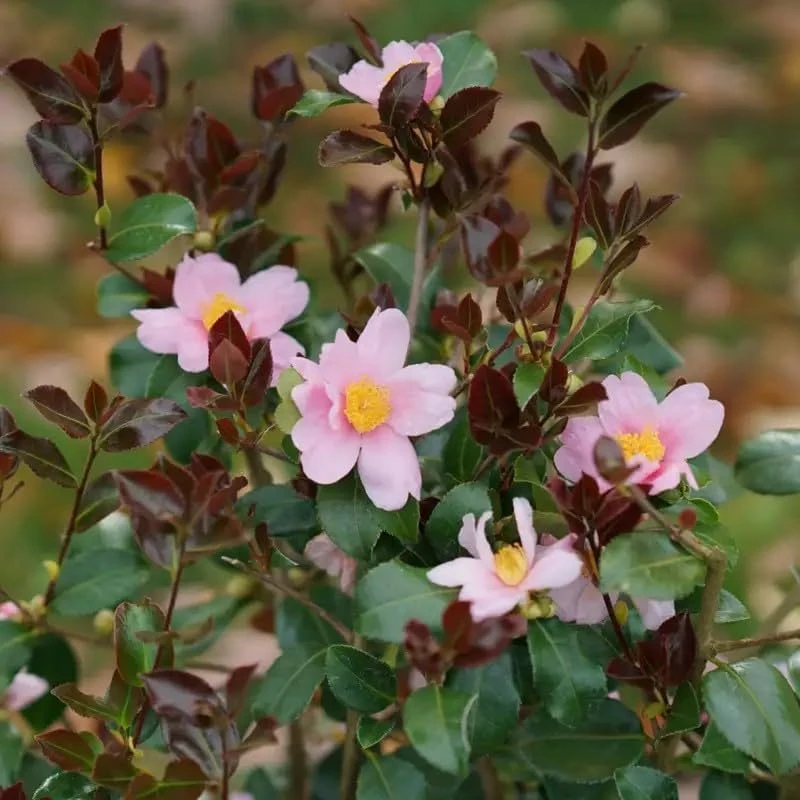
Pieris ‘Valley Valentine’ Beautiful Early Spring Bloom Japanese Andromeda Plants- #1 Container Size
Reviews
There are no reviews yet.