

Black Raspberry Live Plant – Rooted Starter – Delicious Berry Bush – Zones 4-9
Original price was: $60.99.$45.99Current price is: $45.99.
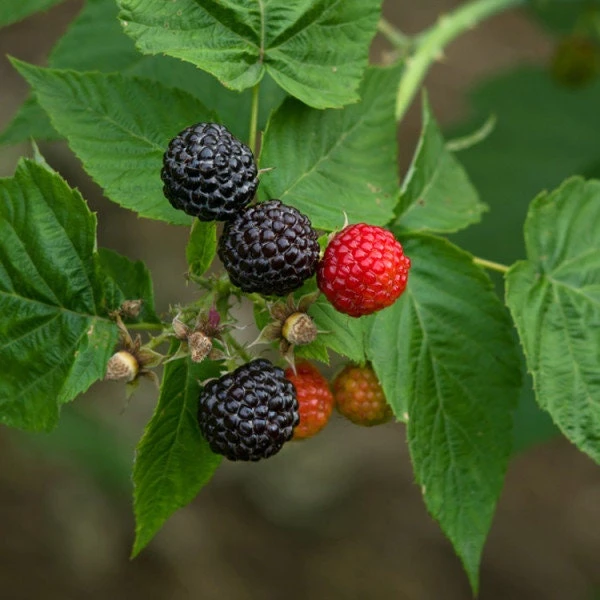
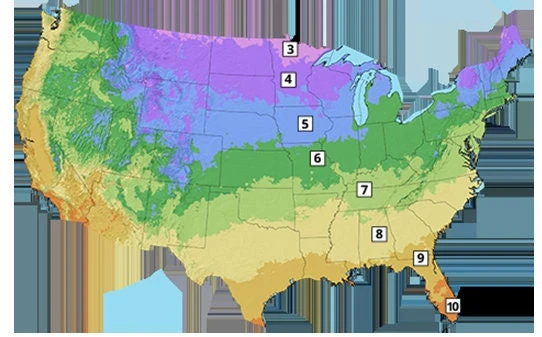
Cultivate your own flavorful berries with this black raspberry live plant. This robust, rooted starter plant is perfect for home gardens, thriving in USDA zones 4-9. Enjoy sweet, juicy black raspberries that are ideal for eating fresh, cooking, or preserving.
Estimated arrival
Sep 17
Sep 22 - Sep 24
Sep 27 - Oct 01
Shop With Confidence
30-Day Plant Health Guarantee
Arrives damaged? We’ll replace it free — see our return policy.
Responsive Support
Email us anytime, we reply within 1 business day.
Expert Packaging
Temperature-controlled shipping to protect your plants in transit.
Secure Checkout
Pay safely with Visa, Mastercard, PayPal.
Plant Specifications
-
USDA Hardiness Zone
4-9 -
Soil Type
Well-draining, rich in organic matter -
Sunlight Exposure
Full sun -
Expected Planting Period
Spring to early summer
Overview
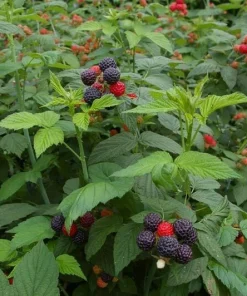
Bring the joy of fresh, homegrown fruit to your garden with this exceptional black raspberry live plant. This offering provides a vigorous, rooted starter plant, ready to establish and flourish in your backyard. Black raspberries, known for their distinctive dark color and rich, sweet flavor, are a delightful addition to any edible landscape. Unlike red raspberries, black varieties offer a unique taste profile that is less tart and wonderfully sweet, making them perfect for snacking straight from the cane, baking, jams, or even juicing. This particular variety, often referred to as ‘Black Delicious’ due to its universal appeal for various culinary uses, promises an abundant harvest of medium-sized, firm berries that ripen to a deep black. Plant this starter and look forward to years of delicious fruit production from a healthy, self-pollinating bush.
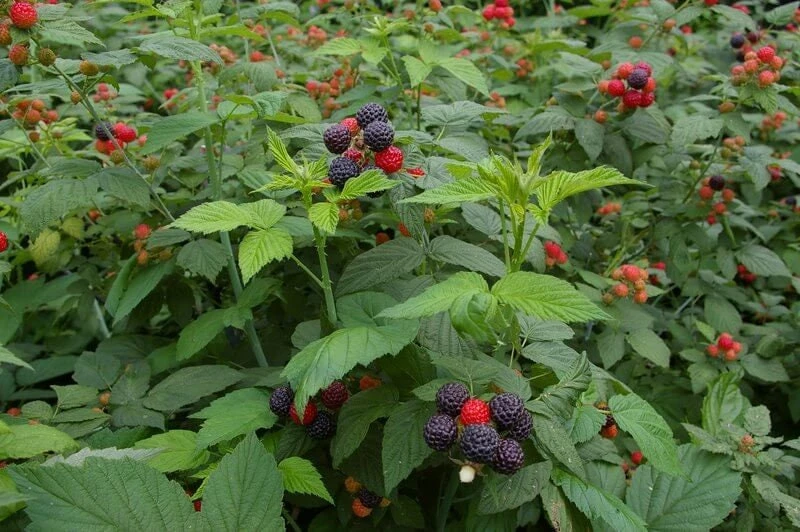
Our black raspberry live plant is a testament to sustainable gardening practices, grown without the use of pesticides. Each starter plant is carefully nurtured from a fruiting mother plant, ensuring genetic integrity and robust growth. Expect erect and self-supporting canes that can reach 6-8 feet tall, making harvesting a breeze as fruit is produced at the end of the stems. With proper care, your plant should begin fruiting next year, providing a continuous supply of these delectable berries around early July.
Key Benefits
Investing in a black raspberry live plant offers a multitude of advantages for the home gardener, transforming your outdoor space into a productive and enjoyable haven. These plants are not just about fruit; they bring a natural beauty and a sense of accomplishment to your garden.
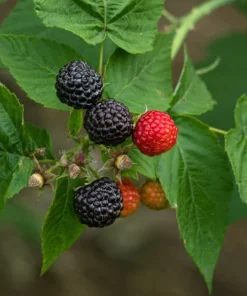
- Abundant & Delicious Harvest: Enjoy a prolific yield of medium-sized, flavorful black raspberries that ripen to a deep, appealing black. These berries have a good firm texture and a creamy flesh, offering a sweet, slightly sugary taste that is less tart than red raspberries, making them irresistible.
- Self-Pollinating & Easy to Grow: This variety is self-pollinating, meaning you only need one plant to get fruit. It’s an ideal choice for both novice and experienced gardeners looking to grow black raspberries with minimal fuss.
- Versatile Culinary Uses: The ‘Black Delicious’ raspberry is perfect for a wide range of culinary applications, including fresh eating, cooking, making drinks, juicing, freezing, and canning. Its rich flavor enhances any recipe.
- Pesticide-Free Cultivation: Our plants are grown without the use of any pesticides, ensuring that the fruit you harvest is as natural and healthy as possible. This commitment to organic practices supports both your health and the environment.
- Robust & Vigorous Growth: Expect strong, erect, and self-supporting canes that can reach 6-8 feet tall, simplifying maintenance and harvesting. These plants establish quickly and provide years of fruit.
- Suitable for Various Climates: Thriving in USDA hardiness zones 4-9, this plant is adaptable to a wide range of climates across the United States.
- Sustainable & Rewarding Hobby: Cultivating your own fruit is a deeply satisfying experience, connecting you with nature and providing fresh, healthy produce directly from your garden.
Plant Care & Growing Tips
Caring for your black raspberry live plant is straightforward, ensuring a bountiful harvest with just a few key considerations. These resilient plants thrive with adequate sunlight, consistent moisture, and well-draining soil. To begin, select a planting site that receives at least 6-8 hours of direct sunlight per day. Full sun exposure is crucial for optimal fruit production and plant vigor. While they tolerate some shade, less sun will result in fewer and smaller berries. Prepare your soil by enriching it with organic matter, aiming for a slightly acidic to neutral pH (6.0-7.0). Good drainage is paramount, as black raspberries do not like ‘wet feet,’ which can lead to root rot. If your soil is heavy clay, consider amending it with compost or planting in raised beds.
Watering should be consistent, especially during dry spells and when the plant is establishing or bearing fruit. Aim for about 1 inch of water per week, either from rainfall or irrigation. Deep watering is better than frequent shallow watering, as it encourages deeper root growth. Mulching around the base of the plant with straw, wood chips, or shredded leaves will help retain soil moisture, suppress weeds, and regulate soil temperature. Fertilize your black raspberry plants in early spring with a balanced slow-release fertilizer or an organic compost. Avoid excessive nitrogen, which can encourage leafy growth at the expense of fruit production. Pruning is essential for maintaining plant health and maximizing yields. Black raspberries produce fruit on second-year canes (floricanes). After they fruit in July, these canes should be cut back to the ground. First-year canes (primocanes) should be tipped when they reach about 3-4 feet tall to encourage branching, which leads to more fruit next year. This approach to black raspberry plant care will ensure a healthy, productive bush.
These plants are generally hardy in their specified zones, but in colder regions (zone 4), some winter protection like a thick layer of mulch around the crown can be beneficial. While relatively pest-resistant, keep an eye out for common garden pests and diseases. Practicing good garden hygiene, such as removing fallen leaves and old canes, can help prevent issues. Remember, a little attention to these details will help you grow black raspberries successfully and enjoy their sweet rewards.
Size & Details
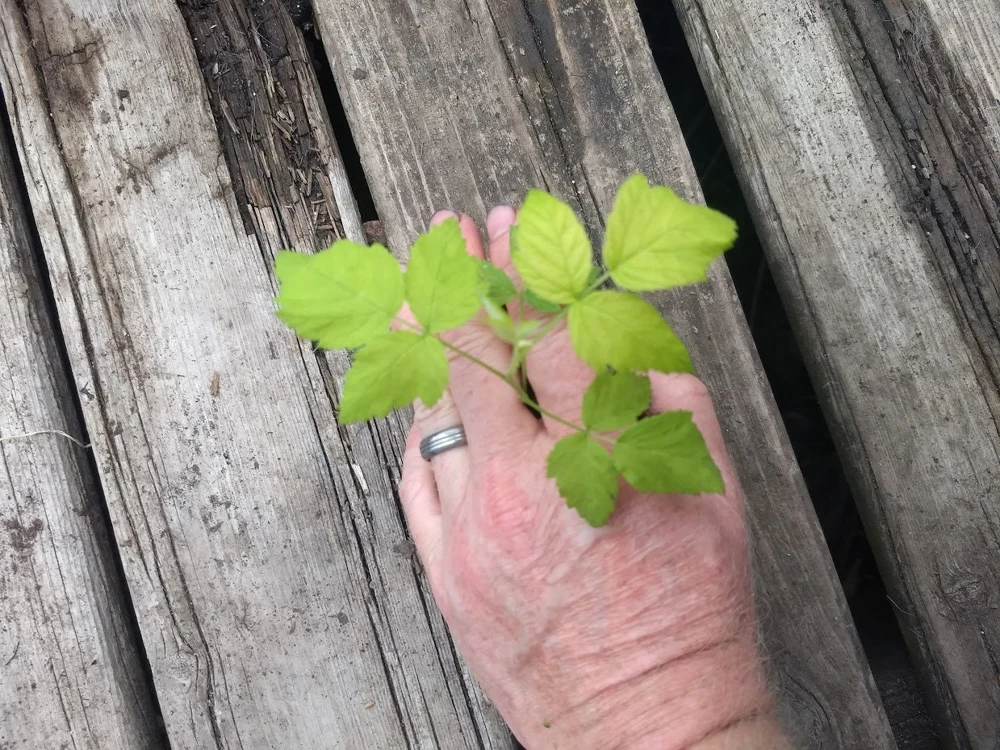
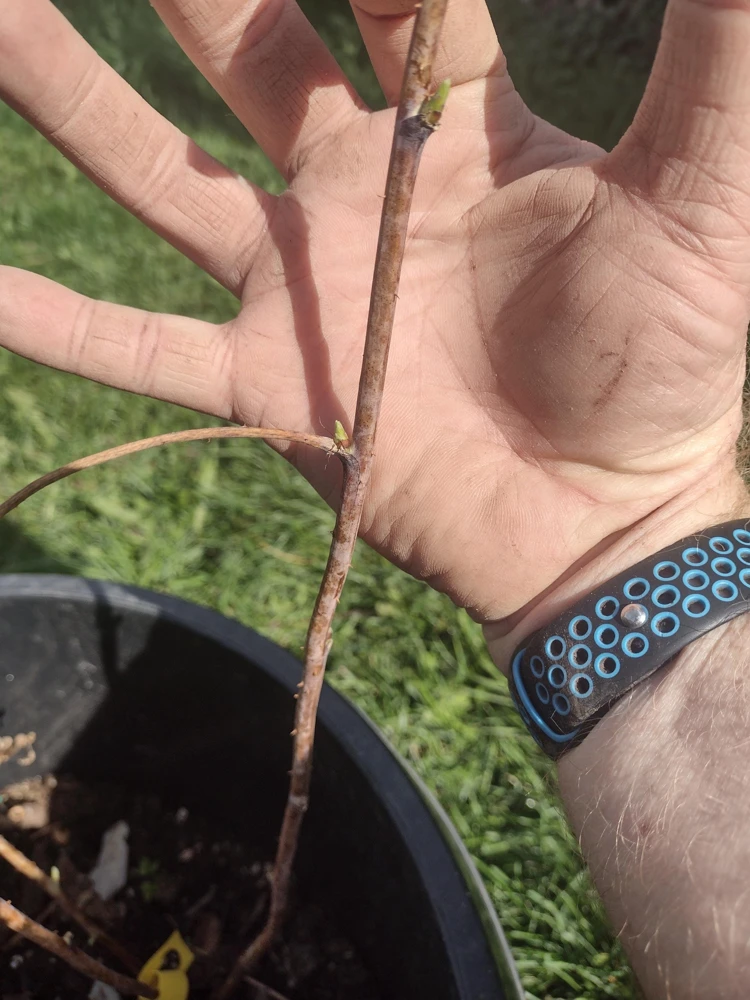
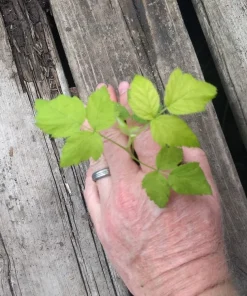
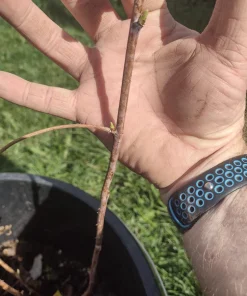
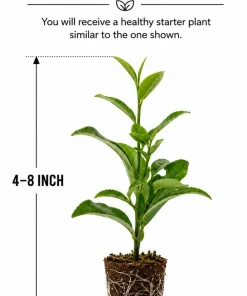
You will receive one healthy, black raspberry live plant that is a rooted starter, carefully nurtured from a fruiting mother plant to ensure genetic consistency and vigor. These starter plants are shipped without their growing pot to protect them during transit and reduce waste, arriving ready for immediate planting in your garden. The small thorns present on the vines are a natural characteristic of the plant. Once established, the self-supporting canes will typically reach a height of 6-8 feet, making the medium-sized, black-colored berries easily accessible for harvesting.
This particular variety is July bearing, meaning you can expect your harvest to ripen around early July. With proper care, your plant should begin to produce fruit in its second year. The berries are known for their medium size, good firm texture, and creamy flesh, offering a distinctively sweet flavor that is less tart than red raspberries. This ‘Black Delicious’ variety is celebrated for its versatility, suitable for eating fresh, cooking, making drinks, juicing, freezing, and canning. The plant is hardy in USDA zones 4-9 and is self-pollinating, requiring no other raspberry plants for fruit set.
Frequently Asked Questions
- Q: How big does this black raspberry plant get? A: Once established, the self-supporting canes of this black raspberry live plant typically reach a height of 6-8 feet. Regular pruning helps manage its size and encourages fruit production.
- Q: What condition will the plant arrive in? A: You will receive one rooted starter plant, carefully prepared and taken out of its growing pot for shipping. It will be protected in a box to ensure it arrives healthy and ready for planting.
- Q: When can I expect to harvest berries? A: This is a July bearing variety, so you can expect the berries to ripen around early July. With proper care, your plant should begin to fruit next year after planting.
- Q: Is this plant self-pollinating? A: Yes, this black raspberry live plant is self-pollinating. You only need one plant to produce fruit, making it a convenient choice for any garden size.
- Q: What USDA zones is this black raspberry suitable for? A: This plant thrives in USDA hardiness zones 4 through 9, making it adaptable to a wide range of climates across the United States.
- Q: What kind of soil does this plant prefer? A: Black raspberries prefer well-draining soil that is rich in organic matter. A slightly acidic to neutral pH (6.0-7.0) is ideal for optimal growth and fruit production.
- Q: How much sunlight does it need to grow black raspberries? A: To ensure the best fruit yield and plant health, this plant requires at least 6-8 hours of direct sunlight per day. Full sun exposure is highly recommended.
- Q: Are pesticides used on these plants? A: No, these plants are grown without the use of any pesticides, ensuring a natural and healthy product for your garden and table.
- Q: Can I use these black raspberries for cooking and preserving? A: Absolutely! The ‘Black Delicious’ variety is versatile and excellent for eating fresh, cooking, making drinks, juicing, freezing, and canning. It’s a great choice for various culinary uses.
- Q: How does the taste compare to red raspberries? A: These black raspberries have a good black raspberry flavor, which is generally less tart and sweeter than red raspberries, often described as having a nice sweet, slight sugary taste.
Be the first to review “Black Raspberry Live Plant – Rooted Starter – Delicious Berry Bush – Zones 4-9”
People Also Viewed
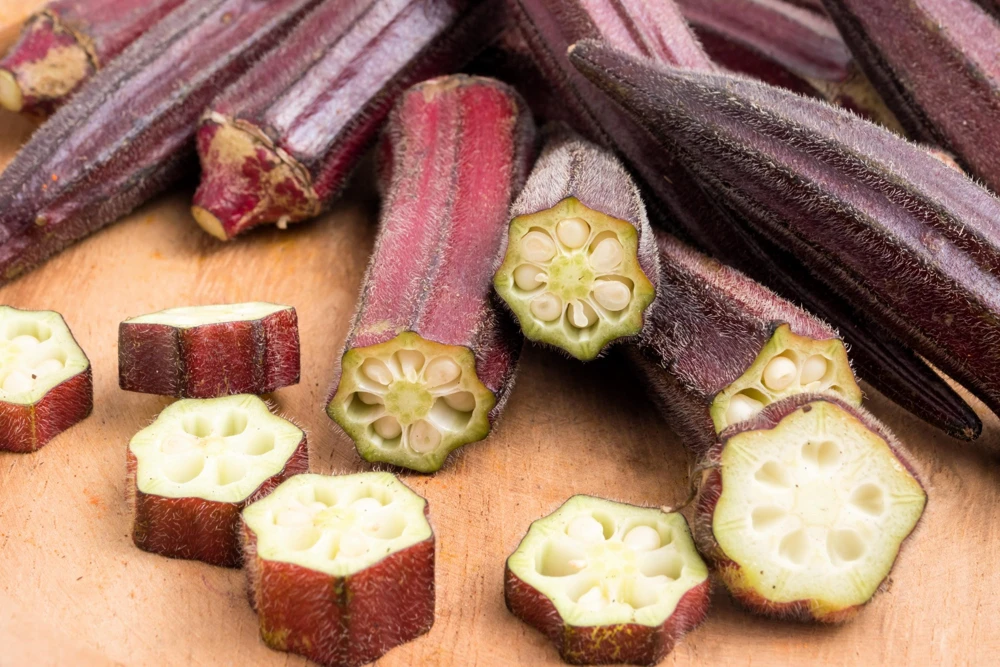
Vegetable Seeds
Red Burgundy Okra Seeds – 150 Count – Abelmoschus Esculentus Vegetable Seeds – Outdoor
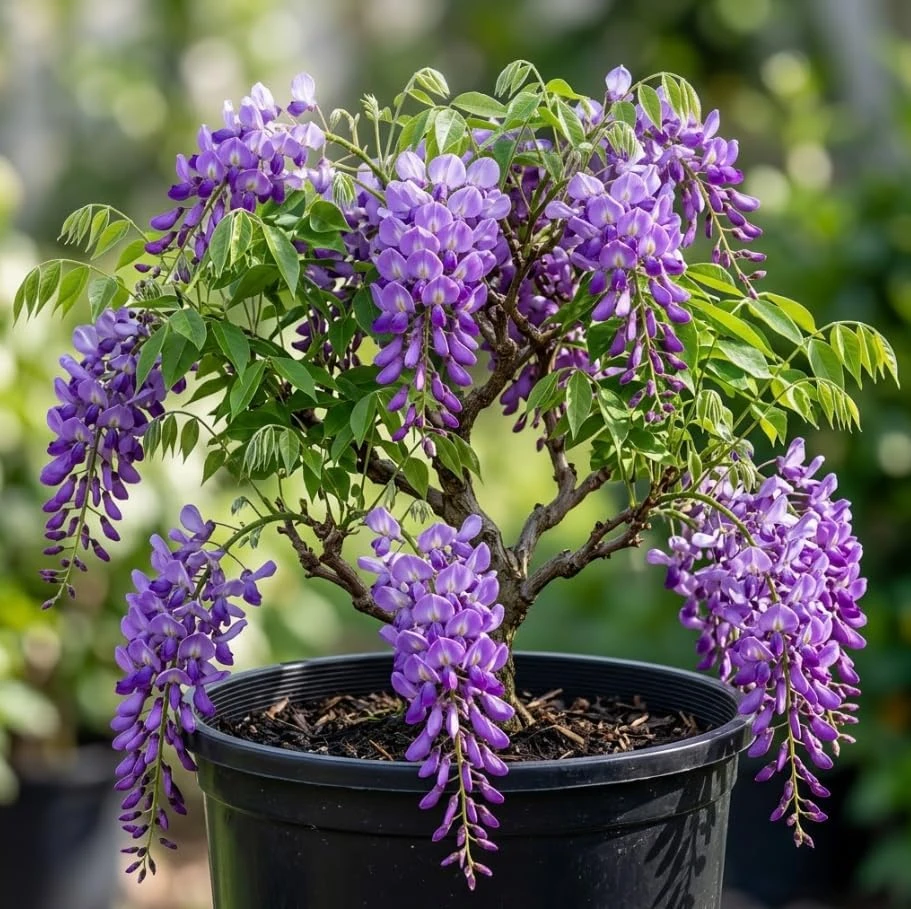
Vines
Wisteria Plant Live – Hardy Climbing Shrub, Fragrant Blue to Violet Flowers, 7-14″ Tall in 2.5″ Pot
Flower Seeds
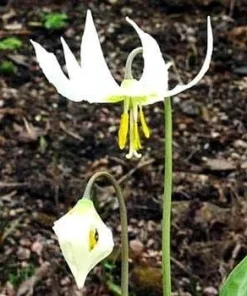
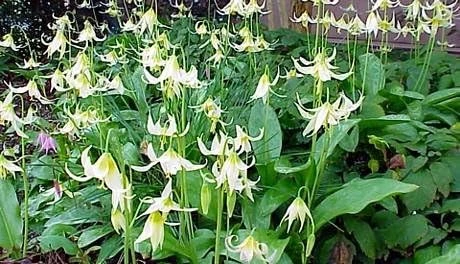
White Pagoda Violet Seeds – 10 Perennial Erythronium oregonum Seeds – Hardy Shade Plant
Flower Seeds
Reviews
There are no reviews yet.