
Cashew Live Plant – 2 Feet Tall – Fruit Tree in Pot
$97.76
Cultivate your own exotic fruit with this cashew live plant, standing at 2 feet tall. Known for its unique nuts and edible ‘cashew apple’, this fast-growing tree is ideal for warm climates and tolerant of poor soil. Perfect for adding a tropical touch to your garden and enjoying fresh produce.
Estimated arrival
Sep 14
Sep 19 - Sep 21
Sep 24 - Sep 28
Shop With Confidence
30-Day Plant Health Guarantee
Arrives damaged? We’ll replace it free — see our return policy.
Responsive Support
Email us anytime, we reply within 1 business day.
Expert Packaging
Temperature-controlled shipping to protect your plants in transit.
Secure Checkout
Pay safely with Visa, Mastercard, PayPal.
Plant Specifications
-
USDA Hardiness Zone
USDA Zones 10-11 (or indoors in colder zones) -
Soil Type
Well-draining, sandy to loamy soil -
Sunlight Exposure
Full sun (6-8+ hours direct light) -
Expected Planting Period
Spring to early summer (year-round indoors)
Overview
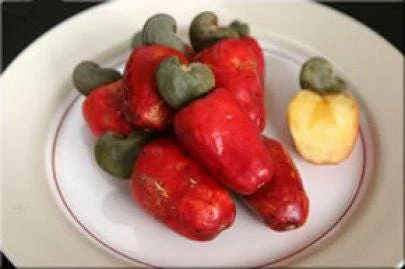
Discover the joy of growing your own exotic fruits with this vibrant cashew live plant. Standing at a robust 2 feet tall, this young cashew tree is ready to establish itself in your garden or a large container. The cashew, scientifically known as Anacardium occidentale, is celebrated for its distinctive kidney-shaped nuts and the sweet, tangy ‘cashew apple’ – a swollen stem that supports the nut. This tropical evergreen is not only a source of delicious food but also a visually interesting addition to any landscape. It’s a remarkably resilient plant, thriving in favorable conditions and capable of fruiting in as little as two years, offering a relatively quick reward for your gardening efforts. If you’re looking to grow cashew tree in your backyard, this specimen is an excellent starting point.
Originating from northeastern Brazil, the cashew tree has spread globally, particularly in tropical regions. Its ability to tolerate poor soil and drought conditions makes it a surprisingly low-maintenance option for gardeners in suitable climates. While the raw nut requires careful processing due to a caustic shell, the cooked nuts are a culinary delight, and the fresh cashew apple can be enjoyed in various ways, from fresh eating to preserves. This cashew live plant brings a piece of the tropics to your home, offering both ornamental beauty and edible bounty.
Key Benefits
Cultivating a cashew tree offers a unique blend of aesthetic appeal and practical benefits, making it a rewarding choice for many gardeners. This cashew live plant provides several advantages:
- Unique Fruit Production: Enjoy the dual harvest of both the delicious cashew nuts and the sweet, tangy cashew ‘apple’. It’s a fascinating process to witness and a delightful product to consume.
- Fast Growth & Early Fruiting: Under optimal conditions, these plants can grow very quickly and may begin to bear fruit in just two years after planting, offering a relatively quick return on your investment of time and care.
- Drought & Poor Soil Tolerance: The cashew tree is remarkably hardy, tolerating poor soil conditions and periods of drought, which makes it suitable for various challenging environments where other fruit trees might struggle.
- Tropical Appeal: Add an exotic, tropical flair to your garden or patio with the distinctive foliage and unique fruit structure of the cashew apple plant. It’s a conversation starter and a beautiful specimen.
- Culinary Versatility: The cashew apple can be eaten fresh, candied, or stewed, offering a versatile ingredient for various dishes and beverages. The roasted nuts are a highly prized snack and ingredient worldwide.
- Low Maintenance: Despite its exotic nature, the cashew live plant is relatively low maintenance once established, especially concerning soil and water requirements, making it ideal for busy gardeners.
- Educational Value: Growing a cashew tree provides an excellent educational opportunity to learn about tropical agriculture and the source of a popular, everyday nut, enhancing your gardening knowledge.
Plant Care & Growing Tips
Caring for your cashew live plant ensures it thrives and produces abundant fruit. Cashew trees are tropical and prefer warm climates. They are very cold-sensitive, meaning temperatures below 40°F (4°C) can cause significant damage or even kill young plants. If you live in a region with cold winters, growing your cashew tree in a large pot that can be moved indoors during colder months is advisable. USDA zones 10-11 are generally ideal for outdoor cultivation year-round.
For sunlight, the cashew tree requires full sun, meaning at least 6-8 hours of direct sunlight per day. Plant it in a location where it will receive ample light throughout the day. When it comes to watering, while tolerant of drought once established, young plants need consistent moisture. Water regularly, especially during dry spells, allowing the top few inches of soil to dry out between waterings to prevent root rot. Good drainage is crucial; sandy or loamy soils are ideal. Although they tolerate poor soil, amending with some organic matter can promote healthier growth. Fertilize young trees every 2-3 months during the growing season with a balanced, slow-release fertilizer. As the tree matures, reduce fertilization to once or twice a year. Pruning is generally minimal, focusing on removing dead or diseased branches and shaping the tree for better air circulation and fruit production. Keep an eye out for common pests like aphids or scale insects, treating them with horticultural oil or insecticidal soap as needed. Understanding proper cashew tree care is vital for a successful harvest.
Size & Details
This offering is for one cashew live plant, which measures approximately 2 feet tall from the base of the pot to the top of the foliage. It is shipped in its nursery pot, ensuring minimal transplant shock and a healthy start in your garden. Cashew trees are known for their relatively fast growth rate under ideal conditions, quickly developing into a medium-sized tree. While they can reach heights of 30-40 feet in their native habitat, they can be maintained at a more manageable size in cultivation through pruning, especially when grown in containers. This allows for easier harvesting of the delicious nuts and cashew apples. Expect this young tree to begin fruiting within two to three years if provided with optimal care and growing conditions. The plant’s robust root system and established growth make it a strong candidate for thriving in its new environment. This anacardium occidentale specimen is a great choice for those looking to cultivate a unique fruit-bearing tree.
Frequently Asked Questions
- Q: How big does this cashew live plant get? A: This cashew live plant is currently 2 feet tall. While cashew trees can reach up to 40 feet in their natural habitat, they can be maintained at a smaller, more manageable size (around 10-20 feet) in cultivation through regular pruning, especially if grown in a large container.
- Q: Is this an indoor or outdoor plant? How much sunlight does it need? A: Cashew trees are tropical plants that thrive outdoors in USDA Zones 10-11. In colder climates, they can be grown in containers and moved indoors during winter. They require full sun, meaning at least 6-8 hours of direct sunlight daily for optimal growth and fruit production.
- Q: Is this plant easy to care for? Is it good for beginners? A: Once established, cashew trees are relatively low-maintenance, tolerating poor soil and drought. However, young plants require consistent watering and protection from cold. With a basic understanding of tropical plant care and attention to its cold sensitivity, it can be a rewarding plant for enthusiastic beginners.
- Q: What condition will it arrive in? Is it shipped in soil? A: Your cashew live plant will arrive actively growing and healthy, shipped securely in its nursery pot with soil. This method minimizes stress during transit and ensures the plant is ready for successful transplanting upon arrival.
- Q: When is the best time to plant a cashew tree? A: The best time to plant your cashew live plant is in spring or early summer, after all danger of frost has passed and temperatures are consistently warm. This allows the plant ample time to establish its root system before cooler weather arrives.
- Q: How long until this cashew live plant produces fruit? A: Under favorable conditions and with proper cashew tree care, this plant can begin to produce fruit in as little as two to three years after planting. Fruit production will increase as the tree matures.
- Q: Will it survive winter in my zone? What’s the minimum temperature? A: Cashew trees are very sensitive to cold. They will not survive freezing temperatures. If you live in an area where temperatures drop below 40°F (4°C), it’s essential to grow the plant in a pot that can be brought indoors or protected from the cold during winter months.
- Q: Can I eat the cashew apple? What about the nut? A: Yes, the cashew apple is edible and can be eaten fresh, candied, or stewed. The actual cashew nut, however, is toxic in its raw form due to a caustic shell. It must be roasted outdoors to safely remove the toxic oil before consumption.
- Q: What kind of soil is best for growing a cashew tree? A: While cashew trees are tolerant of poor soils, they thrive best in well-draining, sandy, or loamy soil. Good drainage is crucial to prevent root rot. Amending heavy clay soils with sand or organic matter can improve their suitability.
- Q: Does this plant attract pests? A: Like most plants, cashew trees can be susceptible to certain pests, such as aphids, scale insects, or leaf miners. Regular inspection and appropriate organic pest control methods, if necessary, can help maintain the plant’s health.
Be the first to review “Cashew Live Plant – 2 Feet Tall – Fruit Tree in Pot”
People Also Viewed
Flower Seeds
Flower Seeds
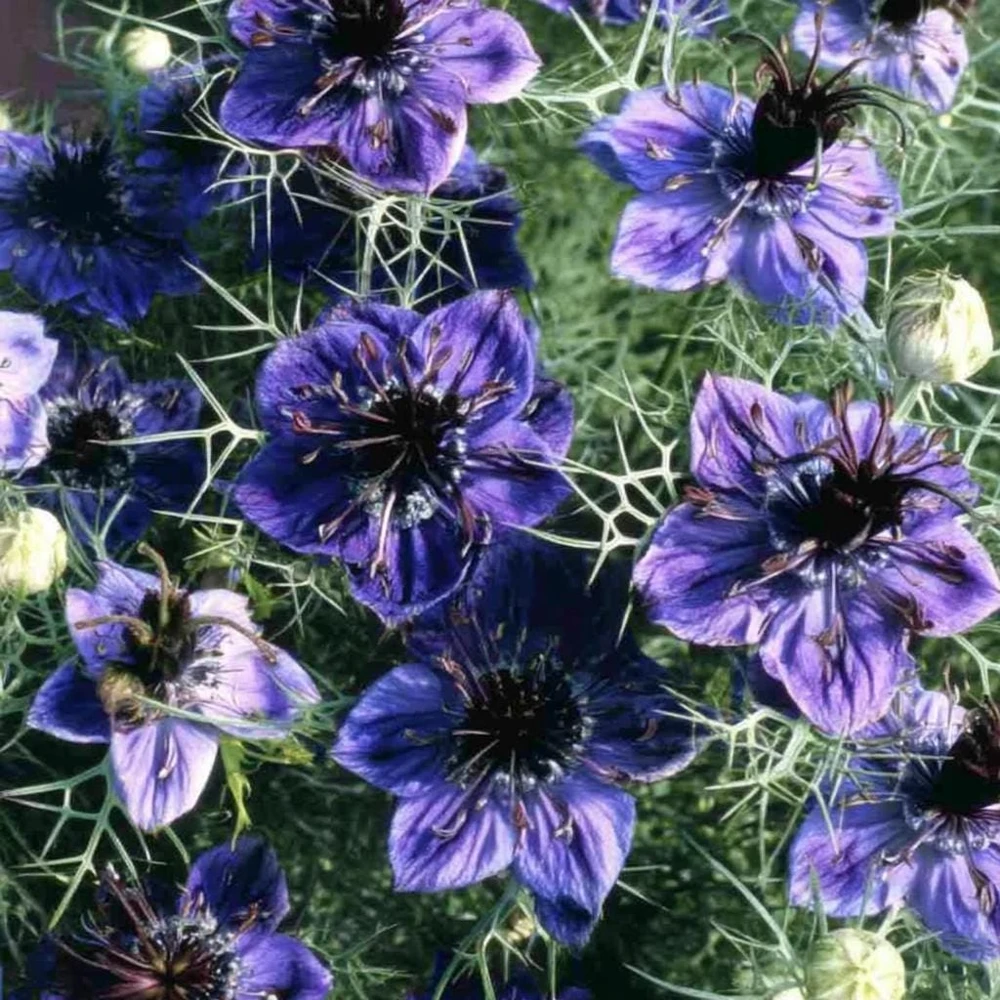
Midnight Nigella Seeds – 100 Count, Deep Blue-Black Love-in-a-Mist Flowers for Garden & Bouquets
Reviews
There are no reviews yet.