


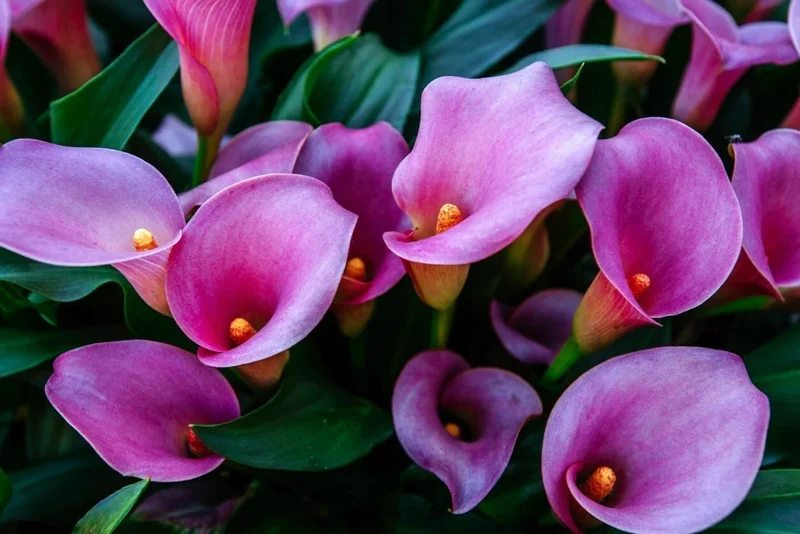
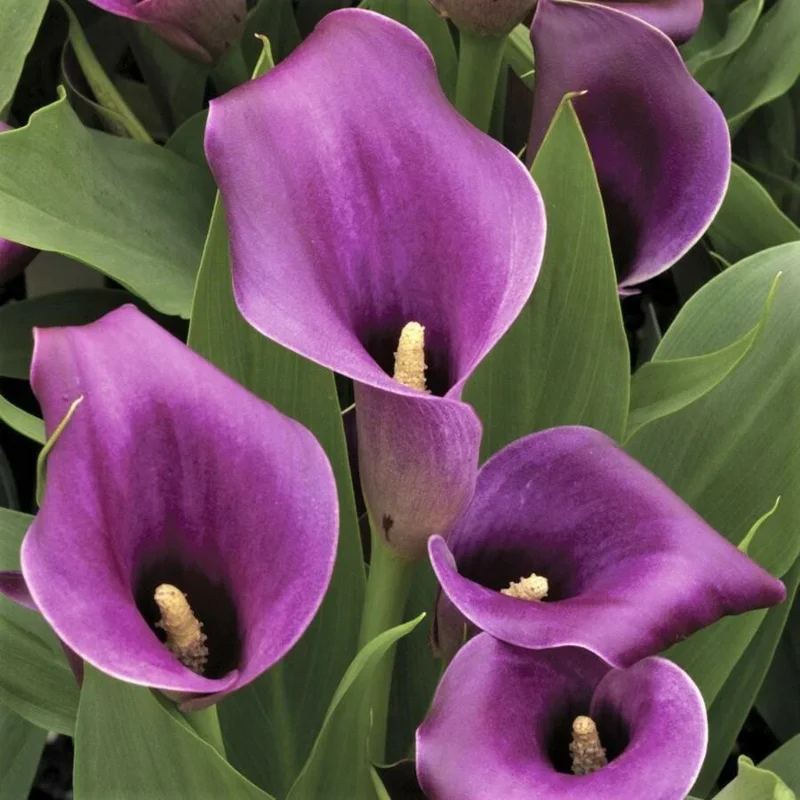
Purple Calla Lily Flower Seeds – Zantedeschia Aethiopica Bonsai Plant
Original price was: $39.99.$14.99Current price is: $14.99.
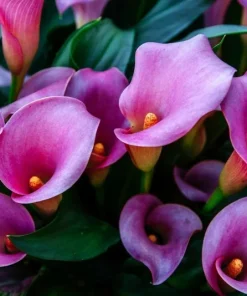
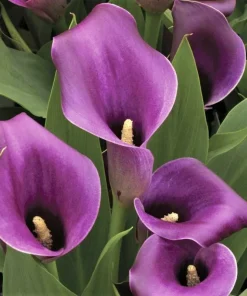
Cultivate beautiful purple calla lily seeds for an elegant display. These Zantedeschia aethiopica seeds are perfect for creating stunning floral arrangements or enhancing your garden with their unique charm. Suitable for indoor flower seeds projects or outdoor planting.
Estimated arrival
Oct 15
Oct 20 - Oct 22
Oct 25 - Oct 29
Shop With Confidence
30-Day Plant Health Guarantee
Arrives damaged? We’ll replace it free — see our return policy.
Responsive Support
Email us anytime, we reply within 1 business day.
Expert Packaging
Temperature-controlled shipping to protect your plants in transit.
Secure Checkout
Pay safely with Visa, Mastercard, PayPal.
Plant Specifications
-
USDA Hardiness Zone
USDA zones 8-10 (as perennial); can be grown as annuals or indoors in colder zones -
Soil Type
Rich, well-draining soil (slightly acidic to neutral pH) -
Sunlight Exposure
Full sun to partial shade (bright indirect light indoors) -
Expected Planting Period
Late winter to early spring
Overview
Embark on a rewarding gardening journey with our exquisite purple calla lily seeds. These captivating seeds will allow you to cultivate the elegant Zantedeschia aethiopica, renowned for its striking purple spathes that unfurl into beautiful, trumpet-shaped flowers. Often associated with purity and beauty, the Calla Lily is a versatile plant that can thrive as a garden accent, a potted indoor specimen, or even as a unique bonsai plant. Growing these flowers from seed offers a deeply satisfying experience, allowing you to witness the entire life cycle of these magnificent blooms from a tiny seed to a vibrant, flowering plant. Whether you’re an experienced gardener or a budding enthusiast, these Zantedeschia aethiopica seeds provide an excellent opportunity to add a touch of sophistication to your horticultural collection.
The botanical name, Zantedeschia aethiopica, points to its African origins, where it naturally flourishes in marshy areas. While traditionally known for white blooms, this purple variety offers a modern twist on a classic favorite. These seeds are a fantastic choice for those looking to grow calla lily from seed, promising a unique and colorful addition to any space. Imagine the vibrant purple hues gracing your living room or garden, providing a continuous source of joy and natural beauty.
Key Benefits
Cultivating purple calla lily seeds offers a multitude of benefits, both aesthetic and personal. These flowers are not just visually appealing; they also provide a fulfilling gardening experience.
- Stunning Ornamental Value: The deep purple, trumpet-shaped flowers of the Calla Lily make a dramatic statement in any garden bed, container, or floral arrangement. Their elegant form and rich color instantly elevate the aesthetic of your space.
- Versatile Planting Options: These seeds are suitable for both indoor and outdoor cultivation, offering flexibility in how and where you choose to grow them. They can be grown in pots as a standalone feature or integrated into mixed borders.
- Unique Bonsai Potential: For those interested in miniature gardening, these seeds can be used to cultivate Calla Lilies as bonsai flower seeds, adding an exotic and artistic touch to your collection.
- Rewarding Growing Experience: Starting from Zantedeschia aethiopica seeds and watching your Calla Lilies grow and bloom is an incredibly satisfying process, connecting you more deeply with nature.
- Excellent Cut Flowers: Calla Lilies are highly prized as cut flowers, known for their long vase life and sophisticated appearance. They are perfect for bouquets, centerpieces, and special occasions.
- Pollinator Attraction: While not a primary pollinator plant, the vibrant blooms can still attract beneficial insects to your garden, contributing to a healthier ecosystem.
- Relatively Low Maintenance: Once established, Calla Lilies are generally easy to care for, requiring consistent moisture and adequate sunlight to thrive, making them a great choice for various skill levels.
Plant Care & Growing Tips
To successfully grow calla lily from seed, understanding their specific care requirements is crucial. These plants, stemming from purple calla lily seeds, thrive in conditions that mimic their native environment.
Sunlight Requirements: Calla Lilies prefer full sun to partial shade. In hotter climates, partial shade during the hottest part of the day will prevent scorching. If growing indoors, place them near a window that receives bright, indirect light for at least 6 hours daily. Insufficient light can lead to fewer blooms and leggy growth.
Watering Schedule and Soil Moisture: These plants love consistent moisture. The soil should be kept evenly moist but never waterlogged, especially during their active growing season. Reduce watering once the plant enters dormancy, allowing the soil to dry out almost completely. Good drainage is paramount to prevent root rot. When growing indoor flower seeds, ensure pots have drainage holes.
Soil Type and Drainage: Calla Lilies flourish in rich, well-draining soil. A mix of potting soil, compost, and sand or perlite works well to provide both nutrients and proper drainage. The ideal soil pH is slightly acidic to neutral (6.0-7.0). For outdoor planting, amend heavy clay soils with organic matter to improve drainage.
Temperature Range and USDA Hardiness Zone: Calla Lilies are tender perennials, generally hardy in USDA Zones 8-10. They prefer temperatures between 60-75°F (15-24°C). In colder zones, the bulbs (corms) should be dug up and stored indoors over winter or treated as annuals. When growing from Zantedeschia aethiopica seeds, provide warmth for germination.
Fertilization Schedule and Type: During the growing season (spring through summer), feed your Calla Lilies every 2-4 weeks with a balanced liquid fertilizer, or one slightly higher in phosphorus to encourage blooming. Reduce or stop fertilization once flowering ceases and the plant prepares for dormancy.
Common Problems and Solutions: Watch out for common pests like aphids and spider mites, which can be treated with insecticidal soap. Yellowing leaves can indicate overwatering or nutrient deficiency. Ensure proper watering and feeding. Root rot is a common issue from poor drainage, so always use well-draining soil and containers.
Size & Details
These purple calla lily seeds will mature into plants that typically reach a height of 1 to 3 feet (30-90 cm) and spread about 1 to 2 feet (30-60 cm) wide, depending on growing conditions and variety. The size can also be influenced if cultivated as bonsai flower seeds, where growth is intentionally restricted. The seeds are packaged to ensure viability and are ready for planting upon arrival. Expect germination to occur within 2-4 weeks under optimal conditions, with flowering typically beginning in late spring to early summer, about 3-4 months after germination, though this can vary. Each packet contains a generous count of seeds, allowing for multiple planting attempts or a larger display of these magnificent purple blooms. The plants are robust and, with proper care, will provide continuous flowering throughout their season. These Zantedeschia aethiopica seeds offer a compact and manageable size, making them suitable for various garden designs or indoor settings.
Frequently Asked Questions
- Q: How big does a Calla Lily plant grown from these seeds get? A: A Calla Lily typically grows to be about 1 to 3 feet tall and 1 to 2 feet wide. The final size can depend on environmental factors and whether you cultivate them as bonsai flower seeds.
- Q: Is this an indoor or outdoor plant? A: Calla Lilies are versatile and can be grown both indoors and outdoors. They are especially popular as indoor flower seeds projects in colder climates, or as garden plants in warmer zones.
- Q: How much sunlight do these purple calla lily seeds need to grow? A: They thrive in full sun to partial shade. If grown indoors, aim for bright, indirect light for at least 6 hours daily. Too much direct, intense sun can scorch the leaves.
- Q: Is this plant easy to care for, especially for beginners? A: Calla Lilies are considered moderately easy to care for. They require consistent watering and good drainage. Successfully growing from Zantedeschia aethiopica seeds can be a rewarding challenge for beginners.
- Q: What condition will the seeds arrive in? A: Your seeds will arrive carefully packaged to ensure freshness and viability, ready for you to plant and begin your growing journey.
- Q: When is the best time to plant purple calla lily seeds? A: The best time to plant Calla Lily seeds is in late winter or early spring indoors, or after the last frost if planting directly outdoors. This allows them to establish before the peak growing season.
- Q: What USDA hardiness zone are Calla Lilies suitable for? A: Calla Lilies are generally hardy in USDA Zones 8-10. In colder zones, they can be grown as annuals or the corms can be dug up and stored indoors over winter.
- Q: Can I really grow a bonsai Calla Lily from these seeds? A: Yes, with proper pruning and care techniques, these seeds can be used to cultivate Calla Lilies in a bonsai style, creating a unique miniature flowering plant.
- Q: How long does it take for the seeds to germinate and then bloom? A: Germination typically takes 2-4 weeks. After germination, you can expect the plants to start blooming in about 3-4 months, given optimal growing conditions.
- Q: What kind of soil is best for these indoor flower seeds? A: A rich, well-draining potting mix is ideal. Amend with compost and perlite or sand to ensure good drainage and aeration.
Be the first to review “Purple Calla Lily Flower Seeds – Zantedeschia Aethiopica Bonsai Plant”
People Also Viewed





Reviews
There are no reviews yet.