
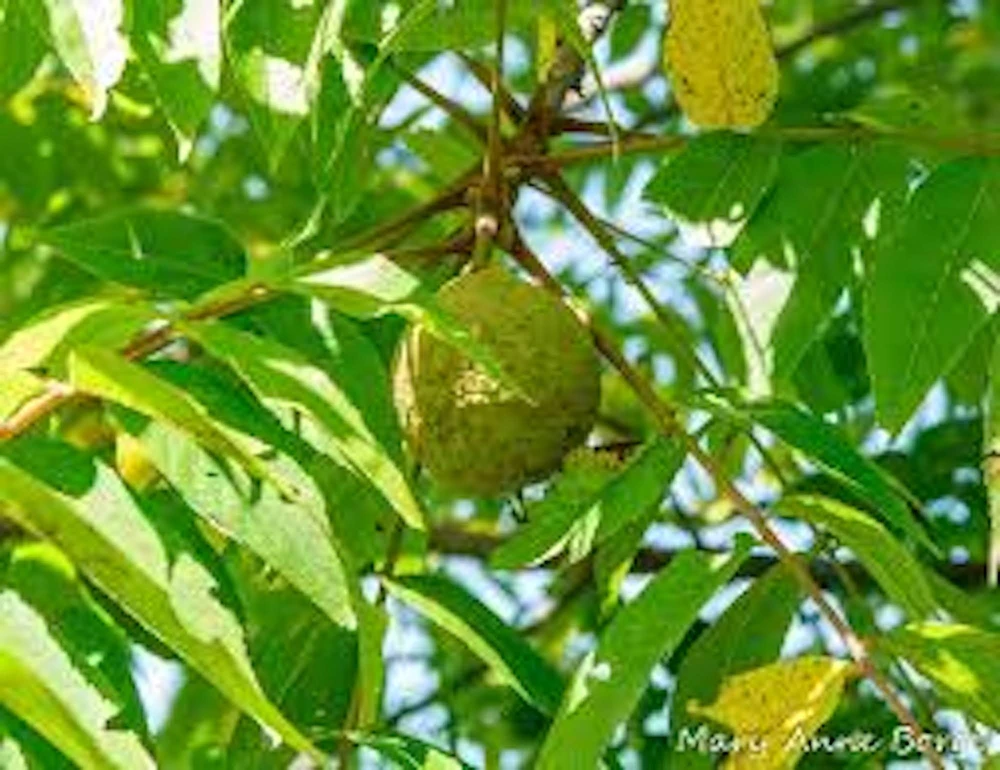
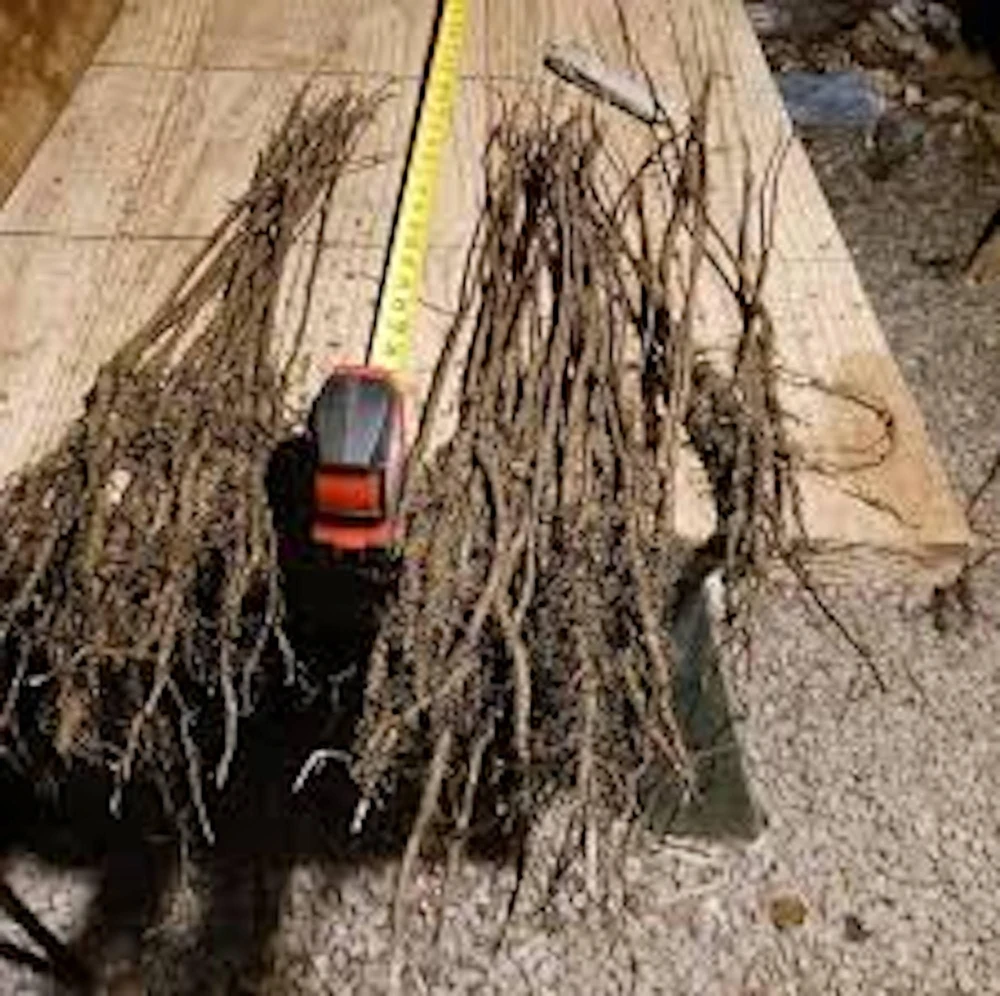
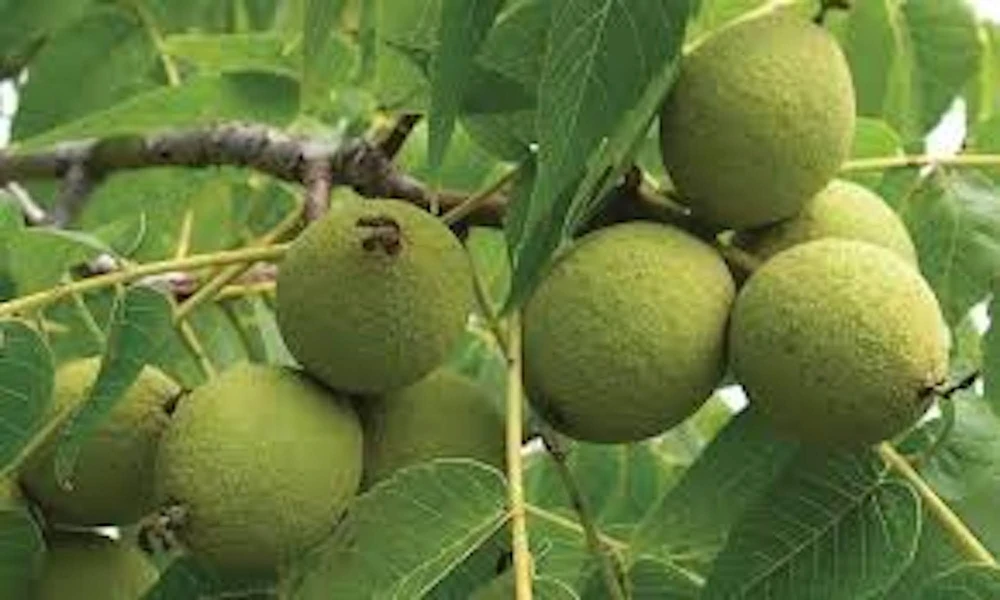
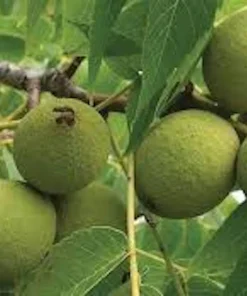
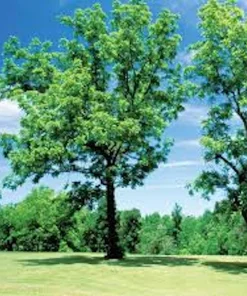
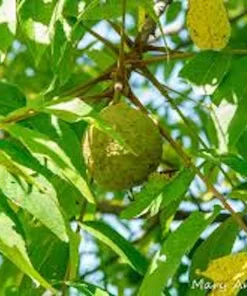
Black Walnut Tree Live Plant (Juglans nigra) 12-24in Tall, Bare Root
Original price was: $74.99.$49.99Current price is: $49.99.
Cultivate a majestic black walnut tree live plant (Juglans nigra) in your landscape. This 12-24 inch tall bare root specimen is ready to establish, offering both aesthetic appeal and future harvests of valuable nuts. Ideal for full sun locations in USDA Zones 4-9.
Estimated arrival
Sep 29
Oct 04 - Oct 06
Oct 09 - Oct 13
Shop With Confidence
30-Day Plant Health Guarantee
Arrives damaged? We’ll replace it free — see our return policy.
Responsive Support
Email us anytime, we reply within 1 business day.
Expert Packaging
Temperature-controlled shipping to protect your plants in transit.
Secure Checkout
Pay safely with Visa, Mastercard, PayPal.
Plant Specifications
-
USDA Hardiness Zone
USDA Zones 4-9 -
Soil Type
Well-drained, moist, fertile loamy soil -
Sunlight Exposure
Full sun -
Expected Planting Period
Spring or Fall
Overview
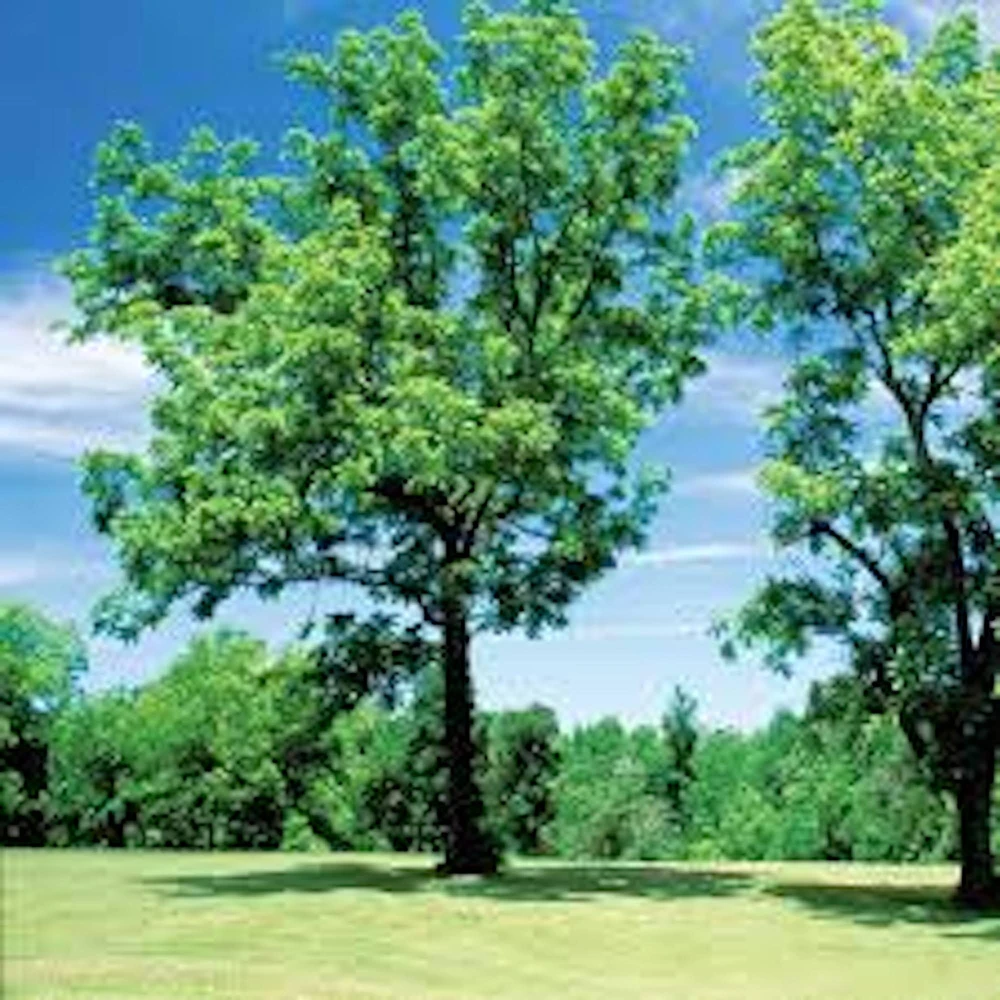
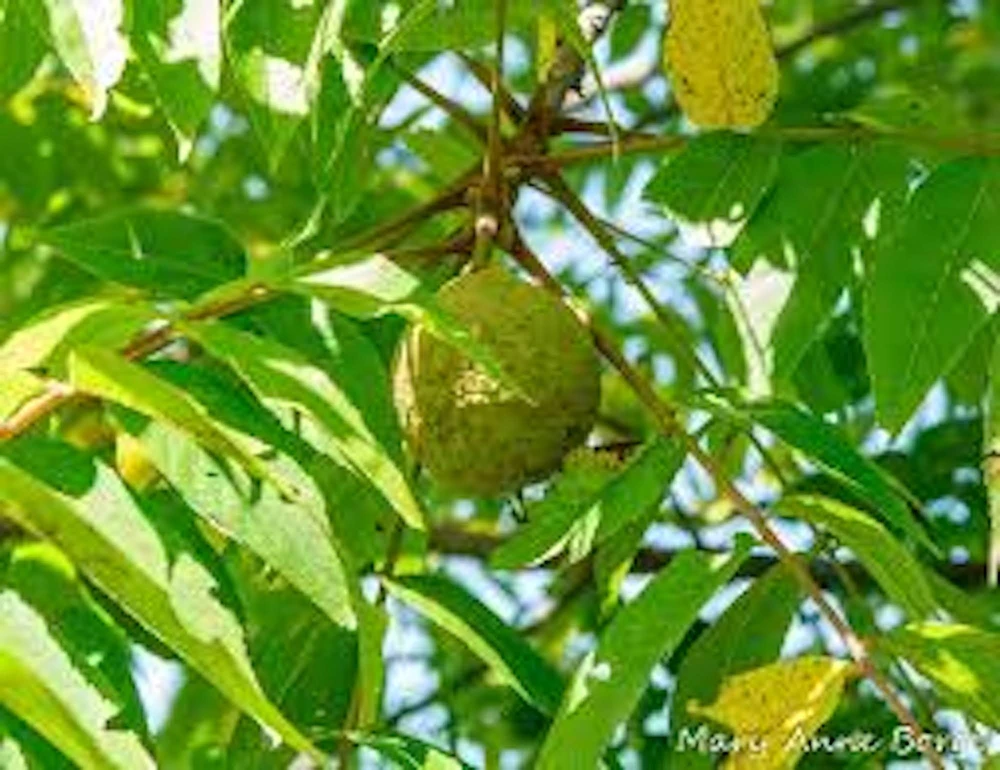
Introduce a magnificent addition to your landscape with this black walnut tree live plant (Juglans nigra). Known for its rapid growth and impressive stature, the black walnut tree live plant is a highly valued species in North America, prized for its delicious nuts, high-quality timber, and significant ecological benefits. This offering provides a vigorous 12-24 inch tall bare root specimen, carefully prepared for successful transplanting into your garden or homestead. The Black Walnut, also known as Eastern Black Walnut or American Walnut, is a robust deciduous tree native to a wide range of eastern North America, making it a resilient and adaptable choice for many climates. Its distinctive dark, deeply furrowed bark and compound leaves add considerable visual interest to any property. This self-pollinating tree is an investment that will provide shade, beauty, and resources for generations.
The juglans nigra tree is celebrated for its deep taproot system, which helps it access water and nutrients from deep within the soil, contributing to its drought tolerance once established. Beyond its practical uses, the black walnut plays an important role in local ecosystems, providing food and habitat for various wildlife. Planting this tree is a step towards sustainable gardening and enjoying the benefits of a long-lived, productive species. Whether you are looking to enhance your property with a stately shade tree, start a nut orchard, or contribute to local biodiversity, this black walnut tree live plant is an excellent choice.
Key Benefits
Adding a black walnut tree live plant to your property offers a multitude of advantages, blending ornamental beauty with practical utility. These trees are not just plants; they are a legacy that grows with you and your family, offering continuous benefits for decades to come. Experience the joy of nurturing a tree that provides both shade and sustenance.
- Valuable Nut Production: Once mature, the black walnut tree live plant yields highly nutritious and flavorful nuts, perfect for baking, snacking, or selling. These nuts are a rich source of protein, healthy fats, and antioxidants.
- High-Quality Timber: Black Walnut is renowned for its dark, strong, and durable wood, highly sought after for furniture, cabinetry, and veneers. Planting now is a long-term investment in a valuable natural resource.
- Ecological Contribution: Provides essential food and habitat for squirrels, birds, and other wildlife, enriching the biodiversity of your garden or woodland area. The nuts are a critical food source for many species.
- Stately Shade Tree: Develops a broad, spreading canopy, offering significant shade during hot summer months, which can help reduce cooling costs and create comfortable outdoor living spaces. Its mature height and width provide impressive coverage.
- Hardy and Adaptable: Thrives across a wide range of climates (USDA Zones 4-9), demonstrating excellent resilience to various environmental conditions once established. This makes it a reliable choice for many regions.
- Deep Taproot System: Its extensive root system helps stabilize soil, prevent erosion, and make the tree particularly drought-tolerant, requiring less supplemental watering in dry periods.
- Long Lifespan: With proper care, a juglans nigra tree can live for over 100 years, becoming a lasting feature of your landscape and a valuable asset for future generations.
Plant Care & Growing Tips
Successfully growing a black walnut tree live plant requires attention to its specific environmental needs, especially during its establishment phase. These trees are generally low-maintenance once mature, but providing the right conditions from the start will ensure robust growth and a healthy tree. Understanding the unique requirements of an american walnut tree will set you up for success.
For optimal growth, the eastern black walnut prefers a location that receives full sun, meaning at least 6-8 hours of direct sunlight per day. While it can tolerate some partial shade, full sun promotes the best growth, nut production, and overall health. When planting your bare root tree, choose a site with well-drained, moist, and fertile soil. Black walnuts do not perform well in waterlogged or overly sandy soils. A slightly acidic to neutral pH (6.0-7.0) is ideal. Ensure the planting hole is wide enough to accommodate the root system without bending, and deep enough so the root collar is level with the ground surface. Backfill with native soil, gently tamping to remove air pockets, and water thoroughly.
Watering is crucial during the first few years after planting. Keep the soil consistently moist but not waterlogged, especially during dry spells. Deep watering encourages the development of the strong taproot. Once established, the tree is quite drought-tolerant. Fertilization is generally not required for healthy trees in good soil, but a balanced slow-release fertilizer can be applied in spring if growth appears sluggish. Protect young trees from pests and diseases, and consider a tree guard to prevent rodent damage. Pruning should focus on removing dead, damaged, or crossing branches to maintain a strong central leader and good canopy structure. The growing black walnut tree can reach impressive heights, so plan its location carefully, considering its mature size and potential impact on nearby structures or other plants.
Size & Details
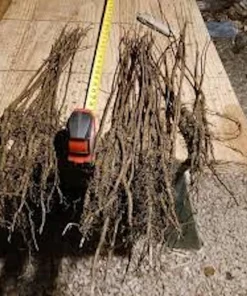
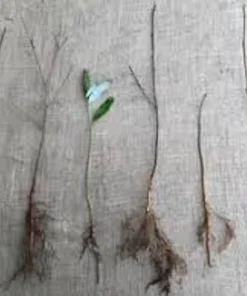
This offering is for one vigorous black walnut tree live plant, specifically a juglans nigra tree, measuring 12-24 inches in height. It is shipped as a bare root specimen when dormant, which is the ideal time for transplanting to ensure minimal shock and successful establishment. During the growing season, it may be shipped in a quart pot to protect the root system. Black walnuts are known for their strong, rapid growth, typically reaching mature heights of 70-100 feet (21-30 meters) and nearly as wide, developing a grand, oval to round crown. This impressive size makes them excellent specimen trees for large landscapes or as part of a woodland planting.
The tree will begin to produce nuts within 10-15 years, with significant yields occurring after 20-30 years. Its deep taproot contributes to its longevity and stability. The american walnut tree is self-pollinating, meaning a single tree can produce nuts, though planting multiple trees can often enhance overall yield. This plant is suitable for USDA Hardiness Zones 4-9, indicating its adaptability to a wide range of temperate climates. Upon arrival, it’s essential to plant your bare root tree as soon as possible, ensuring its roots remain moist until planting. For potted plants, transplant into a larger container or directly into the ground.
Frequently Asked Questions
- Q: How big does this black walnut tree live plant get? A: This black walnut tree live plant is currently 12-24 inches tall. At maturity, a Black Walnut tree typically reaches an impressive height of 70-100 feet (21-30 meters) with a nearly equal spread, forming a majestic, wide canopy.
- Q: Is this an indoor or outdoor plant? A: The juglans nigra tree is an outdoor plant. It requires full sun exposure and ample space to grow to its mature size, making it unsuitable for indoor cultivation.
- Q: How much sunlight does the american walnut tree need? A: A american walnut tree thrives in full sun, requiring a minimum of 6-8 hours of direct sunlight per day for optimal growth and nut production. It does not perform well in shaded areas.
- Q: Is this plant easy to care for? A: While relatively low-maintenance once established, young black walnut tree live plant specimens require consistent watering and protection from pests during their first few years. Once mature, they are quite hardy and resilient.
- Q: What condition will it arrive in? A: This product is shipped as a bare root tree when dormant. During the growing season, it may be shipped in a quart pot to ensure the roots are protected and moist during transit.
- Q: When is the best time to plant a growing black walnut tree? A: The best time to plant a bare root growing black walnut tree is in early spring or late fall when the tree is dormant. This allows the root system to establish before the stress of summer heat or winter cold.
- Q: Will this black walnut tree survive winter in my zone? A: Yes, the black walnut tree live plant is hardy and well-suited for USDA Zones 4-9, meaning it can tolerate a wide range of winter temperatures within these zones.
- Q: What type of soil does the eastern black walnut prefer? A: The eastern black walnut thrives in well-drained, moist, and fertile loamy soils. It prefers a slightly acidic to neutral pH and does not tolerate waterlogged conditions.
- Q: How long until this tree produces nuts? A: A black walnut tree live plant typically begins producing nuts within 10-15 years of planting, with significant yields usually starting after 20-30 years.
- Q: Is the black walnut tree self-pollinating? A: Yes, the juglans nigra tree is self-pollinating, meaning a single tree can produce nuts. However, planting multiple trees can often lead to increased nut production.
Be the first to review “Black Walnut Tree Live Plant (Juglans nigra) 12-24in Tall, Bare Root”
People Also Viewed

Reviews
There are no reviews yet.