










Weeping Willow Bonsai Tree Seeds – 5 Seeds for Indoor/Outdoor Cultivation
Original price was: $43.99.$18.99Current price is: $18.99.
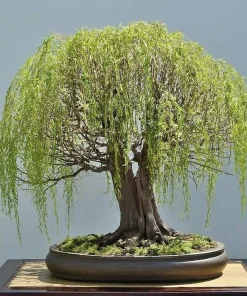
Start your own miniature landscape with weeping willow bonsai seeds. These weeping willow seeds are perfect for cultivating an elegant bonsai tree, suitable for both indoor and outdoor environments. Enjoy the serene beauty of a classic willow in a compact form.
Estimated arrival
Oct 15
Oct 20 - Oct 22
Oct 25 - Oct 29
Shop With Confidence
30-Day Plant Health Guarantee
Arrives damaged? We’ll replace it free — see our return policy.
Responsive Support
Email us anytime, we reply within 1 business day.
Expert Packaging
Temperature-controlled shipping to protect your plants in transit.
Secure Checkout
Pay safely with Visa, Mastercard, PayPal.
Plant Specifications
-
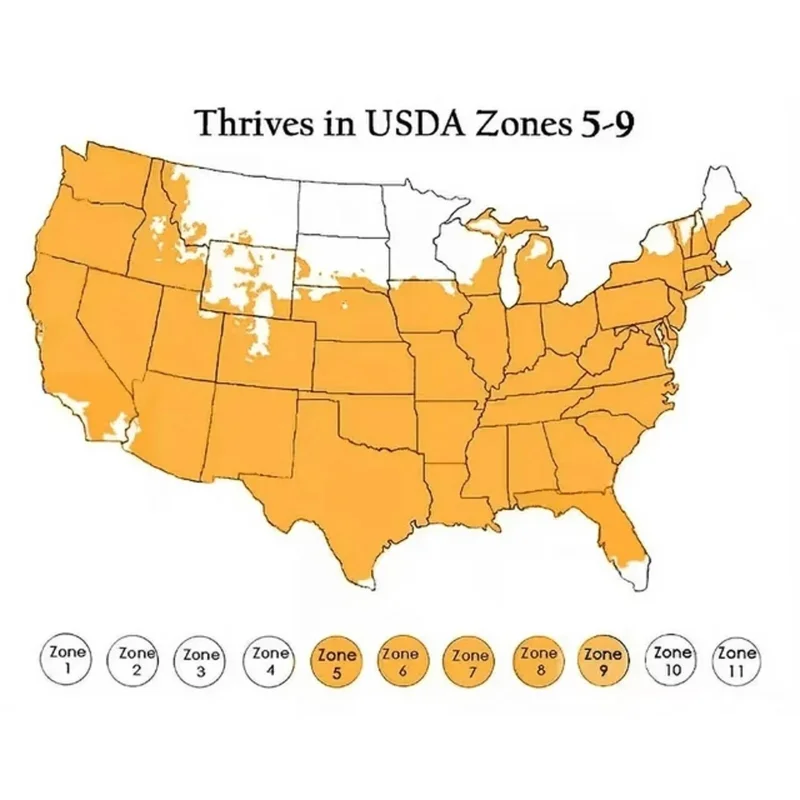
USDA Hardiness Zone
USDA Zones 4-9 -
Soil Type
Well-draining, moisture-retentive bonsai mix -
Sunlight Exposure
Full sun (at least 6 hours direct light) -
Expected Planting Period
Early spring (after stratification)
Overview
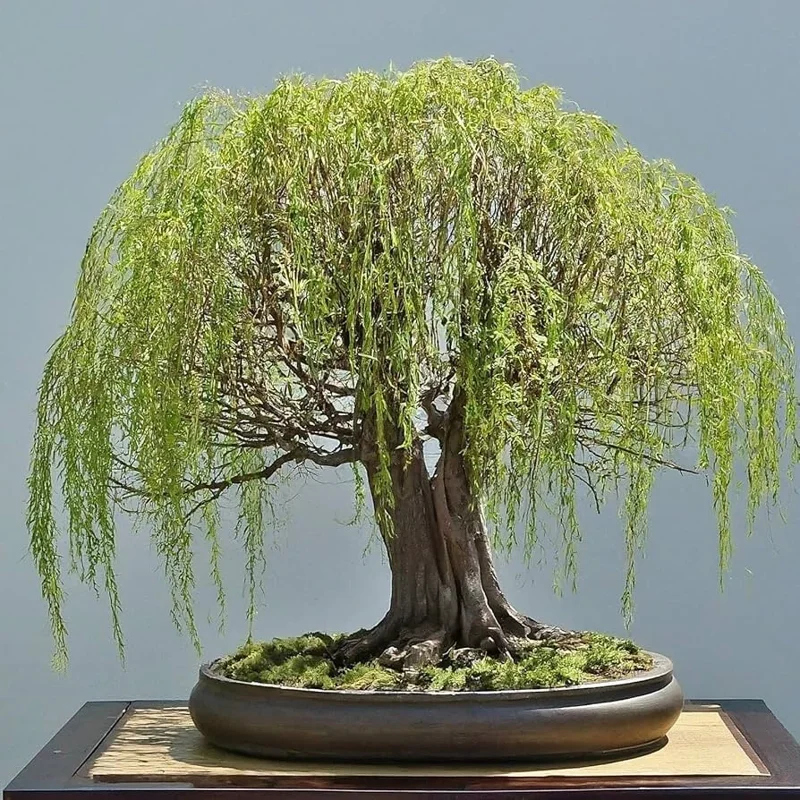
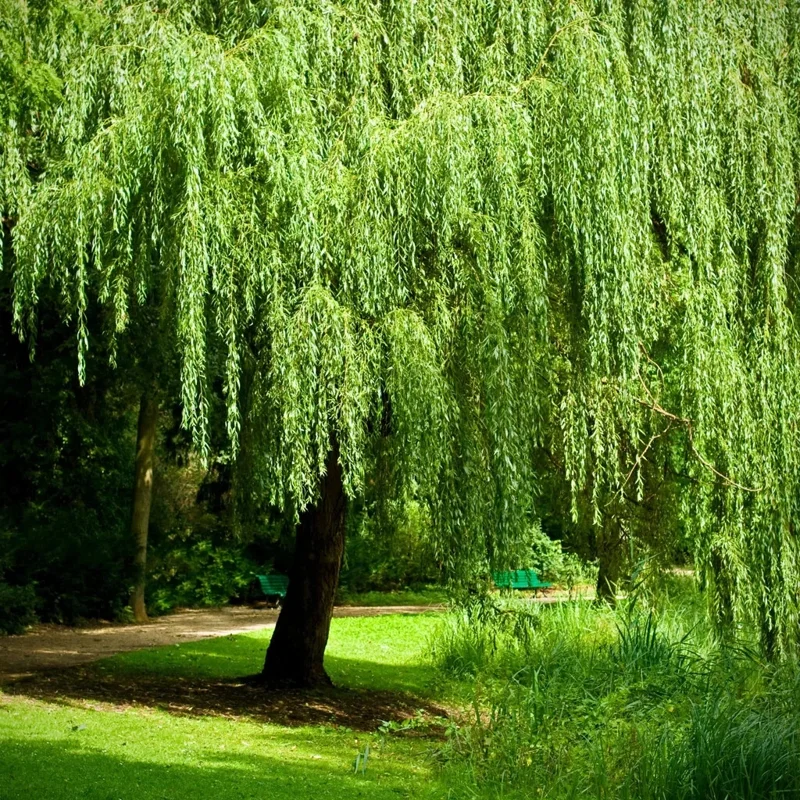
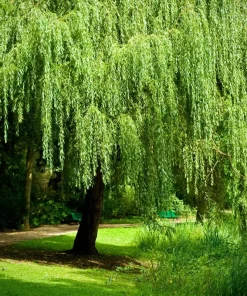
Embark on the rewarding journey of cultivating your own miniature landscape with our premium weeping willow bonsai seeds. This offering includes 5 seeds of the iconic Weeping Willow (Salix babylonica), renowned for its graceful, cascading branches and serene beauty. Often associated with tranquility and peace, the Weeping Willow makes an exquisite subject for bonsai, allowing you to bring a touch of natural elegance into your home or garden. These seeds provide an excellent opportunity for both novice and experienced gardeners to grow a stunning bonsai tree from its earliest stage, fostering a deeper connection with nature and the art of bonsai. The process of growing a weeping willow bonsai from seed is a fulfilling endeavor, culminating in a living work of art that can be shaped and admired for years to come.
Our weeping willow seeds are carefully selected to ensure viability and potential for vigorous growth, setting you up for success in your bonsai project. The Weeping Willow is a fast-growing species, which can be advantageous for bonsai enthusiasts who wish to see their trees develop character more quickly. With proper care and attention, these seeds can transform into magnificent miniature trees, showcasing the distinctive weeping habit that makes the species so beloved. Whether you are looking to expand your bonsai collection or begin a new horticultural hobby, these bonsai tree seeds offer a fantastic starting point.
Key Benefits
Growing a weeping willow bonsai from seed offers numerous advantages, from the personal satisfaction of nurturing a plant from its inception to the aesthetic appeal it adds to any space. These benefits make our weeping willow bonsai seeds an ideal choice for your next gardening project.
- Aesthetic Appeal: The Weeping Willow is celebrated for its distinctive cascading branches and delicate green foliage, creating a visually soothing and elegant display. As a bonsai, it brings this natural grace into a compact, manageable form, perfect for tabletops or garden focal points.
- Fast Growth Rate: Compared to many other bonsai species, the Weeping Willow grows relatively quickly. This allows for faster development of trunk thickness and branch structure, providing a more dynamic and engaging bonsai experience for growers.
- Versatile Cultivation: These weeping willow seeds are suitable for both indoor and outdoor cultivation, offering flexibility depending on your climate and living situation. They can thrive in a variety of environments with appropriate care.
- Rewarding Hobby: The process of growing and shaping a bonsai tree from seed is incredibly fulfilling. It teaches patience, attention to detail, and provides a continuous creative outlet as you guide the tree’s development.
- Unique Bonsai Subject: While popular for landscaping, the Weeping Willow is less common as a bonsai compared to some other species, making your creation a unique and conversation-starting piece.
- Stress Reduction: Engaging with plants and nature, especially through a focused activity like bonsai, has been shown to reduce stress and improve overall well-being. Nurturing your salix babylonica seeds can be a therapeutic practice.
Plant Care & Growing Tips
Successfully cultivating your weeping willow bonsai seeds into a thriving bonsai requires attention to specific environmental conditions and care practices. Weeping willows are generally hardy, but as bonsai, they benefit from consistent care to maintain their miniature form and health.
Sunlight Requirements: Weeping Willows thrive in full sun, meaning at least 6 hours of direct sunlight per day. If growing indoors, place your bonsai near a south-facing window or under powerful grow lights to ensure it receives adequate light. For outdoor placement, choose a spot that gets ample sunshine throughout the day. Insufficient light can lead to leggy growth and reduced vigor in your weeping willow bonsai.
Watering Schedule: Weeping willows are thirsty plants, especially when grown as bonsai. They prefer consistently moist soil, but not waterlogged. Water thoroughly when the top inch of soil feels dry to the touch, allowing excess water to drain from the bottom of the pot. During hot weather or periods of active growth, you may need to water daily. Reduce watering frequency in cooler months or if the tree is dormant. Proper drainage is crucial to prevent root rot.
Soil Type & Drainage: A well-draining, moisture-retentive soil mix is ideal for weeping willow bonsai. A good blend might include akadama, pumice, and lava rock, or a high-quality bonsai soil mix. Ensure the pot has drainage holes to prevent water from accumulating around the roots. The right soil mix will support healthy root development and overall tree vigor.
Temperature Range & USDA Hardiness Zone: Weeping Willows are deciduous trees and can tolerate a wide range of temperatures. They are typically hardy in USDA Zones 4-9. If growing outdoors in colder zones, protect your bonsai from extreme winter freezes. Indoors, maintain a consistent room temperature and avoid sudden temperature fluctuations. These trees require a period of dormancy during winter, so outdoor placement in suitable zones is often preferred if possible.
Fertilization: Fertilize your weeping willow bonsai regularly during the growing season (spring through late summer) with a balanced liquid bonsai fertilizer diluted to half strength. Reduce or cease fertilization during dormancy in winter. Consistent feeding supports healthy foliage, strong branch development, and helps the tree recover from pruning and shaping. Pay attention to the specific needs of your salix babylonica seeds as they grow into saplings.
Common Problems: Weeping willows can be susceptible to pests like aphids and willow leaf beetles, and diseases such as powdery mildew or cankers. Regular inspection will help catch problems early. Treat pests with horticultural oil or insecticidal soap, and fungal issues with appropriate fungicides. Good air circulation and proper watering practices can help prevent many problems. Learning how to grow weeping willow bonsai successfully involves understanding these potential challenges.
Size & Details
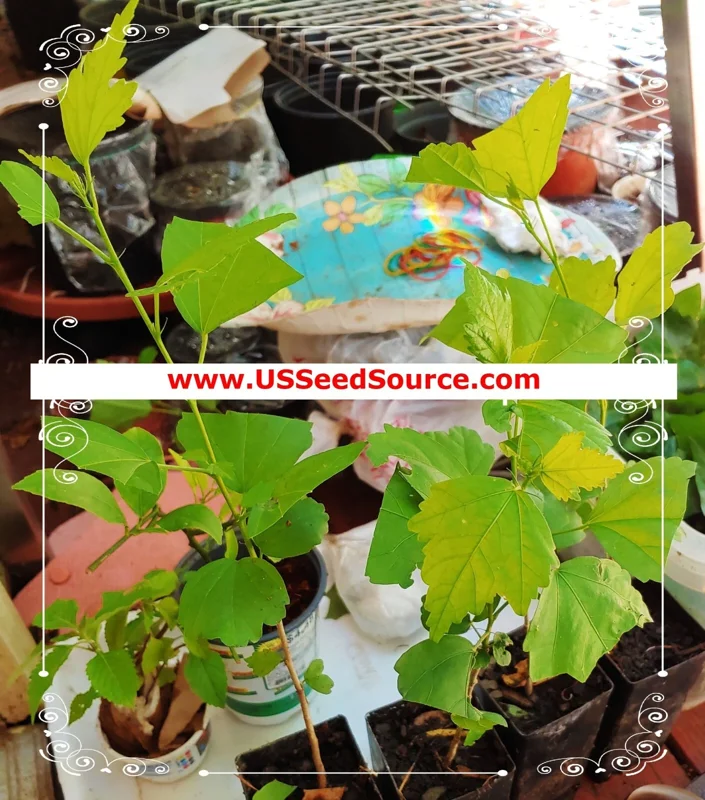
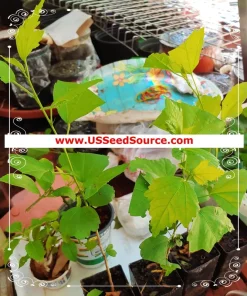
This product includes 5 seeds of the Weeping Willow bonsai tree, allowing you to begin your cultivation journey. As a naturally fast-growing species, the Weeping Willow can reach significant sizes in its natural habitat, but as a bonsai, it is meticulously trained and pruned to remain compact. The eventual size of your weeping willow bonsai will depend heavily on your training techniques, such as pruning, wiring, and root restriction. Typically, a mature bonsai can range from 12 inches to several feet tall, depending on the desired style and the grower’s skill. These bonsai tree seeds will first develop into seedlings, then saplings, gradually allowing you to shape them into your desired miniature form. Expect to see initial germination within a few weeks to a few months, with significant growth for shaping becoming evident within 1-2 years.
The seeds are sourced from vigorous parent plants, ensuring a good starting point for healthy growth. They are provided as fresh harvest seeds, ready for stratification and planting. While the raw seeds are small, they hold the potential for a grand and elegant miniature tree. The rapid growth of the Weeping Willow is a distinct advantage for bonsai enthusiasts, as it allows for quicker development of a thick trunk and a dense canopy, which are desirable characteristics in a well-established bonsai. This makes learning to grow weeping willow bonsai a rewarding experience, even for those new to the art.
Frequently Asked Questions
- Q: How big does this weeping willow bonsai get? A: The final size of your bonsai depends on your training and pruning. Typically, a well-maintained weeping willow bonsai can range from 1 to 3 feet in height and spread, but it can be kept smaller with diligent care.
- Q: Is this an indoor or outdoor plant? A: The Weeping Willow can be grown both indoors and outdoors. If grown indoors, it requires significant light. For optimal health, especially in areas with distinct seasons, outdoor cultivation allowing for natural dormancy is often preferred.
- Q: How much sunlight do these weeping willow seeds need? A: Weeping willows require at least 6 hours of direct sunlight daily for healthy growth. If growing indoors, provide the brightest possible location or supplement with grow lights.
- Q: Is this plant easy to care for? A: Weeping willows are relatively vigorous growers, which can make them forgiving for beginners in some aspects. However, bonsai care requires consistent attention to watering, pruning, and shaping. Learning to grow weeping willow bonsai can be a great learning experience.
- Q: What condition will the bonsai tree seeds arrive in? A: The seeds are provided as fresh harvest, ready for stratification and planting. They are carefully packaged to ensure their viability upon arrival.
- Q: When is the best time to plant salix babylonica seeds? A: After proper stratification, the best time to sow the seeds is in early spring. This allows the seedlings to establish themselves during the natural growing season.
- Q: Will my weeping willow bonsai survive winter in my zone? A: Weeping willows are deciduous and require a dormancy period. They are generally hardy in USDA Zones 4-9. In colder zones, outdoor bonsai will need winter protection, and indoor bonsai may benefit from a cool, dormant period.
- Q: How long until the seeds germinate? A: With proper stratification and care, germination typically occurs within a few weeks to a few months after planting. Patience is key when growing from bonsai tree seeds.
- Q: Can I use regular potting soil for my weeping willow bonsai? A: While you can start with a good quality potting mix for seedlings, for a mature bonsai, a specialized bonsai soil mix with excellent drainage and some moisture retention is highly recommended to promote healthy root development.
- Q: Do these seeds produce a thick trunk willow? A: Weeping willows naturally develop thick trunks over time. As a bonsai, techniques like trunk chopping and pruning will be essential to encourage the desirable thick trunk appearance in your weeping willow bonsai.
Be the first to review “Weeping Willow Bonsai Tree Seeds – 5 Seeds for Indoor/Outdoor Cultivation”
People Also Viewed
Houseplants


Reviews
There are no reviews yet.