
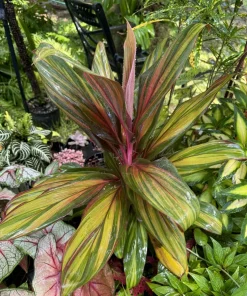
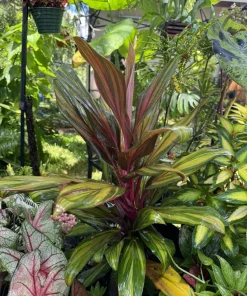
Cordyline Fruticosa Live Plant – Tropical Foliage Houseplant for Indoor Decor
Original price was: $62.99.$42.99Current price is: $42.99.
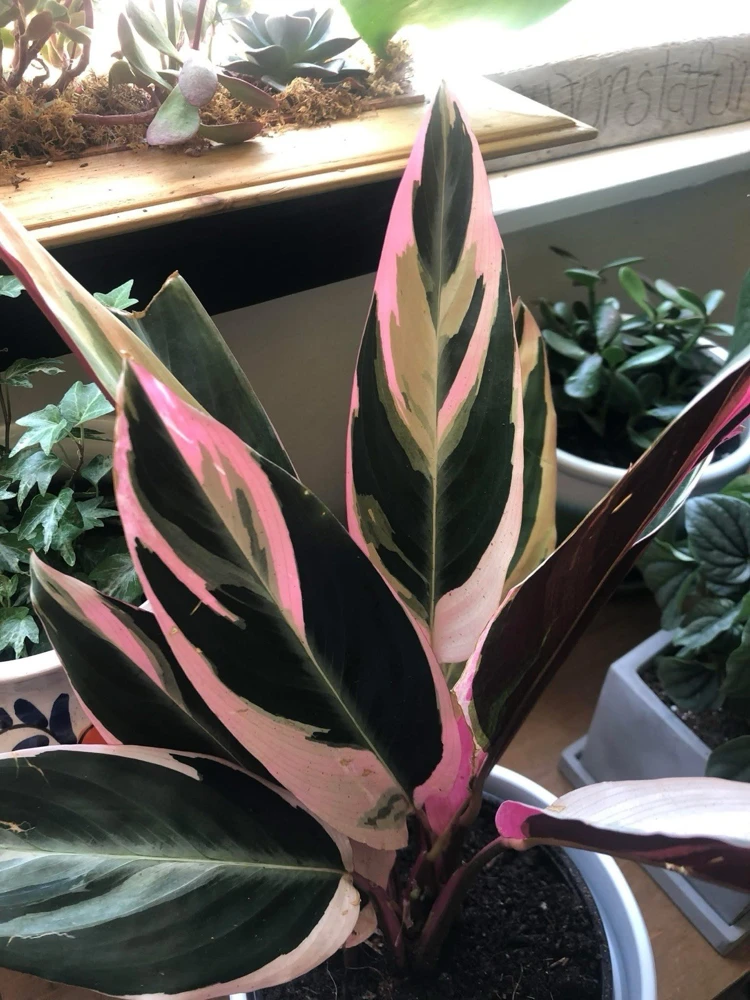
Add a touch of the tropics to your home with a vibrant Cordyline Fruticosa live plant. This stunning houseplant features colorful foliage, making it an ideal choice for indoor decoration and a beautiful focal point in any room.
Estimated arrival
Oct 27
Nov 01 - Nov 03
Nov 06 - Nov 10
Shop With Confidence
30-Day Plant Health Guarantee
Arrives damaged? We’ll replace it free — see our return policy.
Responsive Support
Email us anytime, we reply within 1 business day.
Expert Packaging
Temperature-controlled shipping to protect your plants in transit.
Secure Checkout
Pay safely with Visa, Mastercard, PayPal.
Plant Specifications
-
USDA Hardiness Zone
USDA zones 10-12 (outdoor), suitable for all zones indoors -
Soil Type
Well-draining potting mix -
Sunlight Exposure
Bright indirect light -
Expected Planting Period
Year-round indoors
Overview
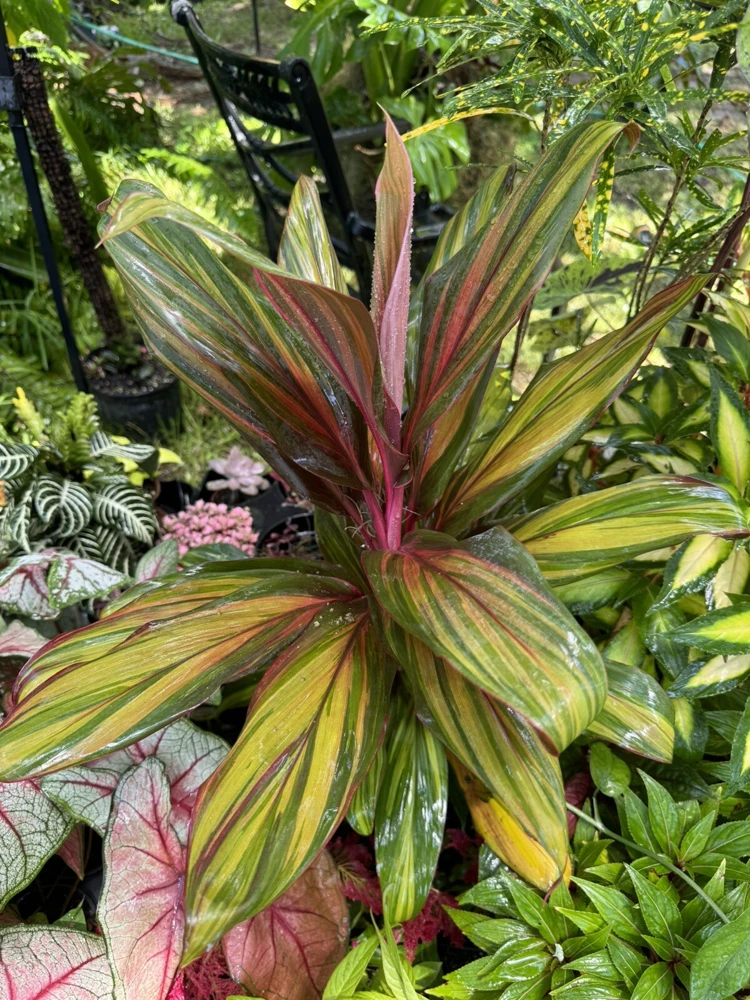
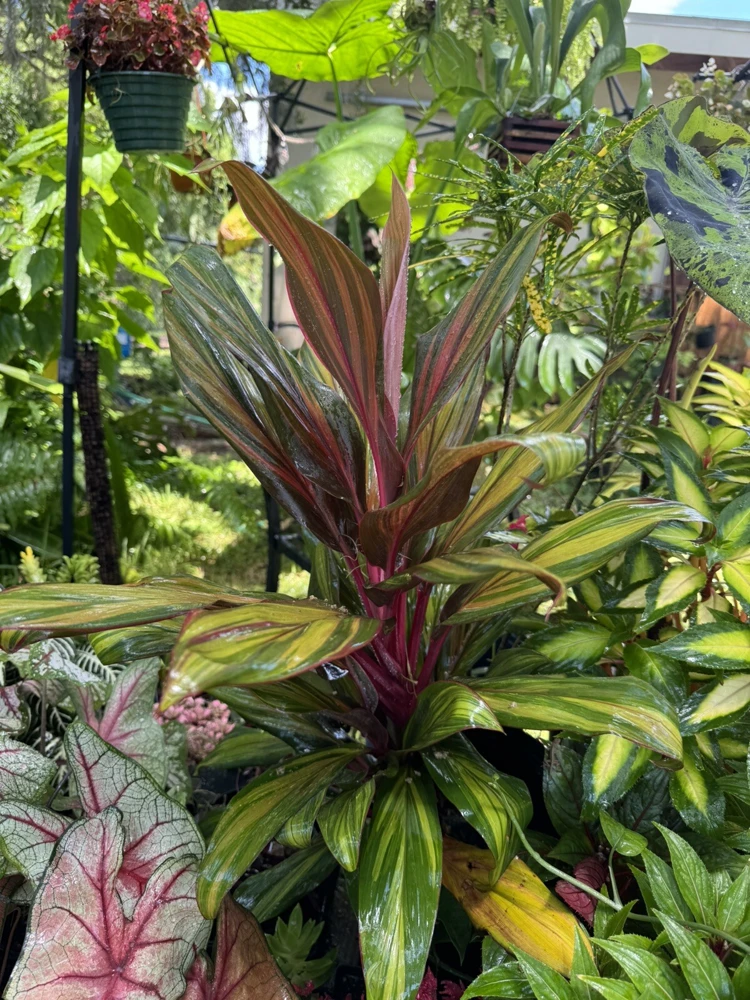
The Cordyline Fruticosa live plant, often referred to as the Ti plant, is a spectacular addition to any indoor plant collection. Hailing from the tropical regions of Southeast Asia, eastern Australia, and the Pacific islands, this plant is cherished for its vivid, sword-shaped leaves that come in an array of colors, including green, red, pink, and purple. As a versatile and relatively easy-to-care-for houseplant, the Cordyline Fruticosa live plant brings an exotic and vibrant aesthetic to any living space. It is a fantastic choice for both seasoned plant enthusiasts and those new to gardening, providing a lush, tropical feel without demanding excessive attention.
This particular tropical foliage plant is known for its upright growth habit and dramatic appearance, making it a popular choice for interior design. Whether placed on a tabletop, a shelf, or as a floor plant, the Cordyline Fruticosa effortlessly enhances the visual appeal of its surroundings. Its striking coloration and elegant form ensure it stands out, creating a dynamic and inviting atmosphere.
Key Benefits
Cultivating a Cordyline Fruticosa live plant offers numerous advantages, enriching your home environment in multiple ways. Its vibrant presence is sure to captivate and inspire. Below are some of the key benefits:
- Stunning Visual Appeal: The primary draw of the Cordyline Fruticosa is its incredibly diverse and colorful foliage. With shades ranging from deep green to brilliant red, pink, and burgundy, it provides a constant burst of color that can brighten any room and serve as a beautiful focal point.
- Air Purification: Like many houseplants, the Cordyline Fruticosa contributes to healthier indoor air quality by absorbing common household toxins and releasing fresh oxygen. This makes your living space not only more beautiful but also more refreshing.
- Relatively Low Maintenance: While it thrives on consistent care, the indoor Cordyline is not overly demanding. With proper light and watering, it can flourish for years, making it suitable for busy individuals who still desire a touch of nature indoors.
- Versatile Decor: Its upright growth and varied leaf patterns allow the Cordyline Fruticosa to fit seamlessly into various interior design styles, from modern minimalist to bohemian and traditional. It can be used as a standalone statement piece or as part of a larger plant arrangement.
- Enhances Mood and Well-being: Studies suggest that having plants indoors can reduce stress, improve focus, and boost overall mood. The vibrant and calming presence of a Cordyline Fruticosa live plant can contribute positively to your mental well-being.
- Compact Growth: Many varieties remain a manageable size, making them perfect for smaller spaces or as additions to plant groupings without overwhelming the area.
Plant Care & Growing Tips
Caring for your Cordyline Fruticosa live plant involves understanding its tropical origins and replicating those conditions as closely as possible. Proper care will ensure your plant remains vibrant and healthy. This tropical foliage plant thrives in bright, indirect light. Direct, harsh sunlight can scorch its leaves, especially the more colorful varieties, causing them to fade or develop brown spots. An east or west-facing window is often ideal, providing ample light without the intensity of midday sun. If your plant isn’t getting enough light, its vibrant colors may dull, and its growth might become leggy.
Watering correctly is crucial for the health of your indoor Cordyline. It prefers consistently moist, but not waterlogged, soil. Allow the top inch or two of soil to dry out between waterings. Overwatering can lead to root rot, a common issue for many houseplants. Conversely, letting the soil dry out completely for too long can cause leaf tips to brown and crisp. Use well-draining potting mix to prevent water accumulation. Fertilize every 2-4 weeks during the growing season (spring and summer) with a balanced liquid fertilizer diluted to half strength. Reduce or stop fertilization during fall and winter when the plant’s growth slows. The Cordyline Fruticosa prefers high humidity, so consider misting its leaves regularly, placing it near a humidifier, or setting its pot on a pebble tray filled with water.
Maintain temperatures between 65-80°F (18-27°C) and protect your plant from cold drafts, which can cause leaf drop. While generally resilient, keep an eye out for common pests like spider mites or mealybugs. Treat infestations promptly with insecticidal soap or neem oil. Pruning can help maintain a desired shape and encourage bushier growth. Remove any yellowing or damaged leaves at the base. This specific Cordyline Fruticosa care regimen will help ensure your plant thrives and continues to display its beautiful foliage.
Size & Details
This Cordyline Fruticosa live plant is typically shipped as a well-rooted specimen, ready to be transplanted into your preferred decorative pot. The exact size may vary slightly based on current stock, but you can generally expect a plant that is approximately 8-12 inches tall from the base of the soil upon arrival. It comes nestled in a nursery pot, ensuring its roots are protected during transit. With proper care, this tropical foliage plant can grow to a mature height of 3-6 feet indoors, though it can be kept smaller with regular pruning. Its growth rate is moderate, allowing you to enjoy its evolving beauty over time. This plant is perfect for adding vertical interest to your plant arrangements or as a striking standalone piece on a side table or floor.
Frequently Asked Questions
- Q: How big does this plant get? A: A Cordyline Fruticosa live plant can typically grow to be 3-6 feet tall indoors, though its height can be managed with regular pruning. It starts at a manageable size, perfect for initial placement.
- Q: What size pot does it come in? A: The plant typically arrives in a standard nursery pot, usually around 4-6 inches in diameter, ensuring it’s well-protected for shipping and ready for repotting into your decorative planter.
- Q: Is this an indoor or outdoor plant? A: While it can thrive outdoors in warm, tropical climates (USDA zones 10-12), the Cordyline Fruticosa live plant is most commonly grown as a vibrant indoor houseplant in most regions due to its sensitivity to cold.
- Q: How much sunlight does it need? A: Your indoor Cordyline prefers bright, indirect light. Direct sun can scorch its leaves, while too little light can cause its vibrant colors to fade. An east or west-facing window is usually ideal.
- Q: Is this plant easy to care for? A: Yes, with consistent attention to its light, watering, and humidity needs, the Cordyline Fruticosa is considered a relatively easy-to-care-for plant, making it suitable for beginner to intermediate plant enthusiasts. Following good Cordyline Fruticosa care practices will ensure its longevity.
- Q: What condition will it arrive in? A: Your Cordyline Fruticosa live plant will arrive carefully packaged, with its roots protected and foliage intact, ready for you to unbox and place in its new home.
- Q: Is it shipped in soil? A: Yes, the plant is shipped in its nursery pot with a moist soil medium to minimize stress during transit and ensure it arrives healthy.
- Q: Is the Ti plant pet-safe? A: Unfortunately, Cordyline Fruticosa is considered toxic to pets if ingested. It’s best to keep this beautiful tropical foliage plant out of reach of curious cats and dogs.
- Q: How often should I water my Cordyline Fruticosa? A: Water when the top 1-2 inches of soil feel dry to the touch. It prefers consistently moist, but not waterlogged, soil. Adjust frequency based on humidity, light, and temperature.
- Q: Will it survive winter in my zone? A: Unless you are in USDA zones 10-12, it is recommended to keep your Cordyline Fruticosa live plant indoors during winter to protect it from cold temperatures and frost.
Be the first to review “Cordyline Fruticosa Live Plant – Tropical Foliage Houseplant for Indoor Decor”
People Also Viewed
Shrubs
Blue False Indigo Live Plant – 2 Bush Set – 10-16″ Tall – Wild Indigo Perennial Shrub – Outdoor
Shrubs
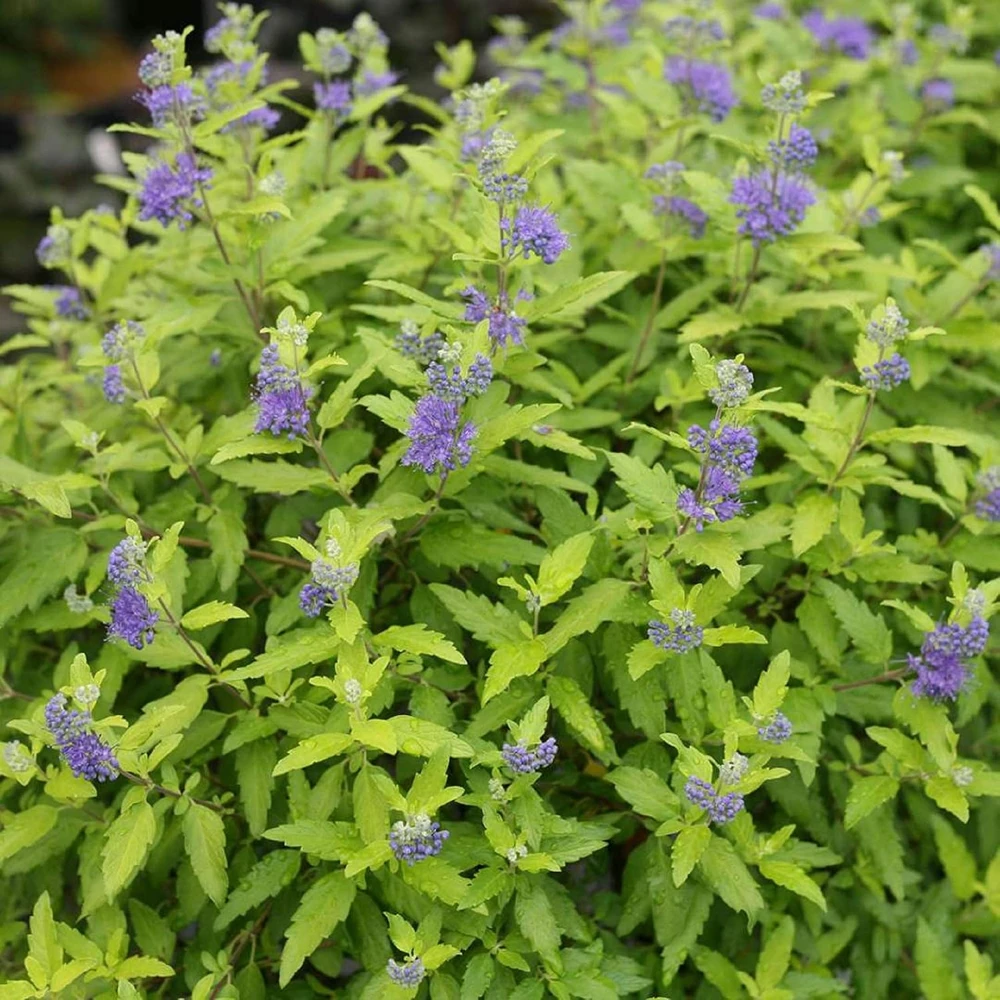
Sunshine Blue II Bluebeard Live Plant – Yellow Foliage Caryopteris – 4 inch Pot – Outdoor Shrub
Reviews
There are no reviews yet.