
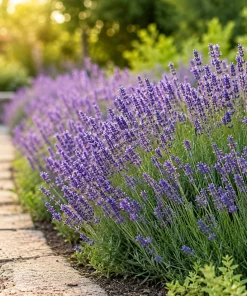
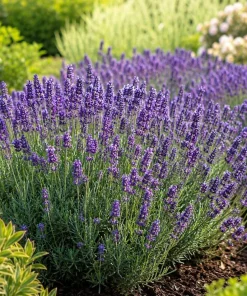
English Lavender Live Plant – Purple Perennial Herb, 4-6 Inch Tall, 5 Inch Pot
Original price was: $45.99.$20.99Current price is: $20.99.
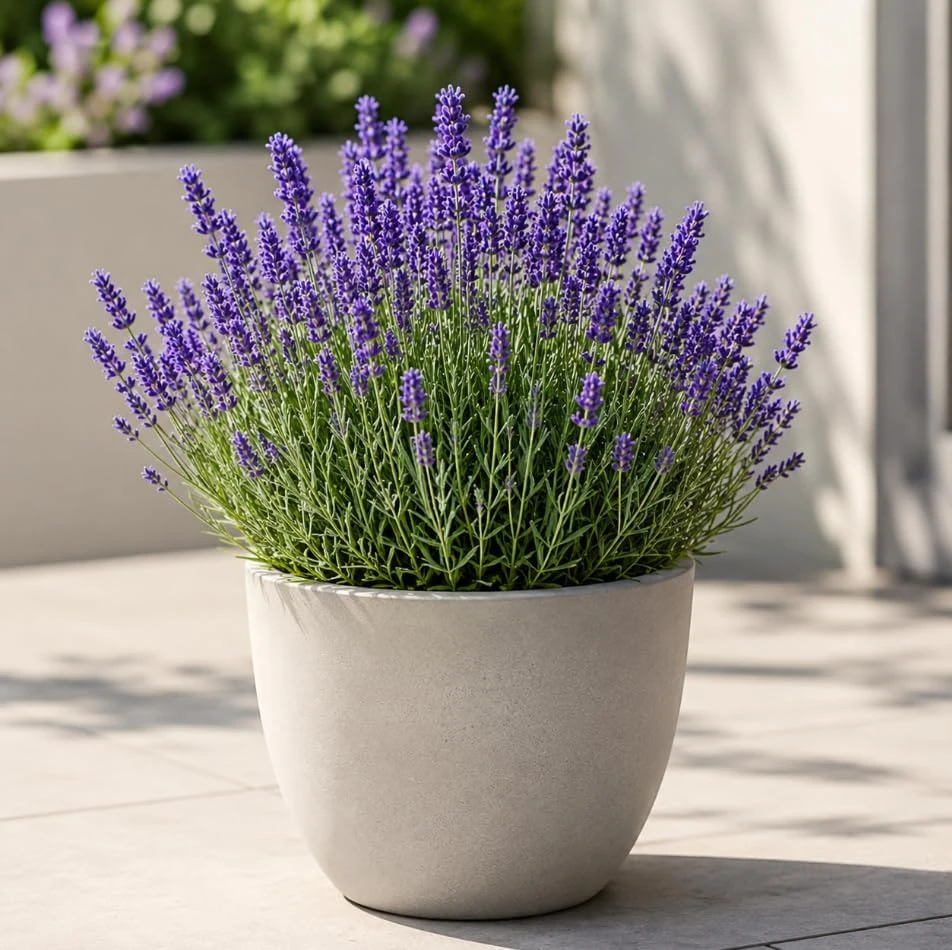
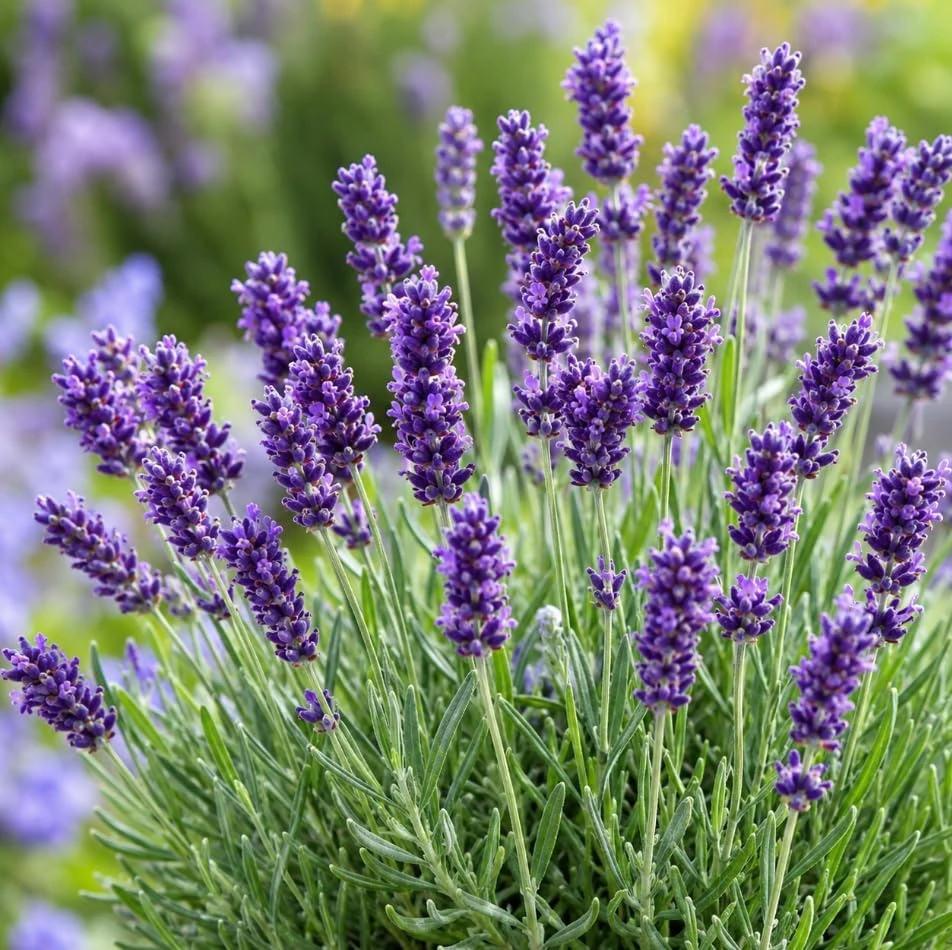
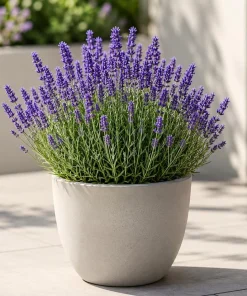
Bring timeless beauty and calming fragrance to your home or garden with an English Lavender live plant. This resilient perennial lavender herb (Lavandula angustifolia) produces beautiful purple blooms and is known for its strong aroma. Ideal for attracting pollinators and adding elegance, it’s a low-maintenance choice for both indoor and outdoor lavender displays.
Estimated arrival
Oct 10
Oct 15 - Oct 17
Oct 20 - Oct 24
Shop With Confidence
30-Day Plant Health Guarantee
Arrives damaged? We’ll replace it free — see our return policy.
Responsive Support
Email us anytime, we reply within 1 business day.
Expert Packaging
Temperature-controlled shipping to protect your plants in transit.
Secure Checkout
Pay safely with Visa, Mastercard, PayPal.
Plant Specifications
-
USDA Hardiness Zone
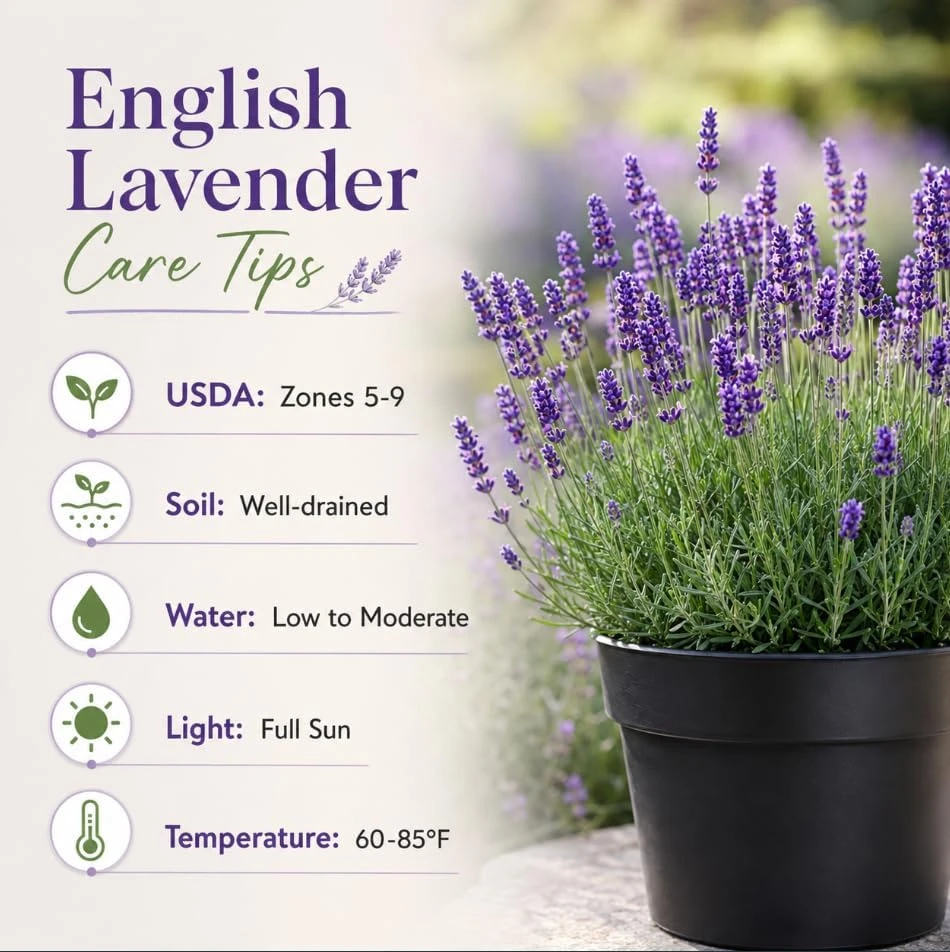
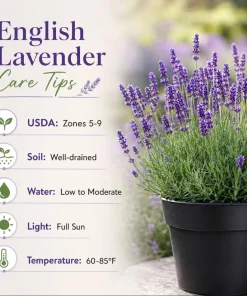
USDA Zones 5-9 -
Soil Type
Well-draining, sandy or gravelly soil -
Sunlight Exposure
Full sun (6-8 hours daily) -
Expected Planting Period
Spring to early summer
Overview
Transform your garden or patio into a fragrant sanctuary with our exquisite English Lavender live plant. Revered for its intoxicating aroma and beautiful purple blooms, this perennial herb (Lavandula angustifolia) is a timeless favorite among gardeners and herb enthusiasts alike. Known for its compact growth habit and long-lasting flowers, this English Lavender live plant is not just a treat for the senses but also a resilient and relatively low-maintenance addition to your plant collection. Whether you’re looking to create a calming atmosphere, attract pollinators, or add a touch of classic elegance, this fragrant lavender plant is an excellent choice. It arrives as a healthy, established plant, ready to thrive in its new home, promising years of beauty and fragrance.
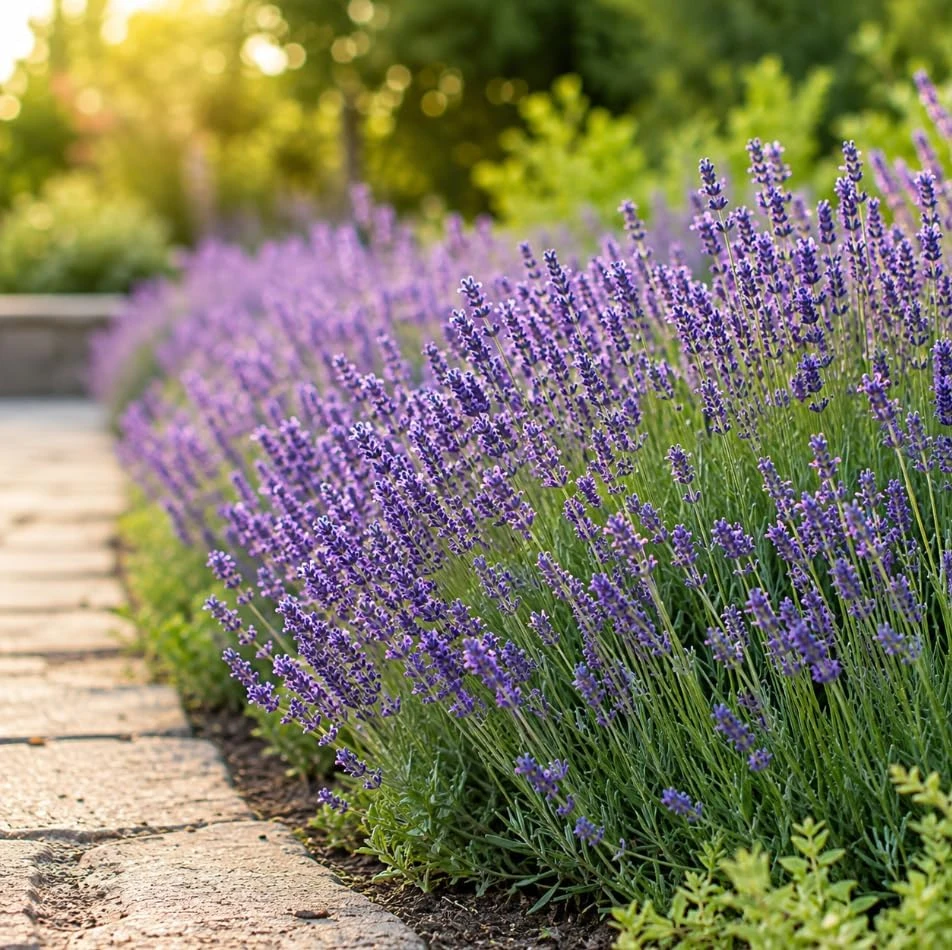
This particular variety is celebrated for its strong fragrance and vibrant color, making it a standout in any landscape. Its versatility allows it to be grown in various settings, from formal herb gardens to casual cottage borders, or even in decorative pots on a sunny balcony. The plant’s robust nature ensures it can withstand a range of conditions once established, providing continuous enjoyment from late spring through summer. Discover the joy of growing your own fragrant lavender and experience the myriad benefits it brings to your outdoor and even indoor spaces.
Key Benefits
Our English Lavender live plant offers a wealth of benefits, enriching both your environment and your well-being. Its charming presence and practical uses make it an indispensable plant for any home. Here are some of the key advantages of this wonderful perennial lavender herb:
- Aromatic Delight: The strong, sweet fragrance of English Lavender live plant is renowned for its calming properties. Use the fresh or dried flowers in potpourri, sachets, or essential oils to create a relaxing ambiance in your home, promoting relaxation and stress relief.
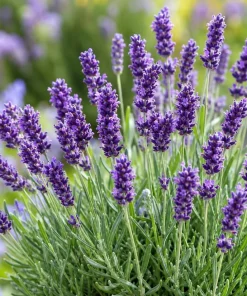
- Beautiful Blooms: Produces abundant spikes of vivid purple flowers that add a pop of color and elegance to any garden bed, border, or container. These blooms are not only visually appealing but also attract beneficial pollinators like bees and butterflies, enhancing your garden’s ecosystem.
- Culinary Versatility: The flowers and leaves of this perennial lavender herb can be used in various culinary applications, from infusing teas and desserts to flavoring savory dishes. Its distinctive taste adds a gourmet touch to your cooking.
- Drought-Tolerant: Once established, English Lavender is remarkably drought-tolerant, making it an excellent choice for xeriscaping or gardens in drier climates. It requires less water than many other plants, saving you time and resources.
- Low Maintenance: This hardy perennial is relatively easy to care for, requiring minimal attention once planted in the right conditions. Its robust nature makes it suitable for both experienced gardeners and beginners looking for easy lavender plant care.
- Pest Repellent: The strong scent of lavender naturally deters certain garden pests, helping to protect nearby plants without the need for chemical sprays. This makes it a great companion plant in vegetable and flower gardens.
- Therapeutic Uses: Beyond its aromatic qualities, lavender is often used in aromatherapy for stress relief, improved sleep, and as an anti-inflammatory. Growing your own provides a fresh supply for these beneficial uses, whether for personal care or home remedies.
Plant Care & Growing Tips
Caring for your English Lavender live plant is straightforward, ensuring a bountiful display of fragrant blooms. This Mediterranean native thrives in conditions that mimic its natural habitat. For optimal growth, ensure it receives ample sunlight. Lavender requires at least 6-8 hours of direct full sun daily. In hotter climates, some afternoon shade can be beneficial, but generally, the more sun it gets, the better it will bloom and the stronger its fragrance will be. When choosing a location, consider a south or west-facing spot for outdoor planting, or a bright, sunny window for an indoor outdoor lavender display.
Lavender plant care involves proper watering and well-draining soil. English Lavender prefers dry conditions once established, so water deeply but infrequently, allowing the soil to dry out completely between waterings. Overwatering is the most common cause of lavender plant failure. A well-draining soil mix, ideally sandy or gravelly with a slightly alkaline pH, is crucial. Avoid heavy clay soils that retain too much moisture. Fertilization is rarely needed; lavender thrives in lean soil. Prune your plant after the first flush of blooms to encourage a second flowering and maintain a compact, bushy shape. In colder climates, some winter protection may be beneficial, though English Lavender is quite hardy.
Maintaining a healthy fragrant lavender plant also involves good air circulation to prevent fungal diseases. Space plants adequately and avoid overcrowding. While generally pest-resistant, occasionally check for common garden pests. With these simple care tips, your English Lavender will flourish, providing beauty and fragrance for years to come.
Size & Details
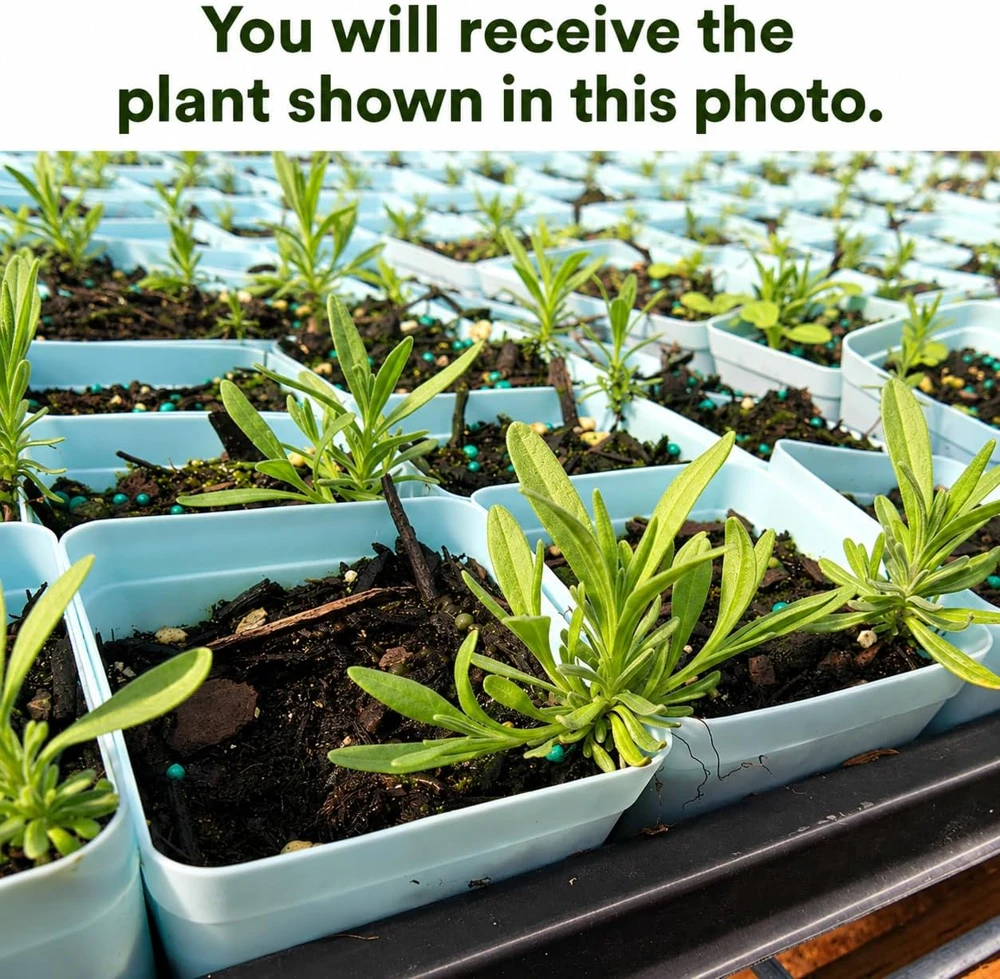
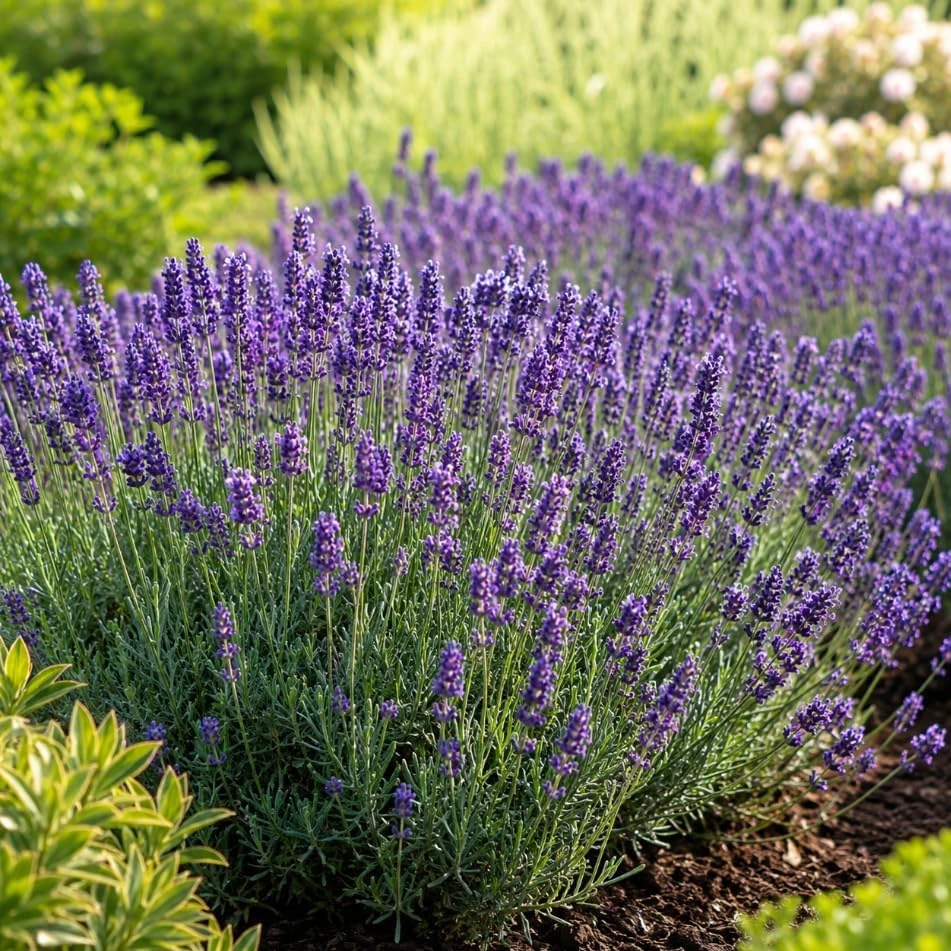
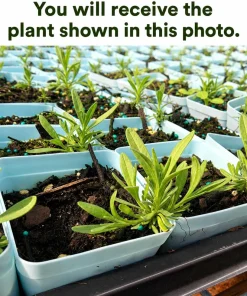
This English Lavender live plant arrives healthy and established, ready for planting. Each plant measures approximately 4-6 inches tall from the top of the soil and is rooted in a 5-inch nursery pot. English Lavender (Lavandula angustifolia) typically grows to a mature height of 1-3 feet and spreads 1-3 feet wide, forming a beautiful, mounded shrub. It has a moderate growth rate, establishing itself well within the first year and blooming profusely from late spring through summer. This variety is known for its compact habit, making it suitable for various garden sizes and container planting, allowing you to enjoy your indoor outdoor lavender year-round.
Frequently Asked Questions
- Q: How big does this English Lavender live plant get? A: This particular plant is 4-6 inches tall in a 5-inch pot upon arrival. When mature, English Lavender live plant typically grows to about 1-3 feet tall and wide, forming a lovely rounded shrub.
- Q: Is this an indoor or outdoor lavender plant? A: This fragrant lavender plant is versatile and can thrive both indoors in a sunny spot or outdoors in garden beds and containers. It’s an excellent choice for an indoor outdoor lavender display.
- Q: How much sunlight does English Lavender need? A: English Lavender requires at least 6-8 hours of direct full sun daily to produce the best blooms and strongest fragrance.
- Q: Is this plant easy to care for? A: Yes, English Lavender is considered low-maintenance once established. It’s drought-tolerant and pest-resistant, making lavender plant care relatively easy for both beginners and experienced gardeners.
- Q: What condition will the plant arrive in? A: Your English Lavender live plant will arrive as a healthy, established plant, carefully packaged in its 5-inch pot, ready for planting.
- Q: Can I use this perennial lavender herb in cooking? A: Absolutely! The flowers and leaves of this perennial lavender herb are culinary grade and can be used to infuse teas, desserts, and savory dishes, adding a unique gourmet flavor.
- Q: When is the best time to plant English Lavender? A: The best time to plant English Lavender is in spring after the last frost or in early fall, allowing it to establish before extreme temperatures.
- Q: What USDA hardiness zones is English Lavender suitable for? A: English Lavender is generally hardy in USDA Zones 5-9, though it can be grown as an annual or overwintered indoors in colder regions.
- Q: Does this lavender attract pollinators? A: Yes, the vibrant purple blooms of the English Lavender live plant are a favorite of bees, butterflies, and other beneficial pollinators, making it a great addition to a pollinator garden.
- Q: What kind of soil does English Lavender prefer? A: English Lavender thrives in well-draining, sandy or gravelly soil with a slightly alkaline pH. Good drainage is crucial for its health.
Be the first to review “English Lavender Live Plant – Purple Perennial Herb, 4-6 Inch Tall, 5 Inch Pot”
People Also Viewed
Reviews
There are no reviews yet.