

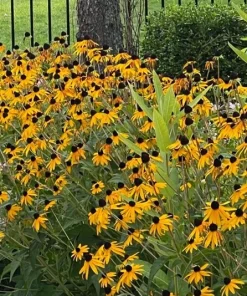
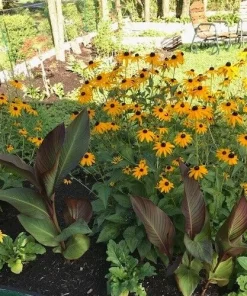
Black Eyed Susan Flower Seeds – Non-GMO Heirloom – 1 Ounce Pack – Full Sun Perennial
Original price was: $28.00.$18.99Current price is: $18.99.
Cultivate a cheerful garden with our premium Black Eyed Susan seeds. This 1-ounce pack of non-GMO, heirloom seeds produces stunning yellow and black flowers that thrive in full sun. Ideal for attracting pollinators and adding vibrant color to borders and meadows.
Estimated arrival
Oct 10
Oct 15 - Oct 17
Oct 20 - Oct 24
Shop With Confidence
30-Day Plant Health Guarantee
Arrives damaged? We’ll replace it free — see our return policy.
Responsive Support
Email us anytime, we reply within 1 business day.
Expert Packaging
Temperature-controlled shipping to protect your plants in transit.
Secure Checkout
Pay safely with Visa, Mastercard, PayPal.
Plant Specifications
-
USDA Hardiness Zone
2-9 -
Soil Type
Well-draining soil -
Sunlight Exposure
Full Sun -
Expected Planting Period
Spring to Fall
Overview
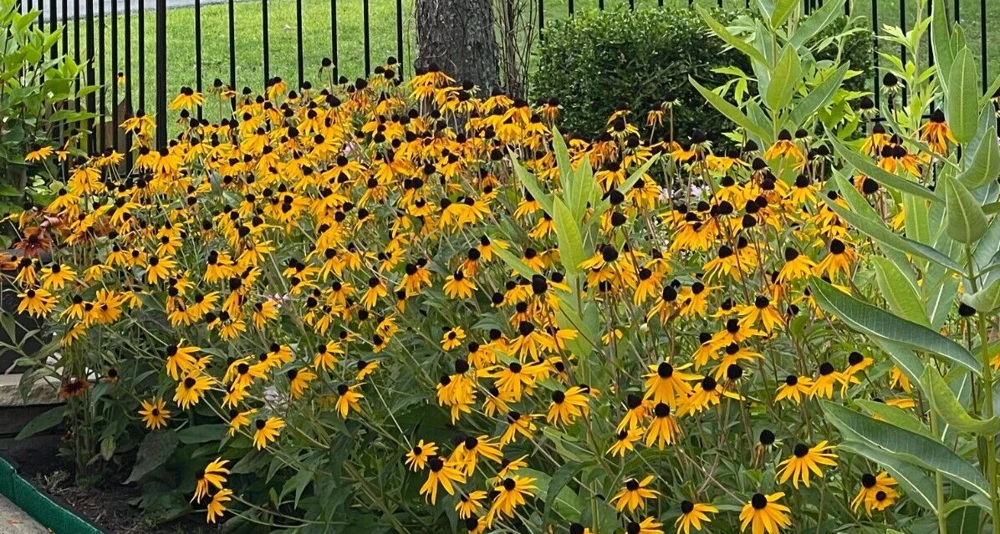
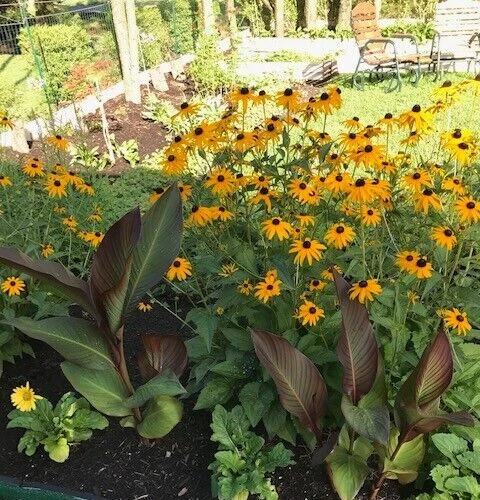
Transform your garden into a beacon of sunny cheer with our high-quality Black Eyed Susan seeds. Each 1-ounce pack contains premium, non-GMO, heirloom seeds ready to bring the classic beauty of Rudbeckia hirta to your outdoor space. Known for their striking golden-yellow petals surrounding a dark brown or black central cone, these resilient flowers are a favorite among gardeners and pollinators alike. Whether you’re aiming to create a vibrant wildflower meadow, add a splash of color to your perennial borders, or attract beneficial insects, these seeds provide an easy and rewarding gardening experience. These robust plants are native to North America and are celebrated for their hardiness and long blooming season, offering continuous beauty from summer into fall.
Our heirloom Black Eyed Susan seeds ensure genetic purity and robust growth, producing plants that are true to type and full of vigor. These cheerful flowers are not only beautiful but also incredibly low-maintenance, making them perfect for both novice and experienced gardeners. They are a fantastic choice for creating a naturalistic landscape, filling empty spaces with bright, eye-catching blooms, and providing a vital food source for bees and butterflies. Experience the joy of growing these iconic American wildflowers from seed and watch your garden come alive with their radiant presence.
Key Benefits
Planting Black Eyed Susan seeds offers numerous advantages for your garden and local ecosystem. These adaptable flowers are a joy to grow and provide lasting beauty:
- Vibrant Garden Addition: Enjoy a continuous display of bright yellow and black flowers from mid-summer through fall, adding a cheerful and classic aesthetic to any garden setting. Their bold colors create an instant focal point.
- Attracts Pollinators: The prominent central cones are rich in nectar and pollen, making these flowers a magnet for bees, butterflies, and other beneficial insects, supporting local biodiversity.
- Low Maintenance & Drought Tolerant: Once established, Black Eyed Susans are remarkably tough, requiring minimal care and tolerating periods of drought, making them ideal for busy gardeners.
- Non-GMO Heirloom Quality: Our seeds are non-genetically modified and heirloom varieties, ensuring you grow plants with true characteristics and the ability to save seeds for future seasons.
- Versatile Landscaping: Perfect for wildflower meadows, cottage gardens, borders, mass plantings, and even containers. Their upright growth habit makes them excellent for cutting gardens.
- Deer Resistant: Generally, deer tend to leave Black Eyed Susans alone, making them a good choice for gardens in areas with deer populations.
- Erosion Control: Their fibrous root systems can help stabilize soil on slopes and in other areas prone to erosion, contributing to a healthier landscape.
Plant Care & Growing Tips
Growing Black Eyed Susan seeds is straightforward, and with a few key steps, you can ensure a bountiful bloom. These plants are incredibly resilient, but providing optimal conditions will result in the most spectacular display. Start by selecting a site that receives plenty of sunlight. Black Eyed Susans thrive in full sun, meaning at least 6 hours of direct sunlight per day. While they can tolerate partial shade, too little sun will result in leggy plants and fewer flowers. Prepare the soil by ensuring it is well-draining. They are not particular about soil type and can grow in average to poor soils, but they prefer loamy, well-drained soil.
Sow the seeds directly outdoors in late spring after the danger of frost has passed, or in early fall. Lightly cover the seeds with about 1/8 inch of soil, as some light is needed for germination. Keep the soil consistently moist until germination occurs, which typically takes 7-30 days. Once seedlings are a few inches tall, thin them to 6-12 inches apart to allow for proper air circulation and growth. Water regularly during dry periods, especially when plants are young and establishing. Mature plants are quite drought-tolerant but will benefit from occasional deep watering during extended dry spells. Avoid overwatering, as this can lead to root rot. Fertilization is generally not necessary in average garden soil, but a light application of balanced fertilizer in spring can encourage more vigorous growth and blooming. Deadhead spent flowers to encourage more blooms and prevent excessive self-seeding. For optimal blooming, ensure your plants have adequate space to grow and good air circulation, which helps prevent powdery mildew. Understanding growing Black Eyed Susan requirements is key to a thriving display.
These plants are hardy in USDA Zones 2-9, making them suitable for a wide range of climates. In colder zones, they will die back to the ground in winter and re-emerge in spring. In milder climates, they may remain semi-evergreen. They are generally pest and disease-free, though occasional issues like powdery mildew or aphids can occur. Good air circulation and proper spacing are the best preventative measures. For those looking for non-GMO flower seeds that deliver reliable results, these are an excellent choice. Enjoy the easy beauty and ecological benefits of these wonderful wildflowers.
Size & Details
This product includes a 1-ounce pack of premium Black Eyed Susan seeds (Rudbeckia hirta). Each seed packet contains a generous quantity of seeds, sufficient for planting a significant area, whether you’re creating a large meadow or filling multiple garden beds. The plants typically grow to a height of 2-3 feet (60-90 cm) with a spread of 1-2 feet (30-60 cm), forming sturdy, upright clumps. They feature dark green, somewhat hairy leaves and robust stems that support their iconic daisy-like flowers.
The characteristic blooms measure about 2-3 inches (5-7.5 cm) across, showcasing brilliant golden-yellow ray petals surrounding a distinctive dark brown or black central cone. These flowers typically begin blooming in early summer and continue profusely until the first hard frost in autumn. The seeds are ready to be sown directly into your garden beds and will establish quickly, providing beautiful flowers in their first year if planted in spring. Expect a fast growth rate, with plants reaching mature size and blooming within the first growing season under optimal conditions. These Rudbeckia hirta seeds are a fantastic investment for long-lasting garden beauty.
Frequently Asked Questions
- Q: How big do Black Eyed Susans get? A: Black Eyed Susan plants typically grow to be about 2 to 3 feet tall with a spread of 1 to 2 feet. Their size can vary slightly depending on growing conditions and specific variety.
- Q: Is this an indoor or outdoor plant? A: Black Eyed Susans are primarily outdoor plants, thriving in full sun in garden beds, borders, and meadows. They are not typically grown as indoor houseplants due to their light requirements and size.
- Q: How much sunlight do Black Eyed Susans need? A: These plants require full sun, meaning at least 6 hours of direct sunlight per day, to produce the most abundant blooms. They can tolerate some partial shade but may become leggy and produce fewer flowers.
- Q: Are these Black Eyed Susan seeds easy to care for? A: Yes, Black Eyed Susans are considered very easy to care for, making them an excellent choice for beginners. They are drought-tolerant once established and require minimal maintenance.
- Q: When is the best time to plant Black Eyed Susan seeds? A: You can plant these seeds directly outdoors in late spring after the last frost, or in early fall. Fall planting allows for natural stratification over winter, leading to spring germination.
- Q: What condition will the seeds arrive in? A: Your non-GMO flower seeds will arrive in a sealed, protective packet to ensure their viability and freshness. They are ready for immediate planting or can be stored in a cool, dry place until you’re ready to sow them.
- Q: Will Black Eyed Susans survive winter in my zone? A: Black Eyed Susans are hardy perennials in USDA Zones 2-9. In these zones, they will die back in winter and reliably return from their roots in the spring.
- Q: Do these flowers attract pollinators? A: Absolutely! Black Eyed Susans are excellent for attracting a variety of pollinators, including bees, butterflies, and other beneficial insects, thanks to their nectar-rich central cones.
- Q: Are these heirloom Black Eyed Susan seeds? A: Yes, these are premium heirloom variety seeds, meaning they are open-pollinated and will produce plants true to type, allowing you to save seeds for future generations.
- Q: What kind of soil is best for growing Black Eyed Susan? A: Black Eyed Susans are quite adaptable but prefer well-draining soil. They can tolerate a range of soil types, from average to poor, as long as it’s not waterlogged.
Be the first to review “Black Eyed Susan Flower Seeds – Non-GMO Heirloom – 1 Ounce Pack – Full Sun Perennial”
People Also Viewed
Reviews
There are no reviews yet.