
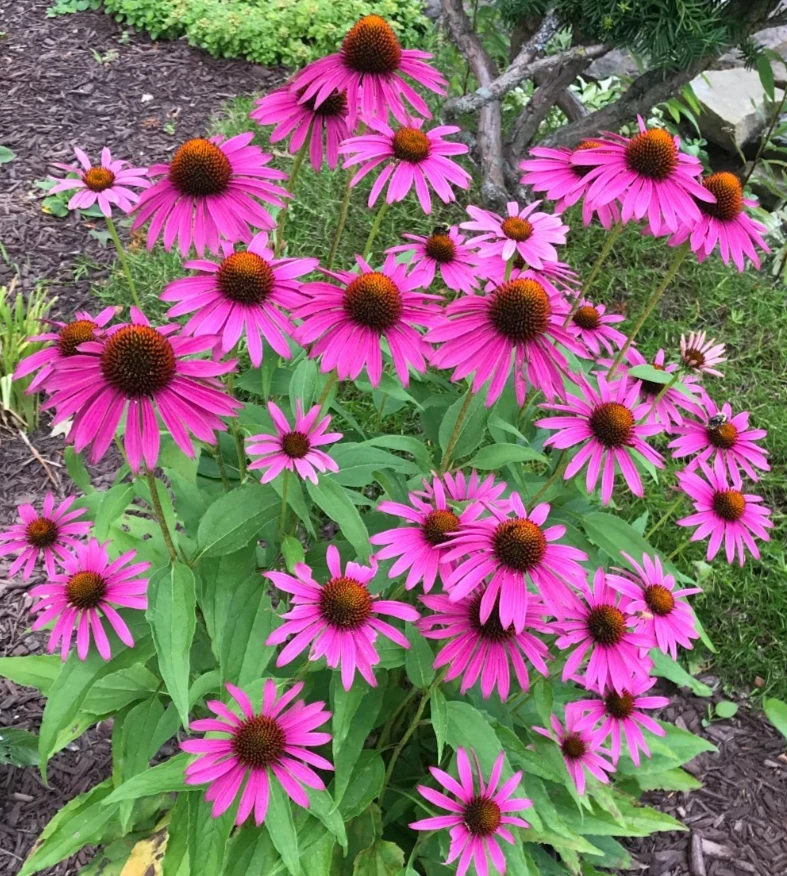
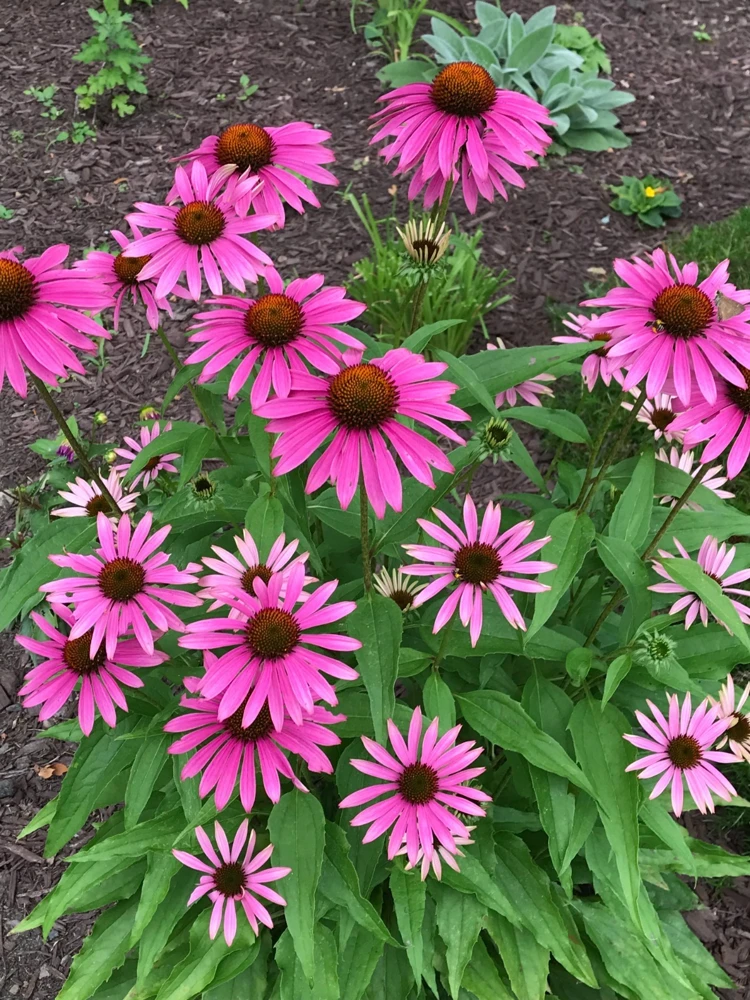
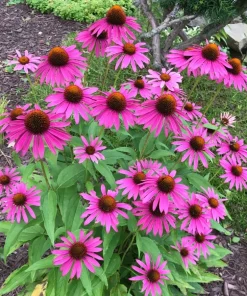
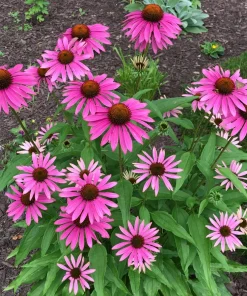
Purple Coneflower Seeds – 1000 Pack, Echinacea Purpurea, Perennial Flower Seeds, Outdoor
Original price was: $15.00.$5.99Current price is: $5.99.
Cultivate a vibrant garden with our premium purple coneflower seeds. This generous pack contains 1000 seeds of Echinacea purpurea seeds, perfect for creating stunning perennial displays. Enjoy their iconic purple blooms and attract pollinators to your outdoor space with these easy-to-grow flower seeds.
Estimated arrival
Oct 10
Oct 15 - Oct 17
Oct 20 - Oct 24
Shop With Confidence
30-Day Plant Health Guarantee
Arrives damaged? We’ll replace it free — see our return policy.
Responsive Support
Email us anytime, we reply within 1 business day.
Expert Packaging
Temperature-controlled shipping to protect your plants in transit.
Secure Checkout
Pay safely with Visa, Mastercard, PayPal.
Plant Specifications
-
USDA Hardiness Zone
USDA zones 3-9 -
Soil Type
Well-draining soil (Chalk, Clay, Loam, Peat, Sand, Silt) -
Sunlight Exposure
Full Sun to Partial Shade -
Expected Planting Period
Early Spring or Late Fall
Overview
Transform your garden into a pollinator paradise with our premium purple coneflower seeds. This generous pack contains 1000 high-quality seeds of Echinacea purpurea, allowing you to cultivate a stunning display of these iconic perennial flowers. Known for their distinctive daisy-like blooms with prominent central cones and rich purple petals, coneflowers are a beloved choice for gardeners seeking both beauty and ecological benefits. These resilient plants are native to North America and are celebrated for their hardiness and ability to thrive in a variety of conditions. Whether you’re creating a new flower bed, enhancing an existing border, or planning a wildflower meadow, these coneflower seeds provide an excellent foundation for a vibrant and low-maintenance landscape. Grow your own beautiful coneflowers and enjoy their charm from summer through fall.
Our Echinacea purpurea seeds are carefully selected to ensure high germination rates, giving you the best start for a thriving garden. These seeds are perfect for both experienced gardeners and beginners, as coneflowers are known for their ease of cultivation. Expect strong, healthy plants that will return year after year, providing continuous beauty and supporting local wildlife. Embrace the joy of gardening with these reliable and visually striking flower seeds.
Key Benefits
Planting purple coneflower seeds offers a multitude of advantages for your garden and the local ecosystem. These beautiful perennials are more than just a pretty face; they bring resilience and life to any outdoor setting.
- Attracts Pollinators: Coneflowers are a magnet for bees, butterflies, and other beneficial insects, making your garden a haven for local wildlife. By planting these seeds, you contribute to biodiversity and support essential pollination processes.
- Drought Tolerant: Once established, coneflowers are remarkably drought-tolerant, requiring less water than many other flowering plants. This makes them an excellent choice for xeriscaping or gardens in drier climates, reducing water consumption.
- Long Blooming Season: Enjoy a continuous display of vibrant purple flowers from early summer well into fall. Their extended bloom time ensures your garden remains colorful and lively for months, providing sustained visual interest.
- Low Maintenance: These hardy perennials are incredibly easy to care for. They require minimal intervention once established, making them perfect for busy gardeners or those new to gardening. Just plant your coneflower seeds and watch them flourish.
- Versatile Garden Use: Purple coneflowers fit beautifully into various garden styles, from formal perennial borders to informal cottage gardens and naturalized wildflower meadows. Their upright habit and cheerful blooms complement a wide range of other plants.
- Deer Resistant: While no plant is entirely deer-proof, coneflowers are generally considered deer-resistant, meaning they are less likely to be browsed by deer compared to many other garden favorites.
- Winter Interest: Even after the blooms fade, the dried seed heads provide architectural interest in the winter landscape and offer a food source for birds, extending their value beyond the growing season.
Plant Care & Growing Tips
Growing purple coneflower seeds is a rewarding experience, as these plants are quite forgiving and resilient. To ensure your coneflowers thrive, providing them with the right conditions from the start is key. Begin by sowing the seeds directly outdoors in late fall or early spring after the danger of frost has passed. For earlier blooms, you can start the seeds indoors 6-8 weeks before the last frost date. Plant seeds about 1/4 inch deep and 12-18 inches apart. Ensure the soil is consistently moist until germination, which typically takes 10-20 days. Once seedlings emerge, thin them to their final spacing.
Coneflowers prefer a location with full sun, meaning at least 6 hours of direct sunlight per day. While they can tolerate partial shade, too much shade can lead to leggy growth and fewer blooms. They are adaptable to a wide range of soil types, but ideally, they prefer well-draining soil. Avoid heavy clay soils that retain too much moisture, as this can lead to root rot. A neutral to slightly alkaline soil pH is generally preferred. Once established, coneflowers are quite drought-tolerant, but they will perform best with regular watering during prolonged dry spells, especially during their first year of growth. Water deeply but infrequently, allowing the top inch or two of soil to dry out between waterings.
Fertilization is generally not heavily required for coneflowers. If your soil is poor, you can amend it with some compost or a balanced slow-release fertilizer in the spring. Deadheading spent blooms will encourage more flowers and prevent self-seeding if you want to control their spread. In late fall, you can leave the spent flower heads for winter interest and to provide food for birds, or cut them back for a tidier appearance. These perennial plants are quite hardy and generally pest and disease resistant. Learning how to grow coneflowers successfully mostly involves providing adequate sun and well-drained soil.
Size & Details
This product includes 1000 purple coneflower seeds, providing an abundant supply for creating extensive garden displays or sharing with fellow gardening enthusiasts. Each seed packet contains viable Echinacea purpurea seeds, ready for planting. Once mature, purple coneflowers typically grow to a height of 2 to 4 feet (60-120 cm) with a spread of 1 to 2 feet (30-60 cm), forming attractive clumping habits. They produce large, showy purple-pink flowers, often 3-5 inches (7-12 cm) in diameter, with a distinct spiky central cone. These plants are known for their strong, upright stems, making them excellent for cut flower arrangements.
The growth rate of coneflowers is moderate; they establish well in their first year and produce more abundant blooms in subsequent seasons as they become more established. Flowering typically begins in early to mid-summer and continues through fall, providing several months of vibrant color. These perennial flower seeds will produce plants that return year after year, establishing a long-lasting presence in your garden. They are shipped as dry seeds, ensuring easy storage and planting at your convenience.
Frequently Asked Questions
- Q: How big do purple coneflower plants get? A: Mature purple coneflower plants typically reach a height of 2 to 4 feet tall and spread about 1 to 2 feet wide. Their size can vary slightly depending on growing conditions and specific cultivar, but they generally form substantial, upright clumps.
- Q: Is this an indoor or outdoor plant? A: Purple coneflowers are primarily outdoor plants. They thrive in garden beds, borders, and naturalized areas where they can receive ample sunlight and have space to grow. While they can be grown in very large containers, they are not typically grown indoors.
- Q: How much sunlight do these coneflower seeds need? A: For optimal growth and abundant blooms, coneflower seeds should be planted in an area that receives full sun, meaning at least 6 hours of direct sunlight per day. They can tolerate some partial shade, but flowering may be reduced.
- Q: Is this plant easy to care for? A: Yes, purple coneflowers are considered very easy to care for, making them an excellent choice for beginners and experienced gardeners alike. Once established, they are drought-tolerant, require minimal fertilization, and are generally pest and disease resistant.
- Q: What condition will the seeds arrive in? A: Your echinacea purpurea seeds will arrive as dry, viable seeds in a protective packet. They are ready for immediate planting or can be stored in a cool, dry place for future use according to the provided instructions.
- Q: How long until coneflowers bloom from seed? A: When grown from perennial flower seeds, coneflowers typically establish their root system in the first year and may produce a few blooms. More abundant flowering usually occurs in their second year and beyond. Starting seeds indoors can sometimes lead to earlier first-year blooms.
- Q: What’s the best time to plant purple coneflower seeds? A: You can sow purple coneflower seeds directly outdoors in late fall for natural stratification over winter, or in early spring after the last frost. For an earlier start, seeds can be started indoors 6-8 weeks before your last expected frost date.
- Q: Will purple coneflowers survive winter in my zone? A: Yes, purple coneflowers are hardy perennials, typically thriving in USDA Zones 3-9. They are well-adapted to cold winters and will return each spring in these zones, making them a reliable long-term addition to your garden.
Be the first to review “Purple Coneflower Seeds – 1000 Pack, Echinacea Purpurea, Perennial Flower Seeds, Outdoor”
People Also Viewed
Uncategorized
Vegetable Seeds
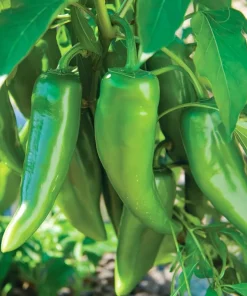
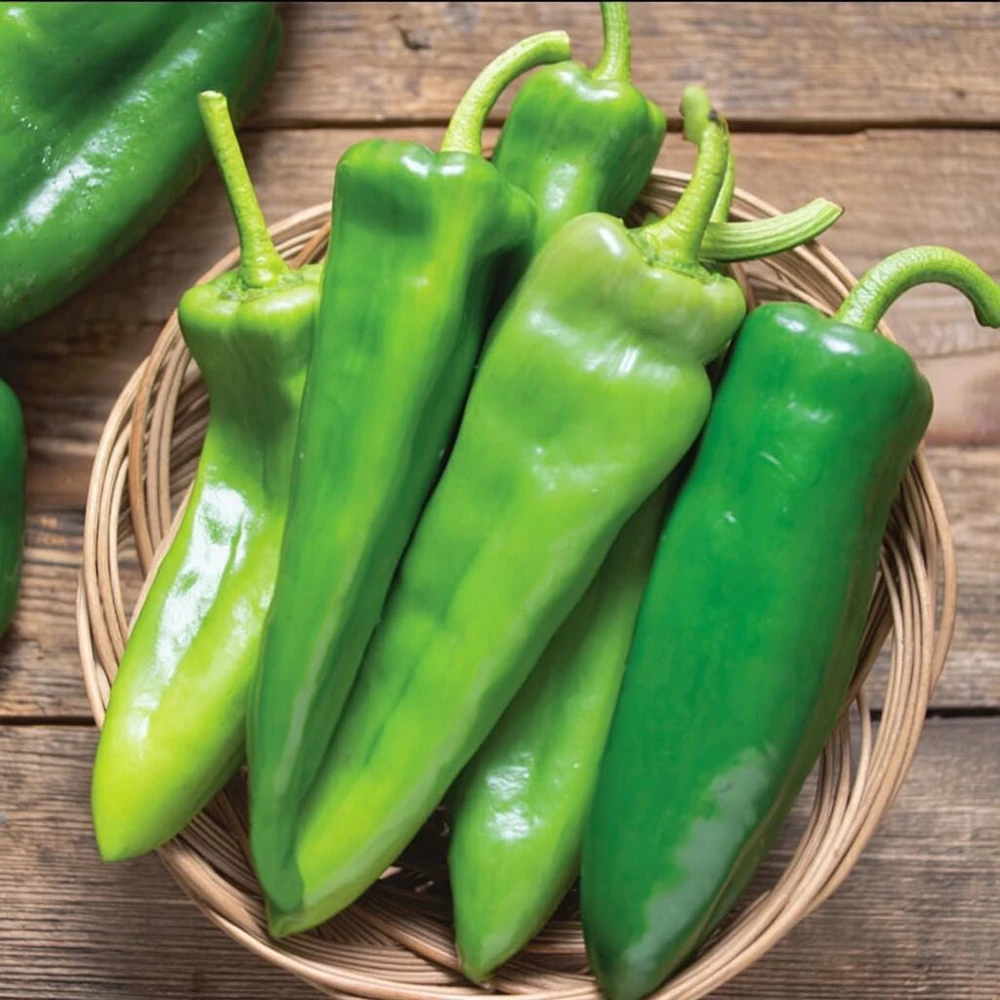
Anaheim Chili Pepper Seeds – 25 Seed Pack for Gardens & Cooking
Reviews
There are no reviews yet.