

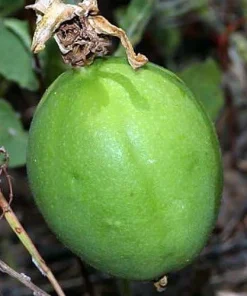
Maypop Passion Flower Live Plant – Passiflora incarnata – 4 inch Pot – Hardy Outdoor Vine
Original price was: $51.99.$41.99Current price is: $41.99.
Bring the exotic beauty of the Maypop Passion Flower (Passiflora incarnata) to your garden. This hardy native vine produces stunning purple and white flowers and delicious, succulent fruit. Perfect for adding a tropical touch to outdoor spaces, growing in zones 6-9.
Estimated arrival
Sep 29
Oct 04 - Oct 06
Oct 09 - Oct 13
Shop With Confidence
30-Day Plant Health Guarantee
Arrives damaged? We’ll replace it free — see our return policy.
Responsive Support
Email us anytime, we reply within 1 business day.
Expert Packaging
Temperature-controlled shipping to protect your plants in transit.
Secure Checkout
Pay safely with Visa, Mastercard, PayPal.
Plant Specifications
-
USDA Hardiness Zone
Zones 6-9 -
Soil Type
Well-draining soil -
Sunlight Exposure
Full sun -
Expected Planting Period
Spring to early summer
Overview
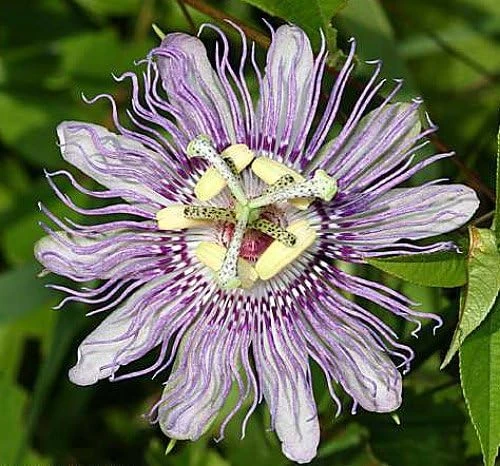
Introduce a touch of exotic beauty and native charm to your garden with the Maypop Passion Flower (Passiflora incarnata). This remarkable live plant, also known as Purple Passionflower, Wild Apricot, or Maypop, is a hardy perennial vine native to the southeastern United States. Renowned for its intricate and fragrant flowers, the Maypop Passion Flower boasts three-inch wide, creamy pink to light purple petals in a fully banded corolla, appearing throughout the summer months. Beyond its ornamental appeal, this vine also produces succulent, edible fruit, adding a unique culinary dimension to your landscape. It’s an excellent choice for gardeners looking for a vigorous, fast-growing vine that offers both visual splendor and a harvest.
The Passiflora incarnata is notably the hardiest of all passion flowers, capable of thriving as far north as New England, making it accessible to a wide range of climates. It’s a fantastic option for creating natural privacy screens, covering arbors, or simply adding vertical interest with its climbing habit. Each Maypop Passion Flower plant comes ready to establish in your garden, offering a unique blend of resilience and tropical allure. Its ability to attract pollinators like butterflies and bees further enhances its value as a vibrant addition to any ecosystem-friendly garden.
Key Benefits
The Maypop Passion Flower offers a multitude of benefits, making it a highly desirable plant for various garden settings. From its stunning visual appeal to its ecological contributions, this vine is a true garden asset:
-
Stunning Ornamental Blooms: Enjoy intricate, fragrant purple and white flowers that provide a continuous display of beauty throughout the summer. These unique blossoms are a conversation starter and add an exotic flair to any outdoor space.
-
Edible Fruit Production: In addition to its beautiful flowers, the Passiflora incarnata produces delicious, succulent fruit. This offers a rewarding harvest for gardeners and a unique flavor experience when cross-pollinated with another hardy passion flower.
-
Exceptional Hardiness: As one of the hardiest passion flower varieties, the Maypop Passion Flower thrives in USDA Zones 6-9, making it suitable for a broad range of climates where other passion flowers might not survive.
-
Native Plant Advantage: Being a native North American species, this vine is well-adapted to local conditions, requiring less intervention once established and supporting local wildlife. It’s a vital component of a sustainable garden.
-
Attracts Pollinators: The vibrant flowers are a magnet for bees, butterflies, and other beneficial pollinators, contributing to the biodiversity and health of your garden ecosystem. This makes it an excellent choice for a pollinator garden.
-
Versatile Landscape Use: Its vigorous climbing habit makes it ideal for covering fences, trellises, pergolas, or arbors, providing natural shade and privacy. The hardy passion flower can quickly transform an ordinary structure into a lush, flowering focal point.
-
Low Maintenance Once Established: Once settled, this vine is relatively easy to care for, requiring minimal attention beyond basic watering and occasional pruning. This makes the Maypop Passion Flower a great option for both experienced and novice gardeners.
Plant Care & Growing Tips
Caring for your Maypop Passion Flower is relatively straightforward, especially given its hardy nature. To ensure optimal growth and abundant blooms, understanding its basic needs is key. This vine thrives in full sun, meaning it requires at least 6-8 hours of direct sunlight per day. While it can tolerate partial shade, too little sun may result in fewer flowers and reduced fruit production. When planting, choose a location with well-draining soil. Passiflora incarnata prefers a slightly acidic to neutral soil pH. Amending heavy clay soils with organic matter can improve drainage and aeration, which is crucial for root health.
Watering should be consistent, especially during dry periods and when the plant is establishing. Aim for about 1 inch of water per week, either from rainfall or irrigation. Once established, the Maypop Passion Flower becomes more drought-tolerant but will perform best with regular moisture. Fertilize in spring with a balanced, all-purpose fertilizer to encourage vigorous growth and flowering. Avoid high-nitrogen fertilizers, which can promote foliage at the expense of blooms. Pruning can be done in late winter or early spring to manage its size, encourage bushier growth, and remove any dead or damaged stems. This also helps improve air circulation and light penetration, contributing to overall plant health. For those wondering how to grow a native passion flower successfully, providing a sturdy support structure like a trellis or fence is essential for its climbing habit.
The hardy passion flower is generally resistant to most pests and diseases, but occasional issues like aphids or spider mites can occur. These can usually be managed with insecticidal soap or by introducing beneficial insects. In colder regions within its hardiness zones, applying a layer of mulch around the base of the plant in late fall can help protect the roots from freezing temperatures. Remember that for fruit production, cross-pollination with another Passiflora incarnata plant is necessary, so consider planting more than one vine for a bountiful harvest of edible passion fruit vine.
Size & Details
The Maypop Passion Flower (Passiflora incarnata) is a vigorous climbing vine that typically reaches a mature height of 8-12 feet, though it can grow even longer in ideal conditions. Its spread can be quite extensive as it twines around supports. Each plant is provided in a 4-inch nursery pot, ensuring a healthy root system ready for planting. The plant will arrive as a young, actively growing specimen, ready to establish itself in your garden. Growth rate is considered fast, allowing it to quickly cover trellises, fences, or arbors within a single growing season.
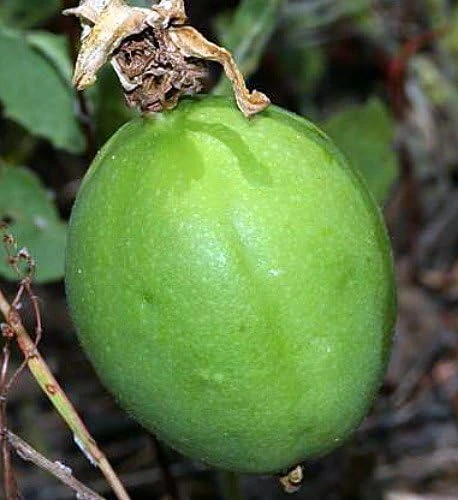
This hardy passion flower is suitable for USDA Hardiness Zones 6-9, meaning it can tolerate winter temperatures down to -10°F (-23°C) with proper care and mulching in the colder parts of its range. The attractive purple and white flowers typically appear from early summer through fall, followed by the development of the distinctive maypop fruit. While fruit production can begin in the first year, a more substantial harvest is usually observed in subsequent years as the vine matures. This native passion flower is a long-lived perennial, providing years of beauty and delicious fruit.
Frequently Asked Questions
- Q: How big does this plant get? A: The Maypop Passion Flower is a vigorous vine that typically reaches 8-12 feet in height, but it can grow even longer if given adequate support and favorable conditions. Its spread can be significant as it climbs.
- Q: What size pot does it come in? A: Each Maypop Passion Flower live plant is shipped in a 4-inch nursery pot, providing a well-established root system for successful transplanting into your garden.
- Q: Is this an indoor or outdoor plant? A: The Maypop Passion Flower (Passiflora incarnata) is primarily an outdoor plant. It is a hardy vine that thrives in full sun and is suitable for USDA Zones 6-9. While it can be grown in containers, it generally performs best directly in the ground.
- Q: How much sunlight does it need? A: This hardy passion flower requires full sun, meaning at least 6-8 hours of direct sunlight per day, for optimal growth, flowering, and fruit production.
- Q: Is this plant easy to care for? A: Yes, once established, the Maypop Passion Flower is relatively easy to care for. It’s a low-maintenance vine that tolerates a range of soil conditions as long as they are well-draining.
- Q: What condition will it arrive in? A: Your Maypop Passion Flower will arrive as a healthy, actively growing live plant in its nursery pot, carefully packaged to ensure its safe journey.
- Q: Can I use the fruit of the Maypop Passion Flower? A: Yes, the fruit of the Passiflora incarnata is edible and has a unique, sweet-tart flavor. For best fruit production, it needs to be cross-pollinated with another hardy passion flower plant.
- Q: How long until it blooms and produces fruit? A: The Maypop Passion Flower typically begins to bloom in early summer, and fruit will follow. You may see some blooms and fruit in its first year, with more abundant production in subsequent years as the vine matures.
- Q: Will it survive winter in my zone? A: This native passion flower is hardy in USDA Zones 6-9. In colder parts of this range, mulching the base of the plant in fall can provide extra protection for the roots, allowing it to return reliably each spring.
- Q: What type of soil does it prefer? A: The Maypop Passion Flower prefers well-draining soil. It can adapt to various soil types, but good drainage is crucial to prevent root rot.
Be the first to review “Maypop Passion Flower Live Plant – Passiflora incarnata – 4 inch Pot – Hardy Outdoor Vine”
People Also Viewed
Vegetable Seeds
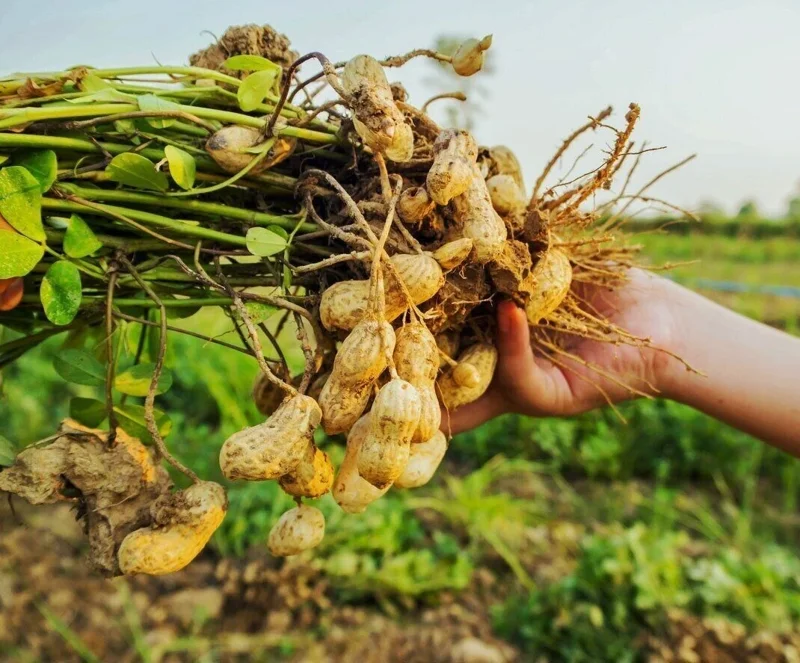
Organic Heirloom Ukrainian Red Valencia Peanut Seeds – 50+ Seeds – Grow Your Own Peanuts
Vines
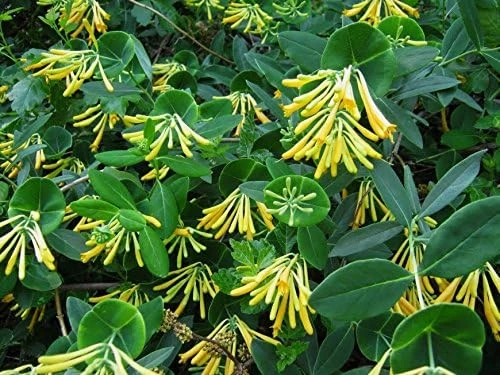
John Clayton Climbing Honeysuckle Vine – Lonicera Live Plant – 2.5″ Pot – Fragrant Yellow Blooms
Reviews
There are no reviews yet.