
5 Forsythia Bush Live Plants 12-24″ Tall – Quart Pot – Hardy Outdoor Shrub
Original price was: $131.99.$106.99Current price is: $106.99.
Enhance your landscape with this pack of 5 Forsythia bush live plants, each 12-24 inches tall in a quart pot. Known for their vibrant yellow spring blooms and rapid growth, these hardy forsythia shrubs are perfect for creating hedges, borders, or privacy screens. Enjoy a low-maintenance, beautiful addition to your garden.
Estimated arrival
Sep 29
Oct 04 - Oct 06
Oct 09 - Oct 13
Shop With Confidence
30-Day Plant Health Guarantee
Arrives damaged? We’ll replace it free — see our return policy.
Responsive Support
Email us anytime, we reply within 1 business day.
Expert Packaging
Temperature-controlled shipping to protect your plants in transit.
Secure Checkout
Pay safely with Visa, Mastercard, PayPal.
Plant Specifications
-
USDA Hardiness Zone
USDA Zones 5-8 -
Soil Type
Well-draining soil -
Sunlight Exposure
Full sun to partial shade -
Expected Planting Period
Early spring to fall
Overview
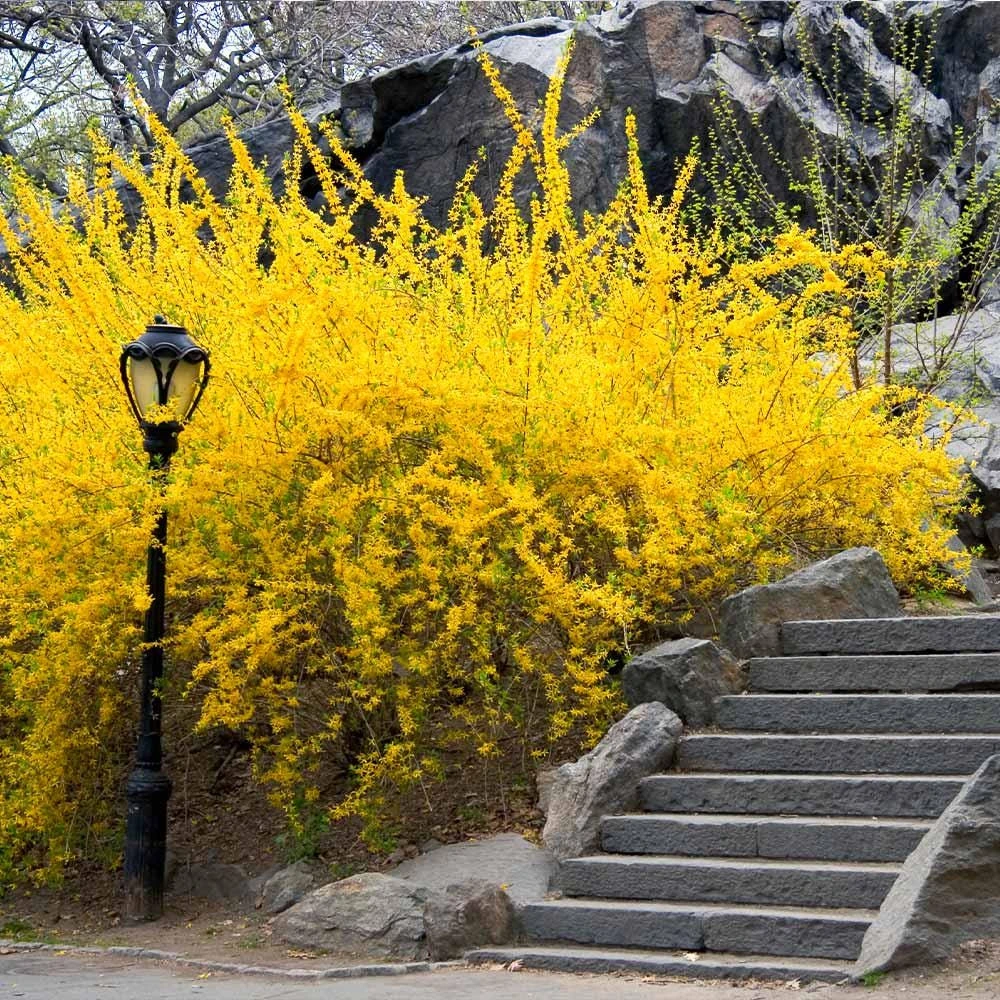
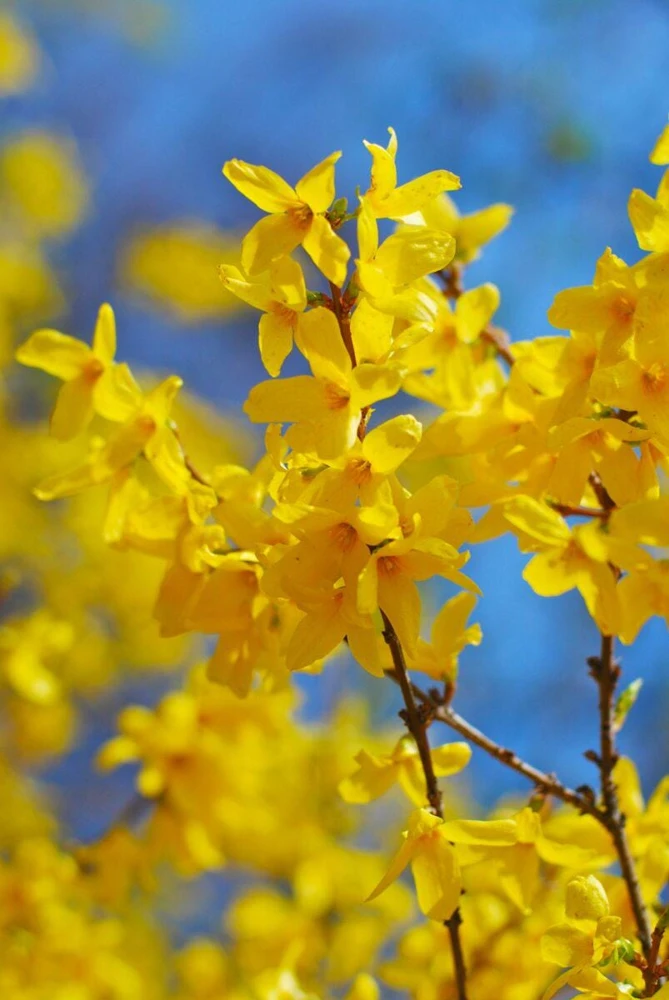
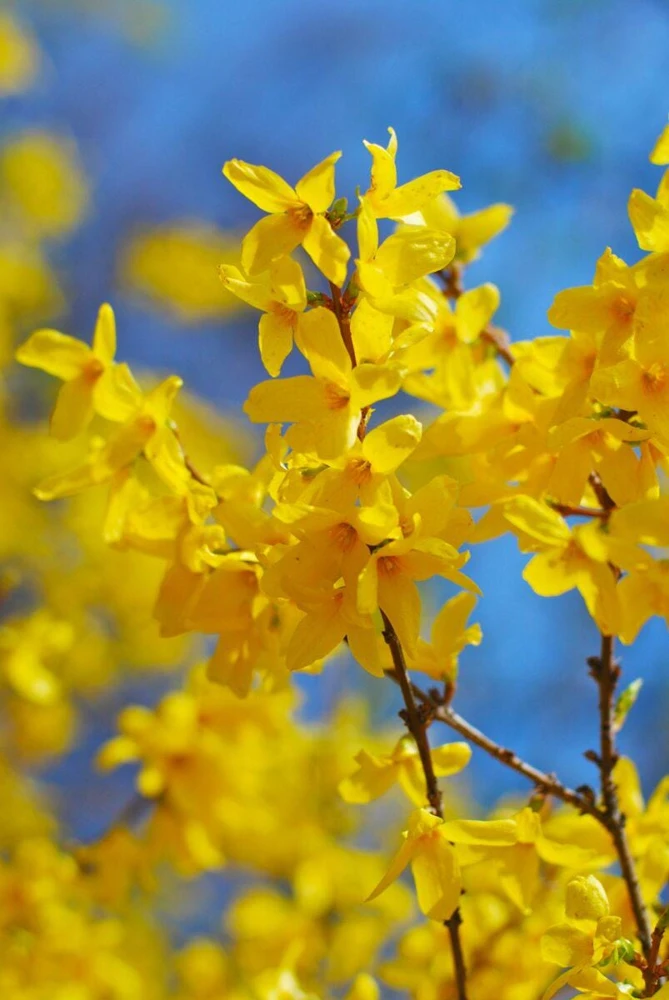
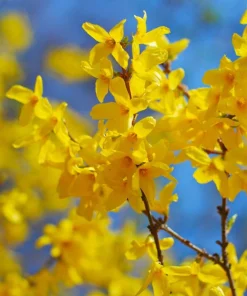
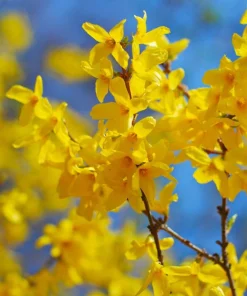
Introduce a burst of early spring color to your garden with this offering of 5 Forsythia bush live plant specimens. Each plant arrives as a healthy starter, measuring 12-24 inches tall and potted in a convenient quart container, ready for transplanting. Forsythia (Forsythia × intermedia) is a beloved deciduous shrub, celebrated for its spectacular display of bright yellow, trumpet-shaped flowers that emerge profusely on bare branches before its leaves appear. This vibrant spectacle signals the end of winter and the arrival of warmer weather, making it a highly anticipated feature in any landscape. Our Forsythia bush live plant selection provides an excellent foundation for creating stunning visual impact and adding structure to your outdoor spaces. These plants are well-suited for a variety of garden designs, from formal hedges to informal borders, and are known for their robust nature and ease of cultivation.
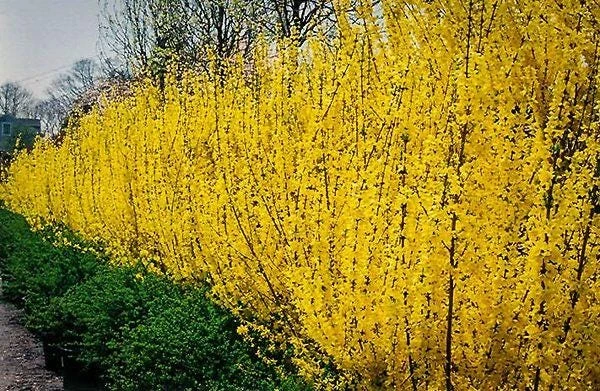
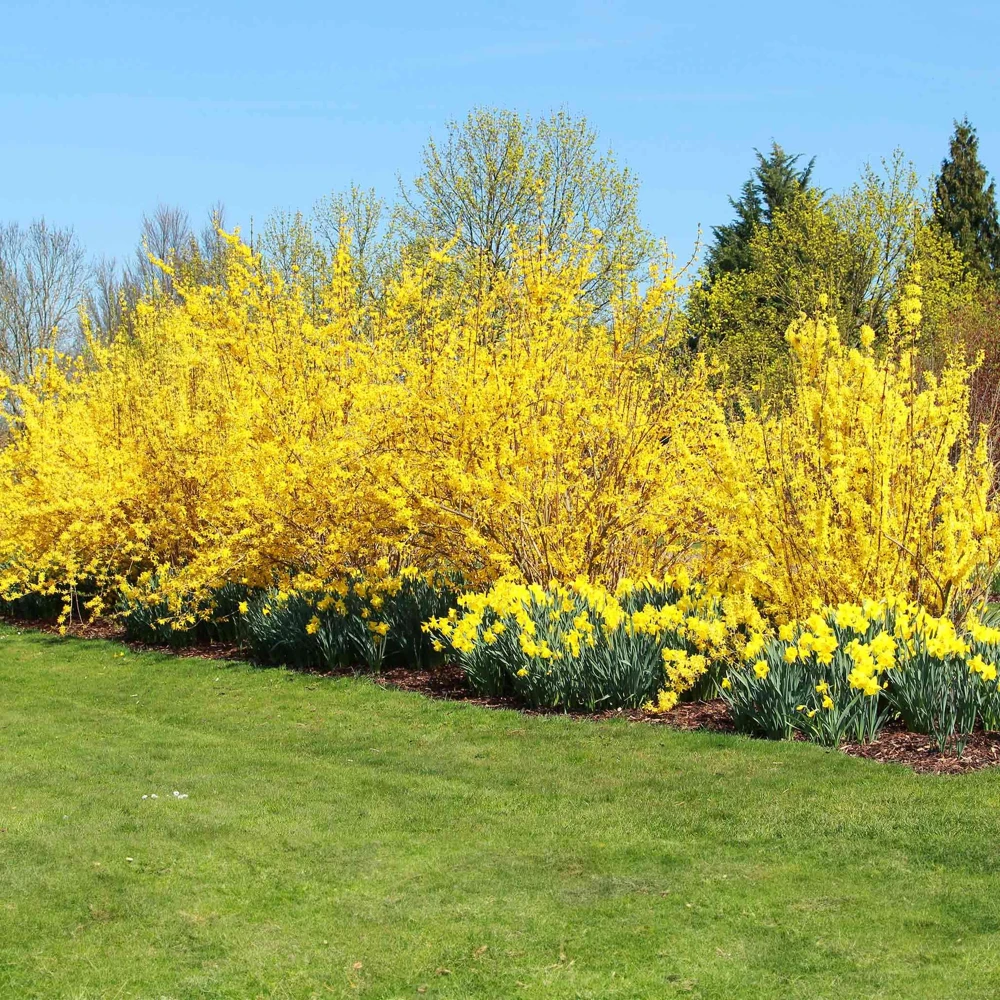
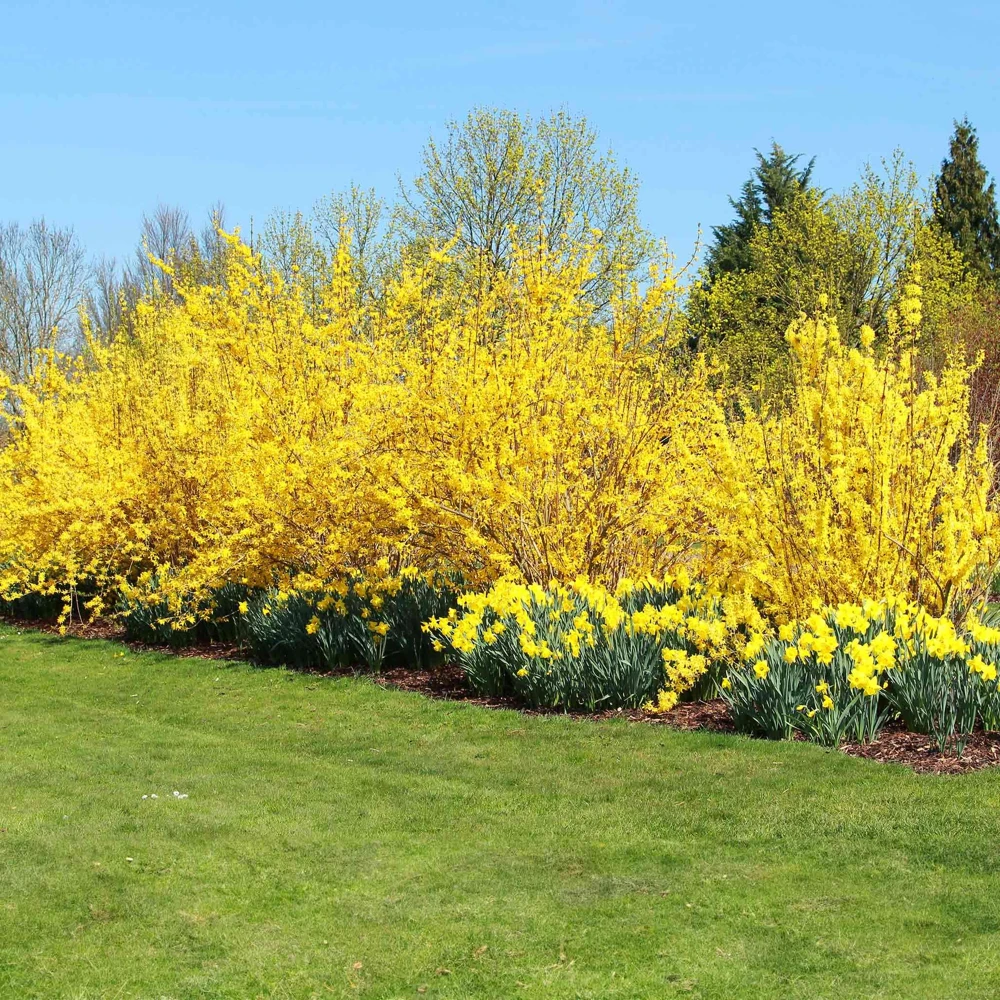
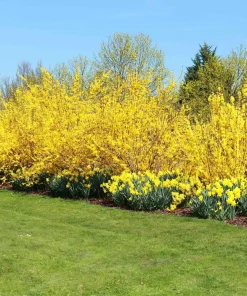
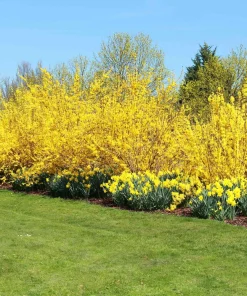
The hardy forsythia shrub is a fast-growing plant, quickly establishing itself to provide privacy, erosion control, or simply a magnificent floral show. Its adaptability to different soil types and climates makes it a popular choice for gardeners across many regions. When fully mature, these shrubs can reach an impressive height of 7-12 feet and spread 5-6 feet wide, forming a dense and attractive screen. Whether you’re looking to define property lines, block unsightly views, or add a dramatic splash of color, the yellow forsythia plant is an outstanding choice that delivers consistent beauty year after year with minimal fuss.
Key Benefits
Choosing the Forsythia bush live plant for your garden brings a multitude of advantages, enhancing both the aesthetic and ecological value of your outdoor environment. These benefits make it a standout choice for both novice and experienced gardeners:
- Spectacular Early Spring Blooms: The most striking feature of the Forsythia bush live plant is its profusion of bright yellow flowers that herald the arrival of spring. These blooms appear before the leaves, creating a stunning visual impact when much of the garden is still dormant.
- Rapid Growth for Quick Impact: As a fast growing hedge plant, Forsythia quickly establishes itself and adds significant size, making it ideal for gardeners who desire prompt results for privacy screens, borders, or landscape enhancements.
- Exceptional Hardiness and Adaptability: This hardy forsythia shrub is incredibly resilient, tolerating a wide range of soil conditions and temperatures. It’s a robust choice that thrives in many climates and requires little specialized care once established.
- Low Maintenance and Easy Care: Forsythia is known for being a very low-maintenance plant. It generally requires minimal pruning, is disease-resistant, and can tolerate periods of drought, making it perfect for busy gardeners or those new to landscaping.
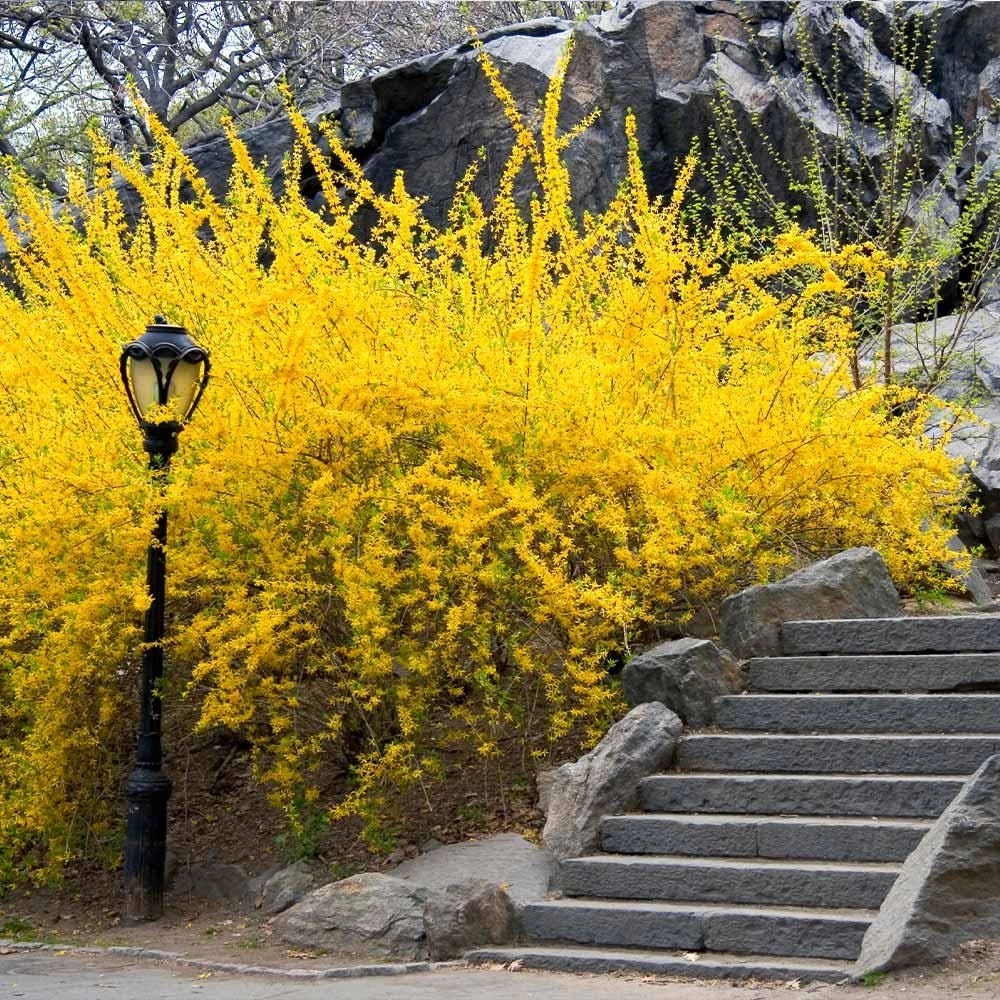
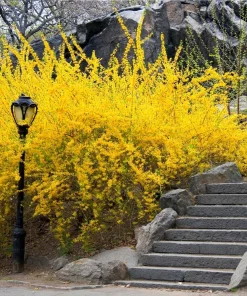
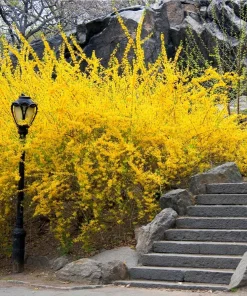
- Versatile Landscape Use: The versatility of the yellow forsythia plant allows it to be used in various settings, including as a standalone specimen, in mixed borders, for mass plantings, or as an effective solution for erosion control on slopes.
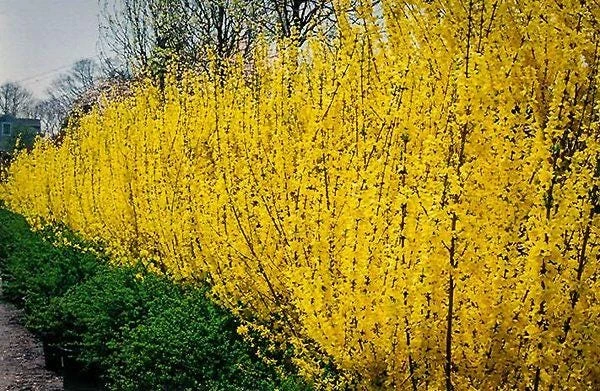
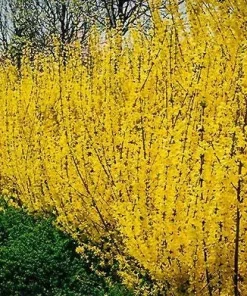
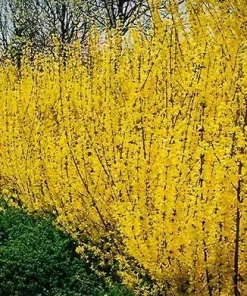
- Effective Privacy Screen: Due to its dense growth habit and ability to reach significant height and width, Forsythia is an excellent choice for creating a natural and attractive privacy screen or boundary hedge.
- Attracts Pollinators: While not a primary pollinator plant, the early blooms of Forsythia can provide an important nectar source for early emerging bees and other beneficial insects, contributing to garden biodiversity.
Plant Care & Growing Tips
Caring for your Forsythia bush live plant is relatively straightforward, making it an excellent choice for gardeners of all skill levels. To ensure your hardy forsythia shrub thrives and produces its iconic vibrant blooms, follow these essential care guidelines. Forsythia prefers a location that receives full sun, meaning at least 6 hours of direct sunlight per day. While it can tolerate partial shade, too little sun will result in fewer flowers and a less dense growth habit. Good air circulation is also beneficial to prevent fungal issues. When planting, ensure the soil is well-draining. Forsythia is adaptable to various soil types, including clay, loam, and sandy soils, but it does not tolerate consistently wet or waterlogged conditions, which can lead to root rot. Amending heavy clay soils with organic matter like compost can improve drainage and provide essential nutrients.
Watering is crucial, especially during the first growing season, to help establish the root system. Water deeply and regularly, about once or twice a week, or more frequently during hot, dry periods. Once established, Forsythia is quite drought-tolerant and will only require supplemental watering during extended dry spells. Fertilization is generally not heavily required for a yellow forsythia plant. If your soil is poor, a balanced, slow-release granular fertilizer applied in early spring can promote healthy growth. Avoid over-fertilizing, especially with high-nitrogen fertilizers, as this can encourage leafy growth at the expense of flowers. Pruning is best done immediately after flowering in late spring. This allows the plant to set new flower buds for the following year. Remove any dead, damaged, or crossing branches. For rejuvenation, you can cut back one-third of the oldest stems to the ground each year over a three-year period. This encourages new, vigorous growth and more abundant blooms, ensuring your forsythia care tips lead to a spectacular display.
Forsythia is hardy in USDA zones 5-8, tolerating winter temperatures down to -20°F (-29°C). In colder zones, some tip dieback may occur, but the plant typically recovers well in spring. Pests and diseases are rarely a significant problem for this resilient shrub, though occasional leaf spot or canker may appear, particularly in stressed plants. Proper cultural practices, such as adequate sunlight and good drainage, are the best preventative measures. By following these simple forsythia care tips, your Forsythia bush live plant will provide years of vibrant, cheerful beauty to your landscape.
Size & Details
This offering includes 5 Forsythia bush live plant specimens, each carefully nurtured to a robust starter size of 12-24 inches in height. These plants are supplied in quart-sized pots, providing a healthy root ball for successful transplanting into your garden. Forsythia is renowned for its vigorous growth rate, often adding 2-3 feet of growth per year once established, making it an excellent choice for a fast growing hedge plant. Upon maturity, these shrubs typically reach an impressive stature of 7-12 feet tall and spread 5-6 feet wide, creating a dense and impactful presence in the landscape. The ultimate size can vary slightly depending on growing conditions, pruning practices, and regional climate, but with proper care, you can expect a substantial and beautiful shrub.
The plants are deciduous, meaning they will shed their leaves in the fall and remain bare through winter, only to explode with yellow forsythia plant blooms in early spring. This characteristic makes their early flowering even more dramatic against the stark winter landscape. While these are starter plants, their rapid growth ensures they will quickly fill out and begin to provide significant visual interest and privacy within a few seasons. They are shipped as live, actively growing plants, ready to be integrated into your garden design and begin their journey to becoming magnificent, mature shrubs.
Frequently Asked Questions
- Q: How big does this Forsythia bush live plant get? A: A: These starter plants are 12-24 inches tall. When mature, a hardy forsythia shrub typically grows 7-12 feet tall and spreads 5-6 feet wide, forming a dense and beautiful screen.
- Q: What size pot does it come in? A: Each of the 5 Forsythia bush live plant specimens is shipped in a quart-sized nursery pot, providing a healthy root system ready for planting.
- Q: Is this an indoor or outdoor plant? A: Forsythia is an outdoor plant, best suited for landscape use. It requires full sun and sufficient space to grow to its mature size.
- Q: How much sunlight does it need? A: The yellow forsythia plant thrives in full sun, requiring at least 6 hours of direct sunlight per day for optimal growth and abundant flowering. It can tolerate partial shade, but blooming may be reduced.
- Q: Is this plant easy to care for? A: Yes, Forsythia is known for being a very low-maintenance and hardy forsythia shrub. It’s adaptable to various conditions and generally resistant to pests and diseases, making it excellent for beginners.
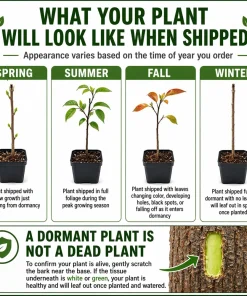
- Q: What condition will it arrive in? A: Your Forsythia bush live plant will arrive as healthy, actively growing starter plants, carefully packaged to ensure their safe journey from our nursery to your garden.
- Q: When is the best time to plant a Forsythia bush live plant? A: The best time to plant Forsythia is in early spring or fall when temperatures are moderate. This allows the plant to establish its root system before extreme heat or cold.
- Q: How long until it blooms? A: While these are starter plants, established Forsythia typically blooms in early spring, often in March or April, depending on your climate zone. You may see some blooms in the first year after planting, with more abundant flowering in subsequent years.
- Q: Will it survive winter in my zone? A: Forsythia is a very hardy forsythia shrub and is generally hardy in USDA zones 5-8. It can tolerate winter temperatures down to -20°F (-29°C), though some tip dieback might occur in the colder parts of its range.
- Q: What are some good forsythia care tips for pruning? A: Prune your Forsythia bush live plant immediately after it finishes flowering in late spring. This allows the plant to develop new growth that will produce next year’s flowers. You can selectively remove old, woody stems to the ground to encourage new growth.
- Q: Can I use it as a fast growing hedge plant? A: Absolutely! Forsythia’s rapid growth and dense habit make it an ideal choice for creating a quick and effective privacy hedge or border.
Be the first to review “5 Forsythia Bush Live Plants 12-24″ Tall – Quart Pot – Hardy Outdoor Shrub”
People Also Viewed
Flower Seeds
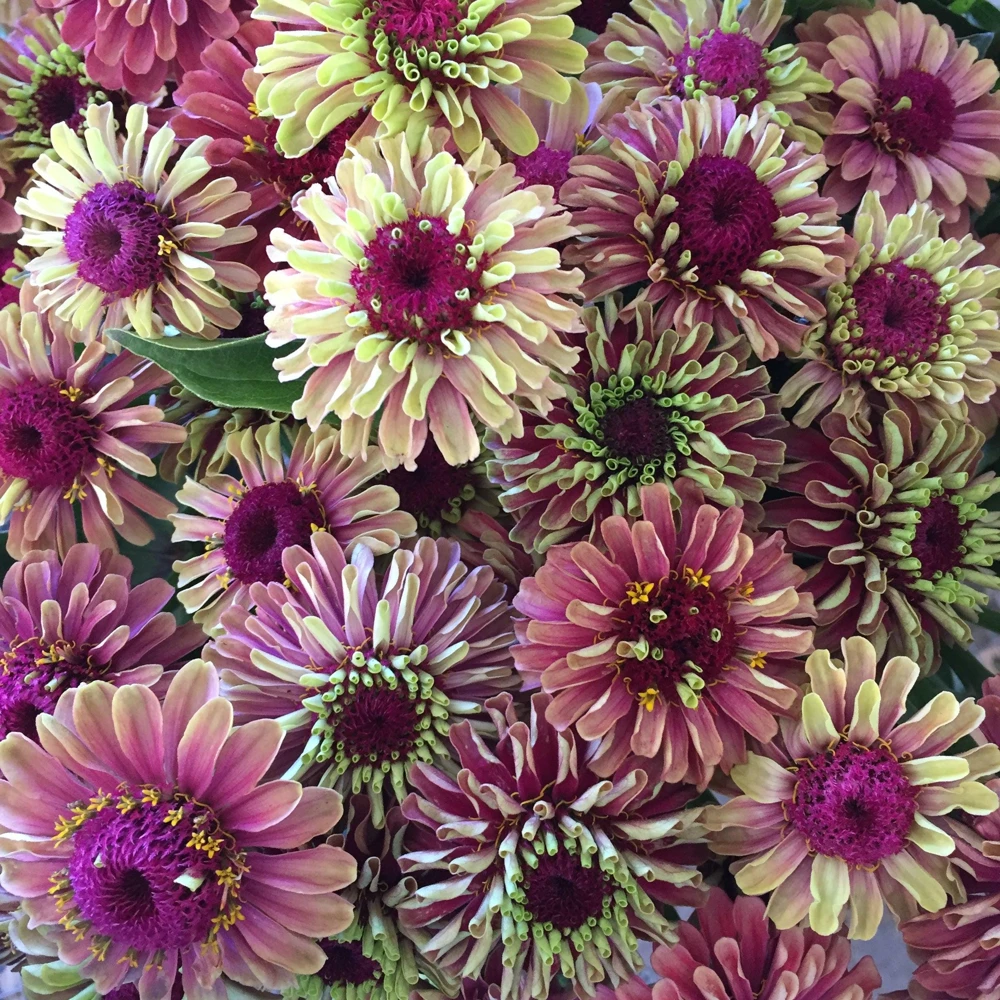
20 Organic Queeny Lime Mix Zinnia Elegans Seeds – Mixed Colors Red Orange Yellow Pink Green

Reviews
There are no reviews yet.