

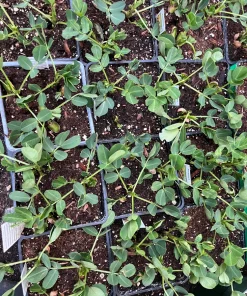
Peanut Live Plant – 3 Non-GMO Organic Plants in 4 inch Pot – Edible Groundnut
Original price was: $55.99.$35.99Current price is: $35.99.
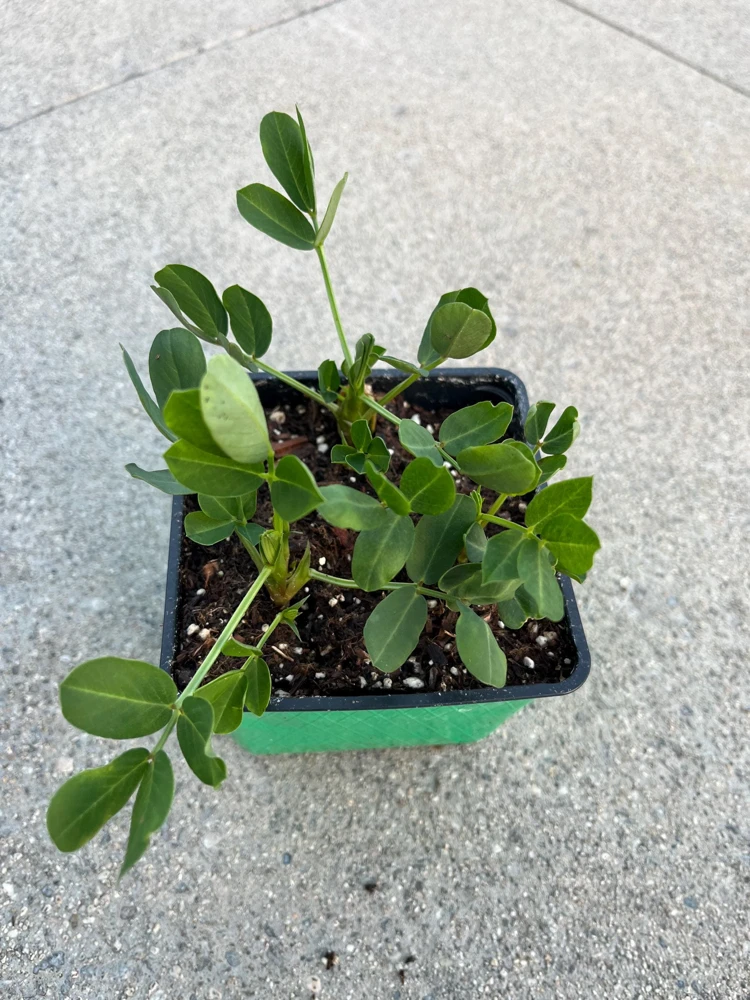
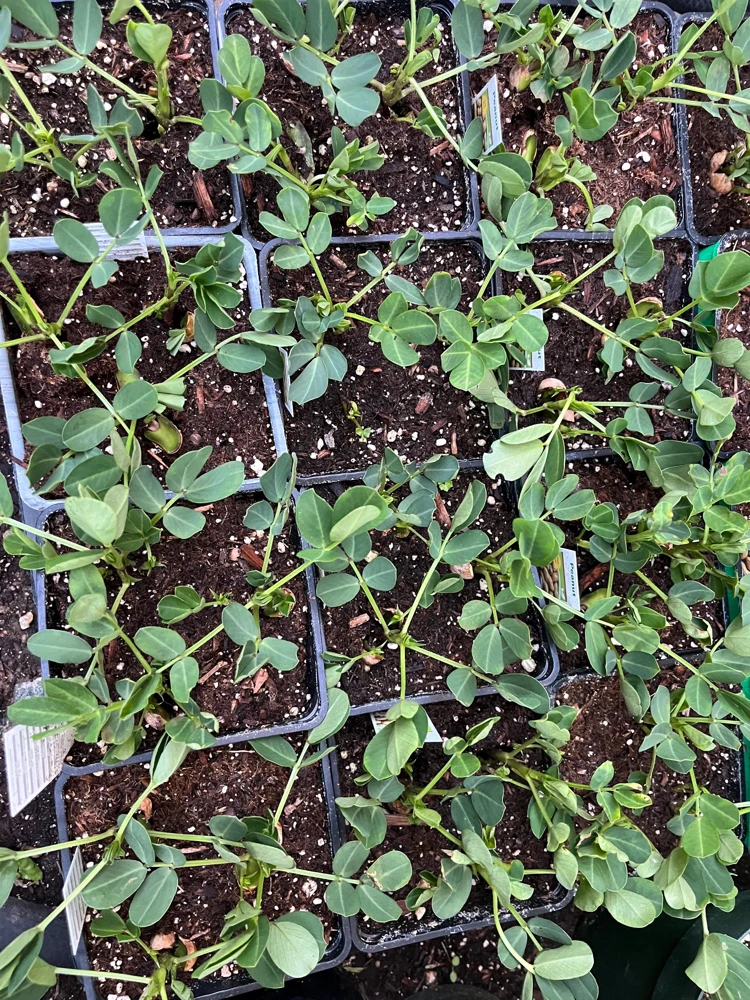
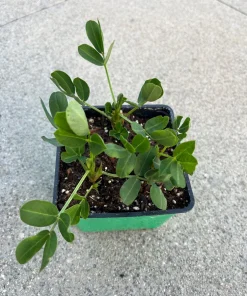
Cultivate your own wholesome harvest with this peanut live plant offering. You’ll receive 3 healthy, organic peanut plant starts, each ready to thrive in a 4-inch pot. These non-gmo peanut plants are perfect for home gardeners looking to grow peanuts at home and enjoy fresh, homegrown groundnuts.
Estimated arrival
Sep 29
Oct 04 - Oct 06
Oct 09 - Oct 13
Shop With Confidence
30-Day Plant Health Guarantee
Arrives damaged? We’ll replace it free — see our return policy.
Responsive Support
Email us anytime, we reply within 1 business day.
Expert Packaging
Temperature-controlled shipping to protect your plants in transit.
Secure Checkout
Pay safely with Visa, Mastercard, PayPal.
Plant Specifications
-
USDA Hardiness Zone
USDA zones 8-11 (annual in cooler zones) -
Soil Type
Loose, sandy, well-draining soil -
Sunlight Exposure
Full sun (6-8+ hours daily) -
Expected Planting Period
Late spring to early summer (after last frost)
Overview
Embark on a rewarding gardening journey with our premium peanut live plant offering. This package includes three robust peanut plants, each nestled in a convenient 4-inch pot, ready for transplanting into your garden or larger containers. Peanuts, botanically known as Arachis hypogaea, are fascinating legumes that produce their edible seeds underground. Our plants are cultivated using non-GMO practices, ensuring you receive a natural and wholesome start for your garden. Growing your own peanuts is a delightful experience, offering not just a unique crop but also an educational opportunity for gardeners of all ages. These plants are perfect for anyone looking to enjoy fresh, organic produce directly from their backyard.
The journey from a small plant to a bountiful harvest of groundnuts is incredibly satisfying. With these healthy starts, you’re well on your way to enjoying the rich, nutty flavor of homegrown peanuts. They are an excellent addition to vegetable gardens, raised beds, or even large patio containers, bringing a touch of agricultural charm to any space. Experience the joy of nurturing your own food supply with these easy-to-grow and productive plants.
Key Benefits
Growing your own peanuts offers a multitude of benefits, from the satisfaction of a homegrown harvest to the nutritional advantages of fresh produce. Our peanut live plant collection is designed to provide you with a successful and enjoyable gardening experience.
- Fresh, Organic Harvest: Enjoy the unparalleled taste of freshly picked peanuts, free from commercial processing. These organic peanut plant starts allow you to control the growing environment from seed to snack.
- Non-GMO Assurance: Our plants are guaranteed non-genetically modified, providing you with a natural and traditional gardening experience. This is especially important for those who wish to grow peanuts at home for a healthy diet.
- Educational & Engaging: Peanuts offer a unique growing process where the pods develop underground, making them an exciting plant for children and adults alike to observe and learn from.
- Nutrient-Rich Food Source: Homegrown peanuts are a delicious and healthy source of protein, healthy fats, and essential vitamins and minerals, perfect for snacking or culinary use.
- Versatile Culinary Use: Use your harvested peanuts in a variety of ways – roasted, boiled, or even in homemade peanut butter. The possibilities are endless for your fresh groundnut plant care efforts.
- Nitrogen Fixers: As legumes, peanut plants contribute to soil health by fixing nitrogen, which benefits other plants in your garden.
- Easy to Grow: Peanuts are relatively low-maintenance once established, making them suitable for both experienced gardeners and those new to growing edibles.
Plant Care & Growing Tips
Caring for your peanut live plant is straightforward and rewarding, leading to a delicious harvest. Peanuts thrive in warm climates and require specific conditions to produce bountifully. Upon arrival, gently acclimate your plants to their new environment before transplanting. Choose a location that receives full sun, meaning at least 6-8 hours of direct sunlight per day. Peanuts love warmth, so ensure they are planted after all danger of frost has passed and soil temperatures have consistently reached at least 65°F (18°C).
The ideal soil for an organic peanut plant is loose, sandy, and well-draining, with a pH between 6.0 and 6.5. Avoid heavy clay soils, as these can impede the development of the underground pods. Amend your soil with compost to improve fertility and drainage. Water regularly, especially during flowering and pod development, ensuring the soil remains consistently moist but not waterlogged. Reduce watering as harvest approaches. Fertilize sparingly with a low-nitrogen fertilizer, as excessive nitrogen can promote foliage growth at the expense of pod production. Watch for common pests like aphids or spider mites and treat organically if necessary. Proper groundnut plant care ensures a healthy and productive crop.
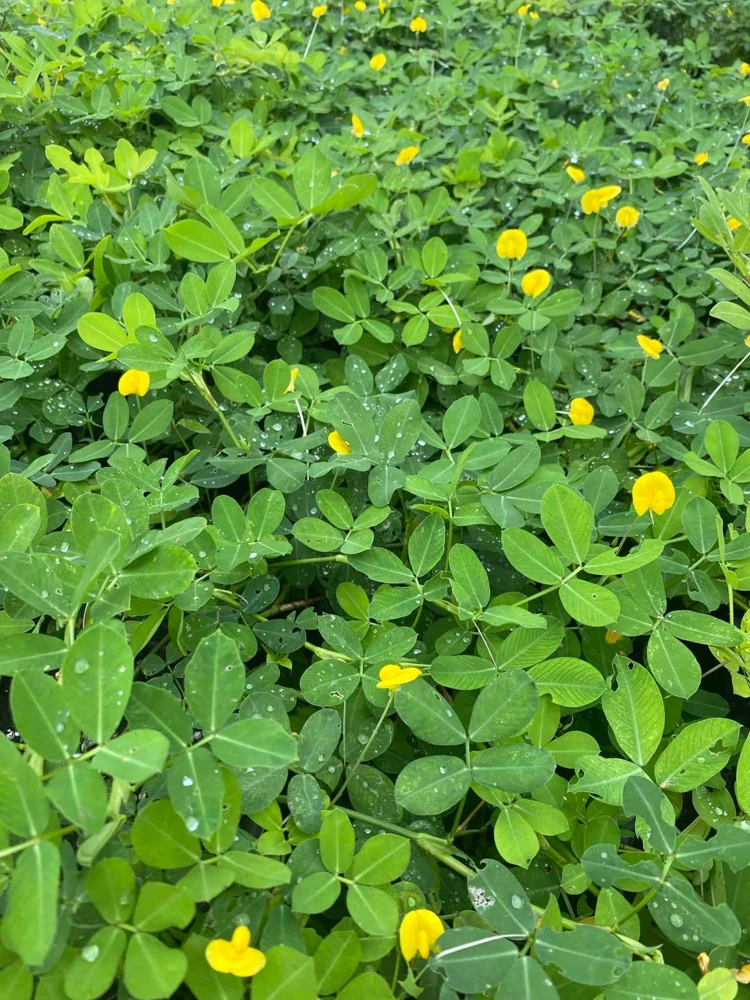
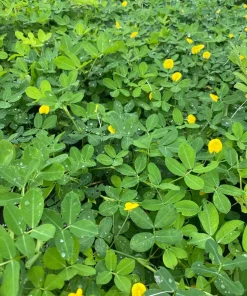
As the plants grow, they will produce yellow, pea-like flowers. After pollination, the flower stalks (known as ‘pegs’) will elongate, bend downwards, and penetrate the soil, where the peanuts will develop. Ensure the soil around the plant remains loose to allow these pegs to easily enter the ground. Harvest typically occurs 120-150 days after planting, when the foliage begins to yellow and wilt. Dig up the entire plant, shake off excess soil, and allow the peanuts to dry in a warm, dry, well-ventilated area for several weeks before shelling and storing.
Size & Details
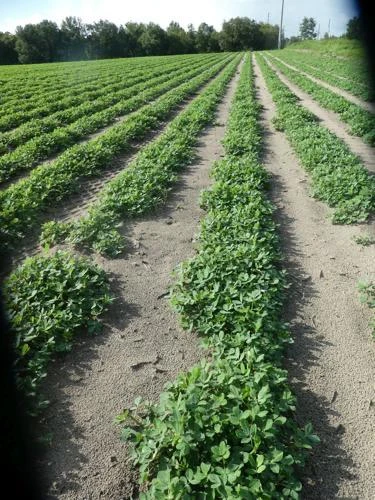
This offering includes three individual peanut live plant starts, each carefully grown and shipped in a 4-inch nursery pot. These plants are well-rooted and actively growing, providing a strong foundation for your home garden. When mature, peanut plants typically grow to a height of 12 to 18 inches and spread about 18 to 24 inches wide, forming a bushy, low-lying plant. The actual peanut pods develop 1 to 3 inches below the soil surface. Our non-gmo peanut plants are ready for transplanting into your garden beds or larger containers upon receipt. Expect a harvest within 4-5 months under optimal growing conditions, offering a rewarding yield of fresh, homegrown peanuts. These plants are perfect for individuals who want to grow peanuts at home and experience the full cultivation cycle.
Frequently Asked Questions
- Q: How big do these peanut plants get? A: A mature peanut live plant typically reaches a height of 12 to 18 inches and spreads about 18 to 24 inches wide. The peanuts themselves develop underground.
- Q: Is this an indoor or outdoor plant? A: Peanuts are primarily outdoor plants that require full sun and warm temperatures to thrive and produce peanuts. They can be started indoors in cooler climates but must be moved outside after the last frost.
- Q: How much sunlight does a peanut plant need? A: For optimal growth and peanut production, your organic peanut plant needs at least 6-8 hours of direct sunlight per day.
- Q: Is this plant easy to care for? A: Yes, peanuts are relatively easy to care for once established, making them a good choice for beginner gardeners interested in edibles. Consistent watering and well-draining soil are key for good groundnut plant care.
- Q: What condition will the plants arrive in? A: Your plants will arrive as three healthy, actively growing starts, each in its own 4-inch nursery pot, carefully packaged to ensure safe transit.
- Q: When is the best time to plant these peanuts? A: The best time to plant your non-gmo peanut plants outdoors is after all danger of frost has passed and soil temperatures are consistently above 65°F (18°C), typically late spring to early summer.
- Q: Can I use homegrown peanuts in cooking? A: Absolutely! Homegrown peanuts are excellent for roasting, boiling, or making homemade peanut butter. Growing your own allows you to enjoy fresh, wholesome nuts.
- Q: What type of soil is best for growing peanuts? A: Peanuts prefer loose, sandy, well-draining soil with a pH between 6.0 and 6.5. This allows the underground pods to develop easily.
- Q: Will these plants produce peanuts in their first year? A: Yes, under proper conditions, these peanut live plant starts are expected to produce a harvest of peanuts in their first growing season, typically within 4-5 months of planting.
- Q: Are these plants pest resistant? A: While no plant is entirely pest-proof, peanuts are generally robust. Good air circulation and monitoring can help prevent common issues.
Be the first to review “Peanut Live Plant – 3 Non-GMO Organic Plants in 4 inch Pot – Edible Groundnut”
People Also Viewed
Reviews
There are no reviews yet.