
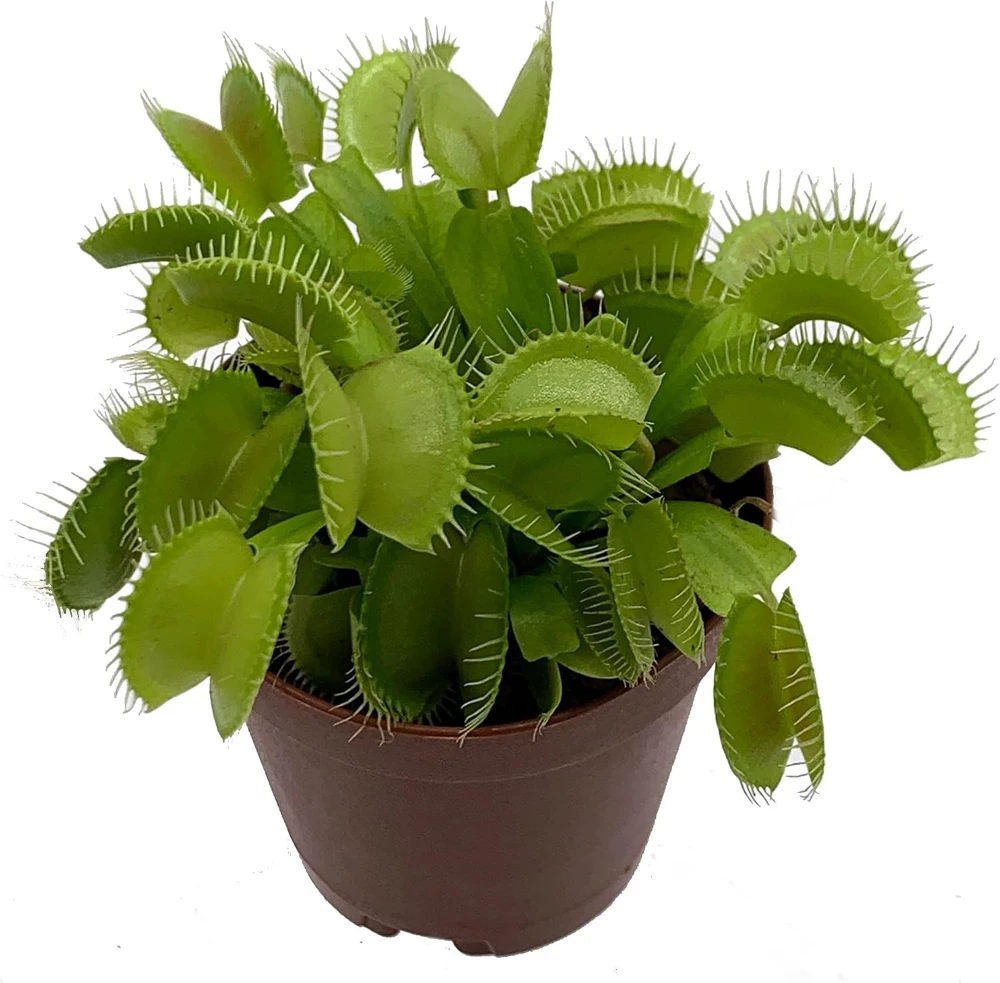
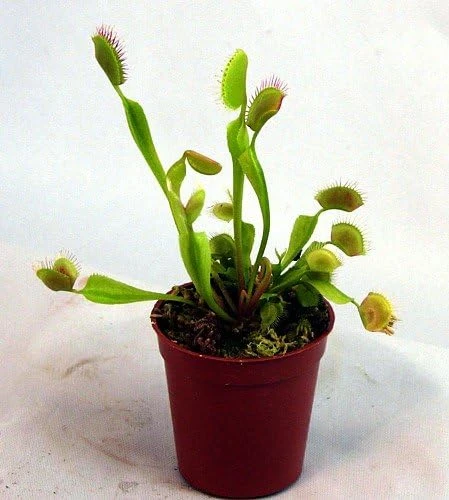
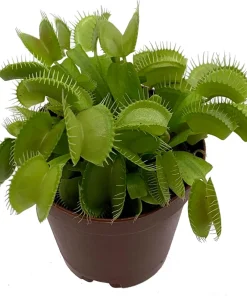
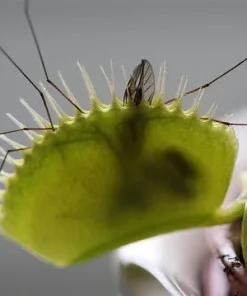
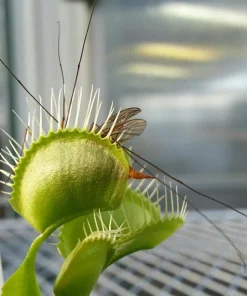
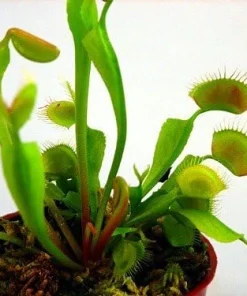
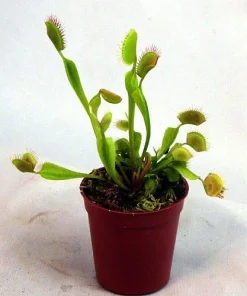
Venus Fly Trap Live Plant – Carnivorous Dionaea – 2 Inch Pot
Original price was: $38.99.$28.99Current price is: $28.99.
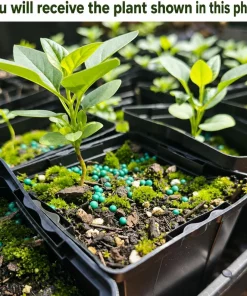
Bring home a captivating venus fly trap live plant, a natural insect predator. This unique carnivorous plant, Dionaea muscipula, is an engaging addition to any home, arriving in a 2-inch pot ready to thrive. Perfect for educational purposes or natural pest control.
Estimated arrival
Sep 29
Oct 04 - Oct 06
Oct 09 - Oct 13
Shop With Confidence
30-Day Plant Health Guarantee
Arrives damaged? We’ll replace it free — see our return policy.
Responsive Support
Email us anytime, we reply within 1 business day.
Expert Packaging
Temperature-controlled shipping to protect your plants in transit.
Secure Checkout
Pay safely with Visa, Mastercard, PayPal.
Plant Specifications
-
USDA Hardiness Zone
USDA zones 7–10 (outdoors), suitable for indoor cultivation in all zones -
Soil Type
Sphagnum peat moss and perlite/sand mix -
Sunlight Exposure
Full sun (4-6+ hours direct sunlight) -
Expected Planting Period
Year-round indoors; Spring to early summer outdoors
Overview
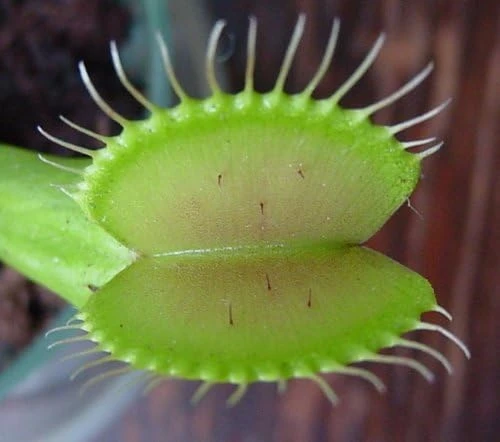
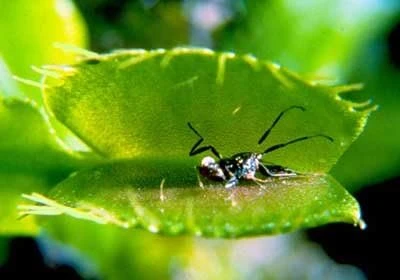
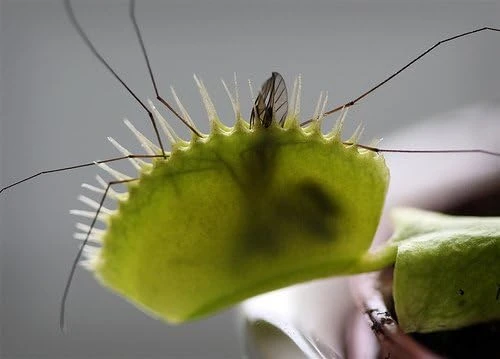
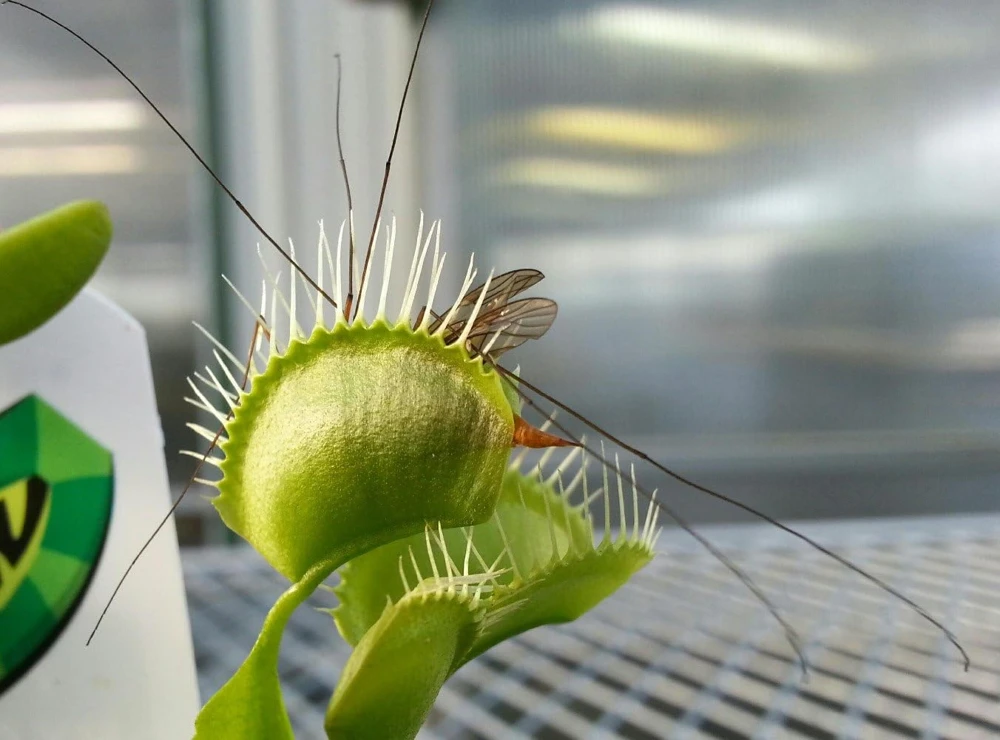
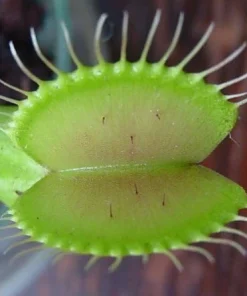
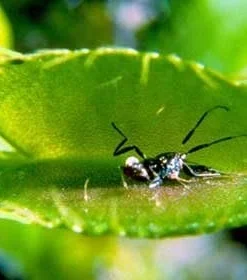
Introduce a truly extraordinary botanical specimen into your home with the venus fly trap live plant. This remarkable carnivorous plant, scientifically known as Dionaea muscipula, is renowned for its iconic, fast-acting traps that capture and digest insects. Unlike typical plants that draw all their nutrients from the soil, the Venus Fly Trap has adapted to nutrient-poor environments by supplementing its diet with invertebrates. It’s a fascinating and educational addition to any plant collection, offering a glimpse into the diverse strategies of the plant kingdom. Your new Venus Fly Trap will arrive as a healthy, thriving specimen in a 2-inch pot, ready to display its unique hunting prowess.
The Venus Fly Trap is native to subtropical wetlands on the East Coast of the United States, primarily North and South Carolina. Its ability to absorb nitrogen from insects through specially modified leaves is a testament to its evolutionary ingenuity. Often called an “insectivorous plant,” it provides a natural and intriguing way to manage small insect populations in your home while captivating observers with its dramatic feeding mechanism. This particular offering is a robust dionaea muscipula for sale, ensuring you receive a high-quality plant.
Key Benefits
The venus fly trap live plant offers a unique blend of aesthetic appeal, educational value, and practical benefits. Its distinctive appearance and active trapping mechanism make it a conversation starter, while its natural pest control abilities are an added bonus. Here are some of the key advantages of owning this fascinating plant:
-
Natural Insect Control: The Venus Fly Trap is an efficient, natural way to control small insects like flies, gnats, and spiders around your home. Its traps are designed to lure and capture unsuspecting prey, reducing the need for chemical pesticides.
-
Educational & Engaging: Observing the Venus Fly Trap’s trapping mechanism is a captivating experience for all ages. It provides a living lesson in biology and adaptation, making it an excellent plant for students, curious minds, and anyone interested in the wonders of nature.
-
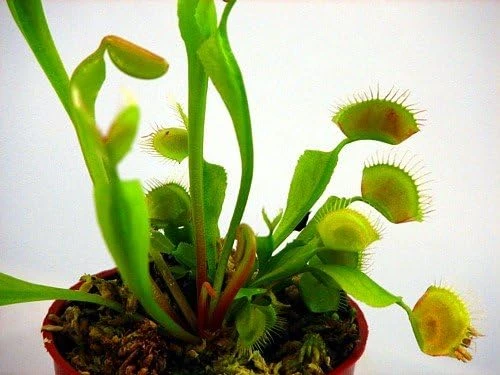
Unique Ornamental Appeal: With its striking green leaves and vibrant red interior traps, the Venus Fly Trap adds a unique, exotic touch to any indoor garden or desktop. It stands out from conventional houseplants, offering a distinct visual interest.
-
Low Maintenance (with specific care): While its care requirements are specific, once understood, the Venus Fly Trap can be relatively low-maintenance. It thrives in consistent conditions, making it a rewarding plant for dedicated enthusiasts.
-
Conversation Starter: Its unusual nature guarantees that your insect eating plant will spark curiosity and conversation among guests. It’s an excellent way to share your passion for unique botanical specimens.
-
Therapeutic Hobby: Tending to a carnivorous plant like the Venus Fly Trap can be a calming and fulfilling hobby, offering a connection to nature and a sense of accomplishment as you watch it thrive and capture its meals.
Plant Care & Growing Tips
Caring for your venus fly trap live plant requires attention to specific environmental conditions to ensure its health and vitality. These plants thrive in conditions that mimic their natural boggy habitats. Understanding these needs is crucial for successful carnivorous plant care.
Sunlight Requirements: Venus Fly Traps need abundant sunlight to flourish. Place your plant in a location where it receives at least 4-6 hours of direct sunlight daily. A sunny windowsill with an eastern or southern exposure is ideal. If adequate natural light isn’t available, grow lights can be used, ensuring they provide full spectrum light for 12-14 hours a day. Insufficient light can lead to weak, pale traps and poor growth.
Watering: The most critical aspect of Venus Fly Trap care is proper watering. These plants require consistently moist soil, but they are highly sensitive to minerals found in tap water. Always use distilled water, rainwater, or reverse osmosis water. Never use tap water, as the minerals will slowly poison the plant. The tray method is often recommended: keep the pot in a saucer of about 1 inch of distilled water, allowing the plant to absorb water from the bottom. Allow the tray to dry out occasionally for a day or two before refilling to prevent root rot. During winter dormancy, reduce watering slightly but never let the plant dry out completely.
Soil Type: Venus Fly Traps demand a nutrient-poor, acidic soil mix. A common and effective mix is a 1:1 ratio of sphagnum peat moss (not enriched potting soil) and perlite or horticultural sand. Do not use regular potting soil, as it contains fertilizers and minerals that are harmful to carnivorous plants. Repotting should be done every 1-2 years, ideally in early spring before active growth begins. When you buy venus flytrap online, ensure you have the correct soil mix ready for any future repotting.
Temperature & Humidity: These plants prefer warm temperatures during their growing season (spring to fall), ideally between 70-95°F (21-35°C). They also benefit from high humidity, which can be achieved by placing the plant on a pebble tray filled with water or by using a room humidifier. During winter, Venus Fly Traps require a dormancy period, where temperatures should drop to 35-50°F (2-10°C) for 3-5 months. This dormancy is crucial for the plant’s long-term health and survival. Without it, the plant will weaken and eventually die.
Feeding & Fertilization: Your Venus Fly Trap will catch its own food. Do not fertilize your plant with conventional fertilizers, as this will kill it. The insects it catches provide all the necessary nutrients. If grown indoors and insect activity is low, you can occasionally feed it small, live insects (like flies or crickets) that fit within its traps. Avoid feeding it dead insects or human food, as the traps may not close properly, leading to rot. Do not trigger the traps unnecessarily, as each trap has a limited number of closures before it dies back.
Size & Details
This offering includes one healthy venus fly trap live plant, grown and shipped in a 2-inch nursery pot. The size of the plant will vary depending on the season, with plants typically being smaller during their winter dormancy period. When fully grown, a mature Venus Fly Trap can reach a diameter of 5-6 inches, with individual traps measuring up to 1-2 inches. Your plant will arrive established in its pot, ready for placement in your chosen sunny location. The traps will be active and ready to catch insects, showcasing the unique characteristics of this dionaea muscipula for sale. Expect some minor trap damage during shipping, which is normal and new traps will quickly sprout. This plant is a relatively slow grower but can live for many years with proper care, becoming a cherished part of your plant collection.
Frequently Asked Questions
-
Q: How big does this plant get? A: This venus fly trap live plant comes in a 2-inch pot. Mature plants can reach a diameter of 5-6 inches, with individual traps growing up to 1-2 inches in length. Its overall size depends on growing conditions and age.
-
Q: Is this an indoor or outdoor plant? A: While Venus Fly Traps can be grown outdoors in appropriate climates (USDA zones 7-10), they are most commonly kept as indoor houseplants, especially in regions with harsh winters. They require specific light and humidity conditions that are often easier to control indoors.
-
Q: How much sunlight does it need? A: Your carnivorous plant requires a minimum of 4-6 hours of direct sunlight daily to thrive. A sunny windowsill is ideal, or you can supplement with a full-spectrum grow light to ensure it receives adequate light for strong growth and vibrant trap coloration.
-
Q: Is this plant easy to care for? A: Venus Fly Traps have specific care requirements, particularly regarding water quality and soil. Once these are understood and met, they can be relatively straightforward to care for. It’s considered an intermediate plant for enthusiasts rather than a beginner’s plant.
-
Q: What condition will it arrive in? A: Your insect eating plant will arrive as a live, healthy specimen in its 2-inch nursery pot. Due to the delicate nature of its traps, some minor damage during transit is possible, but new traps will quickly emerge as the plant settles into its new environment.
-
Q: What kind of water should I use for my Venus Fly Trap? A: Always use distilled water, rainwater, or reverse osmosis water. Tap water contains minerals that are toxic to Venus Fly Traps and will cause them to decline over time. This is a critical aspect of proper carnivorous plant care.
-
Q: Does the Venus Fly Trap need to eat insects? A: Yes, the Venus Fly Trap derives essential nutrients, particularly nitrogen, from the insects it catches. If grown indoors and it’s not catching enough prey naturally, you can feed it small, live insects that fit inside its traps, ensuring proper digestion.
-
Q: Why are my Venus Fly Trap’s traps turning black? A: It’s normal for individual traps to turn black and die after catching a few insects or reaching the end of their lifespan. If many traps are turning black rapidly, it could indicate issues with water quality, insufficient light, or lack of dormancy. New traps will continuously form.
-
Q: Does this plant require a dormancy period? A: Yes, a winter dormancy period is essential for the long-term health and survival of your dionaea muscipula for sale. During dormancy, temperatures should drop to 35-50°F (2-10°C) for 3-5 months, and growth will slow significantly.
-
Q: Can I touch the traps to make them close? A: It’s best to avoid triggering the traps unnecessarily. Each trap has a limited number of closures before it withers and dies. Only trigger them if you are feeding the plant an insect, otherwise, you are wasting the plant’s energy.
Be the first to review “Venus Fly Trap Live Plant – Carnivorous Dionaea – 2 Inch Pot”
People Also Viewed
Reviews
There are no reviews yet.