

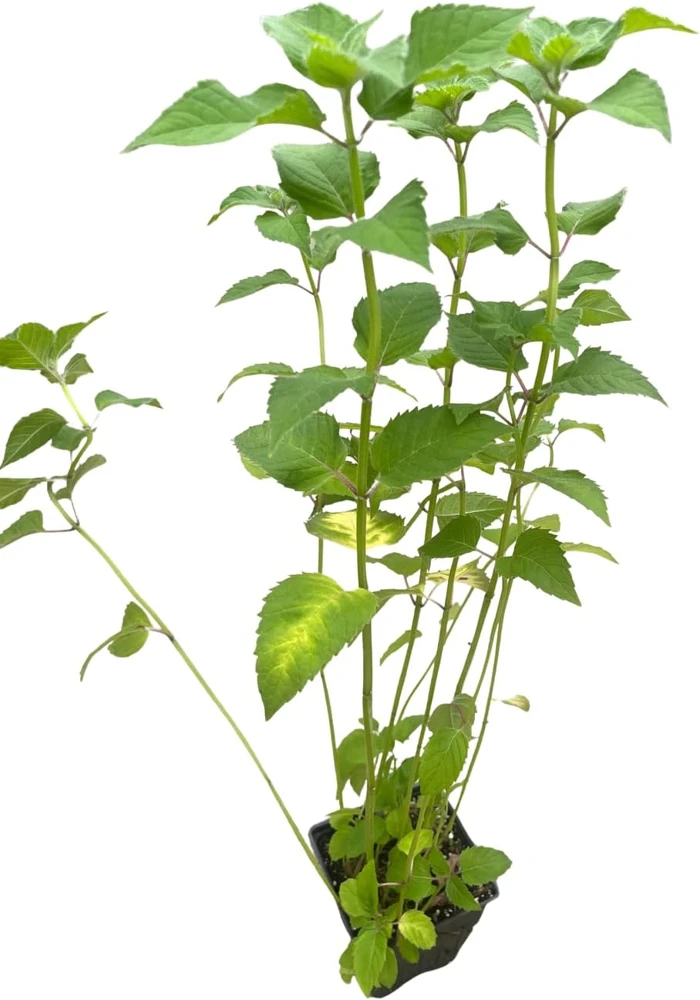
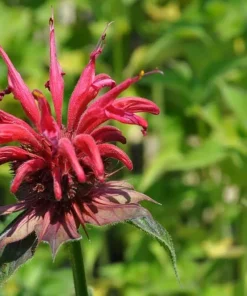
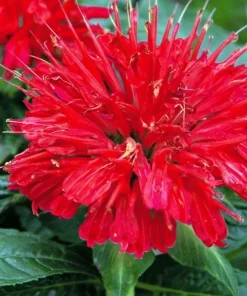
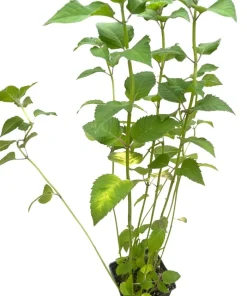
Scarlet Bee Balm Live Plant – Monarda – Quart Pot – Bright Red Flowers
Original price was: $46.99.$36.99Current price is: $36.99.
Bring a splash of vibrant color to your garden with this beautiful scarlet bee balm live plant. Known for its striking bright red blooms and aromatic foliage, this monarda perennial is a magnet for butterflies, bees, and hummingbirds. Perfect for garden beds, borders, or naturalized areas, it thrives in USDA Zones 4-9.
Estimated arrival
Sep 29
Oct 04 - Oct 06
Oct 09 - Oct 13
Shop With Confidence
30-Day Plant Health Guarantee
Arrives damaged? We’ll replace it free — see our return policy.
Responsive Support
Email us anytime, we reply within 1 business day.
Expert Packaging
Temperature-controlled shipping to protect your plants in transit.
Secure Checkout
Pay safely with Visa, Mastercard, PayPal.
Plant Specifications
-
USDA Hardiness Zone
4-9 -
Soil Type
Rich, well-draining loam -
Sunlight Exposure
Full sun to partial shade -
Expected Planting Period
Spring to early summer
Overview
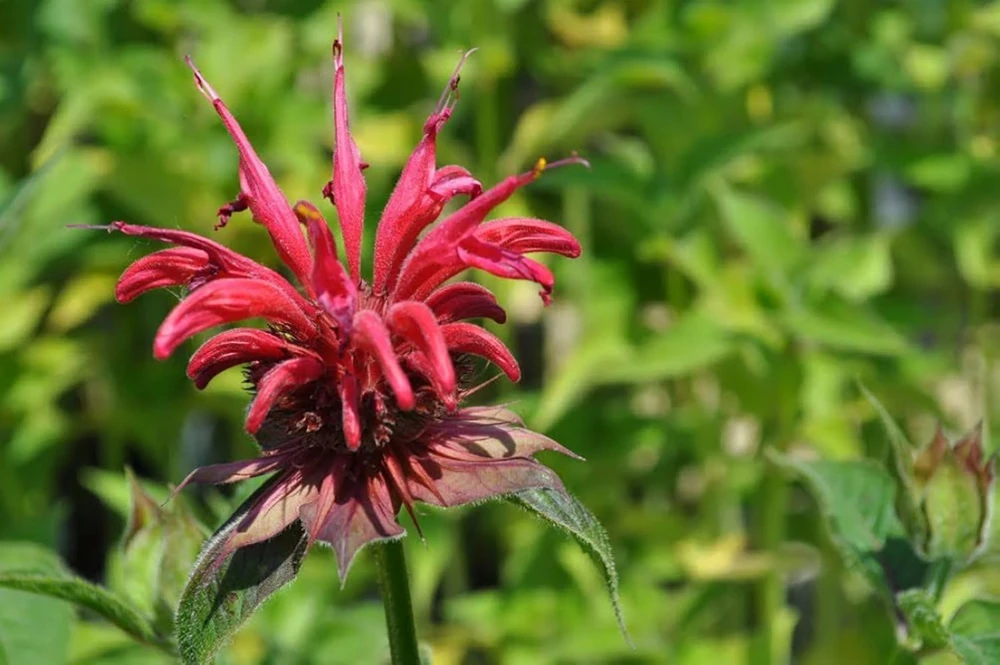
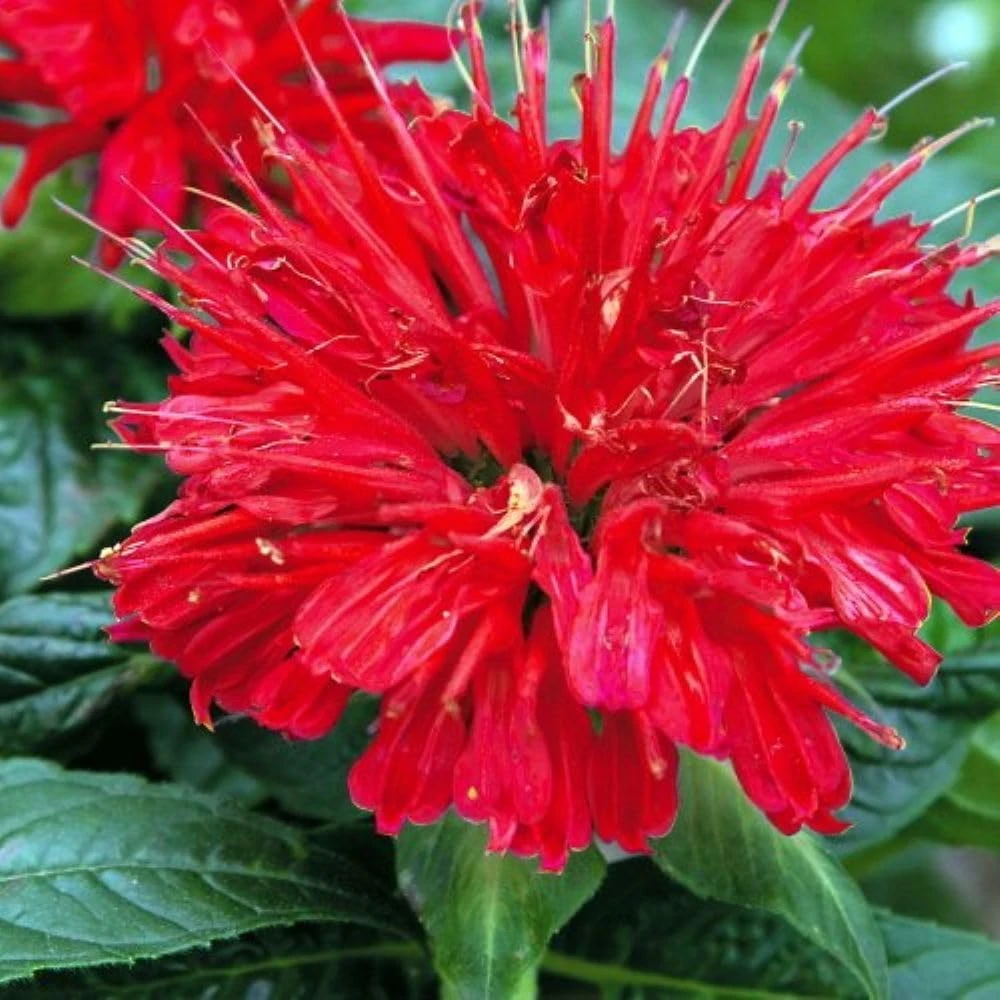
Introduce a burst of fiery red to your landscape with the stunning scarlet bee balm live plant. This vibrant perennial, also known by its botanical name Monarda didyma, is celebrated for its unique, tubular flowers that form in dense, showy clusters. Each flower head is surrounded by equally colorful bracts, creating a truly spectacular display in mid-summer. Beyond its visual appeal, this monarda perennial is a powerhouse for supporting local ecosystems, acting as a crucial food source for butterflies, bees, and hummingbirds, making it an excellent choice for any pollinator garden. The foliage itself offers a delightful spicy, mint-like fragrance when crushed, and can even be used to brew a refreshing herbal tea. Easy to grow and quick to establish, this plant forms rapidly spreading clumps, ensuring a bountiful and beautiful presence in your garden for years to come. This particular offering is for a healthy scarlet bee balm live plant, ready to be transplanted into your garden.
The Monarda genus, commonly known as Bee Balm or Bergamot, includes various species, but Monarda didyma ‘Scarlet’ stands out for its intensely colored blooms. Its robust nature and ability to attract beneficial insects make it a favorite among gardeners looking to create a dynamic and eco-friendly outdoor space. Whether you’re an experienced gardener or just starting, this plant offers immense satisfaction with minimal effort, providing continuous beauty and ecological benefits.
Key Benefits
The scarlet bee balm live plant offers a multitude of advantages for any garden. Its striking appearance and ecological contributions make it a highly desirable addition:
- Attracts Pollinators: This plant is a magnet for beneficial insects and birds, including butterflies, bees, and hummingbirds, helping to boost biodiversity in your garden. The vibrant red flowers are particularly appealing to hummingbirds.
- Vibrant Red Blooms: Enjoy a spectacular display of bright red, unusual tubular flowers throughout mid-summer. These long-lasting blooms add dramatic color and texture to garden beds.
- Aromatic Foliage: The mint-scented leaves release a spicy fragrance when crushed, adding an aromatic dimension to your garden experience. The leaves can also be used to make a delightful herbal tea.
- Hardy Perennial: As a robust monarda perennial, it returns year after year, providing reliable beauty and requiring less effort than annuals. It is well-suited for USDA Zones 4-9.
- Low Maintenance: Once established, this bee balm variety is relatively low maintenance, tolerating a range of soil conditions and requiring minimal care to thrive. This makes it an ideal choice for busy gardeners.
- Naturalizes Easily: It forms rapidly spreading clumps, making it an excellent choice for naturalized areas, meadows, or large garden borders where it can spread and create a stunning visual impact.
- Deer Resistant: While not entirely deer-proof, its aromatic foliage tends to deter deer, making it a good option for areas where deer browsing can be an issue.
Plant Care & Growing Tips
Caring for your scarlet bee balm live plant is straightforward, ensuring a season of vibrant blooms. This resilient red bee balm plant thrives with proper attention to its basic needs. For optimal growth and flowering, plant your bee balm in a location that receives full sun to partial shade. Full sun (at least 6 hours of direct sunlight per day) will generally result in the most abundant blooms, while partial shade can be beneficial in hotter climates to prevent scorching. Ensure good air circulation to reduce the risk of powdery mildew, a common issue for Monarda.
When it comes to watering, Monarda prefers consistently moist, but not waterlogged, soil. Water regularly, especially during dry spells and in its first growing season. Once established, it can tolerate short periods of drought but will perform best with consistent moisture. The ideal soil type is a rich, well-draining loam. Amend heavy clay soils with organic matter to improve drainage, and sandy soils with compost to enhance water retention. Fertilize sparingly; a balanced slow-release granular fertilizer in early spring is usually sufficient. Deadhead spent flowers to encourage reblooming and maintain a tidy appearance. Divide clumps every 2-3 years in spring to rejuvenate the plant and prevent overcrowding. Protecting your monarda care tips include regular inspection for pests and diseases, though it is generally a robust plant. This plant is hardy in USDA Zones 4-9, tolerating winter temperatures down to -30°F (-34°C).
Size & Details
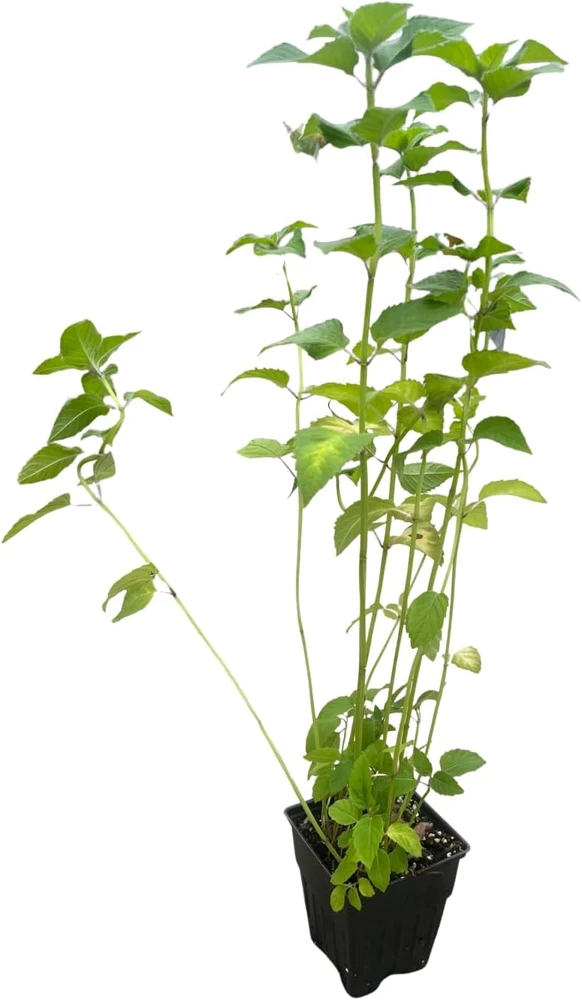
This offering includes one healthy scarlet bee balm live plant, shipped in a quart pot. Upon arrival, the plant will be well-rooted and ready for immediate transplanting into your garden or a larger container. The plant typically reaches a mature height of approximately 36 inches (3 feet) with a similar spread, creating a substantial presence in the landscape. Its growth rate is considered moderate to fast, quickly forming attractive clumps. Blooms are expected from mid-summer onwards, bringing vibrant color and activity to your garden during the warmer months. As a perennial, it will return year after year, growing larger and more established with each passing season. The robust root system ensures a strong start for this beautiful and beneficial pollinator garden plant.
Frequently Asked Questions
- Q: How big does this scarlet bee balm live plant get? A: This plant typically reaches a mature height of approximately 36 inches (3 feet) and can spread to a similar width, forming substantial clumps over time.
- Q: Is this an indoor or outdoor plant? A: The scarlet bee balm live plant is an outdoor perennial, best suited for garden beds, borders, and naturalized areas. It thrives in full sun to partial shade outdoors.
- Q: How much sunlight does it need? A: For the best blooming performance, this monarda prefers full sun (at least 6 hours of direct sunlight daily). It can tolerate partial shade, especially in hotter climates.
- Q: Is this plant easy to care for? A: Yes, this red bee balm plant is considered relatively easy to care for. Once established, it is low maintenance, requiring consistent moisture and good air circulation to prevent common issues like powdery mildew.
- Q: What condition will it arrive in? A: Your scarlet bee balm live plant will arrive as a healthy, well-rooted specimen in a quart pot, ready for planting. We take great care in packaging to ensure safe delivery.
- Q: How long until it blooms? A: If planted in spring, you can expect this bee balm to start blooming in mid-summer of the first year. Established plants will reliably bloom each mid-summer.
- Q: Will it survive winter in my zone? A: This monarda perennial is hardy in USDA Zones 4-9, meaning it is well-equipped to survive winter temperatures in these regions and return in spring.
- Q: What’s the best way to ensure good air circulation for my monarda? A: Plant your bee balm with adequate spacing between plants to allow for air movement. Pruning to thin out dense clumps can also improve air circulation and reduce the risk of powdery mildew.
- Q: Can I use the leaves for tea? A: Yes, the aromatic leaves of this scarlet bee balm live plant can be used to make a delightful herbal tea, offering a spicy, mint-like flavor.
- Q: What are some good monarda care tips for beginners? A: For beginners, focus on providing adequate sunlight, consistent moisture, and well-draining soil. Deadhead spent flowers to encourage more blooms, and consider dividing the plant every few years.
Be the first to review “Scarlet Bee Balm Live Plant – Monarda – Quart Pot – Bright Red Flowers”
People Also Viewed
Flower Seeds
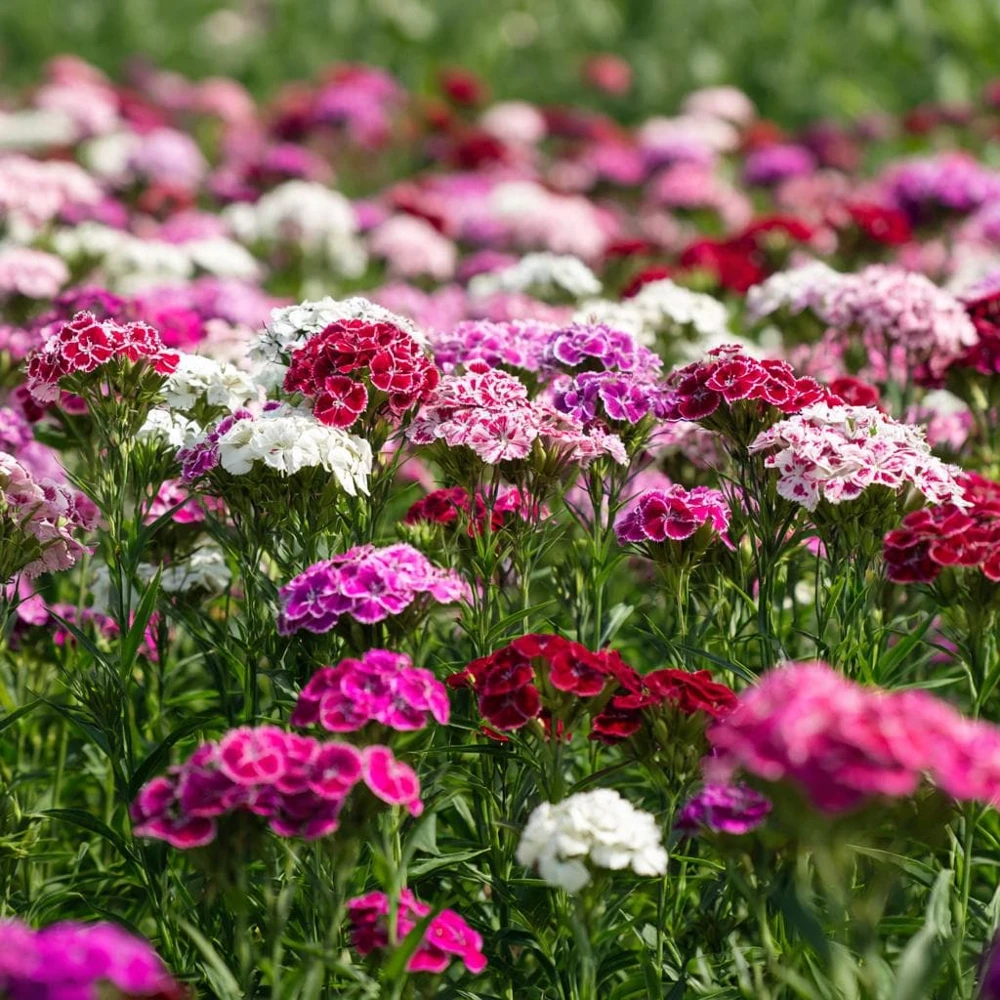
Sweet William Seeds Mix – Dianthus barbatus Flower Seeds – 250 Seeds – Pollinator Friendly


Reviews
There are no reviews yet.