
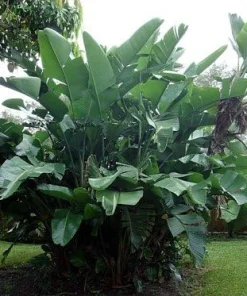
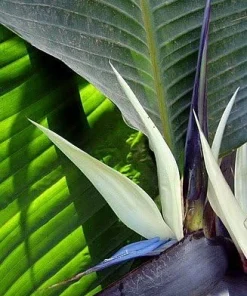
White Bird of Paradise Live Plant – Strelitzia Nicola – 4″ Pot – Indoor/Outdoor
Original price was: $51.99.$41.99Current price is: $41.99.
Bring tropical grandeur to your home or garden with the white bird of paradise live plant (Strelitzia nicola) in a 4″ pot. This striking plant features large, banana-like leaves and unique white flowers, thriving indoors or outdoors in suitable climates.
Estimated arrival
Sep 28
Oct 03 - Oct 05
Oct 08 - Oct 12
Shop With Confidence
30-Day Plant Health Guarantee
Arrives damaged? We’ll replace it free — see our return policy.
Responsive Support
Email us anytime, we reply within 1 business day.
Expert Packaging
Temperature-controlled shipping to protect your plants in transit.
Secure Checkout
Pay safely with Visa, Mastercard, PayPal.
Plant Specifications
-
USDA Hardiness Zone
USDA Zones 10-11 (outdoors); suitable for all zones indoors -
Soil Type
Rich, well-draining potting mix -
Sunlight Exposure
Full sun to partial sun -
Expected Planting Period
Year-round indoors; spring to early summer outdoors (in suitable zones)
Overview
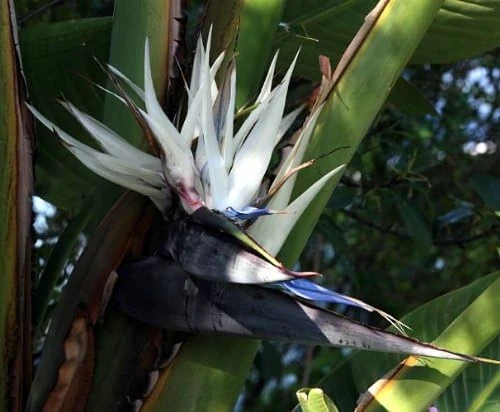
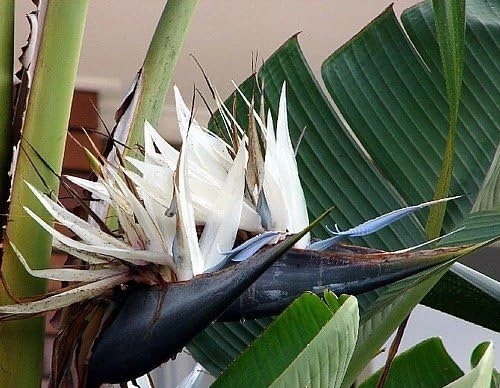
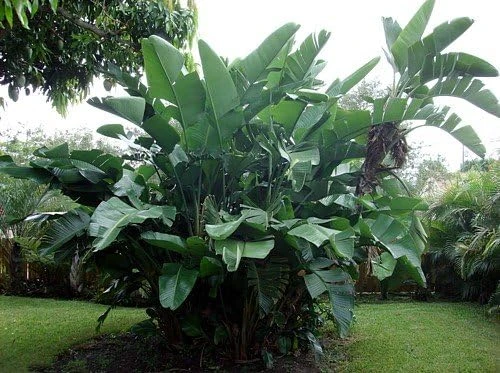
Introduce a touch of exotic elegance to your living space with the magnificent white bird of paradise live plant. Known botanically as Strelitzia nicola, this impressive specimen is a close relative of the more common orange bird of paradise flower but boasts a much larger, tree-like stature and stunning white blooms. While young, it makes a spectacular indoor plant, eventually maturing into a grand focal point with its crown of banana-like leaves and unique, crane-like flowers. This particular offering is a vibrant white bird of paradise live plant, ready to flourish in its new environment. Its dramatic foliage and potential for impressive size make it a favorite among plant collectors and those looking to create a lush, tropical ambiance.
Unlike its smaller cousin, the giant bird of paradise (Strelitzia nicola) can reach heights of up to 30 feet in its native habitat, forming huge clumps of stems. Even when grown in containers, it achieves a substantial size, bringing a truly majestic presence. Whether you envision it gracing your patio in warmer months or becoming the star of your indoor plant collection, the white bird of paradise live plant promises to deliver unparalleled beauty and a touch of the tropics.
Key Benefits
The white bird of paradise live plant offers a wealth of benefits, from its stunning visual appeal to its relatively easy care for such a dramatic specimen. It’s a plant that truly captures attention and enhances any space it inhabits.
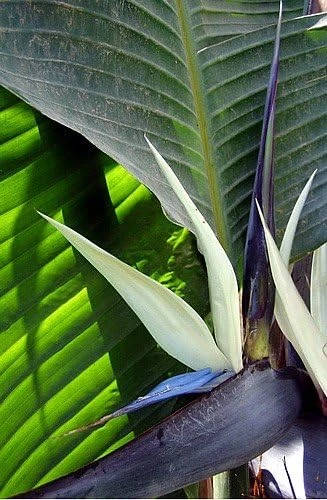
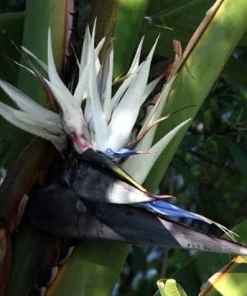
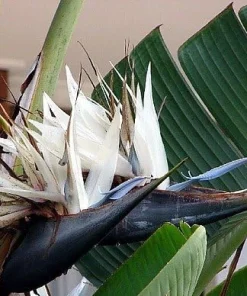
- Dramatic Tropical Aesthetic: Its large, paddle-shaped leaves and tall, upright growth habit create an instant tropical feel, transforming any room or garden into an exotic oasis. The unique white and blue flowers, resembling a crane’s head, add to its allure.
- Versatile Growth: Can be grown as a magnificent indoor houseplant in cooler climates, bringing year-round greenery and elegance. In USDA zones 10-11, it thrives outdoors, reaching its full majestic potential.
- Air Purification: Like many large-leaved plants, the white bird of paradise live plant contributes to a healthier indoor environment by naturally filtering airborne toxins and improving air quality.
- Low Maintenance for Impact: Despite its grand appearance, strelitzia nicola care is relatively straightforward. Once established, it requires consistent watering and bright light but is not overly demanding, making it suitable for various gardeners.
- Long-Lived Beauty: With proper care, this plant can be a long-term companion, growing and maturing over many years, offering continuous enjoyment and a lasting botanical statement.
- Unique Collector’s Item: The ‘Collector’s Series’ designation highlights its desirability among enthusiasts who appreciate rare and distinctive plant varieties, making it a valuable addition to any collection.
- Architectural Form: Its strong, upright lines and bold foliage make it an excellent architectural plant, perfect for adding structure and height to interior designs or garden landscapes.
Plant Care & Growing Tips
Caring for your strelitzia nicola indoor or outdoor involves understanding its basic needs for light, water, and soil. Providing the right conditions will ensure your plant thrives and potentially produces its spectacular blooms.
Sunlight Requirements: The white bird of paradise live plant absolutely loves the sun. It prefers full sun to partial sun conditions, meaning at least 6 hours of direct sunlight per day. If grown indoors, place it in your brightest window, ideally a south-facing one. Rotate the pot occasionally to ensure even growth. In very hot climates, a little afternoon shade can be beneficial to prevent leaf scorch, especially for younger plants. Insufficient light can lead to leggy growth and a lack of flowering.
Watering Schedule: Keep the soil consistently moist but never waterlogged. Allow the top inch or two of soil to dry out between waterings. During the growing season (spring and summer), it will require more frequent watering. Reduce watering in the fall and winter when growth slows. Ensure good drainage to prevent root rot, which is a common issue for overwatered plants. The ‘Keep evenly moist’ directive from the original description is key.
Soil Type and Drainage: This plant thrives in rich, well-draining potting mix. A good quality potting mix amended with some compost and perlite or sand will provide the necessary nutrients and drainage. For outdoor planting, ensure your garden soil is well-amended and drains freely. Heavy, compacted soils can lead to problems.
Temperature Range & USDA Hardiness: The white bird of paradise live plant is hardy in USDA Zones 10 and 11, where it can be grown outdoors year-round. In cooler regions, it must be protected from frost. It can be grown as a magnificent tropical houseplant, moved outside during the summer months once all danger of frost has passed, and brought back indoors before temperatures drop below 50°F (10°C).
Fertilization: During the active growing season (spring through summer), feed your Strelitzia nicola with a balanced liquid fertilizer every 2-4 weeks. Reduce or stop fertilizing during the fall and winter dormant period. Follow the product instructions for dilution rates.
Size & Details
This offering is for a vibrant white bird of paradise live plant, presented in a 4″ nursery pot. At this stage, the plant is young but healthy, featuring several strong leaves that already hint at its future grandeur. While its ultimate size can reach up to 30 feet in ideal outdoor conditions, this plant is currently compact enough for easy handling and initial indoor placement. The growth rate is moderate, allowing you to enjoy its development over time. It ships as a potted plant, ensuring minimal transplant shock upon arrival. Expect it to gradually increase in size, developing its characteristic banana-like leaves and eventually producing its stunning white flowers as it matures, typically taking several years to bloom.
Frequently Asked Questions
- Q: How big does this white bird of paradise live plant get? A: When grown outdoors in ideal conditions (zones 10-11), Strelitzia nicola can grow up to 30 feet tall, forming large clumps. As an indoor plant, its size will be more constrained by its pot, typically reaching 5-10 feet with proper care.
- Q: Is this an indoor or outdoor plant? A: This plant is versatile. It is hardy outdoors in USDA Zones 10-11. In cooler regions, it thrives as a beautiful strelitzia nicola indoor plant and can be moved outside for the summer.
- Q: How much sunlight does the giant bird of paradise need? A: It prefers full sun to partial sun, ideally receiving at least 6 hours of direct sunlight per day. If kept indoors, place it in the brightest possible location.
- Q: Is this plant easy to care for? A: Yes, for a tropical plant of its size, strelitzia nicola care is considered relatively easy. It requires consistent watering, plenty of light, and protection from cold temperatures.
- Q: What condition will the tropical houseplant arrive in? A: Your plant will arrive as a healthy, live specimen in its 4″ nursery pot, carefully packaged to ensure safe transit. Some minimal leaf yellowing during shipping is normal.
- Q: When is the best time to plant or repot this Strelitzia? A: The best time to plant or repot is in the spring or early summer when the plant is actively growing. This allows it to establish quickly in its new environment.
- Q: What is the proper name for this plant? A: The proper botanical name for this plant is Strelitzia nicola, commonly known as the white bird of paradise live plant or giant bird of paradise.
- Q: Will this plant produce flowers if grown indoors? A: It can produce flowers indoors, but it requires abundant light and several years to mature. Outdoor plants in suitable climates are more likely to bloom regularly.
- Q: What type of soil does it prefer? A: This plant prefers a rich, well-draining potting mix. Ensure the pot has drainage holes to prevent waterlogging.
- Q: How often should I water my strelitzia nicola indoor plant? A: Water when the top 1-2 inches of soil feel dry to the touch. Keep the soil consistently moist but never soggy, especially during the growing season.
Be the first to review “White Bird of Paradise Live Plant – Strelitzia Nicola – 4″ Pot – Indoor/Outdoor”
People Also Viewed
Flower Plants
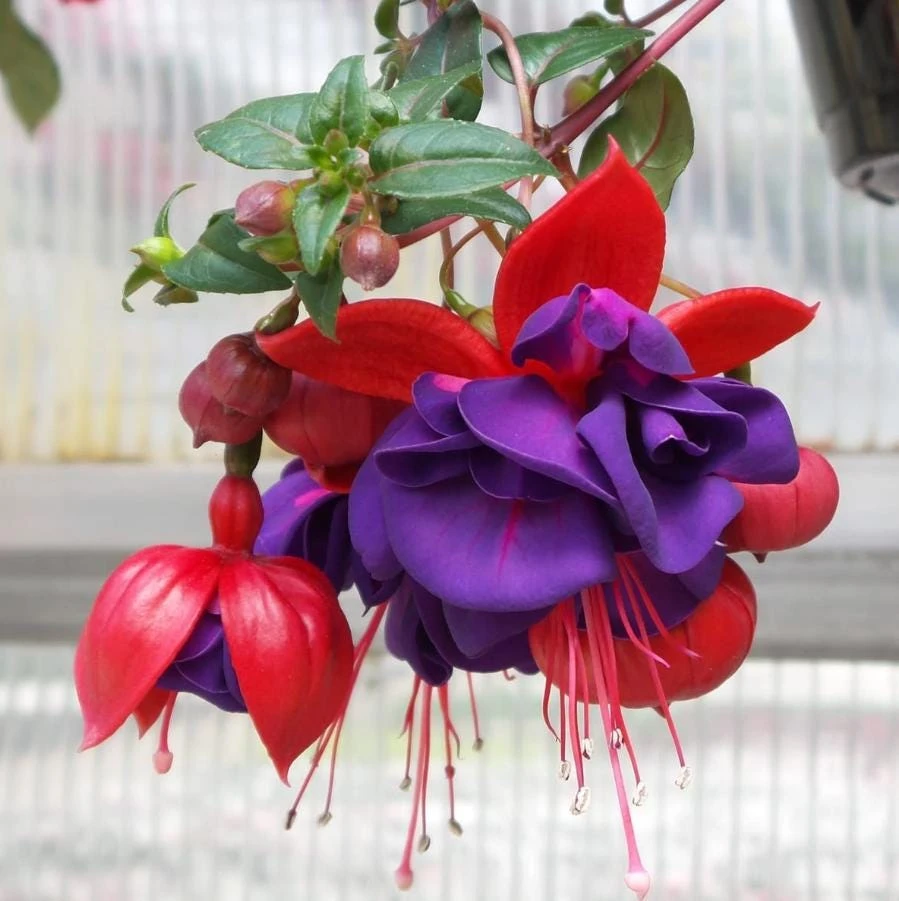
Fuchsia Corabells Dark Eyes Live Plant – 6″ Pot – Shade-Tolerant Flowering – Hanging Basket
Reviews
There are no reviews yet.