
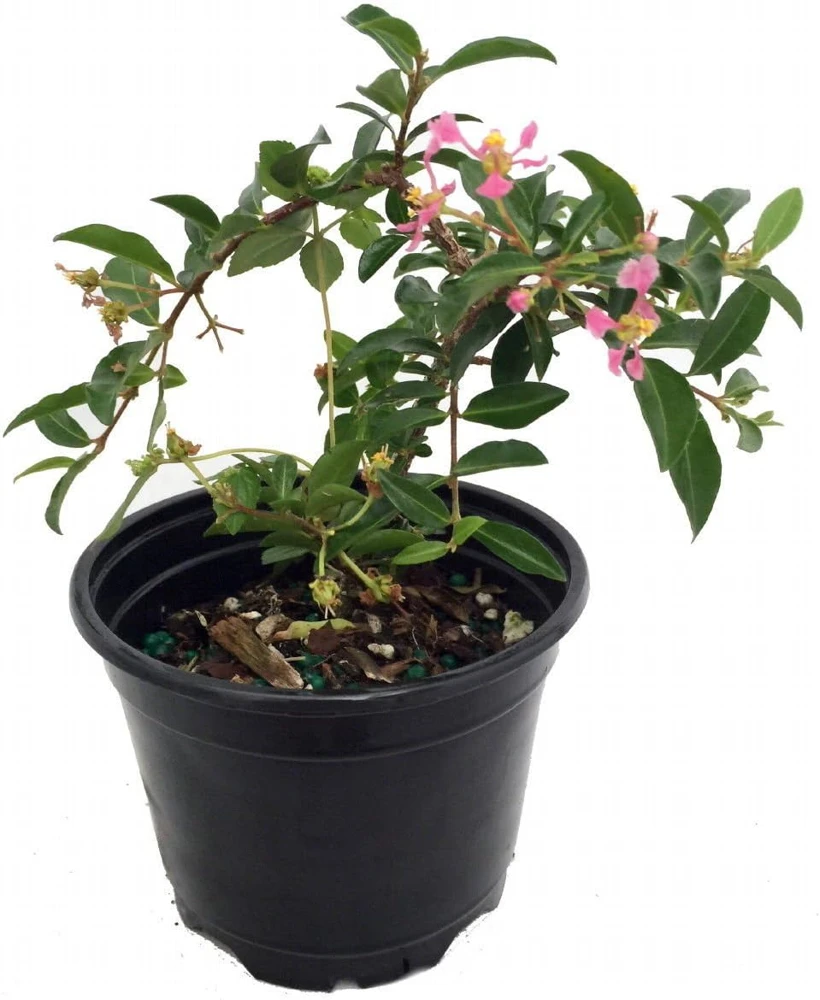
Barbados Cherry Live Plant – Malpighia emarginata – 4 Inch Pot – Indoors/Out
Original price was: $50.99.$40.99Current price is: $40.99.
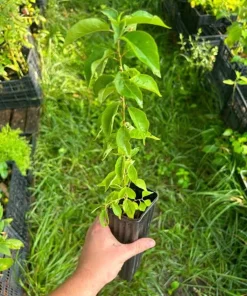
Cultivate your own healthy fruit with this barbados cherry live plant (Malpighia emarginata). Arriving in a 4-inch pot, this versatile plant thrives both indoors and outdoors, offering delicious, vitamin C-rich fruit.
Estimated arrival
Sep 29
Oct 04 - Oct 06
Oct 09 - Oct 13
Shop With Confidence
30-Day Plant Health Guarantee
Arrives damaged? We’ll replace it free — see our return policy.
Responsive Support
Email us anytime, we reply within 1 business day.
Expert Packaging
Temperature-controlled shipping to protect your plants in transit.
Secure Checkout
Pay safely with Visa, Mastercard, PayPal.
Plant Specifications
-
USDA Hardiness Zone
USDA zones 9–11 -
Soil Type
Well-draining, slightly acidic to neutral soil -
Sunlight Exposure
Full sun (6-8+ hours direct light) -
Expected Planting Period
Year-round indoors; spring to early summer outdoors
Overview
Bring the tropics to your home or garden with this vibrant barbados cherry live plant, scientifically known as Malpighia emarginata (also commonly referred to as Acerola Cherry or West Indian Cherry). This delightful fruit-bearing shrub is renowned for its incredibly high vitamin C content, making its small, tart-sweet cherries a superfood addition to any diet. Our barbados cherry live plant comes ready to thrive, established in a 4-inch pot, perfect for starting its journey in your care. Whether you’re an experienced gardener or just beginning, this versatile plant offers both ornamental beauty with its delicate pink flowers and the rewarding experience of harvesting your own nutritious fruit. It’s an excellent choice for edible landscaping, container gardening, or as a unique indoor specimen.
The Malpighia emarginata is a relatively fast-growing plant that can be maintained as a compact shrub or trained into a small tree, adapting well to various environments. Its glossy green leaves provide an attractive backdrop to the charming pinkish-white flowers that appear in cycles, followed by the bright red, juicy cherries. Enjoy the freshness and health benefits of homegrown acerola cherries, which are not only delicious but also packed with antioxidants. This barbados cherry live plant is a fantastic investment for health-conscious individuals and gardening enthusiasts alike.
Key Benefits
The barbados cherry live plant offers a multitude of benefits, from its nutritional value to its ornamental appeal, making it a highly desirable addition to any collection.
- Exceptional Nutritional Value: The primary benefit of the Barbados Cherry is its incredibly high vitamin C content, often cited as one of the richest natural sources. Just a few cherries can provide your daily recommended intake, boosting immunity and overall health.
- Delicious & Versatile Fruit: Enjoy small, bright red cherries with a tart-sweet flavor profile. They are perfect for fresh eating, making juices, jams, jellies, or adding to smoothies and desserts, offering a fresh taste of the tropics.
- Attractive Ornamental Plant: Beyond its fruit, the Malpighia emarginata is a beautiful plant. It features glossy green foliage and delicate pinkish-white flowers that bloom periodically throughout the growing season, adding aesthetic appeal to your space.
- Adaptable Growing Conditions: This plant is remarkably versatile, thriving both indoors in a sunny spot and outdoors in warmer climates (USDA zones 9-11). It can be grown in containers, allowing for easy relocation to protect it from cold.
- Relatively Low Maintenance: Once established, malpighia emarginata care is straightforward, making it suitable for gardeners of varying experience levels. It’s relatively drought-tolerant and responds well to pruning for shape and fruit production.
- Fast-Growing & Productive: The Barbados Cherry is known for its relatively quick growth rate and ability to produce fruit within a few years, providing a rewarding experience for those looking to grow barbados cherry.
- Unique Edible Landscape Addition: Integrate this fruiting shrub into your edible landscape design. Its attractive appearance and delicious fruit make it a standout choice for food forests, kitchen gardens, or as a specimen plant.
Plant Care & Growing Tips
Caring for your barbados cherry live plant is a rewarding experience that ensures a bountiful harvest of delicious fruit. This resilient plant is relatively easy to maintain, but understanding its specific needs will help it flourish. For optimal growth and fruit production, providing the right environment is key. This plant thrives in warm, sunny conditions, mimicking its native tropical habitat. When considering malpighia emarginata care, remember that consistent attention to light, water, and soil will yield the best results.
Sunlight: The Barbados Cherry prefers full sun, meaning at least 6-8 hours of direct sunlight per day. If growing indoors, place it in your brightest south-facing window or supplement with a grow light. Outdoors, choose a location that receives ample sunlight throughout the day. While it can tolerate some partial shade, fruit production may be reduced. Watering: Water thoroughly when the top inch or two of soil feels dry to the touch. Allow excess water to drain away completely. Avoid letting the plant sit in standing water, as this can lead to root rot. During hot, dry periods, it may require more frequent watering. Reduce watering slightly during cooler months or if grown indoors in lower light conditions. Soil: This plant prefers well-draining soil with a slightly acidic to neutral pH (6.0-7.0). A good quality potting mix amended with some perlite or sand for improved drainage is ideal for container-grown plants. For outdoor planting, ensure your garden soil drains well; amend heavy clay soils with organic matter. Temperature & Hardiness: The Barbados Cherry is a tropical plant and is sensitive to cold. It thrives in temperatures between 60-90°F (15-32°C). It is generally hardy in USDA Zones 9-11. If you live in a colder climate, it’s best to grow barbados cherry indoor or in a container that can be moved indoors during winter months to protect it from frost. Fertilization: Feed your plant with a balanced liquid fertilizer every 2-4 weeks during the active growing season (spring and summer). Reduce fertilization in fall and winter. For outdoor plants, a slow-release granular fertilizer can be applied according to package directions in spring. Pruning: Prune to maintain shape, encourage bushiness, and promote fruit production. Remove any dead, damaged, or crossing branches. You can also prune after fruiting to encourage new growth. For a more compact acerola cherry plant, regular light pruning is beneficial. Pests & Diseases: The Barbados Cherry is relatively resistant to pests and diseases, but keep an eye out for common issues like aphids, spider mites, or mealybugs. Treat with insecticidal soap if necessary. Ensure good air circulation to prevent fungal problems.
Size & Details
This barbados cherry live plant arrives in a sturdy 4-inch nursery pot, providing a healthy start for its journey in your home or garden. At this stage, the plant typically stands approximately 6-10 inches tall, though exact measurements may vary slightly. The Malpighia emarginata is known for its moderate to fast growth rate, and with proper care, it can quickly establish itself and begin producing fruit. When mature, it can reach heights of 6-10 feet as a shrub or up to 15-20 feet if trained as a small tree in ideal outdoor conditions. For those looking to grow barbados cherry in containers, its size can be easily managed through regular pruning, allowing it to remain a more compact, desk-friendly or patio-friendly specimen.
Expect to see the first delicate pink flowers within the first year or two, followed by the development of the vibrant red cherries. The fruit typically ripens quickly after flowering, often within 3-4 weeks. This plant is shipped as a live, actively growing specimen, carefully packaged to ensure its safe arrival. It’s ready to be transplanted into a larger pot or directly into your garden if your climate permits. The acerola cherry plant offers a continuous harvest throughout its growing season, providing a steady supply of fresh, nutritious fruit.
Frequently Asked Questions
- Q: How big does this plant get? A: This barbados cherry live plant comes in a 4-inch pot and is typically 6-10 inches tall upon arrival. Mature plants can reach 6-10 feet as a shrub or 15-20 feet as a tree if grown outdoors in ideal conditions. Its size can be managed with pruning in containers.
- Q: Is this an indoor or outdoor plant? A: The Barbados Cherry is versatile and can thrive both indoors and outdoors. It’s best grown outdoors in USDA Zones 9-11. In colder climates, it makes an excellent container plant that can be brought indoors during winter, making it a great barbados cherry indoor option.
- Q: How much sunlight does it need? A: This plant requires full sun, meaning at least 6-8 hours of direct sunlight daily for optimal growth and fruit production. If growing indoors, a south-facing window is ideal, or use a supplemental grow light.
- Q: Is this plant easy to care for? A: Yes, the Barbados Cherry is considered relatively easy to care for, making it suitable for gardeners of all experience levels. Consistent watering, adequate sunlight, and occasional fertilization are the main requirements for successful malpighia emarginata care.
- Q: What condition will it arrive in? A: Your acerola cherry plant will arrive as a live, actively growing plant in a 4-inch nursery pot, carefully packaged to minimize stress during transit. It will be ready for immediate planting or transplanting.
- Q: Can I eat the fruit directly from the plant? A: Yes, the small, red cherries are edible and highly nutritious, packed with vitamin C. They have a tart-sweet flavor and are delicious eaten fresh, or used in juices, jams, and other culinary creations.
- Q: How long until it produces fruit? A: With proper care, your Barbados Cherry plant can begin producing fruit within 1-2 years of planting. The plant typically flowers and fruits in cycles throughout the warmer months.
- Q: What is the best soil for this plant? A: The Barbados Cherry prefers well-draining soil with a slightly acidic to neutral pH. A good quality potting mix for containers or amended garden soil with organic matter works well to ensure proper drainage.
- Q: Is it pet-safe? A: While the fruit is safe for human consumption, information on pet safety for all parts of the Barbados Cherry plant is varied. It’s generally recommended to keep pets from consuming plant parts to be safe.
- Q: When is the best time to plant? A: For outdoor planting in suitable zones, spring or early summer is ideal. If growing indoors, you can plant or transplant your acerola cherry plant any time of year, ensuring it has adequate light and warmth.
Be the first to review “Barbados Cherry Live Plant – Malpighia emarginata – 4 Inch Pot – Indoors/Out”
People Also Viewed
Flower Seeds
Vegetable Seeds
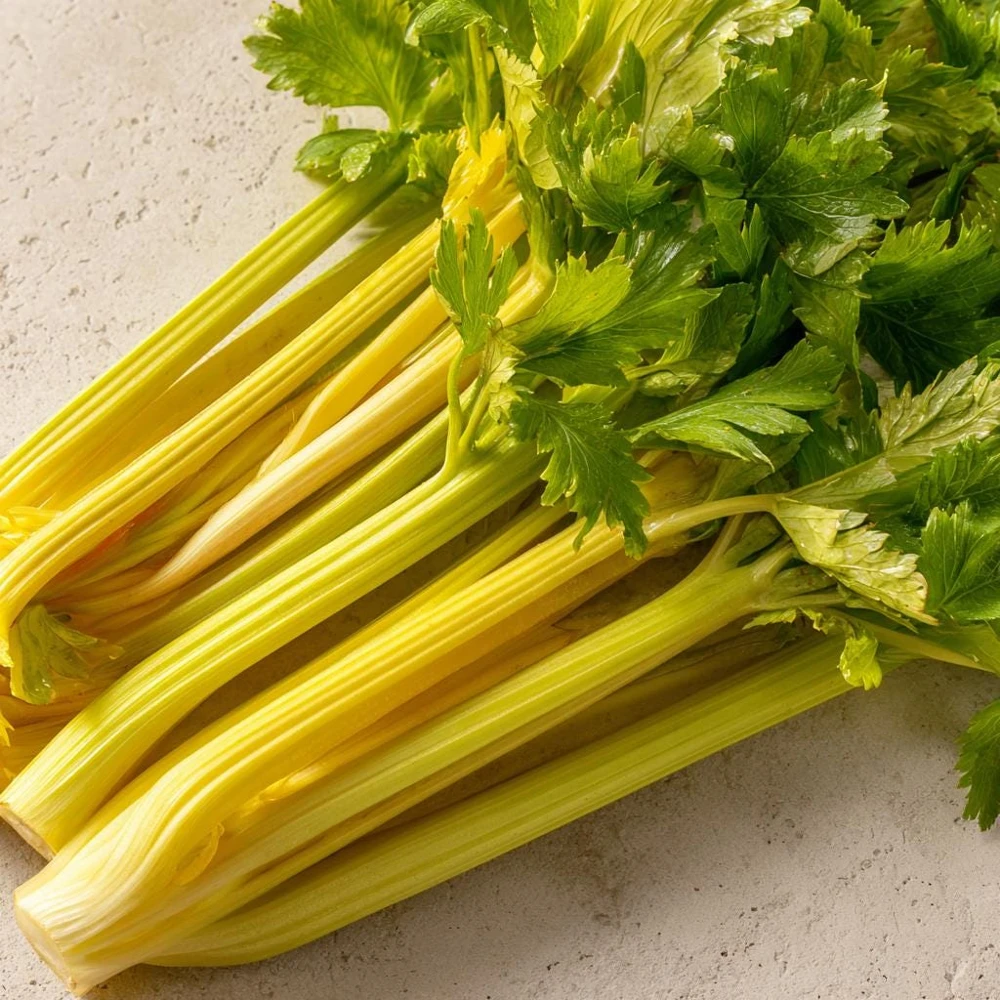
Golden Pascal Celery Seeds – Heirloom Variety – 100 Seed Pack – Easy to Grow Outdoor Vegetable
Reviews
There are no reviews yet.