

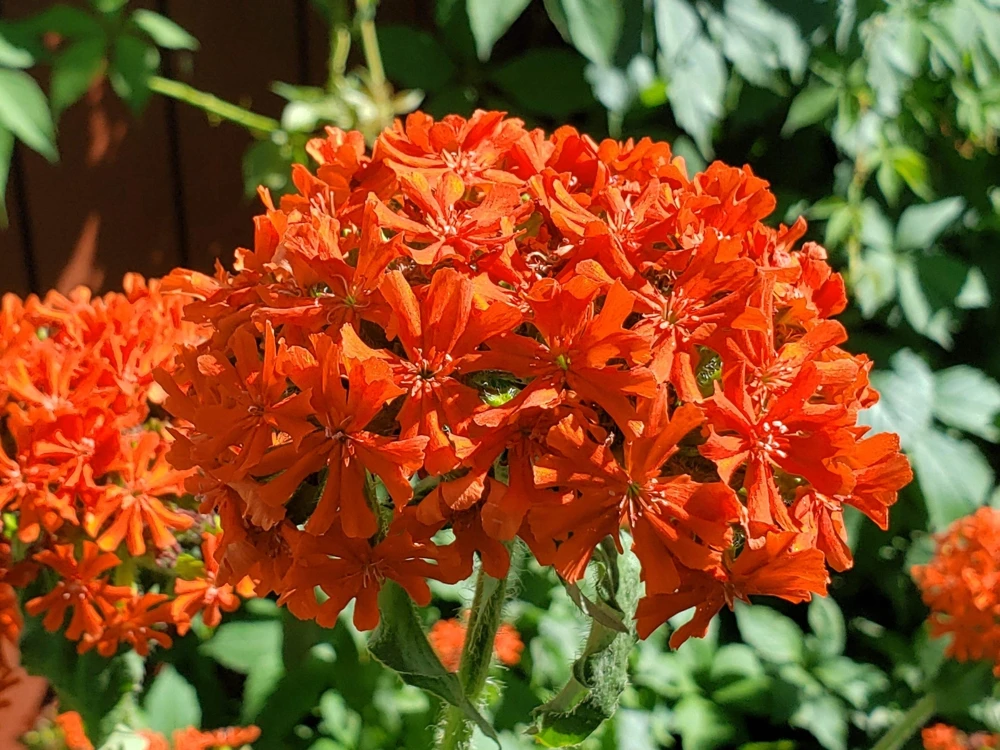
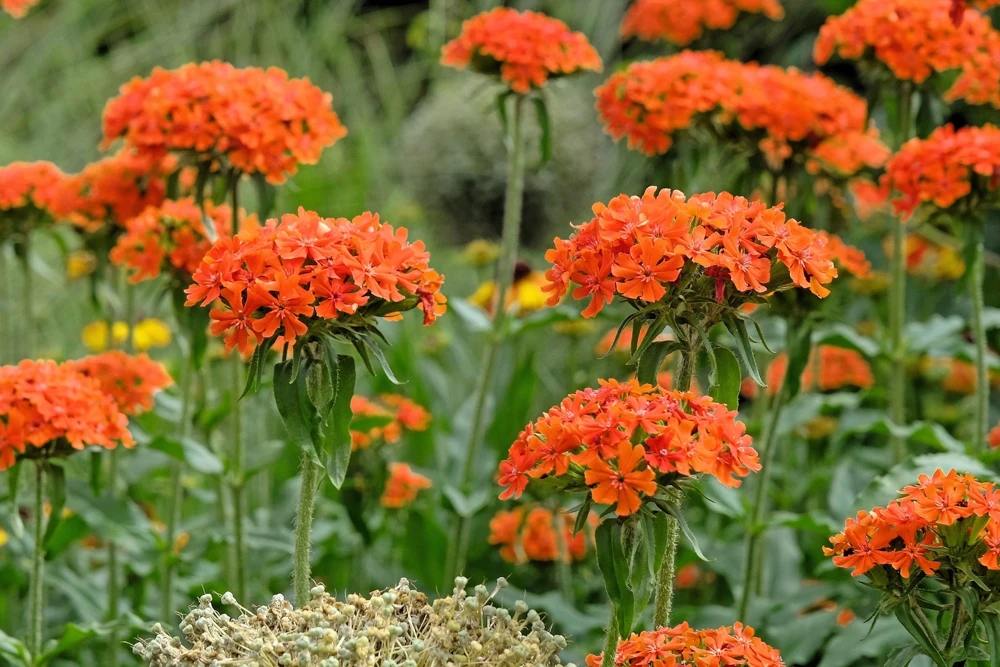
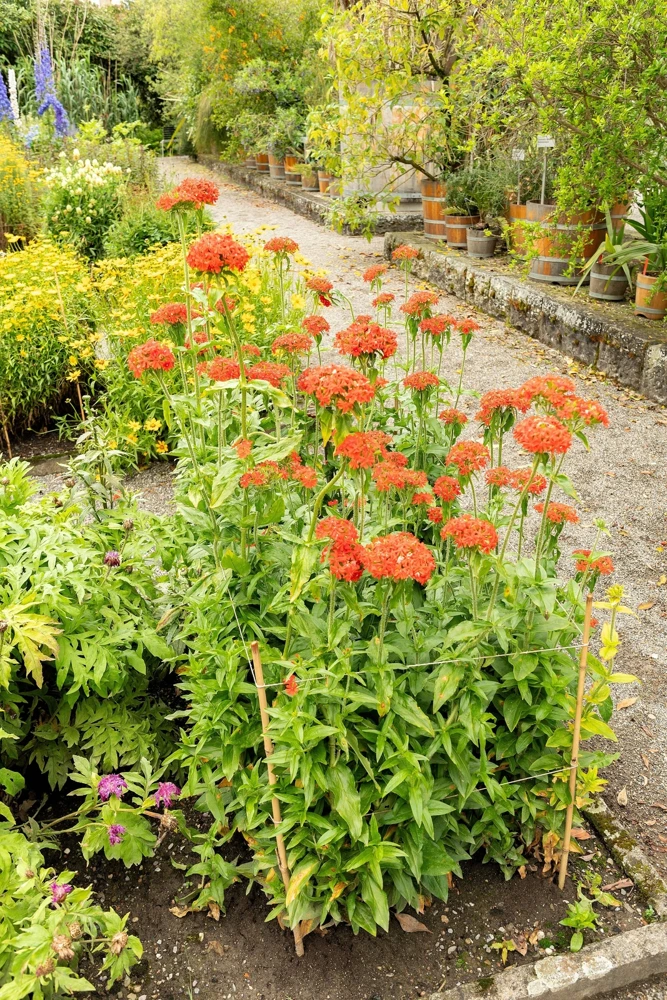
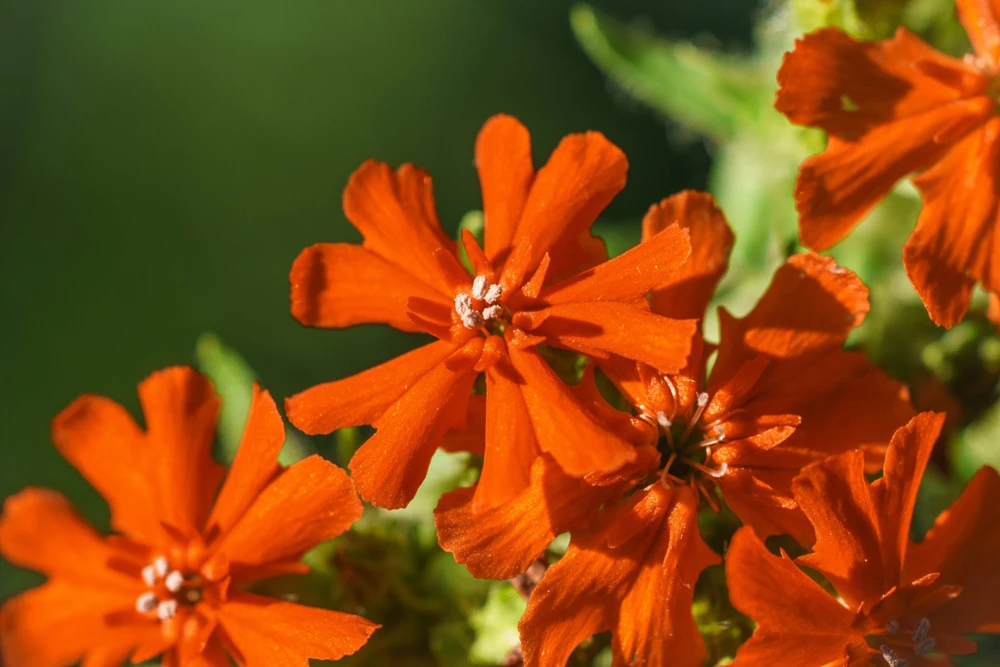
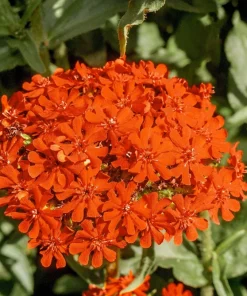
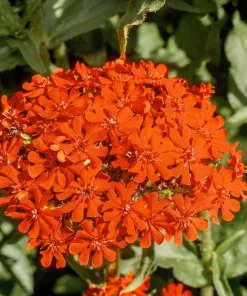
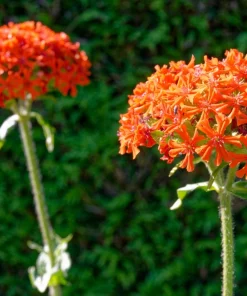
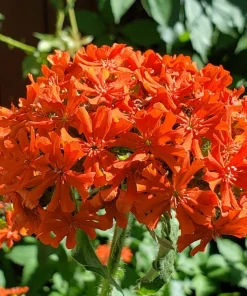
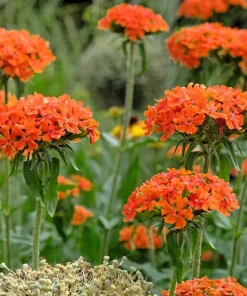
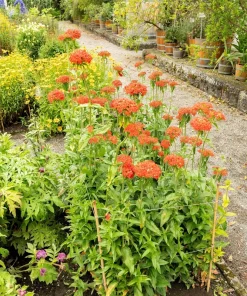
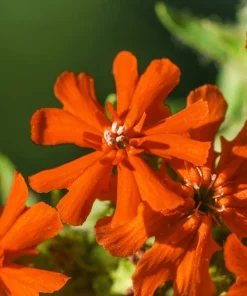
300 Maltese Cross Flower Seeds – Lychnis Chalcedonica – Vibrant Red Blooms
Original price was: $37.99.$17.99Current price is: $17.99.
Cultivate stunning red blooms with this pack of 300 Maltese Cross flower seeds. Ideal for adding a splash of vibrant color to your garden beds and attracting beneficial pollinators. These Lychnis Chalcedonica seeds are perfect for creating eye-catching displays.
Estimated arrival
Sep 17
Sep 22 - Sep 24
Sep 27 - Oct 01
Shop With Confidence
30-Day Plant Health Guarantee
Arrives damaged? We’ll replace it free — see our return policy.
Responsive Support
Email us anytime, we reply within 1 business day.
Expert Packaging
Temperature-controlled shipping to protect your plants in transit.
Secure Checkout
Pay safely with Visa, Mastercard, PayPal.
Plant Specifications
-
USDA Hardiness Zone
USDA Zones 3-8 -
Soil Type
Well-draining soil -
Sunlight Exposure
Full sun to partial shade -
Expected Planting Period
Spring to early summer
Overview
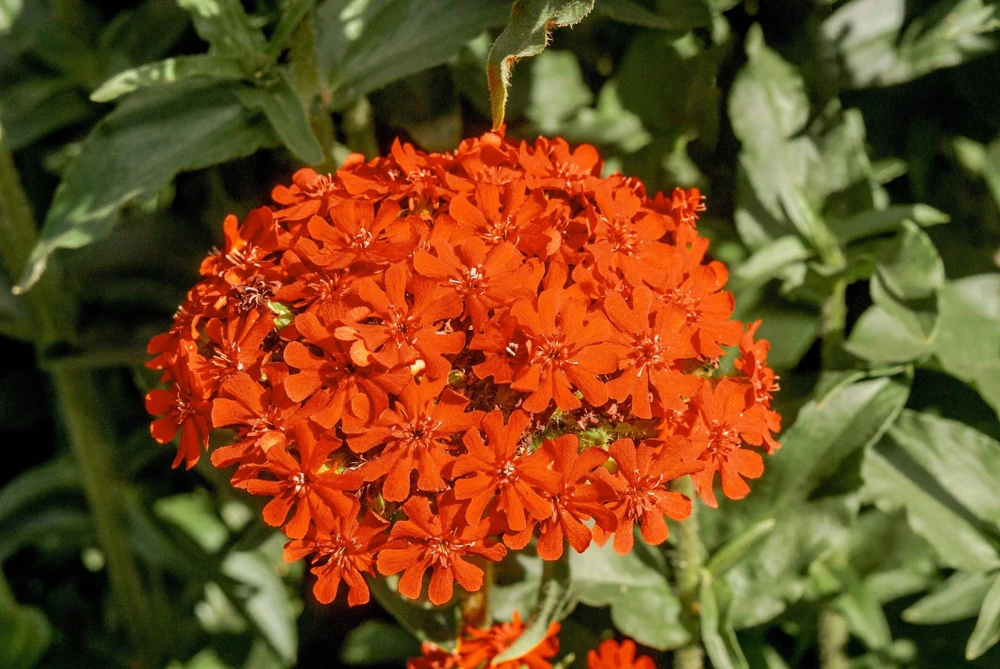
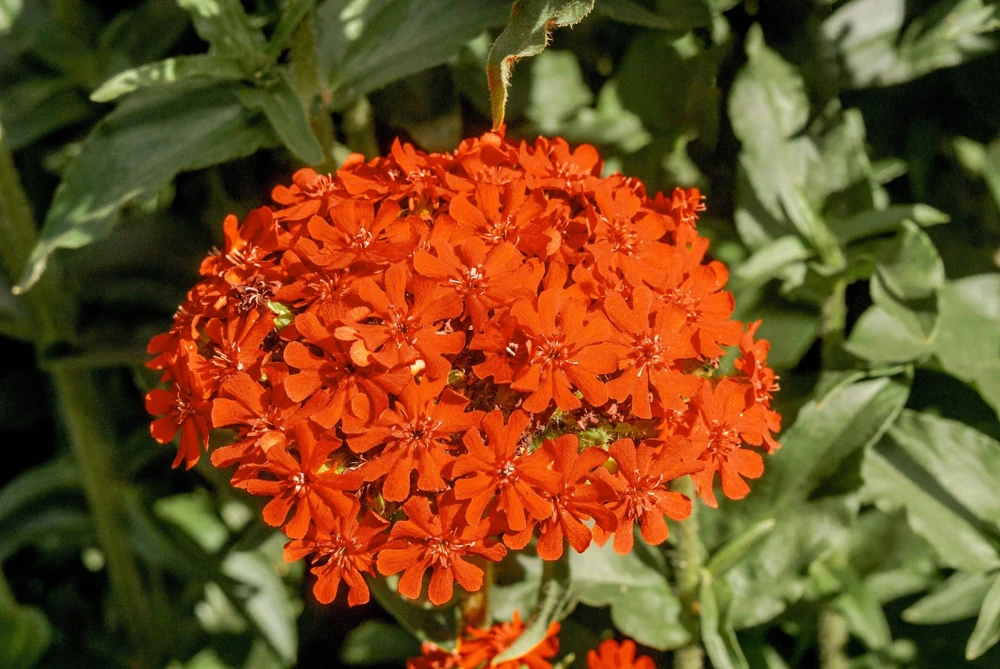
Transform your garden into a fiery spectacle with these 300 Maltese Cross flower seeds. Known botanically as Lychnis Chalcedonica seeds, or sometimes referred to as Jerusalem Cross, these perennial beauties are celebrated for their intensely vibrant, scarlet-orange flowers. Each seed promises to grow into a striking plant, producing clusters of uniquely shaped blossoms that resemble a Maltese cross, hence their common name. Perfect for adding dramatic height and color to borders, cottage gardens, and naturalized areas, these seeds offer an opportunity to cultivate a truly show-stopping display. The cheerful blooms are not only visually appealing but also a magnet for butterflies and other beneficial pollinators, bringing life and movement to your outdoor space. Easy to grow and remarkably resilient, the Maltese Cross flower seeds are an excellent choice for both seasoned gardeners and those just starting their horticultural journey.
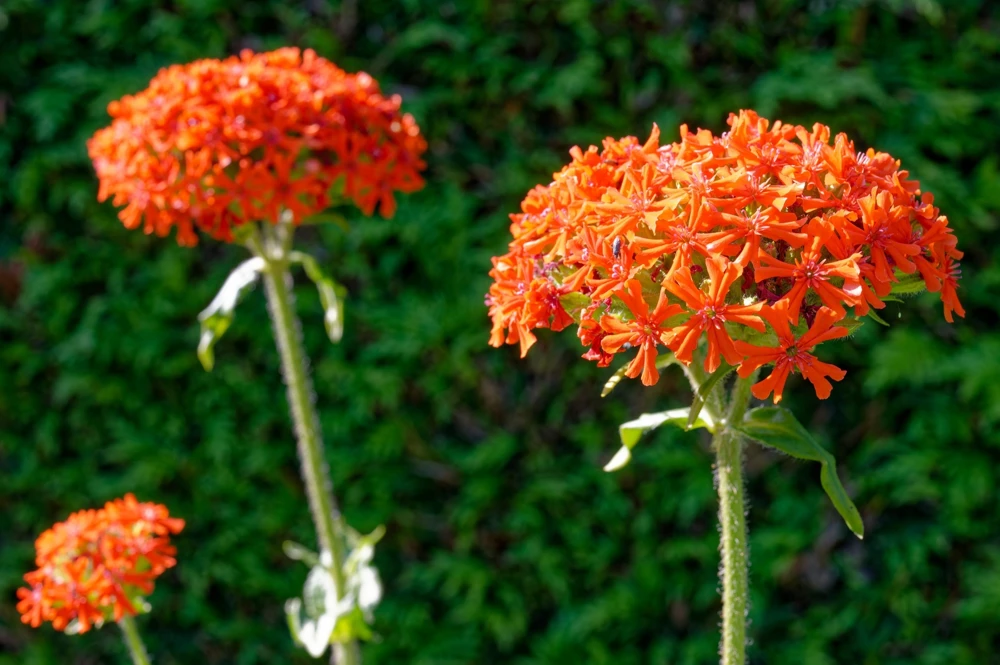
These Jerusalem Cross seeds are a fantastic way to introduce a touch of historical charm and vivid color to your landscape. The plants typically reach a height of 2 to 3 feet, making them an ideal backdrop for shorter plants or a focal point in their own right. Their long-lasting blooms provide continuous color throughout the summer, ensuring your garden remains lively and engaging. Planting these seeds will allow you to enjoy the full lifecycle of this captivating flower, from germination to flowering, and potentially even seed collection for future seasons.
Key Benefits
Planting Maltese Cross flower seeds offers a multitude of benefits, enhancing both the aesthetic appeal and ecological health of your garden. These robust plants are a gardener’s delight, providing continuous beauty with minimal fuss.
- Vibrant, Long-Lasting Blooms: Enjoy a spectacular display of brilliant scarlet-orange flowers that persist throughout the summer months, providing consistent color when many other plants begin to fade.
- Attracts Pollinators: The bright flowers of Lychnis Chalcedonica seeds are highly attractive to butterflies, bees, and hummingbirds, helping to support local ecosystems and improve garden biodiversity.
- Low Maintenance: Once established, these plants are remarkably hardy and require minimal care, making them an excellent choice for busy gardeners or those seeking low-effort beauty.
- Versatile Garden Use: Ideal for mass plantings, borders, cottage gardens, and naturalized areas, the upright growth habit of Jerusalem Cross seeds adds structure and visual interest to various garden designs.
- Drought Tolerant: Known for their resilience, these plants can withstand periods of dry weather once mature, making them suitable for water-wise gardening.
- Deer Resistant: Maltese Cross plants are generally not favored by deer, offering a good option for gardens in areas where deer browse can be an issue.
- Easy to Grow from Seed: These Maltese Cross flower seeds germinate reliably and grow into strong plants, providing a cost-effective way to fill your garden with stunning blooms.
Plant Care & Growing Tips
Growing Maltese Cross flower seeds is a rewarding experience, as these plants are relatively straightforward to cultivate. For optimal growth and a dazzling display, understanding their basic needs is key. Start by sowing the Lychnis Chalcedonica seeds directly outdoors in spring after the last frost, or indoors 6-8 weeks before the last frost for an earlier bloom. Lightly cover the seeds with about 1/8 inch of soil, as they require light to germinate. Keep the soil consistently moist until germination, which typically occurs within 7-21 days.
Once established, Maltese Cross plants thrive in full sun, meaning at least 6 hours of direct sunlight per day. They can tolerate partial shade, especially in hotter climates, but may produce fewer flowers. Well-draining soil is crucial; these plants do not like wet feet, which can lead to root rot. Amend heavy clay soils with organic matter to improve drainage. While they are adaptable to various soil types, a moderately fertile soil will encourage stronger growth and more prolific blooms. Watering should be regular during dry spells, especially in their first year, but reduce frequency once the plants are mature and established, as they become more drought-tolerant.
Maltese Cross is a hardy perennial, generally suitable for USDA zones 3-8. Fertilization is usually not heavily required; a light application of a balanced granular fertilizer in early spring can be beneficial, but avoid over-fertilizing, which can lead to lush foliage at the expense of flowers. Deadheading spent blooms will encourage more flowering and prevent excessive self-seeding. While generally disease-resistant, watch out for common garden pests like aphids or powdery mildew in humid conditions. Good air circulation and proper spacing between plants can help prevent fungal issues. These Jerusalem Cross seeds will provide years of enjoyment with proper care.
Size & Details
This offering includes 300 Maltese Cross flower seeds (Lychnis chalcedonica), providing ample opportunity to establish a beautiful patch of these vibrant perennials. The plants typically grow to an impressive height of 2 to 3 feet (60-90 cm) and spread about 1 to 1.5 feet (30-45 cm) wide, creating a striking vertical element in your garden. The seeds are packed to ensure viability and are ready for planting upon arrival. With a moderate growth rate, you can expect blooms in the first or second year after planting, with the most prolific flowering occurring in subsequent years as the plant matures. The seeds are ideal for direct sowing in garden beds or starting indoors for transplanting.
Each seed has the potential to develop into a robust plant, producing numerous clusters of the distinctive scarlet-orange flowers. These plants are known for their strong stems, which hold the flower clusters upright, making them excellent for cut flower arrangements. The Maltese Cross flower seeds are a fantastic investment for long-term garden beauty and ecological benefit, providing a consistent source of nectar for pollinators throughout the summer.
Frequently Asked Questions
- Q: How big does this plant get? A: The Maltese Cross flower seeds will grow into plants that typically reach a height of 2 to 3 feet (60-90 cm) and spread about 1 to 1.5 feet (30-45 cm) wide. They provide a good vertical element in garden designs.
- Q: Is this an indoor or outdoor plant? A: Maltese Cross (Lychnis chalcedonica) is primarily an outdoor perennial plant. While you can start the Lychnis Chalcedonica seeds indoors, the mature plants thrive outdoors in garden beds and borders.
- Q: How much sunlight does it need? A: These plants prefer full sun, meaning at least 6 hours of direct sunlight daily. They can tolerate partial shade, especially in hot climates, but may produce fewer blooms.
- Q: Is this plant easy to care for? A: Yes, Maltese Cross is considered a low-maintenance plant once established. It is relatively hardy and drought-tolerant, making it suitable for gardeners of all experience levels.
- Q: What condition will it arrive in? A: You will receive a packet containing 300 Maltese Cross flower seeds. These are fresh seeds ready for planting according to the provided instructions.
- Q: How long until it blooms? A: When grown from Jerusalem Cross seeds, you can expect the first blooms in the first or second year after planting. Subsequent years will see more abundant flowering.
- Q: Will it survive winter in my zone? A: Maltese Cross is a hardy perennial suitable for USDA Zones 3-8. In these zones, it will typically survive winter and return in the spring.
- Q: What is the best time to plant these seeds? A: The best time to plant Maltese Cross flower seeds is in the spring after the last frost for direct outdoor sowing, or 6-8 weeks before the last frost if starting indoors.
- Q: Do these flowers attract pollinators? A: Absolutely! The vibrant red blooms of Maltese Cross are highly attractive to butterflies, bees, and hummingbirds, making them an excellent choice for a pollinator garden.
- Q: Are these seeds perennial? A: Yes, Lychnis Chalcedonica seeds will grow into perennial plants, meaning they will return year after year in suitable climates, providing long-term beauty.
Be the first to review “300 Maltese Cross Flower Seeds – Lychnis Chalcedonica – Vibrant Red Blooms”
People Also Viewed
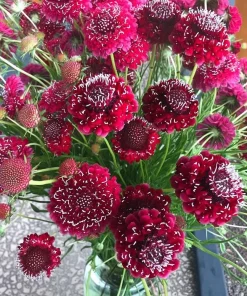
Flower Seeds
Scabiosa Fire King Seeds – 50 Seeds – Vibrant Red & Yellow Blooms – Attracts Pollinators





Reviews
There are no reviews yet.