


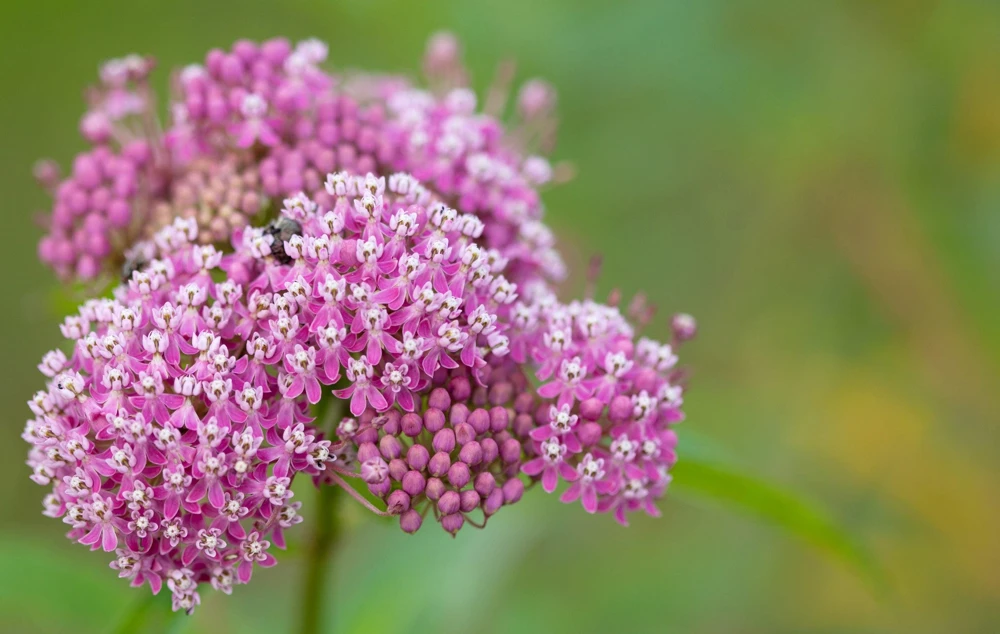
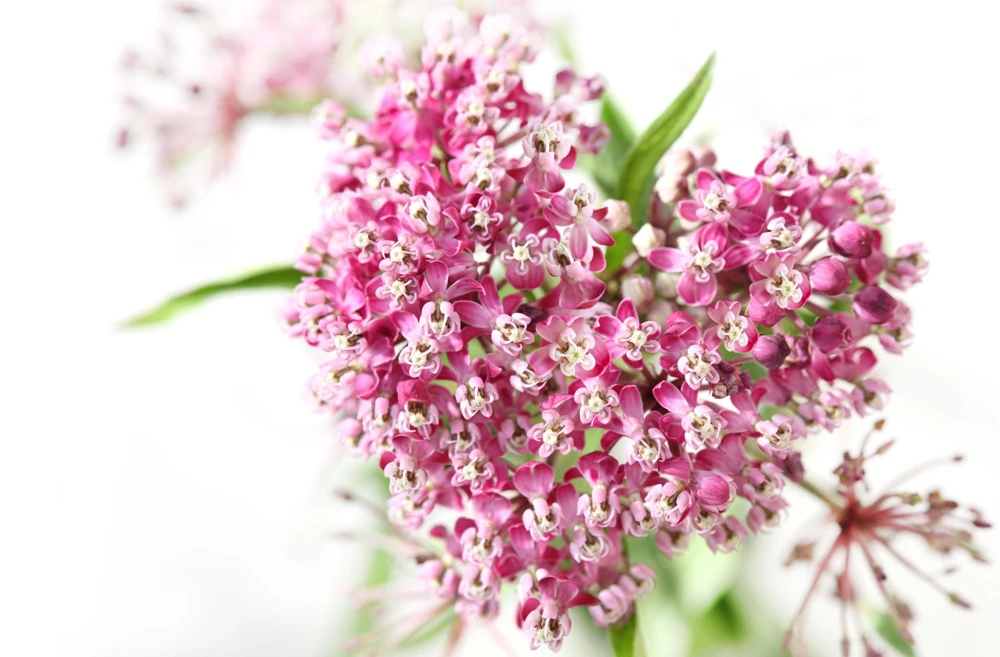

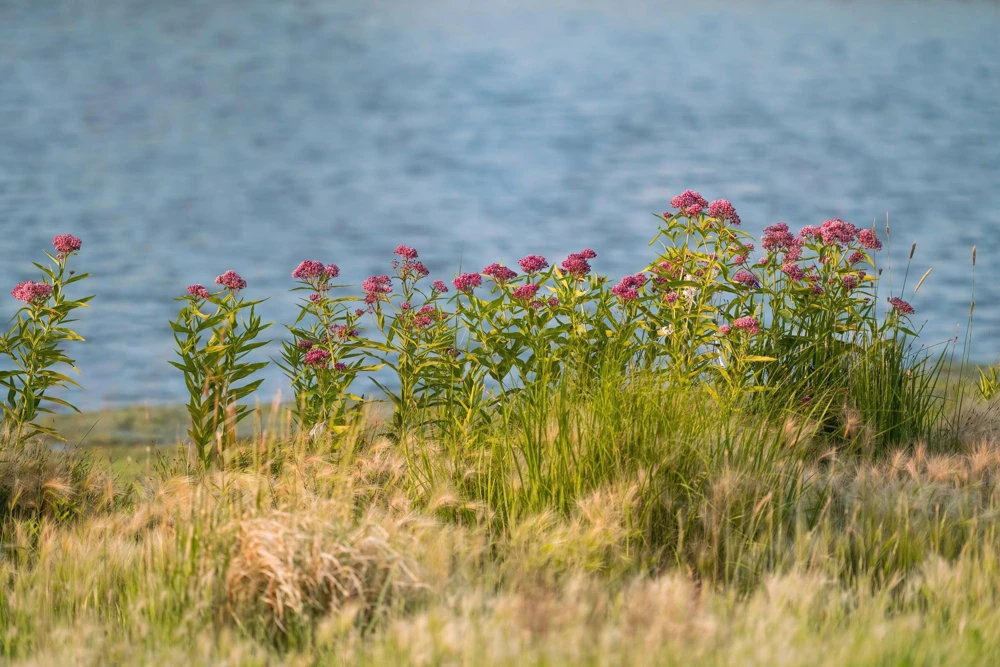
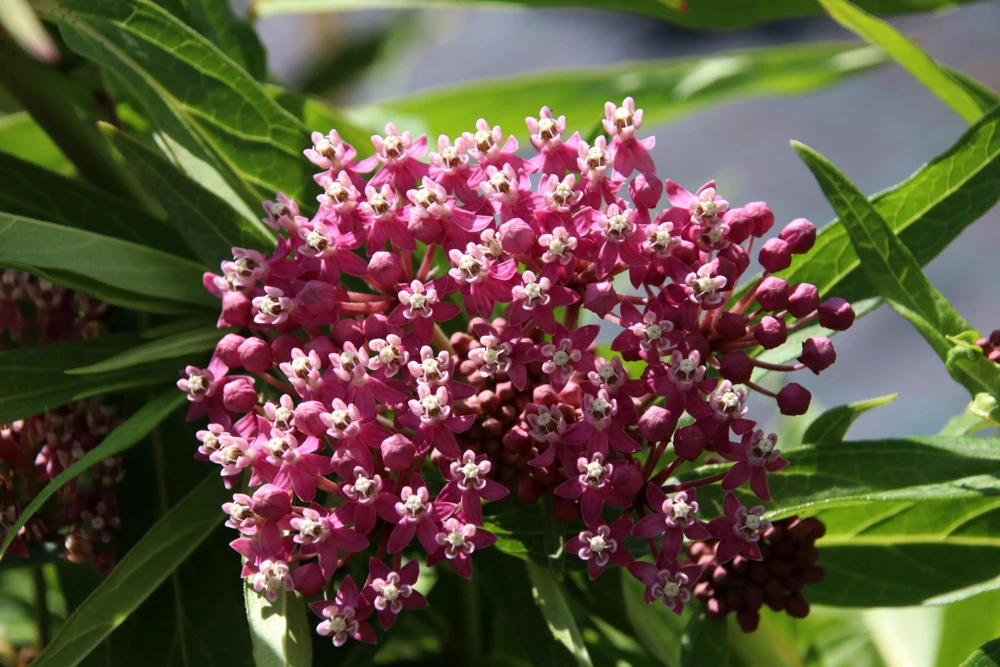
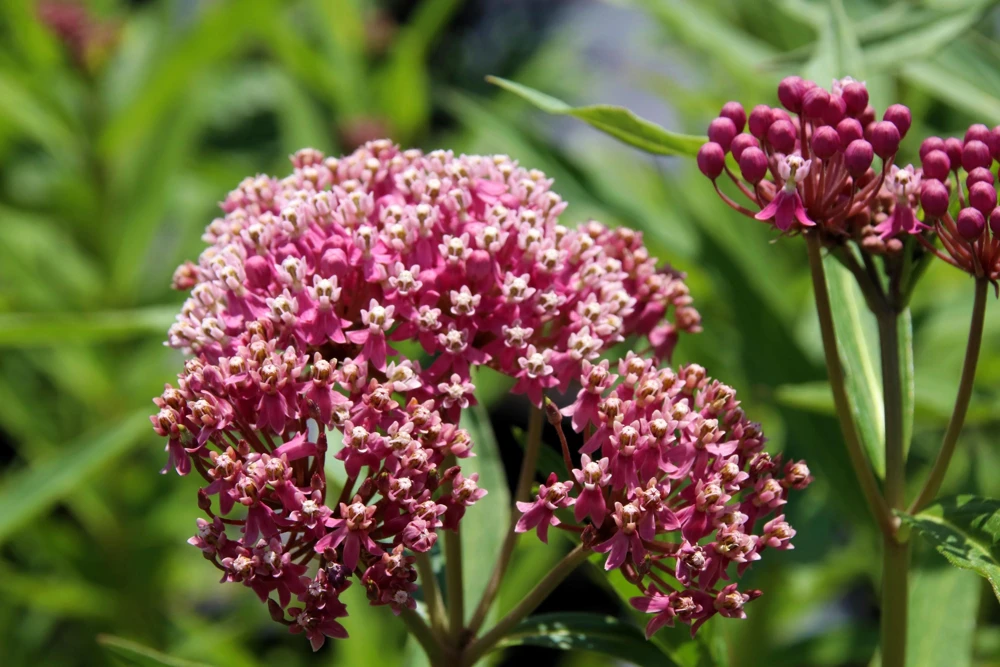
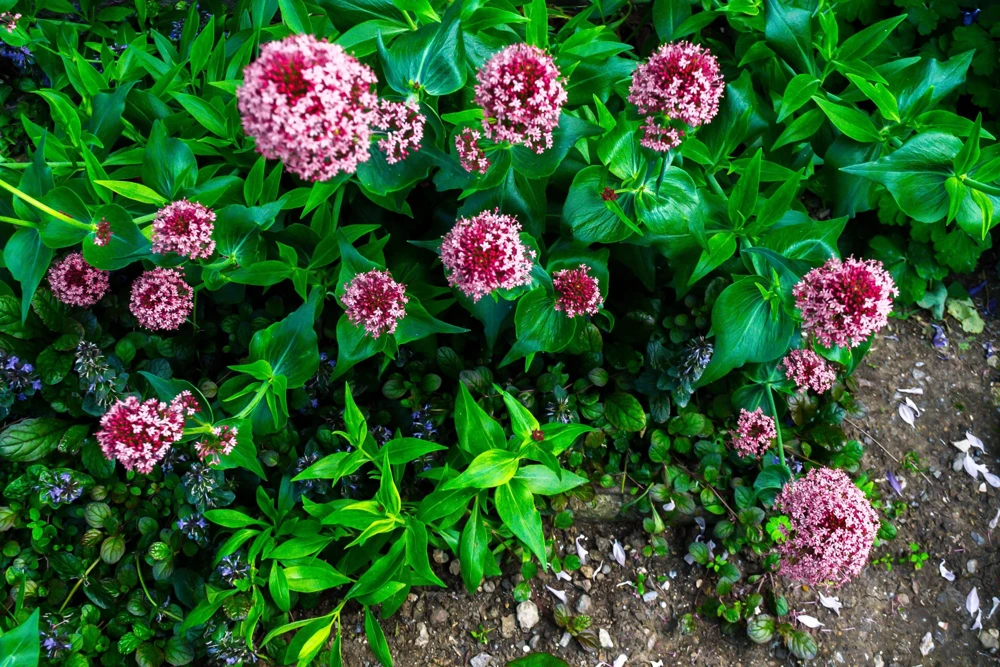
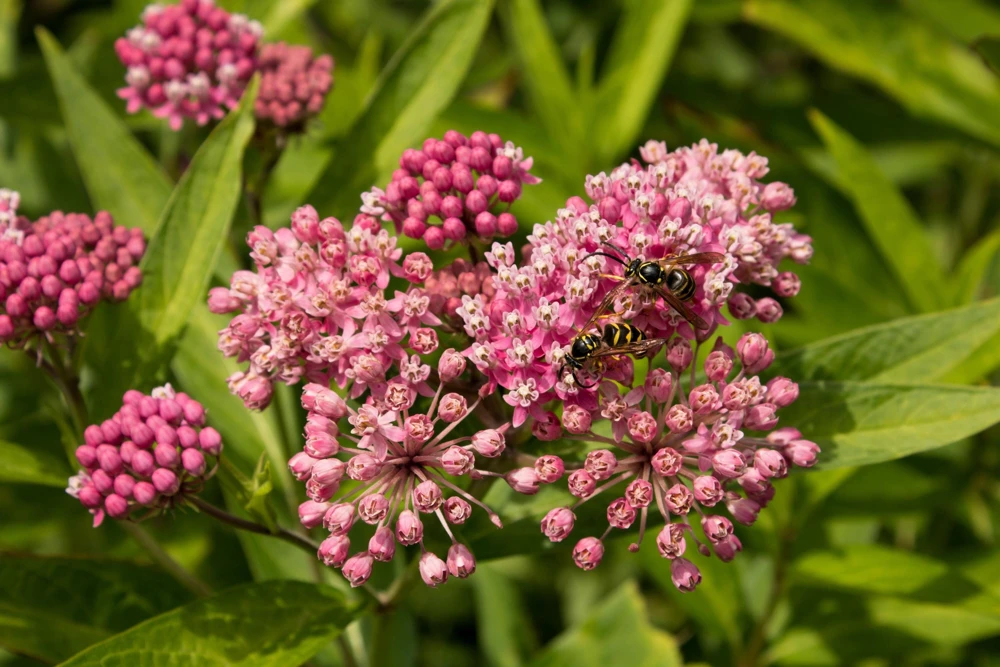

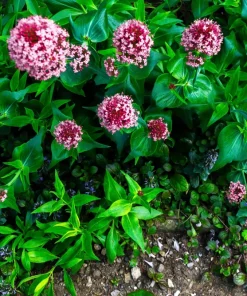
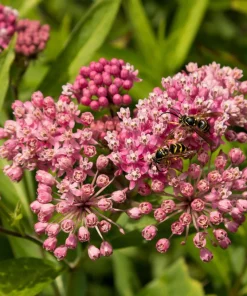
Swamp Milkweed Seeds – Asclepias Incarnata Flower Seeds – 75 Seeds – Dark Pink Flowers
Original price was: $36.99.$16.99Current price is: $16.99.
Cultivate vibrant swamp milkweed seeds (Asclepias Incarnata) to create a pollinator haven in your garden. These beautiful dark pink flowers are essential for monarch butterflies and thrive in average to wet soil conditions. Perfect for zones 3-8, these asclepias incarnata seeds are easy to plant and grow.
Estimated arrival
Sep 17
Sep 22 - Sep 24
Sep 27 - Oct 01
Shop With Confidence
30-Day Plant Health Guarantee
Arrives damaged? We’ll replace it free — see our return policy.
Responsive Support
Email us anytime, we reply within 1 business day.
Expert Packaging
Temperature-controlled shipping to protect your plants in transit.
Secure Checkout
Pay safely with Visa, Mastercard, PayPal.
Plant Specifications
-
USDA Hardiness Zone
3-8 -
Soil Type
Average to wet, well-draining soil -
Sunlight Exposure
Full sun - Part shade -
Expected Planting Period
Fall / Spring after cold stratification
Overview
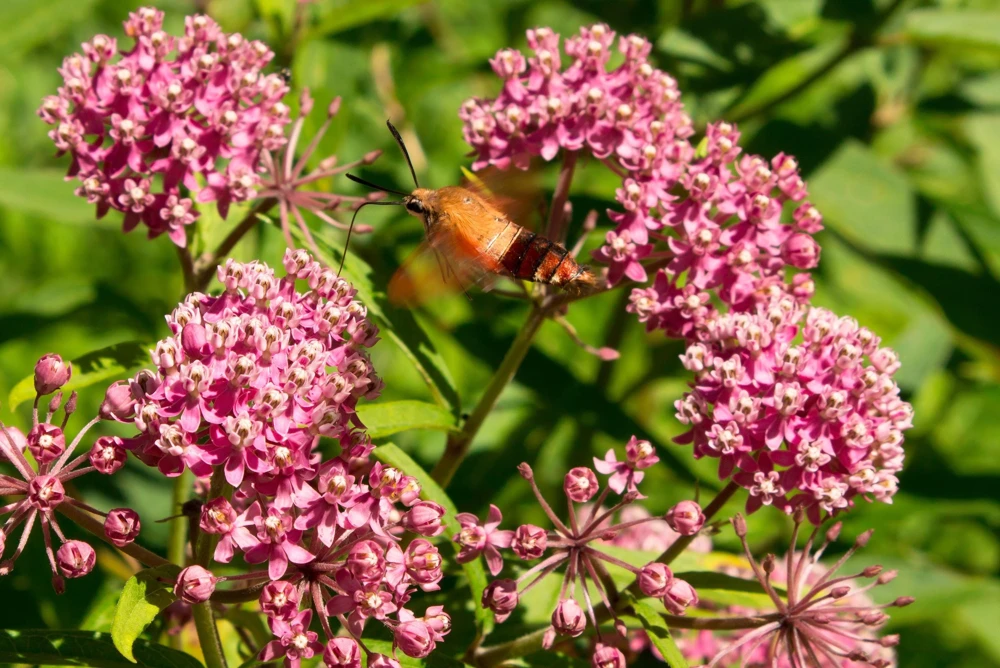
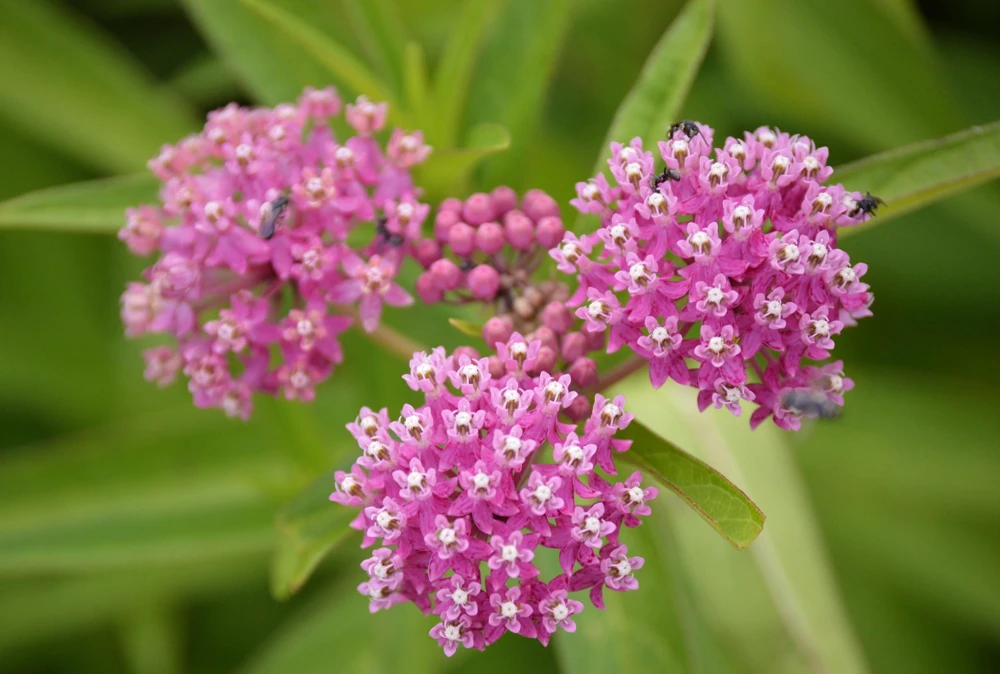
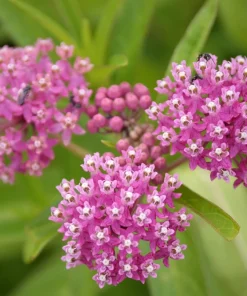
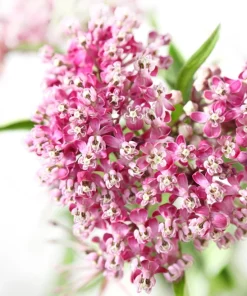
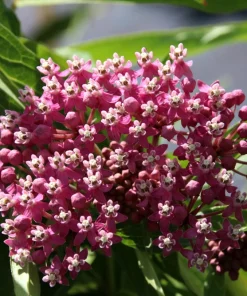
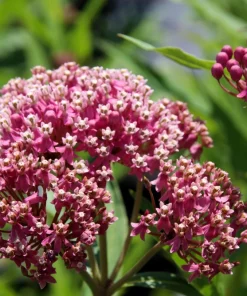
Discover the beauty and ecological importance of swamp milkweed seeds, scientifically known as Asclepias Incarnata. These native perennial flower seeds are a must-have for any gardener looking to support local ecosystems, especially the beloved monarch butterfly. Known for their striking dark pink to mauve blooms, swamp milkweed seeds transform garden spaces into vibrant havens for pollinators. Each packet contains 75 high-quality seeds, providing ample opportunity to establish a thriving patch of this resilient plant. Ideal for a variety of garden settings, from rain gardens to traditional borders, Swamp Milkweed is not only visually appealing but also a critical host plant for monarch larvae, making it an invaluable addition to your landscape.
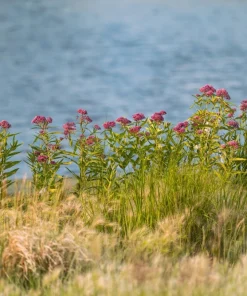
Also known as Rose Milkweed, Red Milkweed, or Swamp Silkweed, Asclepias Incarnata is celebrated for its robust nature and ability to flourish in moist environments. Its distinctive common name comes from the milky sap found within its stems, a characteristic shared across the milkweed family. Historically, the plant’s scientific name, derived from Asclepius, the Greek god of healing, hints at its folk-medicinal uses, although it’s primarily cultivated today for its ornamental and ecological benefits. Growing 36 to 60 inches tall, these plants create a significant visual impact, attracting bees, butterflies, and other beneficial insects throughout the summer blooming period. Planting these asclepias incarnata seeds is a rewarding experience, contributing to biodiversity and adding natural beauty to your outdoor space.
Key Benefits
Growing swamp milkweed seeds offers a multitude of advantages for both your garden and the environment. These benefits extend beyond simple aesthetics, providing crucial support for wildlife and enhancing the overall health of your landscape. Adding this plant to your garden is a step towards creating a more sustainable and vibrant ecosystem.
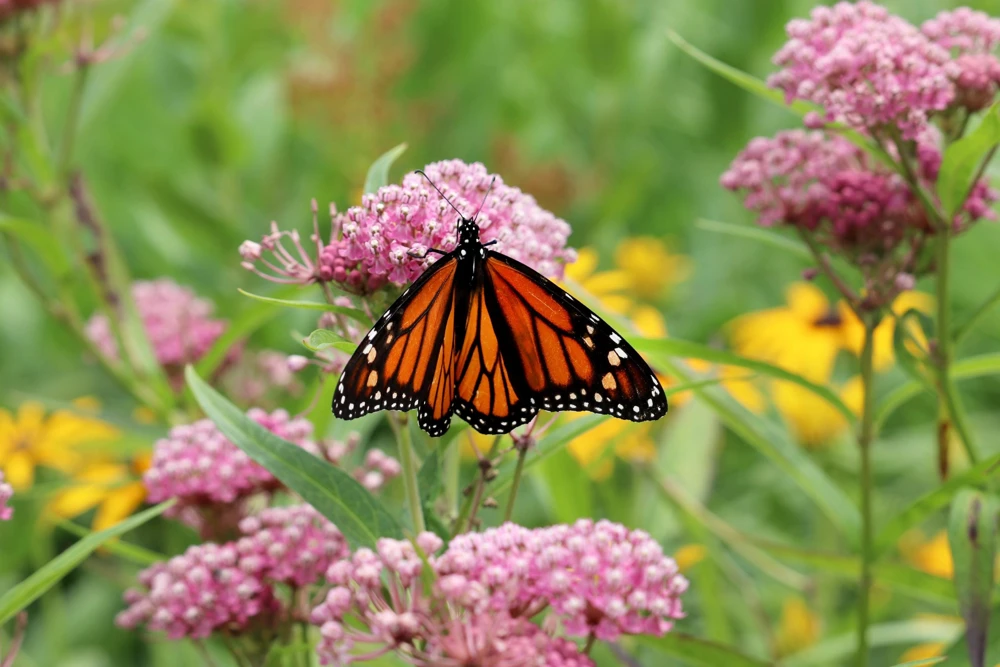
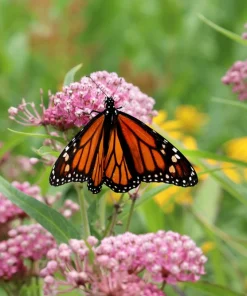
- Monarch Butterfly Host Plant:Swamp milkweed seeds are vital for the survival of monarch butterflies. The leaves provide the sole food source for monarch caterpillars, making this plant an essential component in supporting their life cycle and population.
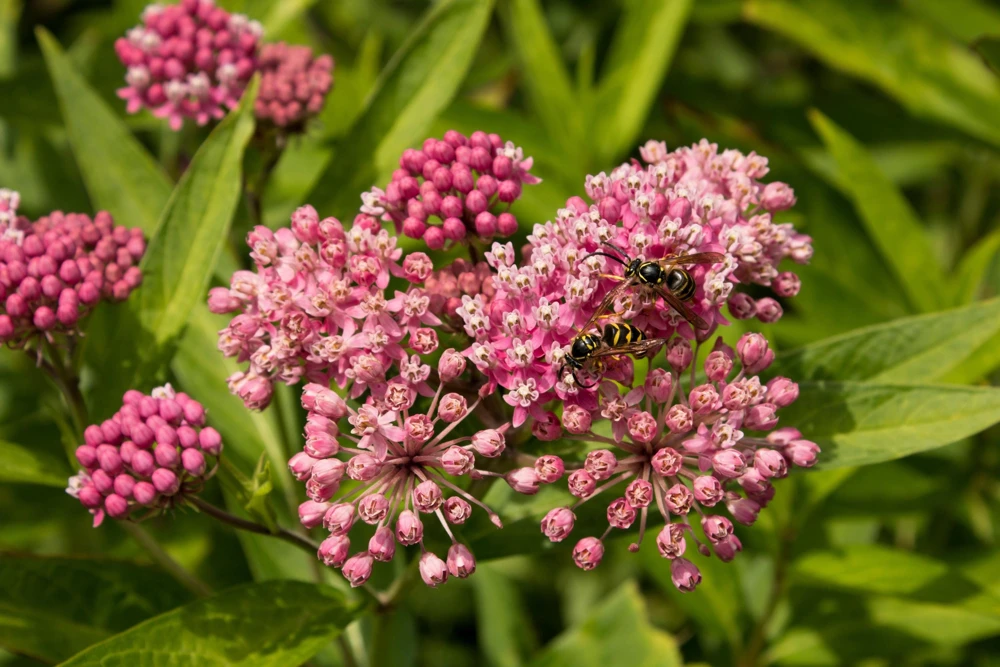
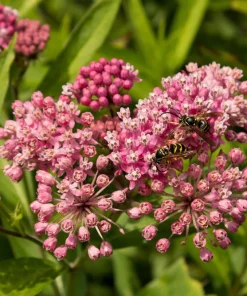
- Attracts Pollinators: Beyond monarchs, the nectar-rich flowers of Asclepias Incarnata are a magnet for a wide array of pollinators, including bees, other butterflies, and beneficial insects. This promotes healthier plant growth and biodiversity in your garden.
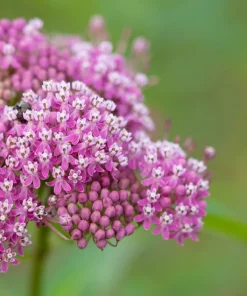
- Beautiful Dark Pink Blooms: Enjoy a spectacular display of dark pink to mauve flowers throughout the summer. These showy clusters add a vibrant splash of color to any garden bed, wetland area, or naturalized setting.
- Adaptable to Wet Soils: Unlike many ornamental plants, pink milkweed seeds thrive in average to wet soil conditions, making them perfect for rain gardens, pond edges, or areas with poor drainage where other plants might struggle.
- Low Maintenance Perennial: Once established, Swamp Milkweed is a hardy and resilient perennial. It requires minimal care, returning year after year to grace your garden with its beauty and ecological value.
- Attractive Seed Pods: After blooming, the plant produces interesting seed pods that can be used in dried floral arrangements, adding another dimension of visual interest to your garden even after the flowers fade.
- Supports Biodiversity: By planting swamp milkweed seeds, you contribute to a richer, more diverse garden ecosystem, providing food and habitat for various wildlife species and enhancing the natural balance of your outdoor space.
Plant Care & Growing Tips
Cultivating swamp milkweed seeds is a straightforward process, especially when you understand its specific needs. To ensure successful germination and a thriving plant, proper preparation and ongoing care are essential. These plants are quite resilient, but providing them with their preferred conditions will result in the most robust growth and abundant blooms.
For optimal growth, Asclepias Incarnata seeds require a period of cold stratification before planting. This mimics natural winter conditions and encourages germination. You can achieve this by placing the seeds in a moist medium (like sand or peat) in a sealed bag and refrigerating them for approximately one month. Once stratified, sow the seeds in fall, or in spring after the last frost. They prefer full sun to partial shade, meaning at least 6 hours of direct sunlight per day for best flowering, though they can tolerate some afternoon shade in hotter climates. The ideal soil for swamp milkweed seeds is average to wet, well-draining soil. They are particularly well-suited for areas that remain consistently moist, such as near water features or in rain gardens. During dry spells, ensure consistent watering, especially when the plants are young, to help them establish a strong root system.
Swamp Milkweed is hardy in USDA Zones 3-8, demonstrating excellent cold tolerance. Plant spacing should be 18 to 24 inches apart to allow for mature growth and good air circulation. Once established, these plants are relatively drought-tolerant, but they truly flourish with consistent moisture. Fertilization is generally not necessary in rich garden soils, but if your soil is poor, a balanced slow-release fertilizer can be applied in spring. Watch out for aphids, a common pest for milkweeds; a strong spray of water or insecticidal soap can manage infestations. Deadheading spent flowers is not strictly necessary but can encourage a tidier appearance and sometimes a second flush of blooms. Allowing some flowers to go to seed will also ensure future generations of these beneficial plants, further supporting monarch populations and other pollinators that rely on monarch butterfly plant species.
Size & Details
Our swamp milkweed seeds offer a convenient and economical way to grow this valuable perennial. Each packet contains 75 individual seeds, providing a generous quantity for planting a significant area or sharing with fellow gardeners. Once mature, Asclepias Incarnata plants typically reach a height of 36 to 60 inches, creating an impressive vertical element in the garden. They have a spread of 18 to 24 inches, forming an attractive clump of foliage and flowers. The dark pink to mauve blooms appear throughout the summer, attracting a variety of pollinators.
These seeds are easy to handle and store, and with proper cold stratification, they have an excellent germination rate. The resulting plants are robust and long-lived, providing years of beauty and ecological benefit. They are shipped as dry seeds, ready for stratification and planting according to your local climate and preferred growing season. Expect the plants to bloom in their first or second year, depending on planting time and growing conditions. The hardiness of these pink milkweed seeds across USDA Zones 3-8 ensures they can thrive in a wide range of climates, making them a versatile choice for many gardeners.
Frequently Asked Questions
- Q: How many seeds are included in one packet? A: Each packet contains 75 high-quality swamp milkweed seeds, providing a good quantity for establishing a healthy patch in your garden.
- Q: How tall do these plants typically grow? A: Mature Swamp Milkweed plants generally reach a height of 36 to 60 inches, making them a prominent feature in garden beds.
- Q: Is this an indoor or outdoor plant? A: Asclepias Incarnata is an outdoor perennial plant, best suited for garden beds, rain gardens, or naturalized areas where it can receive adequate sunlight and moisture.
- Q: How much sunlight does Swamp Milkweed need? A: These plants thrive in full sun to partial shade, ideally receiving at least 6 hours of direct sunlight per day for the best flowering performance.
- Q: Is this plant easy to care for? A: Yes, once established, Swamp Milkweed is a relatively low-maintenance plant. It’s known for its hardiness and adaptability, especially in moist soil conditions.
- Q: When is the best time to plant these seeds? A: After cold stratification, swamp milkweed seeds can be planted in the fall or in the spring after the danger of the last frost has passed.
- Q: What condition will the seeds arrive in? A: The product consists of dry seeds, packaged for safe transit and ready for you to begin the cold stratification and planting process.
- Q: What kind of soil do these plants prefer? A: Swamp Milkweed prefers average to wet, well-draining soil. It’s an excellent choice for areas with consistent moisture, differentiating it from other milkweed varieties.
- Q: Will this plant attract monarch butterflies? A: Absolutely! Swamp Milkweed is a crucial host plant for monarch butterfly larvae, playing a vital role in supporting their population. It’s an excellent choice for a monarch butterfly plant.
- Q: What USDA hardiness zones are suitable for this plant? A: This plant is cold hardy and thrives in USDA Zones 3 through 8, making it suitable for a wide range of climates across the US.
Be the first to review “Swamp Milkweed Seeds – Asclepias Incarnata Flower Seeds – 75 Seeds – Dark Pink Flowers”
People Also Viewed






Reviews
There are no reviews yet.