
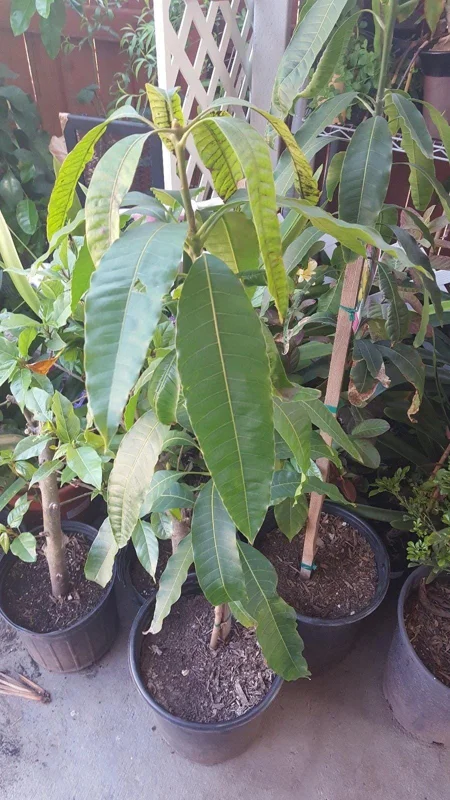
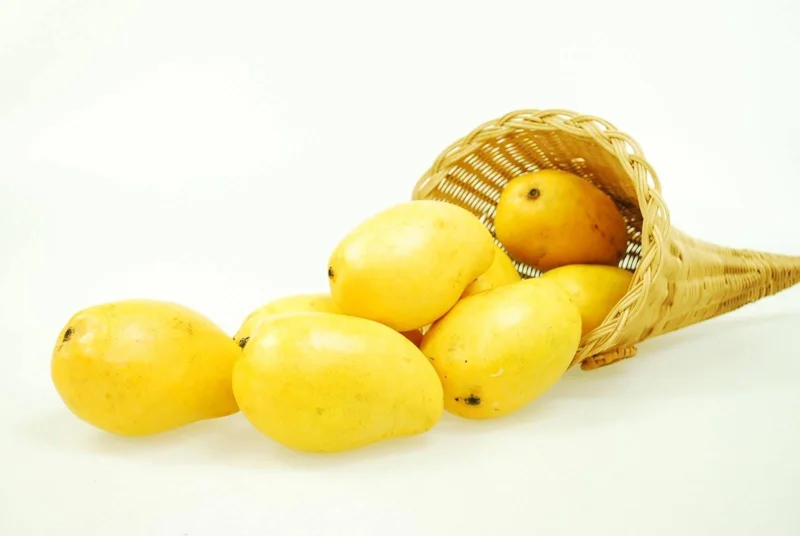
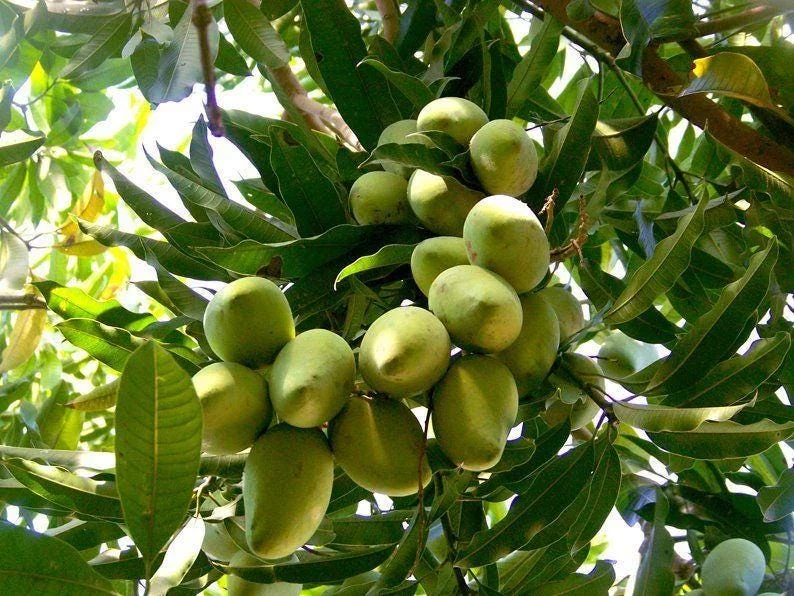
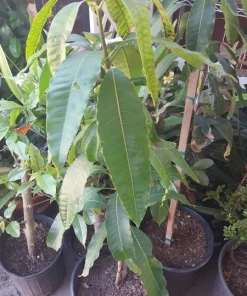
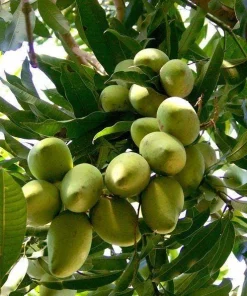
Manila Mango Tree Live Plant – Grafted – 2 Feet Tall – Ships in 3 Gallon Pot
Original price was: $257.76.$157.76Current price is: $157.76.
Cultivate your own tropical harvest with a Manila mango tree live plant. This 2-foot tall, grafted tree is renowned for its delicious, fiberless, and sweet fruit. Ideal for subtropical regions or container growing, it brings a taste of the tropics to your home.
Estimated arrival
Sep 14
Sep 19 - Sep 21
Sep 24 - Sep 28
Shop With Confidence
30-Day Plant Health Guarantee
Arrives damaged? We’ll replace it free — see our return policy.
Responsive Support
Email us anytime, we reply within 1 business day.
Expert Packaging
Temperature-controlled shipping to protect your plants in transit.
Secure Checkout
Pay safely with Visa, Mastercard, PayPal.
Plant Specifications
-
USDA Hardiness Zone
USDA zones 9–11 (outdoors with frost protection) or container plant for colder zones -
Soil Type
Well-draining soil -
Sunlight Exposure
Full sun (6–8+ hours daily) -
Expected Planting Period
Early spring to early summer
Overview
Experience the joy of growing your own tropical fruit with this exquisite Manila mango tree live plant. Widely celebrated for its exceptional quality, the Manila mango is a favorite among fruit enthusiasts. This grafted tree, standing at approximately 2 feet tall, is ready to establish itself in your garden or a large container. The Manila variety, often simply called ‘Manila’, is particularly prized for its resilience and disease resistance, especially in subtropical climates. It’s an early-season mango, typically flowering in January and February, promising a bountiful harvest of delectable fruit.
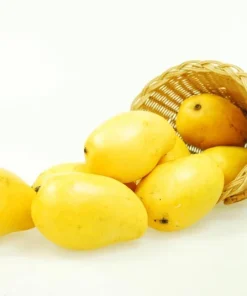
This grafted mango tree ensures you get a true-to-type plant that will produce the signature kidney-shaped, yellow-skinned fruit with incredibly sweet, buttery, and fiberless flesh. Whether you’re an experienced gardener or just starting, bringing a Manila mango tree live plant into your home or garden offers a rewarding experience and a continuous supply of fresh, homegrown mangoes.
Key Benefits
Cultivating a Manila mango tree live plant offers numerous advantages, from its delicious fruit to its adaptability.
- Exceptional Fruit Quality: Enjoy the distinct flavor of Manila mangoes, known for their sweet, buttery, fiberless flesh and vibrant yellow skin, making them a top choice for fresh eating.
- Grafted for Early Production: This grafted mango tree means it will mature faster and bear fruit sooner than a seedling, ensuring you don’t have to wait years for your first harvest.
- Disease Resistance: The Manila variety is recognized for its resilience and resistance to common mango diseases, making it a robust choice for various growing conditions.
- Adaptable Growth: Suitable for growing directly in the ground in warmer zones (9-11) or thriving as a container plant in colder regions, allowing you to move it indoors during winter.
- Early Season Harvest: With its early flowering in January and February, you can anticipate an earlier mango harvest compared to many other varieties, extending your fresh fruit season.
- Beautiful Specimen Plant: Beyond its fruit, the Manila mango tree live plant makes an attractive addition to any landscape or patio with its lush green foliage.
- Subtropical Favorite: Highly regarded for its performance in Southern California and other subtropical areas, making it a reliable choice for these climates.
Plant Care & Growing Tips
Caring for your Manila mango tree live plant requires attention to its specific needs to ensure optimal growth and fruit production. This tropical tree thrives in full sun, requiring at least 6–8 hours of direct sunlight daily to produce fruit. In zones 9–11, it can be planted outdoors year-round, but it’s sensitive to frost; temperatures below 40°F can damage flowers and buds. In colder zones, it is best grown in a large container (initially 10–15 gallons) that can be moved indoors to a sunny window or greenhouse for winter protection. This practice is key for successful growing mango in pots in non-tropical areas.
Watering should follow a wet/dry cycle: water deeply until the soil is saturated, then allow the top 1–2 inches of soil to dry out completely before watering again. Avoid letting the tree sit in standing water, as this can lead to root rot. For fertilization, use a balanced fertilizer high in potassium (like a citrus/mango blend) in early spring, late spring, and early summer. For mature trees, avoid high nitrogen fertilizers, as they promote leaf growth over fruit development. Ensure your grafted mango tree is planted in well-draining soil to prevent waterlogging and promote healthy root development. Protecting the tree from strong winds, especially when young, will also help it establish more quickly.
Size & Details
This Manila mango tree live plant arrives as a vigorous, grafted specimen, typically standing around 2 feet tall from the base of the plant to the top of its foliage. It is shipped securely in its 3-gallon nursery pot, ensuring the root system is well-established and ready for transplanting. When mature, Manila mango trees can reach heights of 10-20 feet if planted in the ground, but they can be maintained at a smaller, more manageable size through pruning, especially when growing mango in pots. The grafting process ensures that the tree will begin to bear fruit within a few years of planting, much faster than a tree grown from seed. Expect an early-season bloom in winter, leading to fruit development by late spring or early summer, contingent on proper care and environmental conditions. This variety is known for its moderate growth rate, allowing for steady development.
Frequently Asked Questions
- Q: How big does this Manila mango tree live plant get? A: If planted in the ground, a mature Manila mango tree can reach 10-20 feet tall. When grown in a container, its size can be controlled with pruning, typically staying much smaller and more manageable.
- Q: What size pot does it come in? A: This grafted mango tree is shipped in a 3-gallon nursery pot, providing a healthy root system for immediate transplanting into a larger container or directly into the ground.
- Q: How much sunlight does a Manila mango tree need? A: Manila mango trees require full sun exposure, meaning at least 6–8 hours of direct sunlight daily to ensure proper growth and fruit production.
- Q: Is this an indoor or outdoor plant? A: It can be grown outdoors year-round in USDA zones 9–11. In colder zones, it thrives as a container plant that should be moved indoors to a warm, sunny location during winter.
- Q: Is this plant easy to care for? A: While it has specific requirements for sunlight, watering, and frost protection, with the right conditions and consistent care, a Manila mango tree live plant is relatively easy for gardeners in suitable climates to grow.
- Q: What condition will it arrive in? A: Your mango tree will arrive as a healthy, thriving live plant, carefully packaged to ensure its safety during transit and ready for its new home.
- Q: When is the best time to plant a Manila mango tree? A: The best time to plant is in the spring or early summer after the danger of frost has passed, allowing the tree ample time to establish before cooler weather.
- Q: Will this grafted mango tree survive winter in my zone? A: It is sensitive to frost. If you are in a zone colder than 9, you will need to provide frost protection or move the tree indoors during winter to protect it from temperatures below 40°F.
- Q: How long until it blooms and produces fruit? A: As a grafted tree, it is expected to bloom and produce fruit within a few years of planting, much sooner than a seedling. It typically flowers in January and February.
- Q: What makes sweet mango fruit from a Manila tree special? A: Manila mangoes are renowned for their fiberless, buttery texture and intensely sweet flavor, making them a highly sought-after variety for fresh consumption.
Be the first to review “Manila Mango Tree Live Plant – Grafted – 2 Feet Tall – Ships in 3 Gallon Pot”
People Also Viewed
Flower Seeds
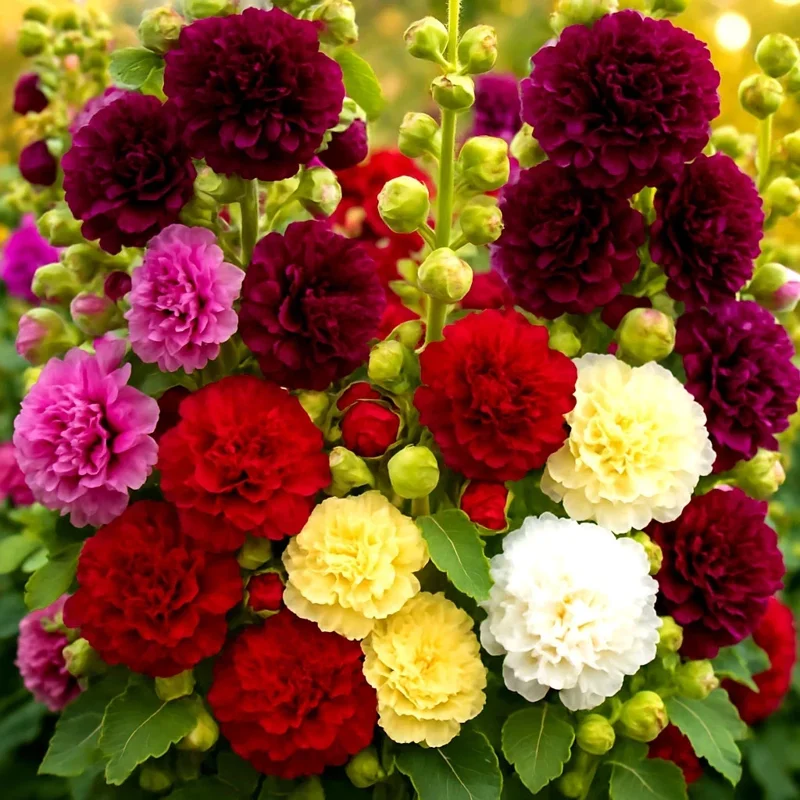
200+ Hollyhock Autumn Mix Flower Seeds – Attracts Hummingbirds, Bees – Multicolor Biennial

Reviews
There are no reviews yet.