


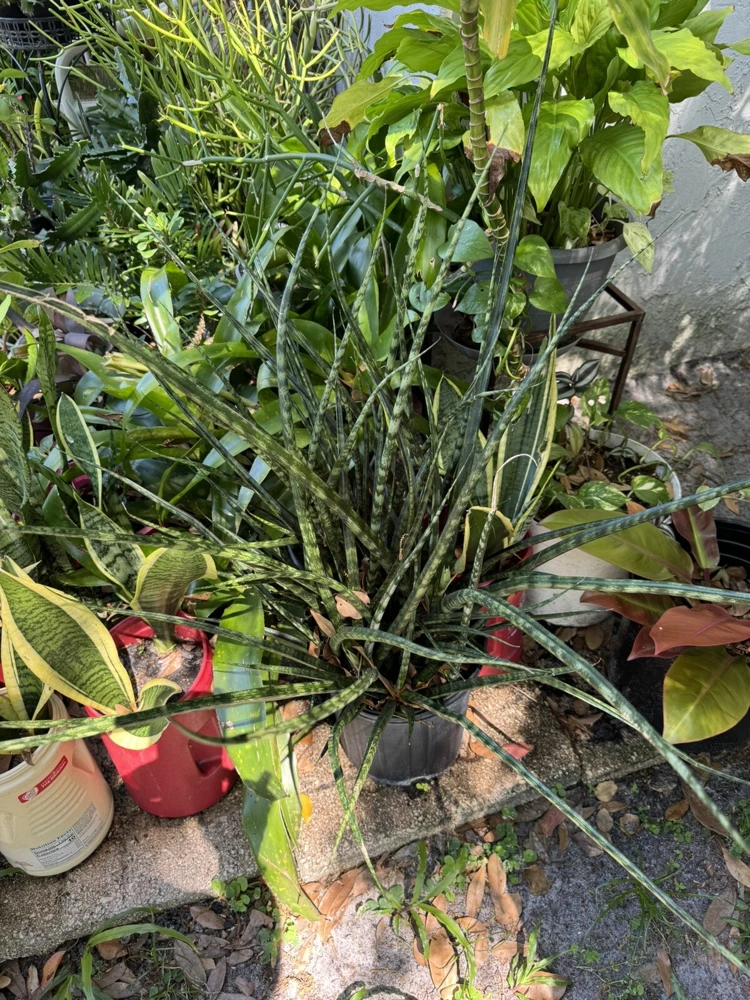
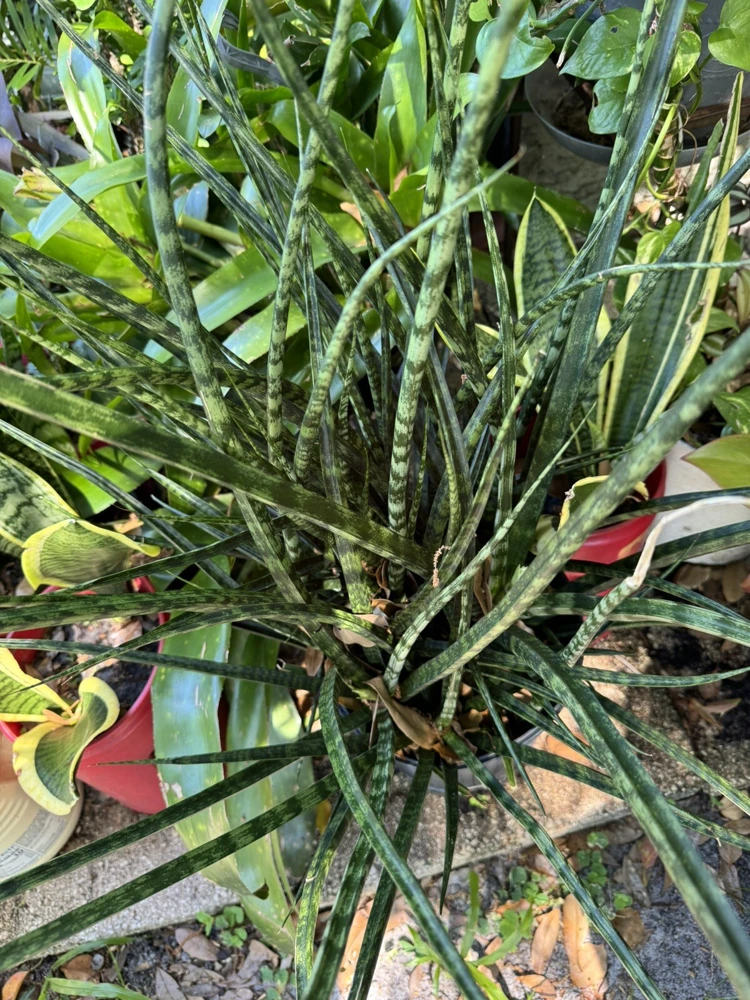
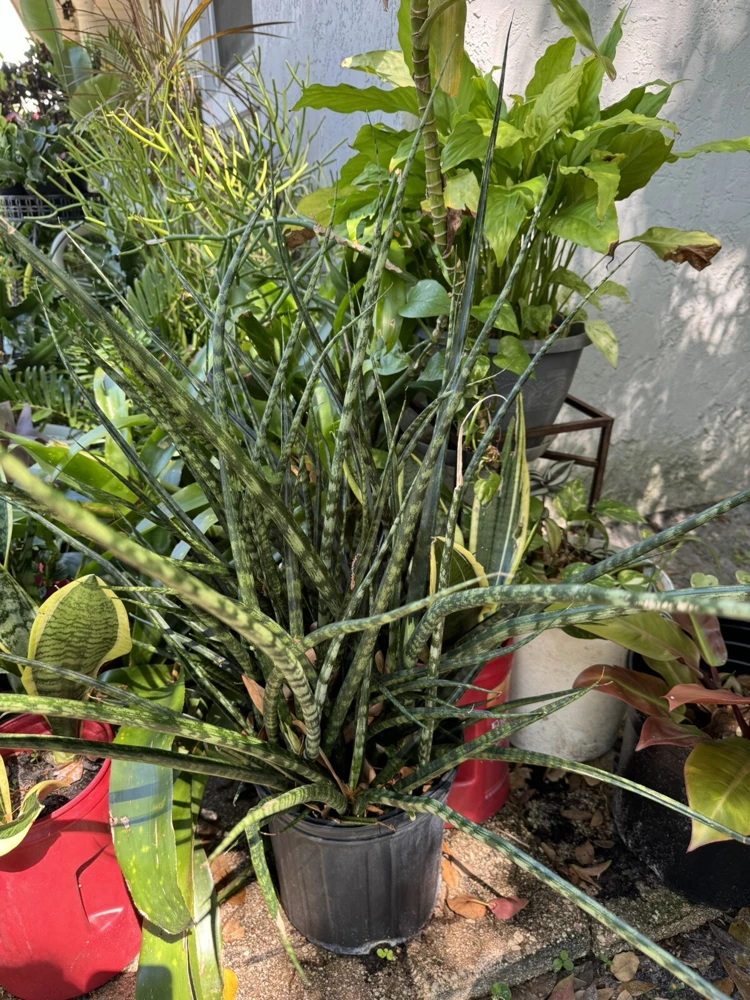
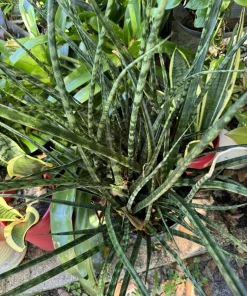
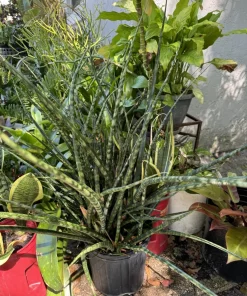
Zebra Snake Plant – Live Plant – Potted Houseplant – Indoor
Original price was: $68.99.$48.99Current price is: $48.99.
Add a touch of exotic elegance to your home with the stunning zebra snake plant. This resilient and air-purifying snake plant indoor variety features striking banded foliage, making it a perfect, low-maintenance choice for any plant enthusiast.
Estimated arrival
Oct 27
Nov 01 - Nov 03
Nov 06 - Nov 10
Shop With Confidence
30-Day Plant Health Guarantee
Arrives damaged? We’ll replace it free — see our return policy.
Responsive Support
Email us anytime, we reply within 1 business day.
Expert Packaging
Temperature-controlled shipping to protect your plants in transit.
Secure Checkout
Pay safely with Visa, Mastercard, PayPal.
Plant Specifications
-
USDA Hardiness Zone
unknown -
Soil Type
well-draining potting mix -
Sunlight Exposure
bright indirect light -
Expected Planting Period
year-round indoors
Overview
Introduce a touch of natural artistry into your living space with the captivating zebra snake plant. Known for its distinctive horizontal banding that resembles zebra stripes, this live plant is a true showstopper. Scientifically known as Sansevieria trifasciata ‘Zeylanica’ or ‘Laurentii’ with a striped variation, the snake plant, or Mother-in-Law’s Tongue, is celebrated for its robust nature and exceptional air-purifying qualities. This particular variety stands out with its unique foliage patterns, offering a sophisticated aesthetic that complements a wide range of interior designs. Whether you’re a seasoned plant collector or just starting your green journey, the zebra snake plant is an ideal choice, promising beauty with minimal fuss. It thrives in various conditions, adapting well to different light levels and requiring infrequent watering, making it one of the most forgiving houseplants available. Enhance your home with this stunning botanical specimen.
The snake plant indoor is not only visually appealing but also a powerhouse when it comes to improving indoor air quality. It’s one of the few plants that convert carbon dioxide into oxygen at night, contributing to a fresher and healthier environment while you sleep. Its upright, sword-like leaves create a strong vertical element, perfect for adding structure and interest to shelves, desks, or floor spaces. Discover the joy of owning a plant that combines natural beauty with practical benefits.
Key Benefits
The zebra snake plant offers a multitude of advantages beyond its striking appearance:
- Exceptional Air Purification: NASA studies have shown that snake plants are highly effective at removing toxins like formaldehyde, benzene, trichloroethylene, and xylene from the air, contributing to a healthier indoor environment. This makes the snake plant indoor an excellent choice for bedrooms and offices.
- Low Maintenance & Drought Tolerant: This plant is incredibly forgiving, making it perfect for busy individuals or those new to plant care. It can tolerate periods of neglect, requiring infrequent watering and thriving on minimal attention.
- Striking Ornamental Value: The distinct horizontal banding on its upright leaves provides a unique visual appeal, adding a modern and elegant touch to any room. Its architectural form makes it a focal point in any decor.
- Adaptable to Various Light Conditions: While it prefers bright, indirect light, the sansevieria zebra can surprisingly tolerate low light conditions, making it suitable for almost any corner of your home or office.
- Improved Sleep Quality: As one of the few plants that release oxygen at night, placing a snake plant in your bedroom can contribute to a more restful night’s sleep by improving air quality.
- Pest Resistant: Snake plants are generally resistant to most common houseplant pests, further simplifying their care routine and ensuring a long, healthy life.
- Compact Growth Habit: Its upright growth makes it suitable for small spaces, fitting perfectly on shelves, side tables, or as a floor plant in tight corners.
Plant Care & Growing Tips
Caring for your zebra snake plant is remarkably easy, ensuring it remains a vibrant and healthy addition to your home. When it comes to sunlight, this resilient plant prefers bright, indirect light but is highly adaptable and can tolerate low light conditions. Avoid direct, harsh sunlight, which can scorch its leaves. A spot near a window with filtered light or even a north-facing window is ideal for promoting vibrant growth and maintaining its distinctive patterns. Overwatering is the most common cause of problems for snake plants, so it’s crucial to let the soil dry out completely between waterings. During winter months, reduce watering even further. Check the soil moisture by sticking your finger about two inches deep; if it feels dry, it’s time to water.
The ideal soil type for a low light snake plant is a well-draining potting mix, preferably one formulated for succulents or cacti. Good drainage is essential to prevent root rot. Ensure your pot has drainage holes. The optimal temperature range for snake plants is between 65-80°F (18-27°C), and they prefer average household humidity. They are not frost-tolerant, so protect them from cold drafts. Fertilize sparingly; a balanced liquid houseplant fertilizer diluted to half strength once or twice during the growing season (spring and summer) is sufficient. Common problems include yellowing leaves from overwatering or brown tips from underwatering or low humidity. By following these simple guidelines, your snake plant care will be minimal, and your plant will thrive, showcasing its beautiful foliage for years to come.
Size & Details
Each zebra snake plant is shipped as a healthy, established live plant, typically in a nursery pot ready for display or repotting. The plants generally stand between 8-12 inches tall, including the pot, offering an immediate visual impact. Snake plants are slow to moderate growers, eventually reaching heights of 2-4 feet indoors over several years, depending on growing conditions. They maintain a relatively narrow width, making them excellent choices for tight spaces. Your plant will arrive securely packaged to ensure its safe journey. While exact pot size may vary slightly, it will be appropriate for the plant’s current growth stage, usually a 4-6 inch diameter nursery pot. Expect your plant to settle quickly into its new environment and begin to display its stunning striped foliage.
Frequently Asked Questions
- Q: How big does this plant get? A: The zebra snake plant typically grows 2-4 feet tall indoors, though it is a slow grower. Its upright habit makes it suitable for various spaces.
- Q: Is this an indoor or outdoor plant? A: This is primarily an indoor snake plant, thriving in average household temperatures. It is not frost-tolerant and should be protected from cold weather.
- Q: How much sunlight does it need? A: While it can tolerate low light, the zebra snake plant prefers bright, indirect light. Avoid direct sun exposure to prevent leaf scorching.
- Q: Is this plant easy to care for? A: Yes, the low light snake plant is considered one of the easiest houseplants to care for, making it perfect for beginners and busy plant owners due to its drought tolerance.
- Q: What condition will it arrive in? A: Your live plant will arrive carefully packaged and in excellent health, ready to be placed in your home. We take great care to ensure a safe journey.
- Q: How often should I water my zebra snake plant? A: Water only when the soil is completely dry, typically every 2-4 weeks. Overwatering is the biggest risk, so err on the side of less water.
- Q: Is the zebra snake plant pet-safe? A: Snake plants are considered mildly toxic if ingested, so it’s best to keep them away from pets and curious children.
- Q: What type of soil is best for snake plant care? A: A well-draining potting mix, such as one formulated for succulents or cacti, is ideal for the sansevieria zebra to prevent root rot.
- Q: Can I put my snake plant in a dark room? A: While it tolerates low light, prolonged periods in very dark rooms can hinder its growth and vibrancy. It’s best to provide some indirect light.
- Q: How do I propagate a zebra snake plant? A: Snake plants can be easily propagated by division or leaf cuttings, allowing you to create new plants from your existing one.
Be the first to review “Zebra Snake Plant – Live Plant – Potted Houseplant – Indoor”
People Also Viewed

Uncategorized






Reviews
There are no reviews yet.