
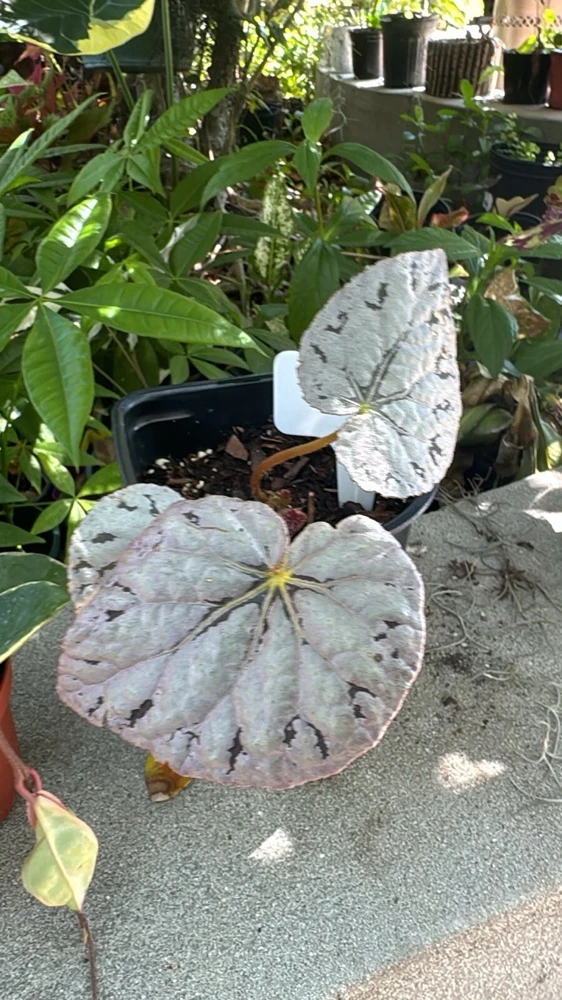
Begonia Live Plant – Popular Indoor Houseplant – Easy Care
Original price was: $47.99.$27.99Current price is: $27.99.
Bring vibrant life to your home with a beautiful begonia live plant. This popular begonia houseplant is known for its stunning foliage or delicate blooms, making it a perfect addition to any indoor space. Enjoy its easy care and long-lasting beauty.
Estimated arrival
Oct 27
Nov 01 - Nov 03
Nov 06 - Nov 10
Shop With Confidence
30-Day Plant Health Guarantee
Arrives damaged? We’ll replace it free — see our return policy.
Responsive Support
Email us anytime, we reply within 1 business day.
Expert Packaging
Temperature-controlled shipping to protect your plants in transit.
Secure Checkout
Pay safely with Visa, Mastercard, PayPal.
Plant Specifications
-
USDA Hardiness Zone
year-round indoors -
Soil Type
well-draining, peat-based potting mix -
Sunlight Exposure
bright indirect light -
Expected Planting Period
year-round indoors
Overview
Bring a touch of natural elegance into your home with a stunning begonia live plant. Revered for their diverse and often colorful foliage, as well as their charming flowers, Begonias are among the most popular houseplants cultivated today. This delightful plant, belonging to the genus Begonia, offers a wide range of varieties, each with its unique appeal. Whether you’re drawn to the intricate patterns of Rex Begonias, the lush leaves of Cane Begonias, or the abundant blooms of Tuberous and Wax Begonias, there’s a perfect begonia houseplant to suit your aesthetic. Originating from tropical and subtropical regions, Begonias thrive in indoor environments with proper care, making them an excellent choice for both novice and experienced plant enthusiasts. Their versatility and visual impact make them a favorite for adding a splash of color and texture to any room.
Choosing a begonia live plant means investing in a dynamic and rewarding botanical companion. These plants are celebrated not only for their beauty but also for their relatively straightforward care requirements, especially when compared to some other exotic houseplants. With a little attention to their specific needs for light, water, and humidity, your Begonia will flourish, providing continuous enjoyment. This guide will help you understand how to best cultivate your begonia houseplant, ensuring it remains healthy and vibrant for years to come. Explore the world of Begonias and discover why they are such a cherished part of indoor gardening.
Key Benefits
A begonia live plant offers numerous advantages, transforming your living space into a more vibrant and inviting environment. These plants are not just decorative; they bring a host of benefits that make them an ideal choice for indoor gardening.
- Stunning Visual Appeal: Begonias are renowned for their incredible diversity in leaf shape, color, and texture, ranging from deep greens and silvers to reds and purples. Many varieties also produce beautiful, often long-lasting, flowers that add an extra layer of charm to your home decor.
- Versatile Decor Element: With such a wide array of forms, Begonias can fit into various interior design styles. They can be elegant centerpieces, vibrant accent plants, or part of a lush indoor garden display, enhancing the aesthetic of any room.
- Relatively Easy Care: While they have specific preferences, most begonia houseplants are considered easy to care for once you understand their basic needs. They don’t demand constant attention, making them suitable for busy individuals.
- Air Purification Qualities: Like many houseplants, Begonias contribute to a healthier indoor environment by absorbing common airborne toxins and releasing oxygen, improving the air quality in your home.
- Boosts Mood and Well-being: Surrounding yourself with living plants, such as a begonia live plant, has been shown to reduce stress, improve focus, and generally enhance feelings of well-being and happiness.
- Encourages a Green Thumb: Successfully caring for a Begonia can be incredibly rewarding, building confidence for new plant parents and offering a satisfying challenge for experienced gardeners looking to expand their collection.
- Long Blooming Period: Many Begonia varieties offer extended blooming periods, providing continuous color and beauty for several months out of the year, unlike some plants with fleeting flowers.
Plant Care & Growing Tips
Proper begonia plant care is essential for ensuring your plant thrives and displays its full beauty. While Begonias are generally forgiving, understanding their optimal growing conditions will lead to a healthier and more vibrant specimen. The key factors to consider are light, water, humidity, soil, and temperature.
When it comes to light, Begonias prefer bright, indirect light. Direct sunlight, especially harsh afternoon sun, can scorch their delicate leaves. An east-facing window is often ideal, providing gentle morning sun, or a spot a few feet away from a south or west-facing window. If your plant isn’t getting enough light, you might notice leggy growth or a lack of flowering. Conversely, too much direct light can cause leaf edges to brown. For watering, the “finger test” is your best friend. Water thoroughly when the top inch of soil feels dry to the touch. Begonias dislike being waterlogged, which can lead to root rot, so ensure good drainage. Overwatering is a common mistake in begonia plant care. During cooler months, reduce watering frequency as the plant’s growth slows.
Humidity is another crucial element, as Begonias are tropical plants. They thrive in environments with higher humidity, ideally above 50%. You can increase humidity around your begonia houseplant by placing it on a pebble tray filled with water (making sure the pot doesn’t sit directly in the water), using a room humidifier, or grouping it with other plants. Avoid misting the leaves directly, as this can encourage fungal diseases. For soil, a well-draining, peat-based potting mix is recommended. A mix designed for African violets often works well. Fertilize your Begonia every 2-4 weeks during the growing season (spring and summer) with a balanced liquid fertilizer diluted to half strength. Reduce or stop fertilization during fall and winter. Pests like spider mites and mealybugs can sometimes affect Begonias; inspect your plant regularly and treat any infestations promptly with insecticidal soap. Understanding these aspects of growing begonia indoors will help you maintain a lush and healthy plant.
Size & Details
This begonia live plant is carefully cultivated to ensure a healthy start in your home. While specific dimensions can vary based on the exact variety and age, most indoor Begonias typically reach a height of 6 to 18 inches and a similar spread, making them an ideal size for windowsills, desks, or shelves. The growth rate is moderate, allowing you to enjoy its development without it quickly outgrowing its space. Your plant will arrive in a nursery pot, ready for you to either keep it in its current container or transplant it into a decorative pot of your choice. We recommend choosing a pot that is only slightly larger than the root ball to prevent overwatering issues. The plant will be shipped securely to minimize stress during transit, ensuring it arrives in excellent condition, ready to flourish in its new environment. With proper begonia plant care, you can expect continuous growth and vibrant displays.
Frequently Asked Questions
- Q: How big does this plant get? A: A begonia live plant typically grows to a height of 6 to 18 inches indoors, with a similar spread. Its ultimate size can depend on the specific variety and growing conditions, but it generally remains a manageable size for most indoor spaces.
- Q: Is this an indoor or outdoor plant? A: While some Begonia varieties can be grown outdoors in suitable climates, this particular begonia houseplant is best suited for indoor environments. It thrives in the consistent temperatures and controlled conditions of a home.
- Q: How much sunlight does it need? A: Your begonia live plant prefers bright, indirect light. Avoid direct, harsh sunlight which can burn its leaves. An east-facing window or a spot a few feet from a south or west-facing window is usually ideal for optimal growth.
- Q: Is this plant easy to care for? A: Yes, Begonias are generally considered easy to care for, especially for beginners, once their basic needs for light, water, and humidity are met. They are a rewarding plant for those new to growing begonia indoors.
- Q: What condition will it arrive in? A: Your Begonia will arrive in a healthy, well-packaged condition, typically in a nursery pot with soil. We take great care in preparing our plants for shipment to ensure they reach you safely and are ready to thrive.
- Q: What’s the best way to water my begonia houseplant? A: Water your begonia houseplant when the top inch of soil feels dry to the touch. Water thoroughly until water drains from the bottom, then discard any excess water in the saucer. Avoid letting the plant sit in standing water to prevent root rot.
- Q: Can I put my begonia outside during summer? A: If you live in a mild climate, you can move your Begonia outdoors to a shaded or partly shaded location during warm summer months. However, be sure to bring it back indoors before temperatures drop in the fall.
- Q: What kind of soil is best for begonia plant care? A: A well-draining, peat-based potting mix is ideal for a begonia live plant. You can use a mix formulated for African violets or create your own by combining peat moss, perlite, and a good quality potting soil.
- Q: How often should I fertilize my begonia? A: Fertilize your Begonia every 2-4 weeks during its active growing season (spring and summer) using a balanced liquid fertilizer diluted to half strength. Reduce or stop fertilizing during the fall and winter months.
- Q: What are common issues when growing begonia indoors? A: Common issues include root rot from overwatering, scorched leaves from too much direct sun, and pests like spider mites or mealybugs. Regular inspection and proper begonia plant care can prevent most problems.
Be the first to review “Begonia Live Plant – Popular Indoor Houseplant – Easy Care”
People Also Viewed

Reviews
There are no reviews yet.