
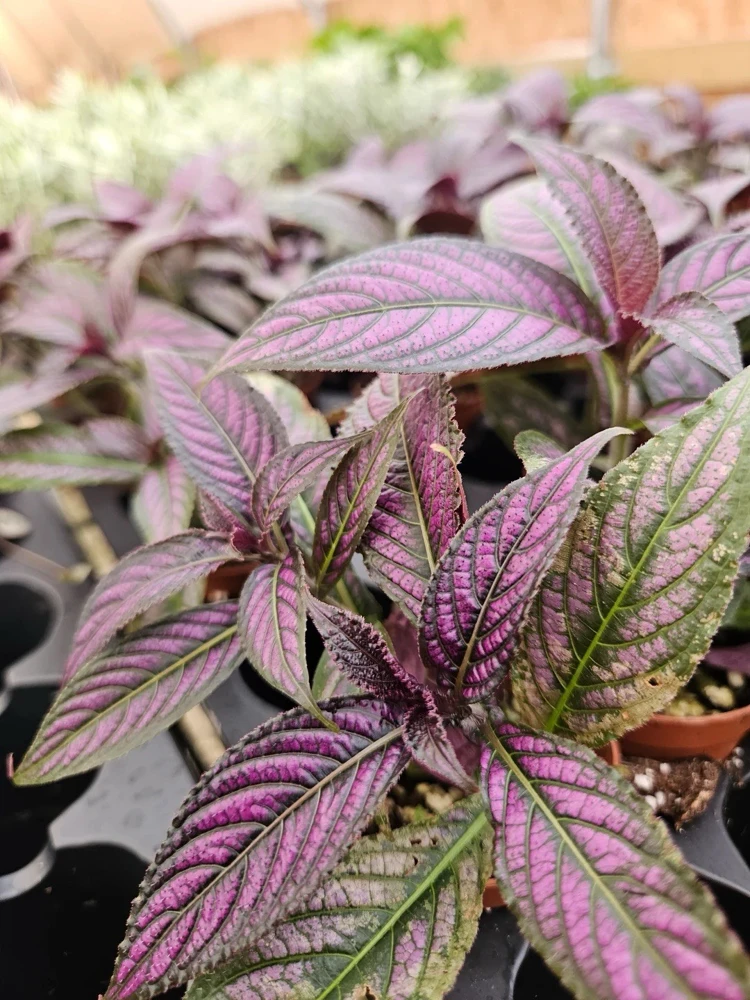
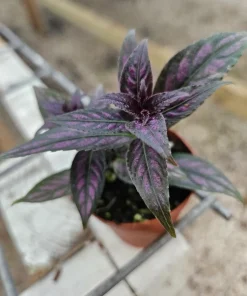
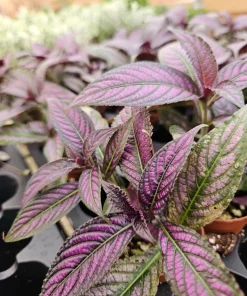
Persian Shield Live Plant – Striking Purple Foliage for Indoor & Outdoor
Original price was: $60.99.$40.99Current price is: $40.99.
Add a splash of vibrant color to your home or garden with the stunning Persian Shield live plant. This tropical beauty, known for its iridescent purple and green leaves, thrives in bright, indirect light. Perfect for adding dramatic visual interest as an indoor houseplant or outdoor annual.
Estimated arrival
Oct 27
Nov 01 - Nov 03
Nov 06 - Nov 10
Shop With Confidence
30-Day Plant Health Guarantee
Arrives damaged? We’ll replace it free — see our return policy.
Responsive Support
Email us anytime, we reply within 1 business day.
Expert Packaging
Temperature-controlled shipping to protect your plants in transit.
Secure Checkout
Pay safely with Visa, Mastercard, PayPal.
Plant Specifications
-
USDA Hardiness Zone
USDA Zones 9-11 (as perennial); Grown as annual or houseplant elsewhere -
Soil Type
Well-draining potting mix -
Sunlight Exposure
Bright indirect light to partial shade -
Expected Planting Period
Year-round indoors; Spring to early summer outdoors (as annual)
Overview
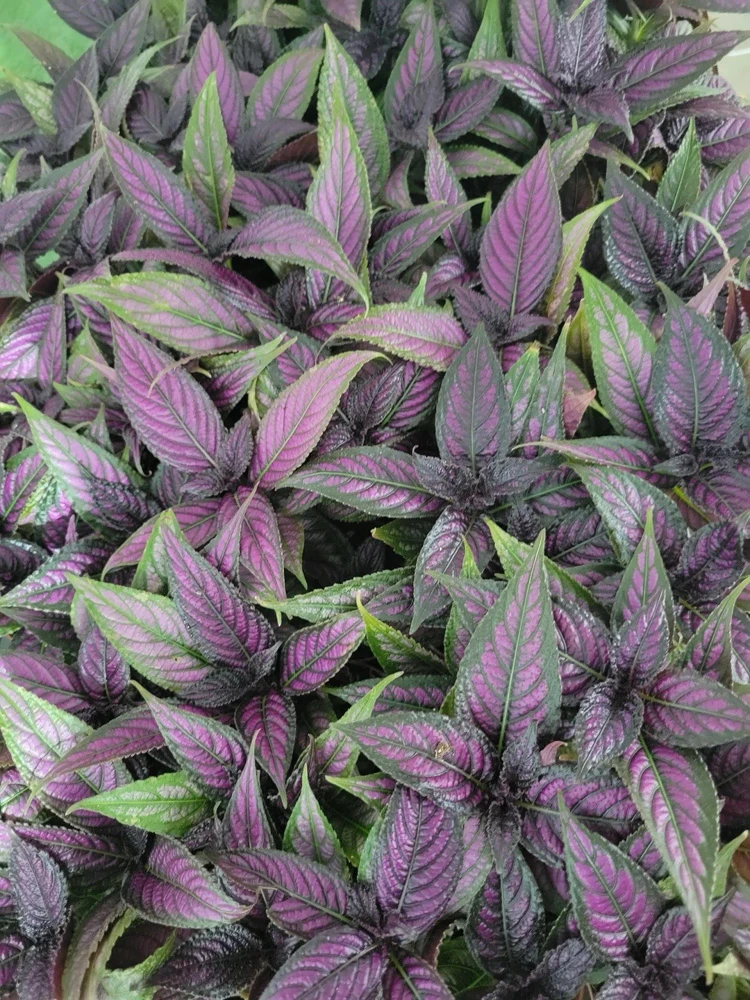
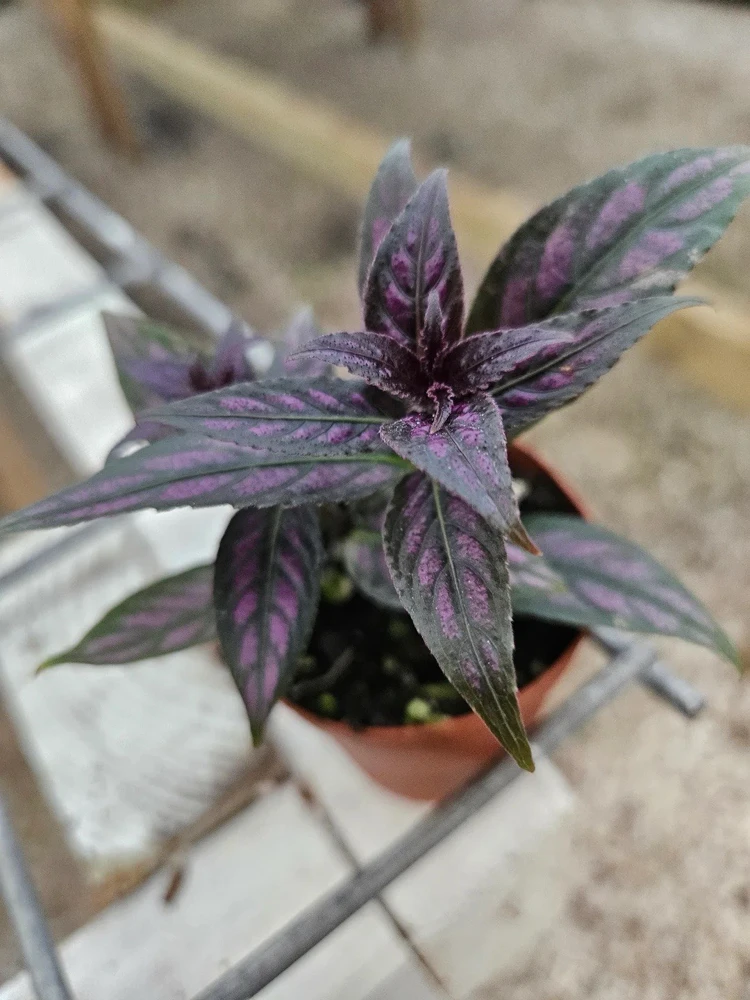
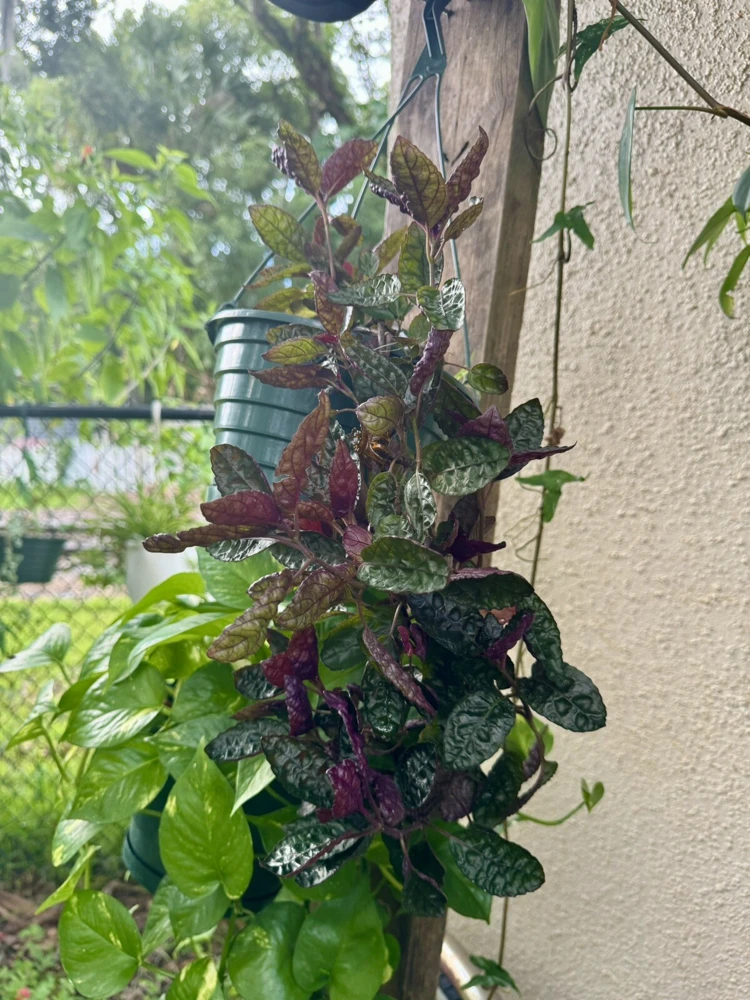
Introduce an explosion of color to your plant collection with the magnificent Persian Shield live plant (Strobilanthes dyerianus). This tropical gem is celebrated for its breathtaking foliage, featuring deeply veined, metallic purple leaves with contrasting green undersides. Originating from Myanmar, the Persian Shield is a fast-growing plant that can be cultivated as a striking annual in colder climates or as a show-stopping perennial in warmer, frost-free regions. Whether you’re looking to brighten an indoor space or add exotic flair to your outdoor garden, this plant delivers unparalleled visual impact. Its vibrant hues appear to shift and shimmer in different lighting, making it a dynamic and captivating addition to any setting.
The Persian Shield plant is not just about its stunning looks; it’s also relatively easy to care for, making it suitable for both novice and experienced gardeners. It thrives in conditions that mimic its native tropical environment, enjoying warmth, humidity, and consistent moisture. With proper care, this plant can grow quite rapidly, quickly filling out containers or garden beds with its spectacular, iridescent leaves. Discover the beauty and charm of Strobilanthes dyerianus and transform your living spaces with its regal purple glow.
Key Benefits
The Persian Shield live plant offers a multitude of benefits, making it a highly desirable choice for plant enthusiasts seeking both beauty and manageability. Its unique aesthetic appeal is just the beginning of what this wonderful plant brings to your home or garden.
- Unmatched Visual Appeal: The primary draw of the Persian Shield plant is its incredibly vibrant, iridescent purple and green foliage. These metallic-toned leaves provide a dramatic focal point in any plant arrangement or garden bed, catching the light beautifully and adding a touch of exotic elegance.
- Versatile Growing Options: This adaptable plant can thrive as a stunning houseplant, bringing tropical vibes indoors, or as an eye-catching annual in outdoor gardens, borders, and containers during warmer months. In USDA zones 9-11, it can even be grown as a perennial shrub.
- Fast Growing & Lush: With adequate care, the Persian Shield grows quickly, developing a full, bushy habit. This rapid growth allows you to enjoy its lush foliage and vibrant colors sooner, making it an excellent choice for quickly establishing a colorful display.
- Relatively Low Maintenance: Despite its exotic appearance, the purple foliage plant is surprisingly easy to care for. It primarily requires consistent moisture, warmth, and bright, indirect light to flourish, making it suitable for gardeners of various skill levels.
- Unique Texture & Form: Beyond its color, the deeply veined leaves of the Persian Shield add interesting texture to your plant collection. Its upright, bushy growth habit contributes to a structured yet lush appearance.
- Great for Container Gardening: The compact to medium size of the Strobilanthes dyerianus makes it an ideal candidate for container gardening, either as a standalone specimen or as a vibrant ‘thriller’ in mixed arrangements. This allows for easy relocation to protect it from cold weather.
- Adds Tropical Ambiance: Its rich colors and tropical origin instantly infuse any space with a warm, exotic atmosphere, enhancing relaxation and aesthetic pleasure.
Plant Care & Growing Tips
Caring for your Persian Shield live plant is straightforward, especially if you provide conditions similar to its native tropical habitat. Success hinges on consistent moisture, appropriate lighting, and warmth. For indoor cultivation, select a spot near a window that receives bright, indirect light. Direct, harsh sunlight can scorch its delicate leaves, causing them to fade or brown, while too little light can diminish the intensity of its purple coloration. Outdoors, partial shade is ideal, especially in hotter climates, to protect it from the most intense afternoon sun.
Watering is crucial for a healthy purple foliage plant. Keep the soil consistently moist but never waterlogged. Allow the top inch of soil to dry out slightly before watering again. Overwatering can lead to root rot, while underwatering will cause the leaves to wilt. Humidity is also important for this tropical plant, so consider misting indoor plants regularly, using a pebble tray, or placing it near a humidifier. For optimal growth, use a well-draining potting mix that retains some moisture. Fertilize every 2-4 weeks during the growing season (spring and summer) with a balanced liquid fertilizer diluted to half strength. Pruning can help maintain a bushy form and encourage new growth. Pinch back leggy stems to promote branching and a fuller appearance.
The Strobilanthes dyerianus prefers warm temperatures, ideally between 60-80°F (15-27°C). It is not frost-tolerant, so if you’re growing it outdoors in a colder climate, treat it as an annual or bring it indoors before temperatures drop. Pests are generally not a major issue, but keep an eye out for common houseplant pests like spider mites or aphids, especially in dry indoor environments. Early detection and treatment with insecticidal soap can prevent infestations. Providing consistent care will ensure your Persian Shield plant care routine results in a vibrant and thriving specimen.
Size & Details
The Persian Shield live plant typically grows as a compact to medium-sized shrub, reaching heights of 2-4 feet and a similar spread when mature, depending on growing conditions and whether it’s grown indoors or outdoors. It boasts a relatively fast growth rate, quickly developing its lush, colorful foliage. Our plants are shipped as healthy, established starter plants, ready to be potted into a larger container or planted directly into your garden if conditions allow. The exact size at shipment may vary slightly, but each plant is selected for its vigor and potential to flourish.
This tropical plant is best suited for USDA hardiness zones 9-11 if grown outdoors year-round. In other zones, it makes an excellent annual or an indoor houseplant that can be moved outdoors during warm weather. The striking metallic purple and green leaves are the main attraction, and while it can produce small, insignificant white or purple flowers, it is primarily grown for its ornamental foliage. Expect a robust root system and healthy leaves upon arrival, ensuring a strong start for your new plant. The indoor tropical plant form will generally remain smaller and more manageable than outdoor specimens.
Frequently Asked Questions
- Q: How big does this plant get? A: The Persian Shield live plant typically grows to about 2-4 feet tall and wide when mature. Its size can be managed through pruning, especially when grown indoors or in containers, keeping it more compact.
- Q: Is this an indoor or outdoor plant? A: The Persian Shield is a versatile plant that can be grown both indoors and outdoors. It thrives as a tropical houseplant year-round or as an annual in outdoor gardens in most climates. In USDA zones 9-11, it can be a perennial.
- Q: How much sunlight does it need? A: This plant prefers bright, indirect light. Indoors, place it near a window with filtered light. Outdoors, partial shade is ideal, especially protecting it from intense afternoon sun to prevent leaf scorching and color fading.
- Q: Is this plant easy to care for? A: Yes, the Persian Shield plant care is considered relatively easy. Its primary needs are consistent moisture, high humidity, and bright, indirect light. It’s a great choice for gardeners looking for a high-impact plant without high maintenance.
- Q: What condition will it arrive in? A: Your Strobilanthes dyerianus will arrive as a healthy, well-rooted starter plant. We carefully package our plants to ensure they reach you in the best possible condition, ready for planting.
- Q: Can I use this plant in mixed containers? A: Absolutely! The vibrant purple foliage of the Persian Shield makes it an excellent ‘thriller’ or ‘filler’ plant in mixed container arrangements, providing a striking contrast to green foliage and flowering plants.
- Q: What type of soil is best for the Persian Shield? A: A well-draining potting mix that retains some moisture is ideal. A standard all-purpose potting mix with added perlite or coco coir for drainage and moisture retention works well for this purple foliage plant.
- Q: How often should I water my Persian Shield? A: Keep the soil consistently moist, but not waterlogged. Water when the top inch of soil feels dry to the touch. This often means watering every few days, depending on environmental conditions.
- Q: Is the Persian Shield pet-safe? A: While generally not considered highly toxic, it’s always best to keep plants away from pets who may chew on foliage. If you have concerns, consult with a veterinarian regarding specific plant toxicity.
- Q: Will its color fade if not enough light? A: Yes, insufficient light can cause the vibrant purple coloration of the indoor tropical plant to fade, becoming more green. Ensure it receives adequate bright, indirect light to maintain its stunning hues.
Be the first to review “Persian Shield Live Plant – Striking Purple Foliage for Indoor & Outdoor”
People Also Viewed
Reviews
There are no reviews yet.