
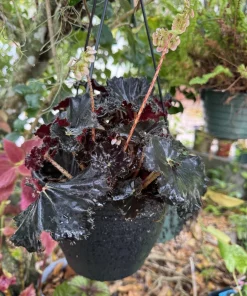
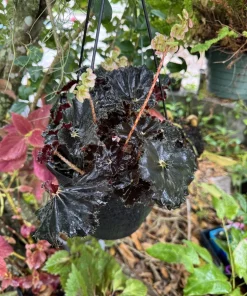
Begonia Black Live Plant – Potted Houseplant with Dark Foliage
Original price was: $103.99.$83.99Current price is: $83.99.
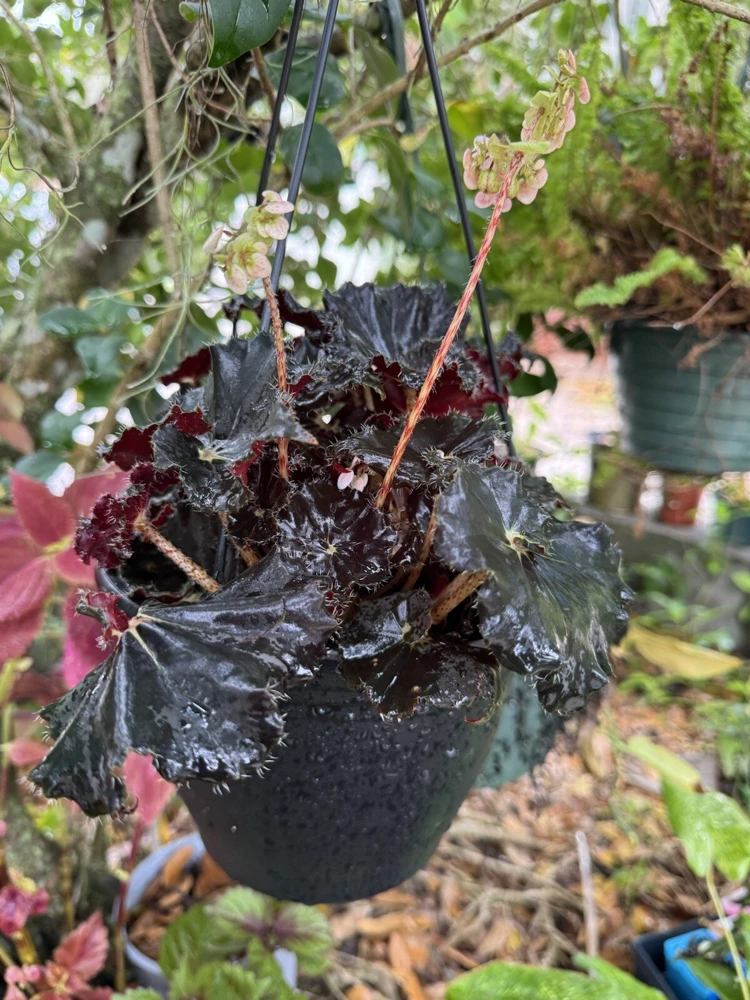
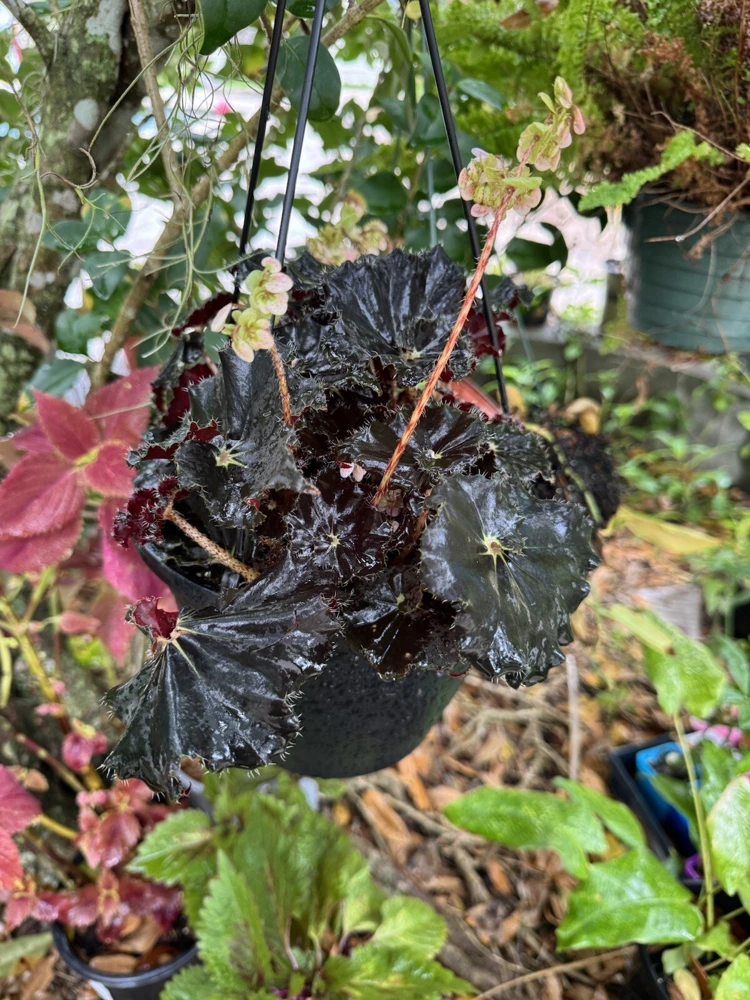
Bring a touch of drama to your home with the Begonia Black live plant. This stunning potted begonia features incredibly dark, almost black foliage, making it a unique and captivating addition to any indoor plant collection. Easy to care for and perfect for adding contrast.
Estimated arrival
Oct 27
Nov 01 - Nov 03
Nov 06 - Nov 10
Shop With Confidence
30-Day Plant Health Guarantee
Arrives damaged? We’ll replace it free — see our return policy.
Responsive Support
Email us anytime, we reply within 1 business day.
Expert Packaging
Temperature-controlled shipping to protect your plants in transit.
Secure Checkout
Pay safely with Visa, Mastercard, PayPal.
Plant Specifications
-
USDA Hardiness Zone
Year-round indoors (USDA zones 10-11 for outdoor summer) -
Soil Type
Well-draining, peat-based potting mix -
Sunlight Exposure
Bright indirect light -
Expected Planting Period
Year-round indoors
Overview
Introduce a dramatic flair to your indoor garden with the magnificent Begonia Black live plant. This captivating houseplant is celebrated for its exceptionally dark, almost black leaves, providing a striking contrast against lighter decor and other greenery. Unlike many begonias known for their vibrant flowers, the allure of the Begonia Black live plant lies primarily in its rich, moody foliage, which can appear deep burgundy to true black depending on the light. It’s a fantastic choice for plant enthusiasts looking for something beyond the ordinary, offering sophisticated beauty and a touch of gothic elegance. As a member of the Begoniaceae family, this particular variety is cherished for its ornamental leaves and its ability to thrive as an indoor specimen, making it a popular choice for enhancing interior spaces with unique texture and color.
The Begonia Black live plant is a testament to the diverse and beautiful world of begonias. Its distinctive coloring makes it a focal point in any room, drawing attention with its intense hues. Whether you’re a seasoned plant collector or just starting your journey, this dark foliage begonia offers a rewarding experience with its relatively straightforward care requirements and impressive visual impact. It’s an excellent way to introduce depth and sophistication to your plant arrangements, creating a truly unique and personalized botanical display.
Key Benefits
The Begonia Black live plant offers more than just striking aesthetics; it brings a range of benefits to your home environment and your plant collection. Its unique attributes make it a desirable choice for various indoor settings.
- Dramatic Visual Appeal: The most significant benefit is its incredibly dark, almost black foliage. This provides a stunning visual contrast and a sophisticated, modern aesthetic that stands out from traditional green houseplants. It’s a perfect conversation starter.
- Compact and Manageable Size: This potted begonia typically maintains a manageable size, making it ideal for desks, shelves, or small corners where space is at a premium. It adds significant impact without overwhelming the area.
- Indoor Air Quality Improvement: Like many houseplants, the Begonia Black live plant contributes to better indoor air quality by absorbing common pollutants and releasing oxygen, helping to create a fresher and healthier living space.
- Relatively Easy Care: While it appreciates consistent conditions, this begonia is not overly demanding. With proper watering and lighting, it can thrive, making it suitable for both experienced gardeners and those new to caring for indoor begonia care.
- Versatile Decor Element: Its unique color palette allows it to blend seamlessly with various decor styles, from minimalist and contemporary to eclectic and bohemian. It adds a touch of natural elegance wherever it’s placed.
- Unique Houseplant Collection Addition: For collectors, the Begonia Black live plant is a prized specimen due to its distinct coloration, offering something truly special and helping to diversify a collection of unique houseplants.
- Enhances Mood and Well-being: Bringing nature indoors has been shown to reduce stress, improve focus, and boost overall mood. Caring for a beautiful plant like this begonia can be a therapeutic and rewarding hobby.
Plant Care & Growing Tips
To ensure your Begonia Black live plant thrives, understanding its specific care requirements is crucial. This plant prefers conditions that mimic its natural habitat, which typically involves warmth, humidity, and indirect light. Providing the right environment will encourage lush growth and maintain its stunning dark foliage.
Sunlight requirements: The Begonia Black live plant flourishes in bright, indirect light. Direct sunlight, especially harsh afternoon sun, can scorch its delicate leaves and fade its dark coloration. An east-facing window that receives gentle morning sun or a west/south-facing window with sheer curtains is ideal. Ensure it receives at least 4-6 hours of indirect light per day. If the leaves start to lose their dark hue and appear greener, it may indicate insufficient light. Conversely, crispy edges suggest too much direct sun.
Watering schedule and soil moisture preferences: This potted begonia prefers consistently moist, but not waterlogged, soil. Water thoroughly when the top inch of soil feels dry to the touch. Allow excess water to drain completely from the bottom of the pot to prevent root rot. Reduce watering slightly during the cooler, darker winter months when the plant’s growth slows. High humidity is also beneficial; consider placing the pot on a pebble tray with water or using a humidifier, particularly in dry indoor environments. Regular misting can also help, but avoid misting directly onto the leaves if they are prone to fungal issues.
Soil type and drainage requirements: A well-draining, peat-based potting mix is best for the Begonia Black live plant. A good mix might include peat moss, perlite, and a bit of compost to provide both drainage and nutrients. Ensure the pot has drainage holes to prevent water from accumulating at the bottom, which is critical for healthy root development. Indoor begonia care often involves ensuring proper aeration around the roots.
Temperature range and USDA hardiness zone: These plants prefer warm temperatures, ideally between 65-75°F (18-24°C). Avoid exposing them to temperatures below 55°F (13°C) or sudden cold drafts, which can cause stress and leaf drop. As an indoor plant, USDA hardiness zones are less relevant, but if you live in a warm, humid climate (zones 10-11), it might tolerate outdoor conditions in a shaded, protected spot during summer. For most, it’s best kept indoors year-round.
Fertilization schedule and type: Feed your begonia every 2-4 weeks during its active growing season (spring and summer) with a balanced liquid fertilizer diluted to half strength. Reduce or stop fertilizing during fall and winter when the plant is dormant. Over-fertilization can lead to nutrient burn and damage the roots. For those interested in unique houseplants, proper feeding is key to maintaining vibrant foliage.
Common problems and solutions: Watch out for common pests like spider mites, mealybugs, and aphids. Treat infestations promptly with insecticidal soap or neem oil. Yellowing leaves can indicate overwatering or nutrient deficiency, while browning leaf edges might be due to low humidity or underwatering. Adjust your care routine accordingly to address these issues. Consistent indoor begonia care helps prevent most problems.
Size & Details
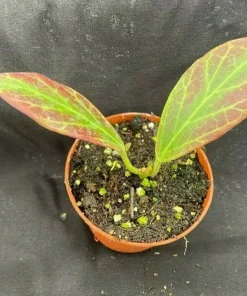
This Begonia Black live plant is typically shipped as a young, actively growing specimen in a nursery pot. While exact dimensions can vary slightly, you can generally expect a plant that is ready to be a beautiful addition to your home. It typically grows to a compact size, making it suitable for various indoor settings without requiring excessive space. The leaves are the star, showcasing their deep, dark coloration. This begonia has a moderate growth rate, gradually filling out its pot and developing more of its characteristic dark foliage over time. It will arrive as a healthy, well-rooted plant, ensuring a strong start in its new home. The plant is supplied in its current growing medium, ready for you to enjoy and perhaps repot into a decorative container of your choice.
Frequently Asked Questions
- Q: How big does this plant get? A: The Begonia Black live plant typically grows to a compact size, usually reaching about 8-12 inches in height and width when mature indoors. Its growth habit is bushy, making it a great tabletop or shelf plant.
- Q: What size pot does it come in? A: The plant will arrive in a standard nursery pot, generally a 4-inch or 6-inch size, depending on its maturity. This size is suitable for transport and allows the plant to establish before needing a larger decorative pot.
- Q: Is this an indoor or outdoor plant? A: This begonia is primarily cultivated as an indoor houseplant in most climates. While it can tolerate shaded outdoor conditions in very warm, humid USDA zones during summer, it thrives best indoors where temperatures and humidity can be consistently controlled, making it an excellent choice for indoor begonia care.
- Q: How much sunlight does it need? A: The Begonia Black live plant prefers bright, indirect light. Avoid direct sunlight, especially afternoon sun, which can scorch its leaves. A spot near an east-facing window or a few feet away from a south or west-facing window is usually ideal.
- Q: Is this plant easy to care for? A: Yes, it is considered relatively easy to care for, making it suitable for both beginners and experienced plant enthusiasts. Consistent watering, appropriate lighting, and good humidity are key to its success. It’s one of the more forgiving unique houseplants.
- Q: What condition will it arrive in? A: Your Begonia Black live plant will be carefully packaged and shipped as a healthy, live plant in its nursery pot, with soil. We take precautions to ensure it arrives in the best possible condition, ready to thrive in your home.
- Q: Is it pet-safe? A: Begonias, including the Begonia Black live plant, are generally considered toxic to pets if ingested. The highest concentration of toxins is typically in the tubers. It’s best to keep this plant out of reach of curious pets.
- Q: What’s the minimum temperature it can tolerate? A: This begonia is sensitive to cold. It should not be exposed to temperatures below 55°F (13°C). Consistent warmth is essential for its health and growth.
- Q: How often should I fertilize it? A: During the spring and summer growing seasons, fertilize your potted begonia every 2-4 weeks with a diluted liquid fertilizer. Reduce or stop fertilizing in fall and winter.
- Q: Why are my begonia’s leaves turning green instead of black? A: If your dark foliage begonia is losing its intense dark color and appearing greener, it’s likely not receiving enough light. Move it to a brighter spot with indirect light to encourage its characteristic dark pigmentation.
Be the first to review “Begonia Black Live Plant – Potted Houseplant with Dark Foliage”
People Also Viewed
Aquatic Plant Seeds
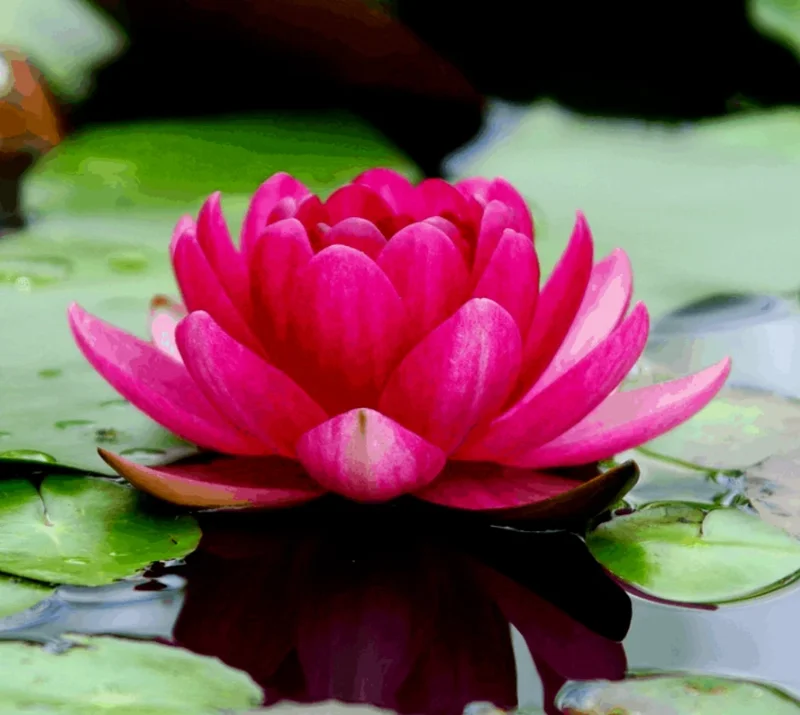
Colorful Lotus Water Lily Aquarium Plant Seeds & Bulbs – Easy Grow Freshwater
Uncategorized
Reviews
There are no reviews yet.