


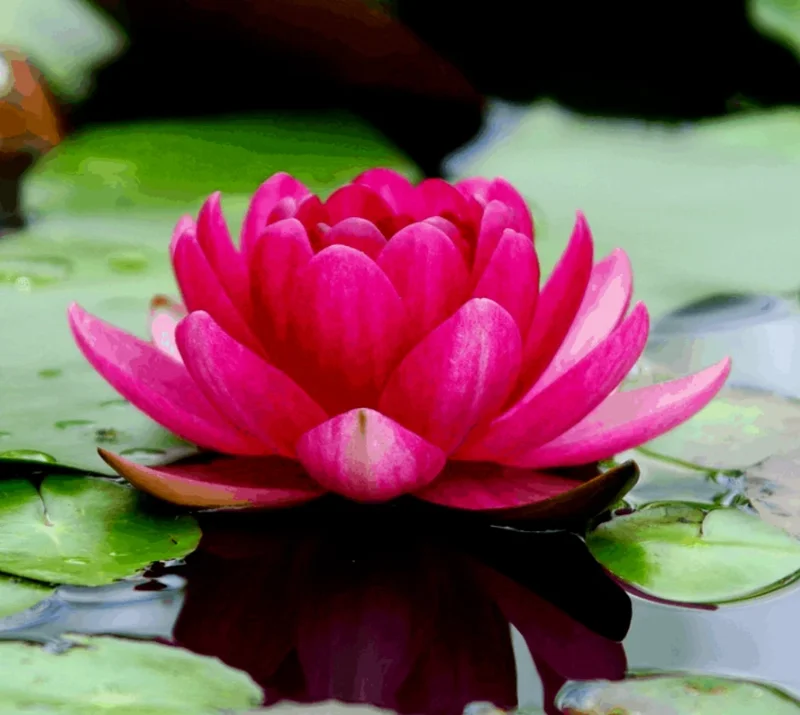












Colorful Lotus Water Lily Aquarium Plant Seeds & Bulbs – Easy Grow Freshwater
Original price was: $41.99.$16.99Current price is: $16.99.
Cultivate stunning aquatic flora with these colorful lotus water lily seeds and bulbs. Designed for easy growth, they are ideal for enhancing the beauty of your aquarium or outdoor pond. Enjoy vibrant blooms and lush foliage with this versatile freshwater aquatic plant.
Estimated arrival
Oct 15
Oct 20 - Oct 22
Oct 25 - Oct 29
Shop With Confidence
30-Day Plant Health Guarantee
Arrives damaged? We’ll replace it free — see our return policy.
Responsive Support
Email us anytime, we reply within 1 business day.
Expert Packaging
Temperature-controlled shipping to protect your plants in transit.
Secure Checkout
Pay safely with Visa, Mastercard, PayPal.
Plant Specifications
-
USDA Hardiness Zone
USDA zones 4-11 (depending on variety) -
Soil Type
Heavy clay soil -
Sunlight Exposure
Full sun (6+ hours direct sunlight) -
Expected Planting Period
Spring to early summer
Overview
Introduce breathtaking beauty to your aquatic environment with our premium selection of colorful lotus water lily seeds and bulbs. These exquisite aquatic plants are renowned for their vibrant blooms and striking foliage, transforming any water feature into a tranquil oasis. Whether you’re an experienced aquarist or a budding pond enthusiast, cultivating these water lilies is a rewarding experience. Our collection provides everything you need to successfully grow lotus water lily plants, offering a diverse range of colors to complement your unique aesthetic. Each seed and bulb is carefully sourced to ensure high germination and growth rates, promising a spectacular display of nature’s artistry.
The lotus water lily, scientifically known as Nymphaea, is a symbol of purity and rebirth in many cultures. Its elegant flowers unfurl gracefully on the water’s surface, while its broad, lily pad leaves provide essential shade and habitat for aquatic life. These plants are not only visually appealing but also contribute to a healthy aquatic ecosystem by absorbing excess nutrients and providing oxygen. Our easy-to-follow guide ensures that even beginners can achieve success in growing these magnificent plants, making them a perfect addition to both indoor aquariums and outdoor ponds.
Key Benefits
Integrating aquarium lotus plant seeds and bulbs into your aquatic landscape offers a multitude of benefits, enhancing both the aesthetic appeal and ecological balance of your water feature. Here are some of the prime advantages:
- Stunning Visual Appeal: Enjoy a continuous display of vibrant, colorful blooms and elegant lily pads that float gracefully on the water’s surface, adding a serene and exotic touch to your environment. The visual impact of a thriving colorful lotus water lily seeds planting is truly unparalleled.
- Improved Water Quality: Water lilies naturally filter water by absorbing nitrates and other excess nutrients, which helps to reduce algae growth and maintain a clearer, healthier aquatic environment for fish and other inhabitants.
- Habitat and Shade for Aquatic Life: The broad leaves provide essential shade for fish, protecting them from harsh sunlight and offering hiding spots from predators. This creates a more comfortable and secure environment for your aquatic pets.
- Easy to Grow: These water lily bulbs and seeds are selected for their ease of cultivation, making them suitable for gardeners of all experience levels. With proper care, they will flourish and provide years of enjoyment.
- Promotes Relaxation: The serene presence of blooming water lilies and the gentle movement of their leaves can create a calming atmosphere, perfect for unwinding and enjoying nature’s beauty in your own home or garden.
- Versatile Application: Ideal for a variety of aquatic settings, including indoor aquariums, outdoor koi ponds, decorative water gardens, and even container water features. This makes them a truly versatile freshwater aquatic plant.
- Sustainable Gardening: Growing your own aquatic plants from seeds or bulbs is an environmentally friendly way to enhance your garden, contributing to biodiversity and supporting local ecosystems.
Plant Care & Growing Tips
Successfully growing colorful lotus water lily seeds requires attention to a few key environmental factors. For optimal growth, these plants thrive in a location that receives at least 6 hours of direct sunlight per day. In indoor aquariums, this can be achieved with appropriate grow lights. Proper lighting is crucial for robust growth and abundant flowering. Ensure your water feature is positioned where it can capture ample sunlight throughout the day.
Water quality and temperature are also vital. Water lilies prefer still to slow-moving fresh water. The ideal water temperature for germination and growth typically ranges from 70°F to 85°F (21°C to 29°C). If you are attempting to grow lotus water lily from seeds, they often require scarification (gently filing the outer coat) and then soaking in warm water until they sprout before planting them in a substrate. Bulbs should be planted in rich, heavy clay soil, ideally in a planting basket or container submerged in your pond or aquarium. Ensure the soil is free from floating organic matter that could contaminate the water.
Fertilization is essential for healthy growth and prolific blooms. Use aquatic plant fertilizers specifically designed for water lilies, typically in tablet form, inserted into the soil around the roots. Fertilize every 2-4 weeks during the growing season (spring through fall). Regularly remove any yellowing leaves or spent flowers to encourage new growth and maintain the plant’s vigor. While generally resilient, watch out for common pests like aphids or snails, which can be managed with appropriate aquatic-safe treatments. Providing these consistent conditions will ensure your aquarium lotus plant flourishes.
Size & Details
Our colorful lotus water lily seeds and bulbs offer a fantastic opportunity to cultivate stunning aquatic plants. When mature, these water lilies can produce leaves that span 6 to 12 inches in diameter and flowers that range from 4 to 8 inches across, depending on the variety and growing conditions. The plants typically reach a spread of 2 to 4 feet in a pond setting, making them a significant visual element. When shipped, seeds come in a small, protective packet, while bulbs are carefully packaged to ensure freshness and viability upon arrival. Expect significant growth within the first growing season, with blooms typically appearing in late spring to early summer and continuing through early fall. The growth rate is generally medium to fast, allowing you to enjoy their beauty relatively quickly. These water lily bulbs are a robust choice for any aquatic garden.
Frequently Asked Questions
- Q: How big does this freshwater aquatic plant get? A: The mature size of a lotus water lily can vary, but typically, leaves can reach 6-12 inches in diameter and flowers 4-8 inches across. The overall spread in a pond can be 2-4 feet, creating a beautiful focal point.
- Q: Is this an indoor or outdoor plant? A: These lotus water lilies are versatile and can be grown both indoors in suitable aquariums or larger containers, and outdoors in ponds or water gardens. They adapt well to various aquatic settings.
- Q: How much sunlight does a colorful lotus water lily seeds need? A: Lotus water lilies require at least 6 hours of direct sunlight per day for optimal growth and flowering. If growing indoors, ensure you provide adequate artificial grow light.
- Q: What condition will the seeds or bulbs arrive in? A: Our seeds are carefully packaged in protective packets, and bulbs are shipped fresh and healthy, ready for planting. We ensure they are in the best possible condition for successful germination and growth.
- Q: Is this plant easy to care for? A: Yes, these lotus water lilies are considered easy to grow, especially for beginners. With proper sunlight, suitable water conditions, and occasional fertilization, you can successfully grow lotus water lily plants.
- Q: How long until it blooms? A: If planted in the spring, you can typically expect your lotus water lily to start producing blooms in late spring or early summer of the same year, continuing to flower through early fall.
- Q: What’s the best way to plant these water lily bulbs? A: Plant bulbs in heavy clay soil in a container or planting basket, ensuring the growing tip faces upwards. Submerge the container into your pond or aquarium, covering the bulb with 2-6 inches of water initially.
- Q: Can I use these for a small tabletop water feature? A: While possible, lotus water lilies can grow quite large. For small tabletop features, consider dwarf varieties or be prepared to manage their growth through regular pruning and container size.
- Q: What type of soil is best for an aquarium lotus plant? A: A heavy clay-based soil, free of light organic matter that can float, is ideal for planting lotus water lilies. Avoid regular potting soil as it can make the water cloudy.
- Q: Will it survive winter in my zone? A: Many lotus varieties are hardy in USDA zones 4-11, depending on the specific type. In colder climates, bulbs may need to be overwintered indoors to protect them from freezing.
Be the first to review “Colorful Lotus Water Lily Aquarium Plant Seeds & Bulbs – Easy Grow Freshwater”
People Also Viewed


Houseplants
Set of 2 Live Caladium Plants, 3-6 Inch Colorful Foliage Starter Plants, Indoor & Outdoor


Reviews
There are no reviews yet.