
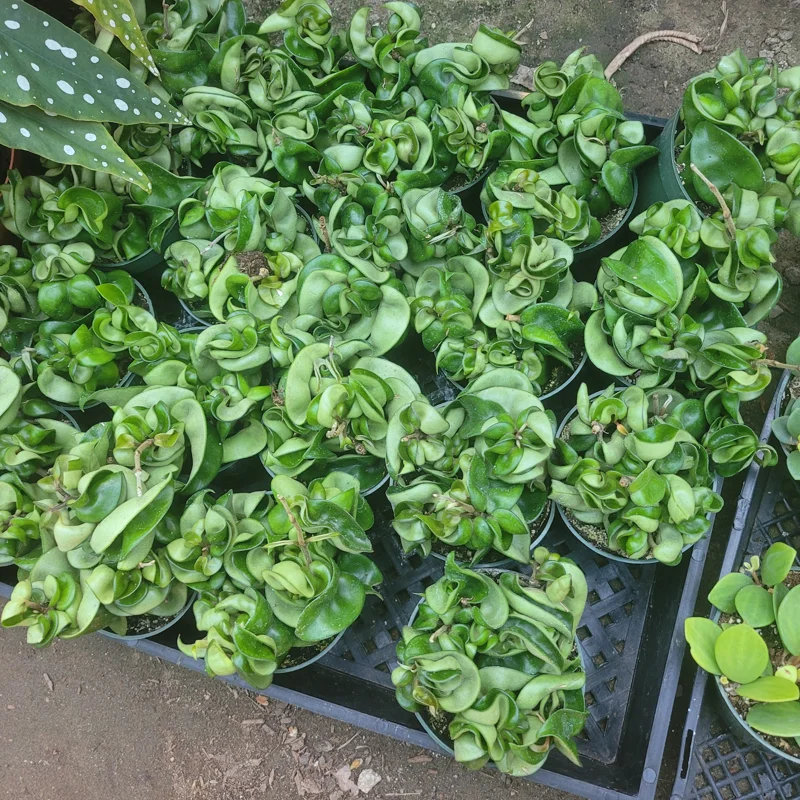
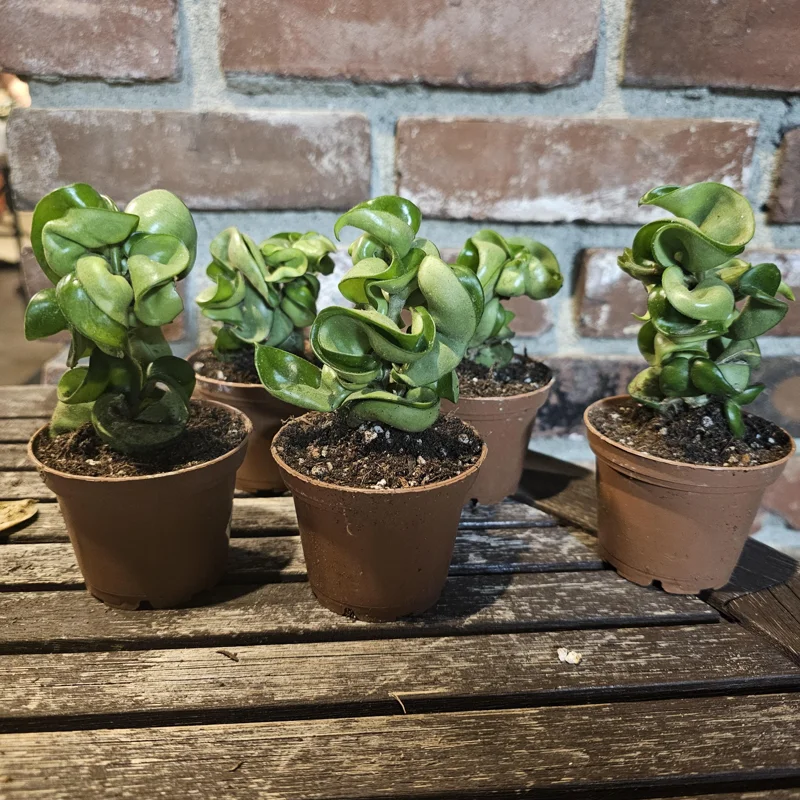
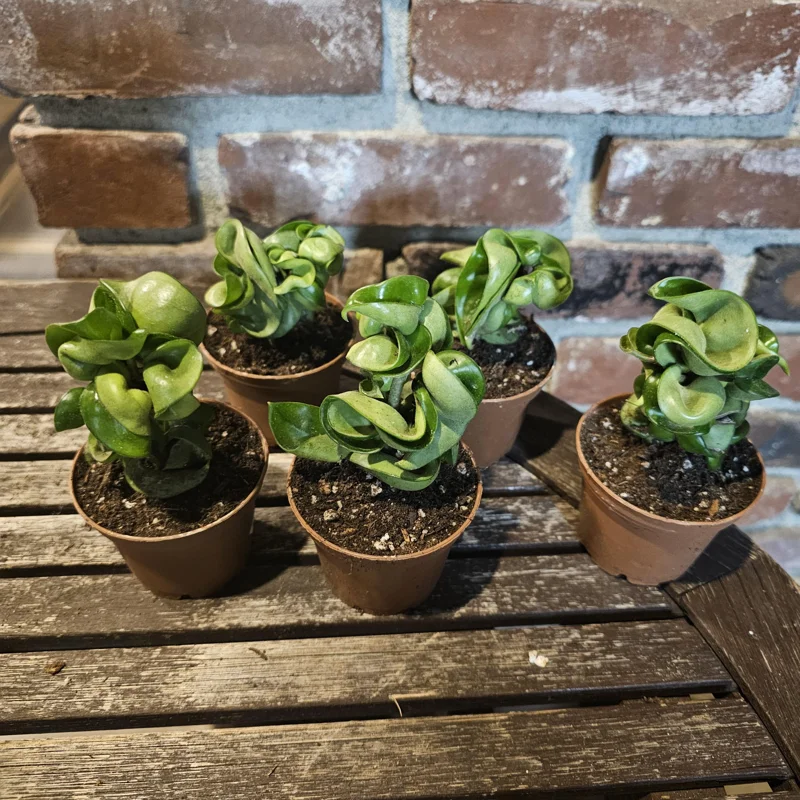
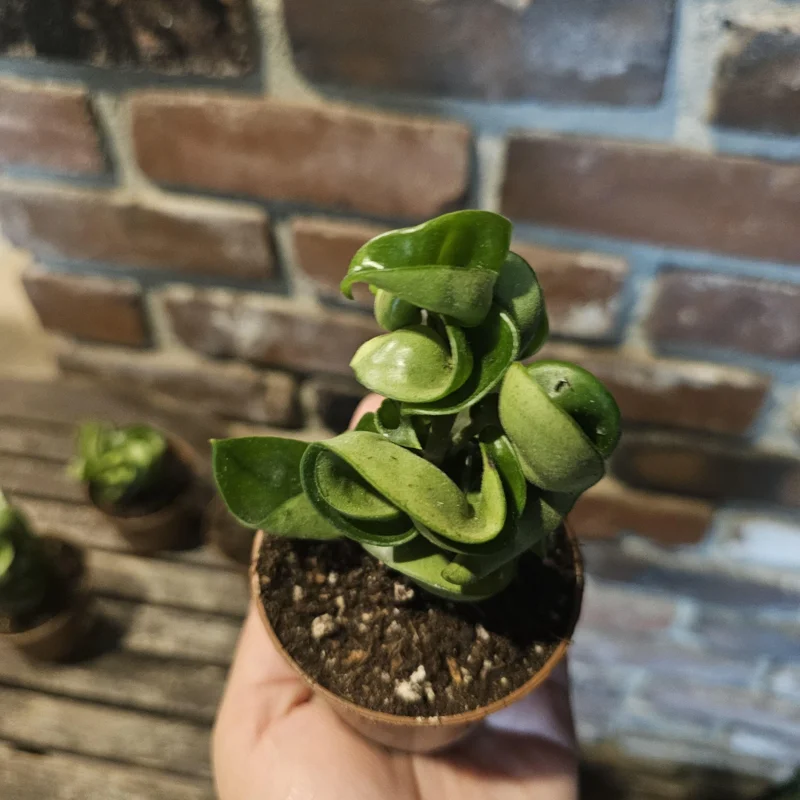
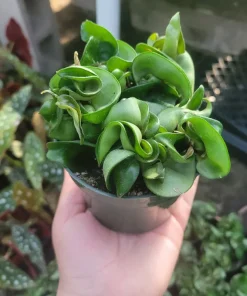
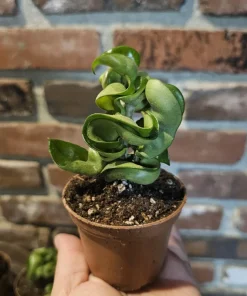
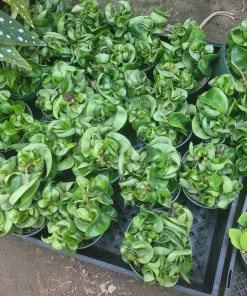
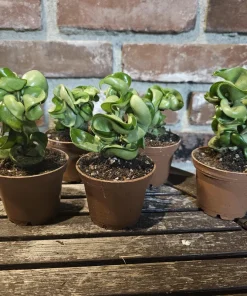
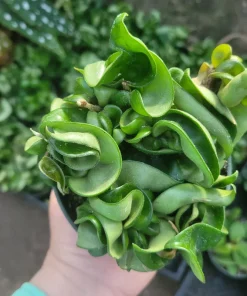
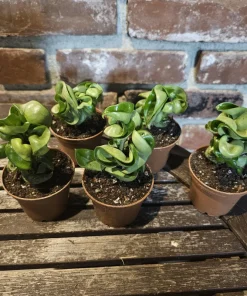
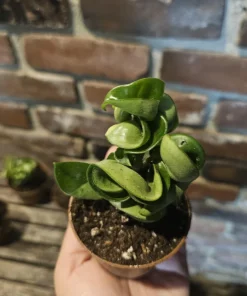
Hoya Hindu Rope Plant – Live Carnosa Compacta Green – 3in or 4in Pot – Indoor
Original price was: $78.78.$53.78Current price is: $53.78.
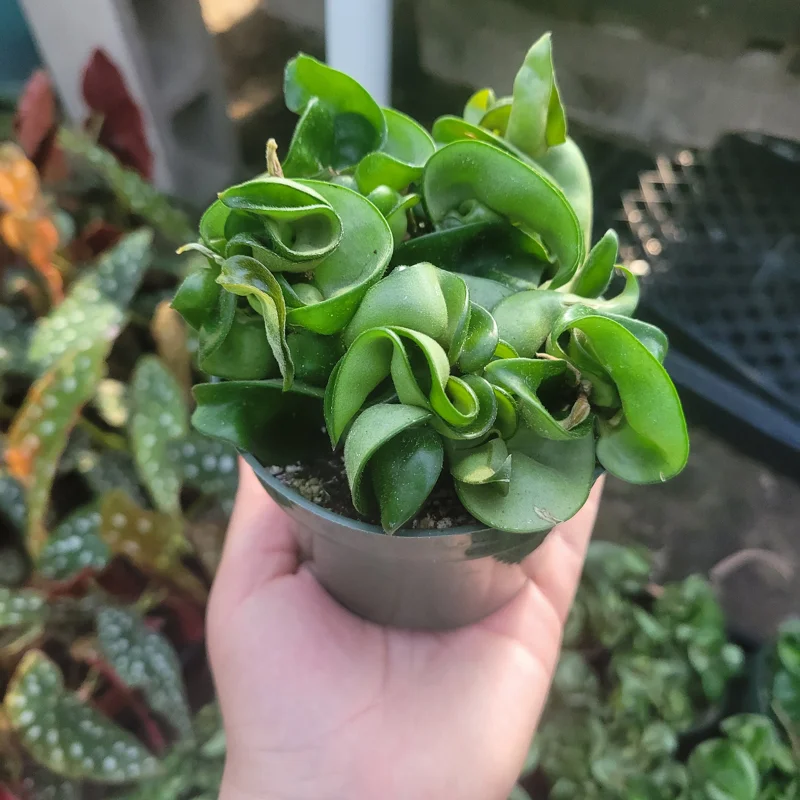
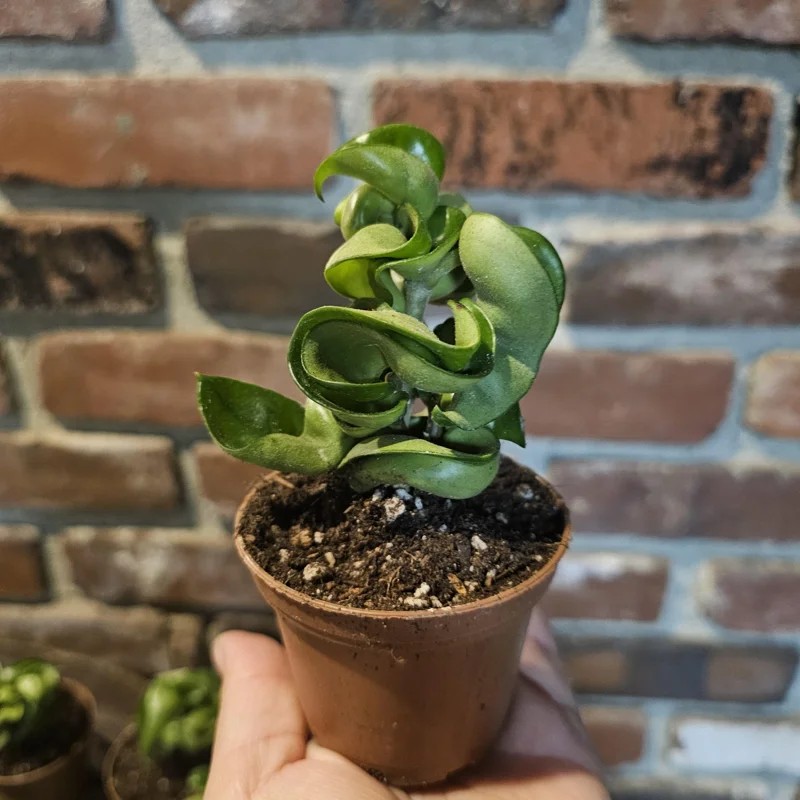
Add unique texture to your indoor plant collection with the Hoya Hindu Rope Plant. This striking Hoya Carnosa Compacta Green features fascinatingly twisted, succulent-like foliage, making it a captivating conversation starter. Easy to care for and perfect for hanging baskets or shelves, it brings a touch of exotic charm to any home. Available in 3in or 4in pots.
Estimated arrival
Oct 15
Oct 20 - Oct 22
Oct 25 - Oct 29
Shop With Confidence
30-Day Plant Health Guarantee
Arrives damaged? We’ll replace it free — see our return policy.
Responsive Support
Email us anytime, we reply within 1 business day.
Expert Packaging
Temperature-controlled shipping to protect your plants in transit.
Secure Checkout
Pay safely with Visa, Mastercard, PayPal.
Plant Specifications
-
USDA Hardiness Zone
USDA zones 10-11 (outdoors); year-round indoors -
Soil Type
Well-draining potting mix, succulent/cactus mix -
Sunlight Exposure
Bright indirect light -
Expected Planting Period
Year-round indoors
Overview
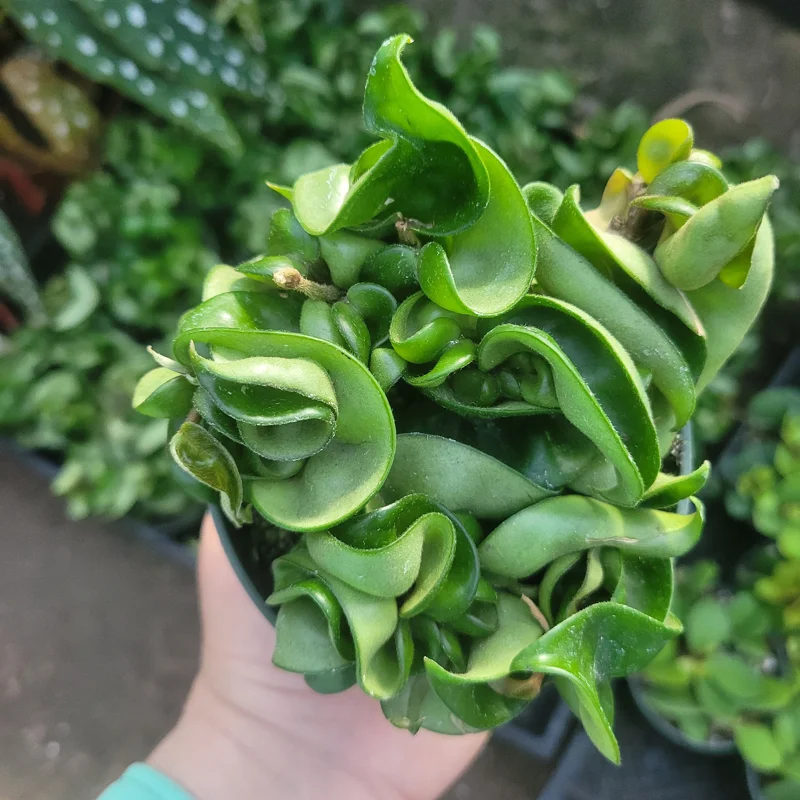
Bring home the exotic beauty of the Hoya Hindu Rope Plant, a truly captivating addition to any indoor plant collection. Known scientifically as Hoya Carnosa Compacta Green, this live plant is celebrated for its uniquely crinkled, twisted, and curled leaves that resemble thick ropes. Each succulent-like leaf is a vibrant green, creating a dense and intriguing texture that is unlike any other houseplant. Originating from tropical regions, this particular Hoya variety thrives indoors, making it an excellent choice for plant enthusiasts seeking a low-maintenance yet visually stunning specimen. Its slow-growing nature and compact form make it ideal for small spaces, shelves, or hanging baskets where its cascading ropes can be admired. The Hoya Hindu Rope Plant is not just a plant; it’s a living sculpture that adds an artistic touch to your home decor.
The common name, Hindu Rope Plant, perfectly describes its distinctive appearance. This particular offering provides a healthy, established Hoya Carnosa Compacta Green ready to flourish in its new environment. Whether you’re a seasoned plant parent or just starting your green journey, the unique charm and relatively easy care of this Hoya make it a rewarding choice. It’s a plant that sparks curiosity and conversation, inviting admiration for its intricate foliage. Embrace the allure of the tropics with this exceptional indoor plant.
Key Benefits
The Hoya Hindu Rope Plant offers a multitude of benefits beyond its striking appearance, making it a highly desirable houseplant for various reasons. Its unique characteristics contribute to both aesthetic appeal and ease of care.
- Uniquely Textured Foliage: The most prominent benefit is the plant’s distinct, twisted, and curled leaves. This creates an unparalleled visual interest and texture, making the Hoya Carnosa Compacta Green a standout piece in any plant display. It’s a natural conversation starter.
- Low Maintenance: This Hoya variety is incredibly forgiving, making it perfect for busy individuals or those new to plant care. It tolerates infrequent watering and doesn’t demand constant attention, allowing you to enjoy its beauty without excessive effort.
- Air Purifying Qualities: Like many houseplants, the Hoya Hindu Rope Plant contributes to a healthier indoor environment by helping to filter airborne toxins and improve air quality, promoting a fresher living space.
- Compact and Versatile Growth: Its slow-growing and cascading habit makes it ideal for hanging baskets, shelves, or even as a desk plant. It doesn’t require a lot of space and can adapt to various indoor settings, offering great versatility in decor.
- Potential for Beautiful Blooms: While primarily grown for its foliage, mature Hindu Rope Plants can produce clusters of small, fragrant, star-shaped flowers, adding another layer of beauty and a sweet aroma to your home.
- Drought Tolerant: Due to its succulent-like leaves, this Hoya stores water efficiently, making it quite drought-tolerant. This feature reduces the risk of overwatering, a common pitfall for many plant owners.
- Long Lifespan: With proper care, a Hoya Hindu Rope Plant can live for many years, becoming a long-term companion and a cherished part of your indoor garden.
Plant Care & Growing Tips
Caring for your Hoya Hindu Rope Plant is relatively straightforward, making it a joy for both novice and experienced plant enthusiasts. Understanding its basic needs will ensure your Hoya Carnosa Compacta Green thrives and continues to display its unique foliage.
Sunlight Requirements: This Hoya prefers bright, indirect light. Place it near an east or west-facing window where it can receive gentle morning or late afternoon sun. Avoid harsh, direct midday sun, which can scorch its leaves. While it can tolerate lower light conditions, bright indirect light encourages more vigorous growth and the potential for blooms. If the leaves start to look pale or yellow, it might be getting too much direct sun. Conversely, if growth is stunted, it might need more light.
Watering Schedule and Soil Moisture: As a succulent-like plant, the Hoya Hindu Rope Plant prefers its soil to dry out almost completely between waterings. Overwatering is the most common cause of problems for Hoyas. Stick your finger about 2 inches into the soil; if it feels dry, it’s time to water. During winter months, reduce watering frequency significantly. Ensure the pot has drainage holes to prevent waterlogging, which can lead to root rot. When you do water, do so thoroughly until water drains from the bottom of the pot.
Soil Type and Drainage Requirements: A well-draining potting mix is crucial for the health of your Hoya. A good mix typically includes perlite or orchid bark to enhance drainage and aeration. A standard succulent or cactus mix can also work well. The goal is to prevent water from sitting around the roots. Repotting is generally only needed every few years, as Hoyas prefer to be slightly root-bound.
Temperature Range and USDA Hardiness Zone: The Hoya Hindu Rope Plant thrives in average household temperatures, ideally between 60-80°F (15-27°C). It is not frost-tolerant and should be kept away from cold drafts and sudden temperature fluctuations. For outdoor growing (though primarily an indoor plant), it is suitable for USDA zones 10-11, where temperatures rarely drop below freezing. High humidity is appreciated but not strictly necessary; average household humidity is usually sufficient. Misting occasionally or placing it near a humidifier can be beneficial, especially in dry indoor environments.
Fertilization Schedule and Type: Fertilize sparingly during the growing season (spring and summer) with a balanced liquid fertilizer diluted to half strength. Avoid fertilizing in fall and winter when the plant’s growth slows down. Over-fertilization can lead to nutrient burn, so less is often more with Hoyas. A slow-release fertilizer can also be an option.
Common Problems and Solutions: Watch out for common pests like mealybugs and spider mites, especially in dry conditions. Treat with insecticidal soap or neem oil. Yellowing leaves can indicate overwatering or nutrient deficiency, while browning tips might suggest too little humidity or inconsistent watering. If your Hoya Hindu Rope Plant isn’t flowering, it may need more light or a period of dormancy with reduced watering.
Size & Details
The Hoya Hindu Rope Plant, or Hoya Carnosa Compacta Green, is offered as a healthy, established live plant, cultivated for its distinctive aesthetic appeal. Each plant comes in either a 3-inch or 4-inch nursery pot, providing a well-rooted specimen ready for your home. While growth rates can vary, this Hoya is known for its slow and steady development, typically adding a few inches of new growth per year. Its trailing habit means that over time, the ‘ropes’ of twisted foliage can extend significantly, making it an excellent candidate for hanging baskets where its unique form can be showcased.
At maturity, individual strands can reach several feet in length, though the overall width remains relatively compact, making it suitable for various indoor spaces. The plant is shipped in its original nursery grow pot, ensuring minimal transplant shock upon arrival. Expect a well-branched plant with multiple trailing stems, offering an immediate visual impact. The leaves are thick and waxy, indicating its succulent nature and ability to store water. This indoor Hoya plant typically takes several years to reach its full trailing potential and may begin to produce its charming, fragrant flowers once mature and well-established in suitable conditions, usually in pots of 4 inches or larger.
Frequently Asked Questions
- Q: How big does this Hoya Hindu Rope Plant get? A: While the Hoya Hindu Rope Plant is a slow grower, its trailing stems can reach several feet in length over many years. The plant itself remains relatively compact in terms of overall width, making it suitable for various indoor settings.
- Q: What size pot does the Hoya Carnosa Compacta Green come in? A: Your Hoya Carnosa Compacta Green will arrive in either a 3-inch or 4-inch nursery grow pot, depending on the specific option chosen. This size is ideal for establishing the plant in its new environment.
- Q: Is this an indoor or outdoor plant? A: The Hoya Hindu Rope Plant is primarily cultivated as an indoor houseplant in most climates. It can be grown outdoors in USDA zones 10-11 where temperatures remain warm year-round, but it is sensitive to cold.
- Q: How much sunlight does my indoor Hoya plant need? A: This Hoya thrives in bright, indirect light. Avoid direct, harsh sunlight which can scorch its unique leaves. A location near an east or west-facing window is often ideal for optimal growth.
- Q: Is this plant easy to care for? Is it good for beginners? A: Yes, the Hoya Hindu Rope Plant is considered relatively easy to care for and is a great choice for beginners. Its drought-tolerant nature makes it forgiving of occasional missed waterings, and it requires minimal attention.
- Q: What condition will the Hoya Hindu Rope Plant arrive in? A: Your plant will arrive healthy and well-packaged, typically in its original nursery grow pot. We take great care to ensure it reaches you in excellent condition, ready to thrive in your home.
- Q: How often should I water my Hindu Rope plant? A: Water your Hindu Rope plant when the soil has almost completely dried out. It’s better to underwater than overwater, as excessive moisture can lead to root rot. Less frequent watering is needed in winter.
- Q: Will my Hoya Carnosa Compacta Green produce flowers? A: Mature and well-cared-for Hoya Carnosa Compacta Green plants can produce clusters of small, fragrant, star-shaped flowers. This usually occurs when the plant is several years old and receiving adequate light.
- Q: What kind of soil is best for this Hoya? A: A well-draining potting mix is essential. You can use a standard succulent or cactus mix, or amend regular potting soil with perlite or orchid bark to improve drainage and aeration for your indoor Hoya plant.
- Q: Is the Hoya Hindu Rope Plant pet-safe? A: Hoyas are generally considered non-toxic to pets, making the Hoya Hindu Rope Plant a safer choice for homes with curious animals. However, it’s always best to prevent pets from chewing on plants.
Be the first to review “Hoya Hindu Rope Plant – Live Carnosa Compacta Green – 3in or 4in Pot – Indoor”
People Also Viewed
Reviews
There are no reviews yet.