


50+ Bergamot Monarda Autumn Mix Perennial Flower Seeds – Attracts Hummingbirds & Bees
Original price was: $37.99.$12.99Current price is: $12.99.
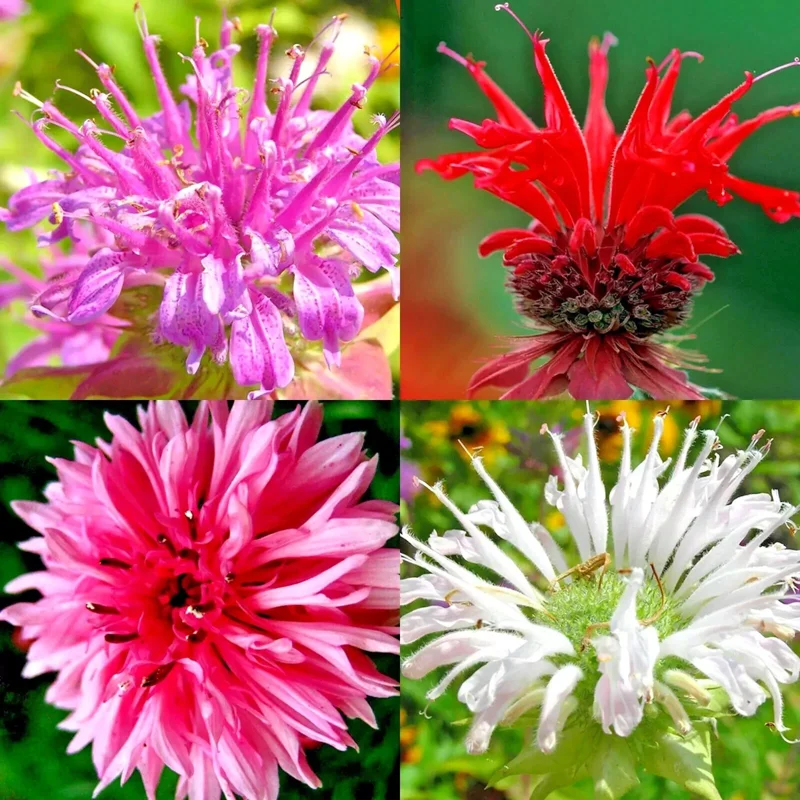
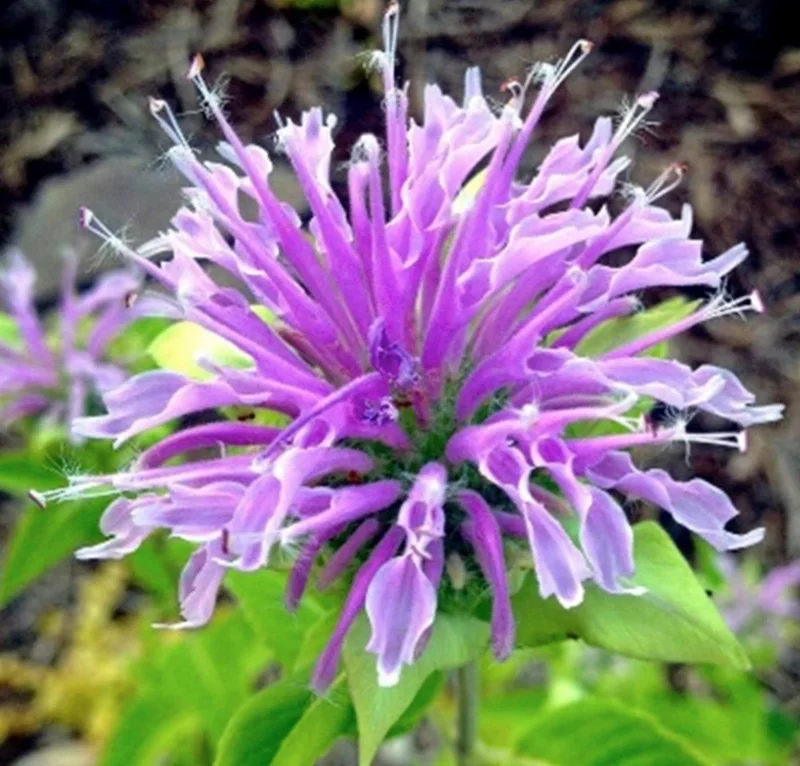
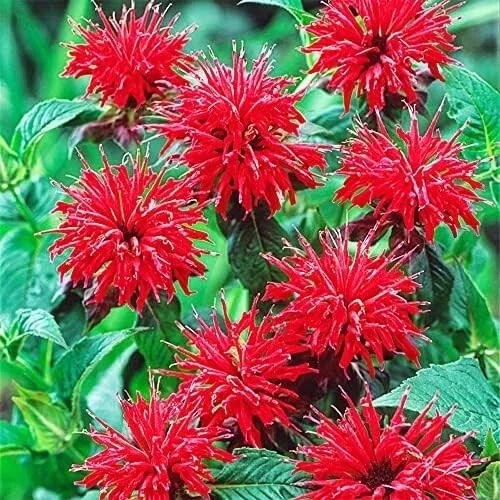
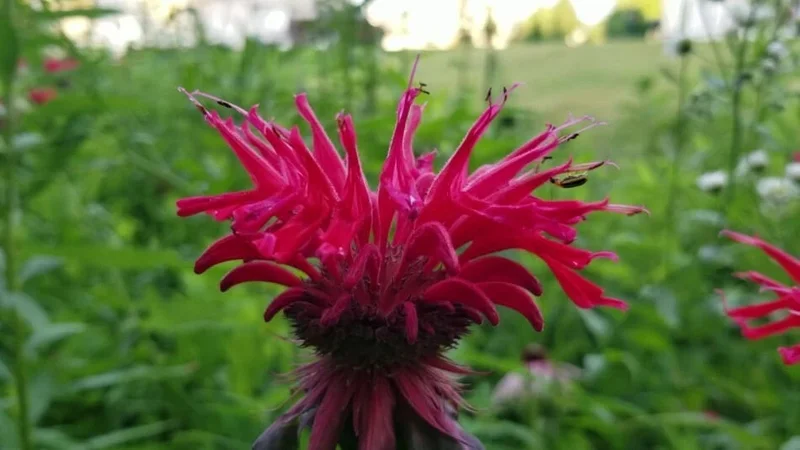
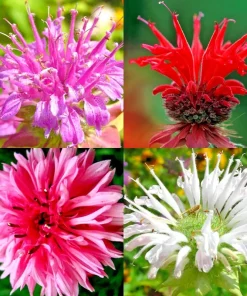
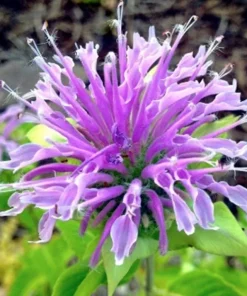
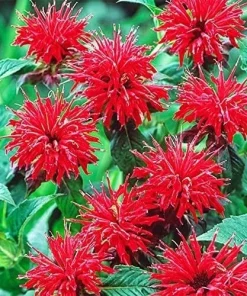
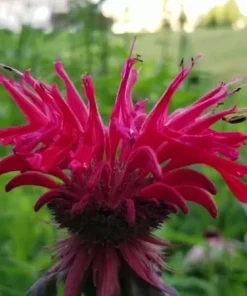
Transform your garden with our bergamot monarda seeds, a vibrant monarda autumn mix of perennial flowers. These easy-to-grow seeds yield beautiful blooms that attract hummingbirds and bees, making them a perfect addition to any outdoor space. Enjoy a spectrum of colors and a delightful fragrance from these resilient perennial flower seeds.
Estimated arrival
Oct 15
Oct 20 - Oct 22
Oct 25 - Oct 29
Shop With Confidence
30-Day Plant Health Guarantee
Arrives damaged? We’ll replace it free — see our return policy.
Responsive Support
Email us anytime, we reply within 1 business day.
Expert Packaging
Temperature-controlled shipping to protect your plants in transit.
Secure Checkout
Pay safely with Visa, Mastercard, PayPal.
Plant Specifications
-
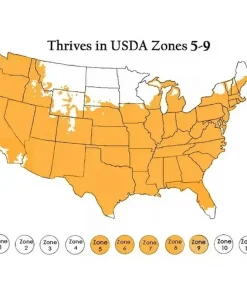
USDA Hardiness Zone
4 (-30 to -20 °F) -
Soil Type
Clay, Loam, Peat, Sand, Silt -
Sunlight Exposure
Partial Shade, Full Sun, Medium Sun -
Expected Planting Period
Spring
Overview
Introduce a burst of color and life to your garden with our premium bergamot monarda seeds. This exceptional monarda autumn mix offers a stunning array of vibrant blooms that will captivate onlookers and delight pollinators. Also widely known as Bee Balm, Monarda plants are cherished for their unique, shaggy flowers and aromatic foliage. These perennial seeds promise a return of beauty year after year, establishing a reliable and low-maintenance display. Perfect for garden beds, borders, or naturalized areas, Monarda creates a dynamic landscape element that supports local ecosystems. Each packet contains over 50 seeds, providing ample opportunity to cultivate a thriving patch of these magnificent flowers. Grow this rare and beautiful plant to transform your garden into a pollinator paradise, attracting not only bees but also hummingbirds with its nectar-rich blossoms.
Key Benefits
Cultivating bergamot monarda seeds brings a multitude of advantages to your garden and local environment. These plants are incredibly beneficial and offer both aesthetic appeal and ecological value:
- Attracts Pollinators: The vibrant flowers are a magnet for hummingbirds, bees, and butterflies, significantly enhancing the biodiversity of your garden. Planting these hummingbird plant seeds helps support vital pollinator populations.
- Aromatic Foliage: The leaves of Monarda plants release a pleasant, minty fragrance when brushed, adding a sensory dimension to your garden experience. This natural aroma also acts as a mosquito repellent.
- Low Maintenance Perennial: Once established, these perennial flower seeds require minimal care, returning year after year with stunning blooms, saving you time and effort.
- Deer Resistant: The strong aroma of Bee Balm tends to deter deer, making it a reliable choice for gardens in areas prone to deer browsing.
- Medicinal Herb: Historically, Monarda has been used for its medicinal properties, particularly by Native Americans, offering potential benefits for various ailments.
- Autumn Mix Colors: Enjoy a diverse palette of colors from this special autumn mix, ensuring a visually rich and varied floral display throughout the season.
- Easy to Grow: Suitable for gardeners of all experience levels, these bee balm seeds germinate readily and establish quickly with proper care.
Plant Care & Growing Tips
Growing bergamot monarda seeds is a rewarding experience, and with a few simple care guidelines, you can ensure a flourishing display. Monarda thrives in conditions that mimic its native habitats. For optimal growth, choose a location that receives full sun to partial shade. Full sun (at least 6 hours of direct sunlight per day) will promote the most abundant blooms, while partial shade can be beneficial in hotter climates to prevent scorching. These plants are adaptable to various soil types, including clay, loam, peat, sand, and silt, but they perform best in well-draining soil with a pH between 6.8 and 7.2. Good drainage is crucial to prevent root rot, especially in wetter conditions.
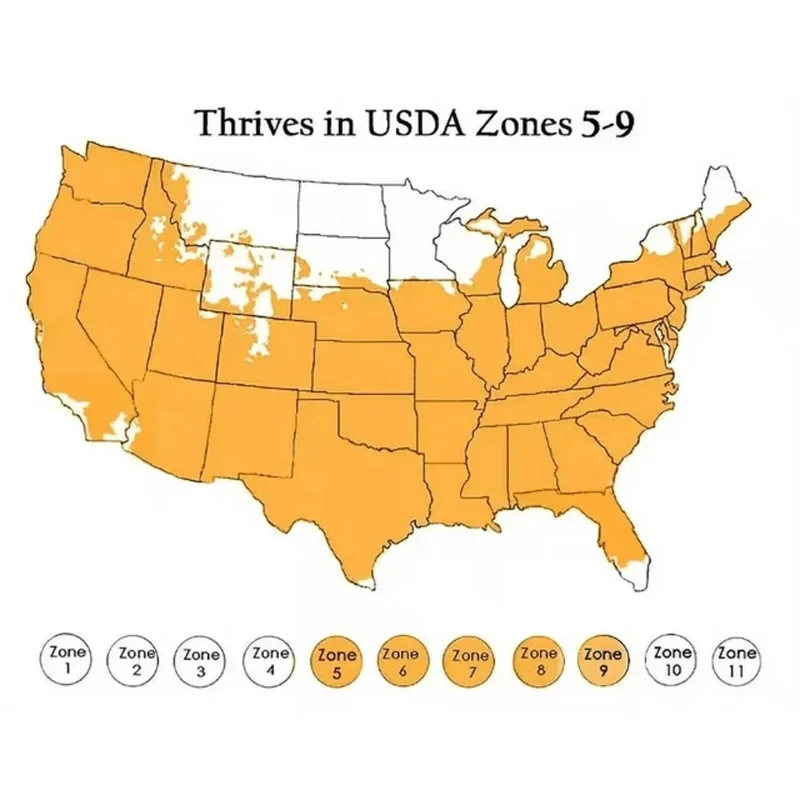
Watering should be medium, meaning the soil should be kept consistently moist but not waterlogged. During dry spells, particularly in the summer, supplemental watering may be necessary. Monarda is a perennial, hardy in USDA Zones 4 to 9, meaning it can withstand winter temperatures down to -30°F. Fertilize sparingly; an annual application of compost or a balanced slow-release fertilizer in spring is usually sufficient. Deadheading spent flowers can encourage a longer blooming period. Common problems include powdery mildew, especially in humid conditions or crowded plantings. Ensuring good air circulation and selecting mildew-resistant varieties can help prevent this. The seeds are easy to cultivate and generally sprout within a few weeks after planting.
Size & Details
This packet contains over 50 bergamot monarda seeds, providing a generous quantity for planting. The resulting Monarda plants from this monarda autumn mix typically grow to a height of 2 to 4 feet with a spread of 2 to 3 feet, forming attractive clumps. These perennial plants have a clumping growth habit and are considered semi-evergreen in milder climates. They are suitable for outdoor planting and are known for their fast-growing nature, quickly establishing themselves in your garden. The planting time is generally in spring, and you can expect blooms from summer through fall, offering continuous color and interest. The seeds are open-pollinating, ensuring genetic diversity and robust growth. With proper care, these plants will thrive and become a long-lasting feature in your landscape, attracting beneficial insects and adding beauty to your outdoor spaces. They are designed to be an easy cultivating difficulty, making them ideal for gardeners of all skill levels.
Frequently Asked Questions
- Q: How big does this plant get? A: The Monarda plants from these bergamot monarda seeds typically grow to a height of 2 to 4 feet and can spread 2 to 3 feet wide, forming attractive clumps in your garden.
- Q: Is this an indoor or outdoor plant? A: These Monarda plants are primarily outdoor plants, thriving in garden beds, borders, and naturalized areas. They require ample sunlight and space to grow.
- Q: How much sunlight does it need? A: Monarda prefers full sun, meaning at least 6 hours of direct sunlight daily, but can tolerate partial shade, especially in warmer climates.
- Q: Is this plant easy to care for? A: Yes, these perennial flower seeds are considered easy to cultivate. Once established, they are relatively low-maintenance and quite hardy.
- Q: What condition will the seeds arrive in? A: The seeds will arrive in a packet, ready for planting. They are fresh and viable, prepared for optimal germination.
- Q: How long until it blooms? A: Monarda typically blooms from summer through fall in its first year from seed if started early, providing a long season of color and fragrance.
- Q: When is the best time to plant these seeds? A: The best time to plant these bee balm seeds is in the spring after the last frost, or they can be started indoors several weeks before the last frost date.
- Q: Will it survive winter in my zone? A: Monarda is a perennial hardy in USDA Zones 4-9, meaning it is well-suited to survive cold winters and return each spring in these regions.
- Q: Can these plants attract hummingbirds? A: Absolutely! The tubular flowers of Monarda, especially from this hummingbird plant seeds mix, are highly attractive to hummingbirds, as well as bees and butterflies.
- Q: What type of soil is best for Monarda? A: Monarda thrives in well-draining soil with a pH between 6.8 and 7.2. It can adapt to various soil types including clay, loam, peat, sand, and silt.
Be the first to review “50+ Bergamot Monarda Autumn Mix Perennial Flower Seeds – Attracts Hummingbirds & Bees”
People Also Viewed
Reviews
There are no reviews yet.