
Organic Rosemary Live Plant in Pot – Culinary Herb for Garden & Kitchen
Original price was: $43.99.$23.99Current price is: $23.99.
Bring the fresh aroma and culinary delight of an organic rosemary live plant into your home or garden. This vibrant herb is perfect for seasoning dishes, making fragrant oils, or simply enjoying its beautiful foliage and scent. Easy to grow and maintain.
Estimated arrival
Oct 27
Nov 01 - Nov 03
Nov 06 - Nov 10
Shop With Confidence
30-Day Plant Health Guarantee
Arrives damaged? We’ll replace it free — see our return policy.
Responsive Support
Email us anytime, we reply within 1 business day.
Expert Packaging
Temperature-controlled shipping to protect your plants in transit.
Secure Checkout
Pay safely with Visa, Mastercard, PayPal.
Plant Specifications
-
USDA Hardiness Zone
USDA zones 7-10 (outdoors), can be grown indoors in all zones -
Soil Type
Well-draining, sandy or loamy soil -
Sunlight Exposure
Full sun (6-8+ hours direct light daily) -
Expected Planting Period
Year-round indoors; Spring to early summer outdoors
Overview
Discover the joy of growing your own fresh herbs with our exquisite organic rosemary live plant. Revered for centuries for its aromatic foliage and culinary versatility, rosemary (Rosmarinus officinalis) is a must-have for any garden or kitchen. This live plant arrives healthy and ready to thrive, providing you with an endless supply of fragrant leaves for cooking, aromatherapy, and even decorative purposes. Our rosemary is organically grown, ensuring you receive a pure and natural product free from harmful chemicals. Whether you’re an experienced gardener or just starting out, this resilient herb is an excellent choice, offering both beauty and utility. An edible rosemary plant is not only a delightful addition to your culinary endeavors but also a beautiful evergreen shrub that can enhance the aesthetic of your outdoor spaces or indoor herb garden.
The rosemary herb plant is known for its distinctive needle-like leaves and woody stems, exuding a pungent, pine-like aroma that is instantly recognizable. It’s a Mediterranean native, meaning it’s accustomed to sunny, well-drained conditions, making it relatively low-maintenance once established. Its robust nature and strong fragrance also make it a natural deterrent for some garden pests. This live plant offers an immediate start to your herb collection, bypassing the germination period of seeds and allowing you to enjoy its benefits sooner. Cultivating your own organic rosemary ensures that your ingredients are as fresh and flavorful as possible, elevating your home cooking to new heights.
Key Benefits
An organic rosemary live plant offers a multitude of benefits, from enhancing your culinary creations to contributing to a healthier home environment. Its strong, invigorating scent can also be uplifting, making it a great addition to living spaces.
- Culinary Versatility: Fresh rosemary is an indispensable ingredient in many cuisines. Use its fragrant leaves to season roasted meats, vegetables, bread, and even infuse olive oils and vinegars. The strong, earthy flavor of this edible rosemary plant adds depth and sophistication to countless dishes.
- Aromatic & Therapeutic: The distinctive aroma of rosemary is not only pleasant but also believed to have memory-boosting and stress-reducing properties. Place it near a window or in a high-traffic area to enjoy its natural fragrance.
- Low Maintenance: Once established, rosemary is a drought-tolerant and resilient plant. It requires minimal care, making it an ideal choice for busy gardeners or those new to plant care.
- Evergreen Beauty: With its attractive, silvery-green foliage, the rosemary herb plant provides year-round visual appeal in your garden or as a potted specimen indoors. Its small, delicate flowers, usually blue or purple, add an extra touch of charm.
- Pest Deterrent: The strong scent of rosemary can naturally deter various garden pests, making it a valuable companion plant in vegetable beds.
- Air Purification: Like many plants, rosemary contributes to better air quality by absorbing carbon dioxide and releasing oxygen, creating a fresher indoor environment.
- Organic & Healthy: Our organic rosemary live plant is grown without synthetic pesticides or fertilizers, ensuring a pure and healthy herb for your family’s consumption.
Plant Care & Growing Tips
Caring for your organic rosemary live plant is straightforward, especially when you understand its preferred conditions. Rosemary thrives in environments that mimic its Mediterranean origins, favoring plenty of sunshine and well-drained soil. For optimal growth, ensure it receives at least 6-8 hours of direct sunlight daily. If growing indoors, place it in your brightest south-facing window or supplement with a grow light. Adequate air circulation is also beneficial to prevent fungal issues.
When it comes to watering, less is typically more for this resilient edible rosemary plant. Allow the soil to dry out completely between waterings to prevent root rot, which is a common issue for rosemary. Stick your finger about an inch or two into the soil; if it feels dry, it’s time to water thoroughly until water drains from the bottom of the pot. In the garden, established rosemary plants are very drought-tolerant. The ideal soil for growing rosemary in pots or in the ground is well-draining, sandy, or loamy, with a slightly acidic to neutral pH (6.0-7.0). Avoid heavy clay soils that retain too much moisture.
Rosemary is generally hardy in USDA zones 7-10, preferring warm climates. In colder regions, it’s best grown in containers that can be brought indoors during winter months. Protect it from freezing temperatures. Fertilization isn’t usually necessary for rosemary, especially if grown in good soil, but a light feeding with a balanced, organic liquid fertilizer once or twice during the growing season can encourage bushier growth. Prune your rosemary herb plant regularly to maintain its shape, encourage new growth, and harvest leaves. Avoid cutting back more than one-third of the plant at a time. Watch out for common pests like aphids or spider mites, which can be treated with insecticidal soap if they appear.
Size & Details
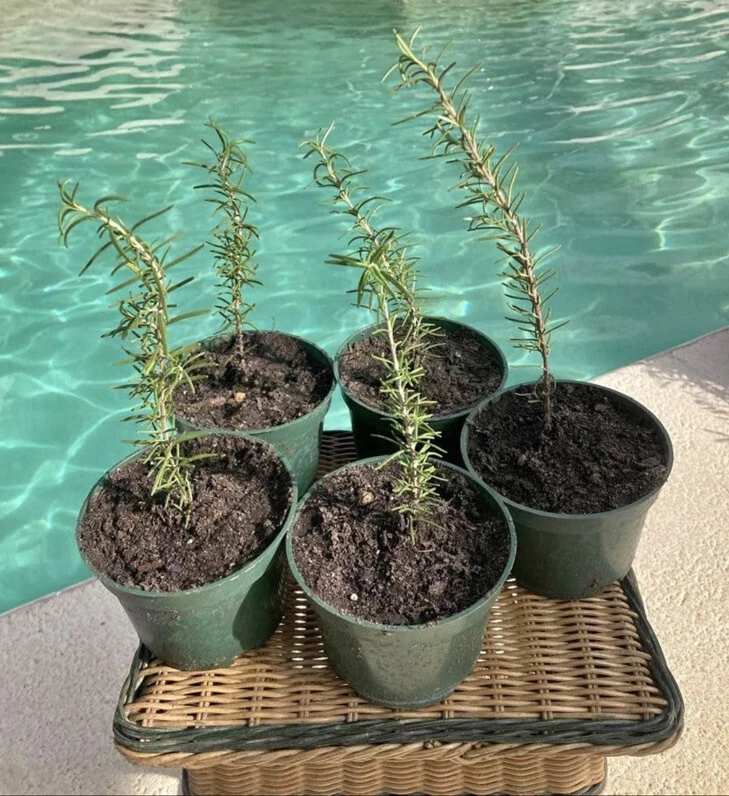
Our organic rosemary live plant is carefully cultivated and shipped in a nursery pot, ready for transplanting into your garden or a larger decorative container. The exact size will vary slightly depending on the growth stage, but typically the plant will arrive as a healthy, well-rooted specimen, approximately 6-10 inches tall from the base of the pot. Rosemary is a moderately fast-growing herb and can reach mature heights of 2-4 feet tall and wide when grown outdoors in ideal conditions. When growing rosemary in pots, its size can be managed through regular pruning. It will provide fresh foliage for harvesting soon after arrival. This aromatic evergreen shrub offers continuous growth throughout the year, especially in warmer climates, ensuring a steady supply of fresh leaves for your culinary and aromatic needs. Expect a robust and vigorous plant that will quickly establish itself in its new home, providing both beauty and utility.
Frequently Asked Questions
- Q: How big does this organic rosemary live plant get? A: When grown in the ground outdoors, rosemary plants can reach 2-4 feet tall and wide. When grown in pots, their size can be managed through regular pruning, typically staying within 1-2 feet.
- Q: What size pot does it come in? A: The plant typically arrives in a standard nursery pot, usually around 4 inches in diameter, suitable for safe transport and initial growth. We recommend repotting it into a larger container (6-8 inches) or directly into your garden upon arrival.
- Q: Is this an indoor or outdoor plant? A: Rosemary can be grown both indoors and outdoors. It thrives outdoors in full sun in USDA zones 7-10. In colder climates, it’s best grown in a pot and brought indoors during winter.
- Q: How much sunlight does the edible rosemary plant need? A: Rosemary requires at least 6-8 hours of direct sunlight per day. If growing indoors, place it in the brightest window you have, preferably south-facing, or use a grow light.
- Q: Is this plant easy to care for? A: Yes, rosemary is generally considered easy to care for, especially once established. It’s drought-tolerant and prefers well-draining soil and plenty of sun. Overwatering is the most common issue.
- Q: What condition will it arrive in? A: Your rosemary herb plant will arrive healthy, well-rooted, and carefully packaged to minimize stress during transit. Some slight leaf discoloration or soil shifting may occur, but the plant should recover quickly.
- Q: Is it shipped in soil? A: Yes, the plant is shipped securely in its nursery pot with its original soil to ensure its health and stability during delivery.
- Q: Can I use this rosemary in cooking? A: Absolutely! This is an edible rosemary plant, organically grown, making it perfect for all your culinary needs. Its leaves are excellent for seasoning a wide variety of dishes.
- Q: Is rosemary pet-safe? A: While rosemary is generally considered non-toxic to pets in small culinary amounts, large ingestions could cause mild digestive upset. It’s best to keep plants out of reach if you have pets prone to chewing on plants.
- Q: When is the best time to plant rosemary? A: Rosemary can be planted in the spring after the last frost or in early fall in warmer climates. For indoor growing, it can be planted any time of year.
Be the first to review “Organic Rosemary Live Plant in Pot – Culinary Herb for Garden & Kitchen”
People Also Viewed



Vegetable Seeds
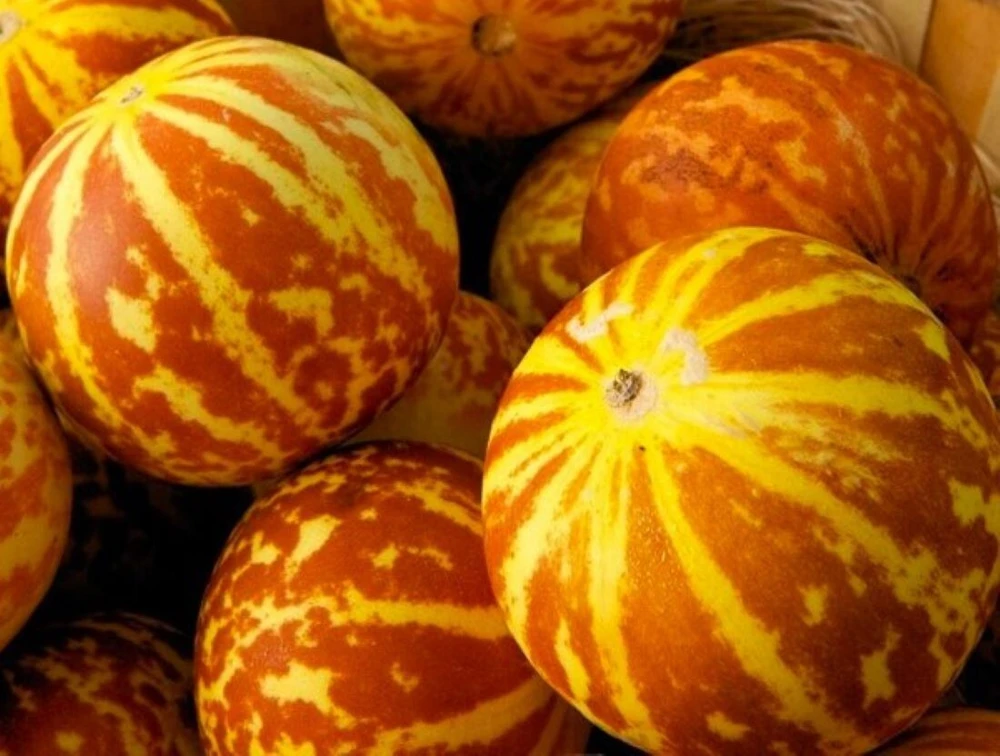
50 Tigger Melon Seeds – Heirloom – Easy Grow – Sweet & Aromatic

Reviews
There are no reviews yet.